

Inflammation is one of those things people talk about a lot but don’t always fully connect to daily life. It isn’t just about injuries or short term swelling. Long term inflammation has been linked to a range of health issues, which is why it keeps coming up in nutrition research. Food won’t fix everything on its own, but what you eat consistently does influence how your body responds over time. Some foods contain compounds that researchers have repeatedly linked to lower inflammation markers. They aren’t obscure health store ingredients either, they’re everyday foods you probably already buy and cook with, so let’s take a look.

Turmeric
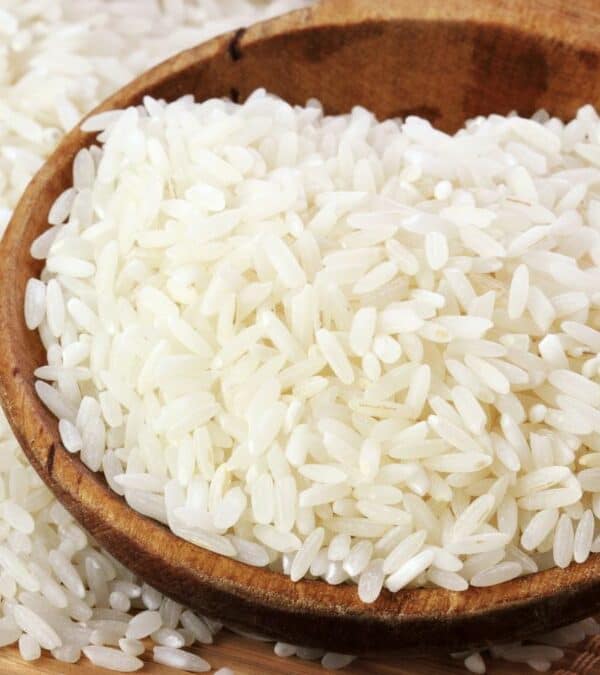
Turmeric contains curcumin, a naturally occurring compound that has been studied for its ability to reduce inflammatory activity in the body. Research shows curcumin may help block certain molecules involved in chronic inflammation when consumed regularly. It is often added to soups, rice dishes, and stews, and it is absorbed more effectively when paired with black pepper.
Fatty Fish
Fish like salmon, sardines, and mackerel provide omega three fatty acids such as EPA and DHA. These fats have been linked to lower levels of inflammatory markers including C reactive protein. Studies suggest eating fatty fish a few times per week can support the body’s normal inflammatory response over time.
Leafy Greens
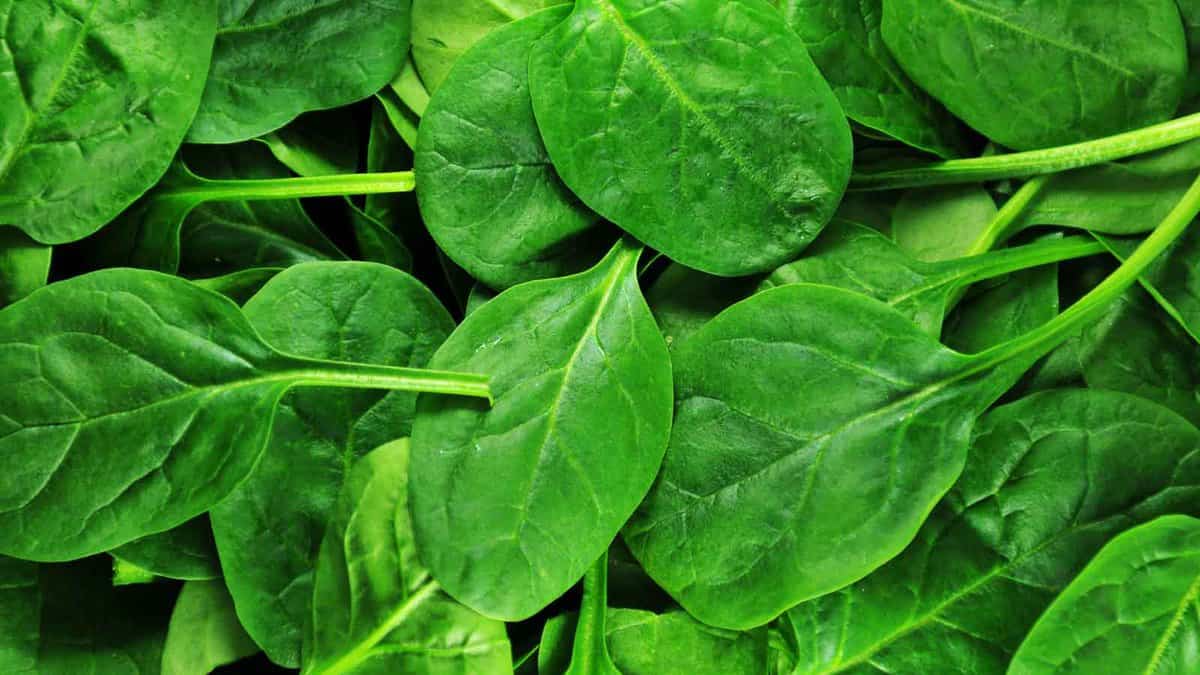
Spinach, kale, and Swiss chard contain antioxidants and vitamins that help protect cells from oxidative stress, which is closely tied to inflammation. Diets that include regular servings of leafy greens are associated with lower inflammation markers in multiple population studies. These vegetables are easy to add to salads, sautés, and mixed dishes.
Berries
Berries such as blueberries, strawberries, and raspberries are rich in anthocyanins, which are plant compounds studied for their anti inflammatory effects. Research suggests people who eat berries regularly tend to show reduced inflammation markers compared to those who do not. They are commonly eaten fresh, frozen, or mixed into breakfast foods.
Ginger
Ginger contains gingerol, a compound that research links to reduced inflammation and muscle soreness. It has been studied in relation to joint discomfort and inflammatory conditions. Fresh ginger is commonly used in teas, soups, and cooked dishes, making it easy to include without changing eating habits too much.
Nuts
Nuts such as almonds and walnuts provide healthy fats, fiber, and micronutrients that support inflammation control. Walnuts in particular contain plant based omega three fats that have been associated with lower inflammation levels in long term studies. A small serving fits easily into snacks or meals.
Olive Oil
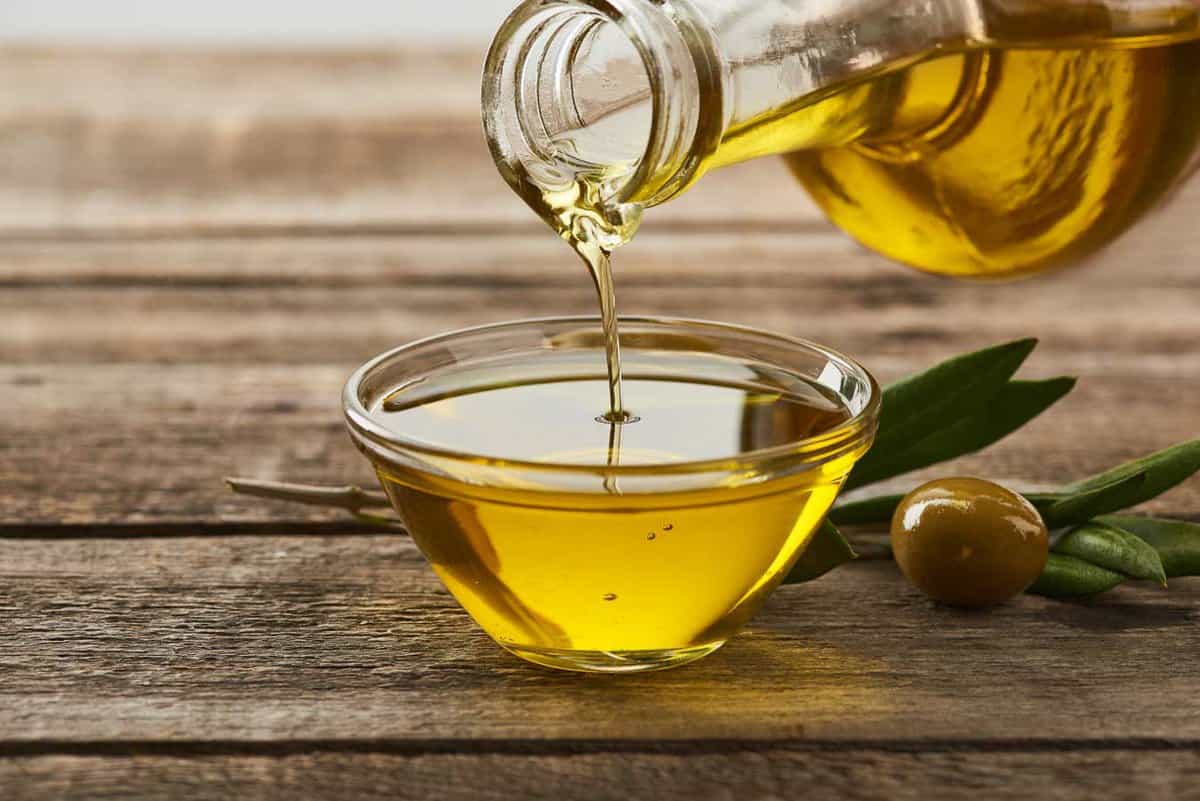
Extra virgin olive oil contains oleocanthal, a compound shown to act on inflammatory pathways in a way similar to certain pain relievers. Research consistently links olive oil consumption with lower inflammation markers, especially when used as a primary fat source. It is widely used in dressings, cooked vegetables, and grain dishes.
Garlic
Garlic provides sulfur containing compounds such as allicin that have been studied for their role in reducing inflammation and supporting immune function. Regular intake has been associated with lower inflammatory markers in some clinical studies. Garlic is commonly used raw or cooked across many cuisines.
Green Tea
Green tea is rich in catechins, particularly EGCG, which research links to antioxidant and anti inflammatory activity. Studies suggest regular green tea consumption may help reduce inflammation over time while also supporting cardiovascular health. It is often consumed as a daily beverage rather than a supplement.
Tomatoes
Tomatoes contain lycopene, an antioxidant that has been linked to reduced inflammation in several studies. Cooking tomatoes increases lycopene absorption, which is why sauces and soups are often highlighted in research. Pairing tomatoes with fats like olive oil helps improve absorption further.

Gina Matsoukas is an AP syndicated writer. She is the founder, photographer and recipe developer of Running to the Kitchen — a food website focused on providing healthy, wholesome recipes using fresh and seasonal ingredients. Her work has been featured in numerous media outlets both digital and print, including MSN, Huffington post, Buzzfeed, Women’s Health and Food Network.