

Rice seems simple. It’s cheap, it’s everywhere, and most of us have made it hundreds of times. But it’s also one of those foods that causes headaches for a lot of people. Mushy grains, crunchy centers, burnt bottoms and sticky clumps happen more often than we probably want to admit.
The funny part is that most rice problems come down to a few small missteps that are pretty easy to spot. Once fixed, a pot of fluffy rice awaits.
Here are the biggest culprits and what to do instead.
Skipping the Rinse
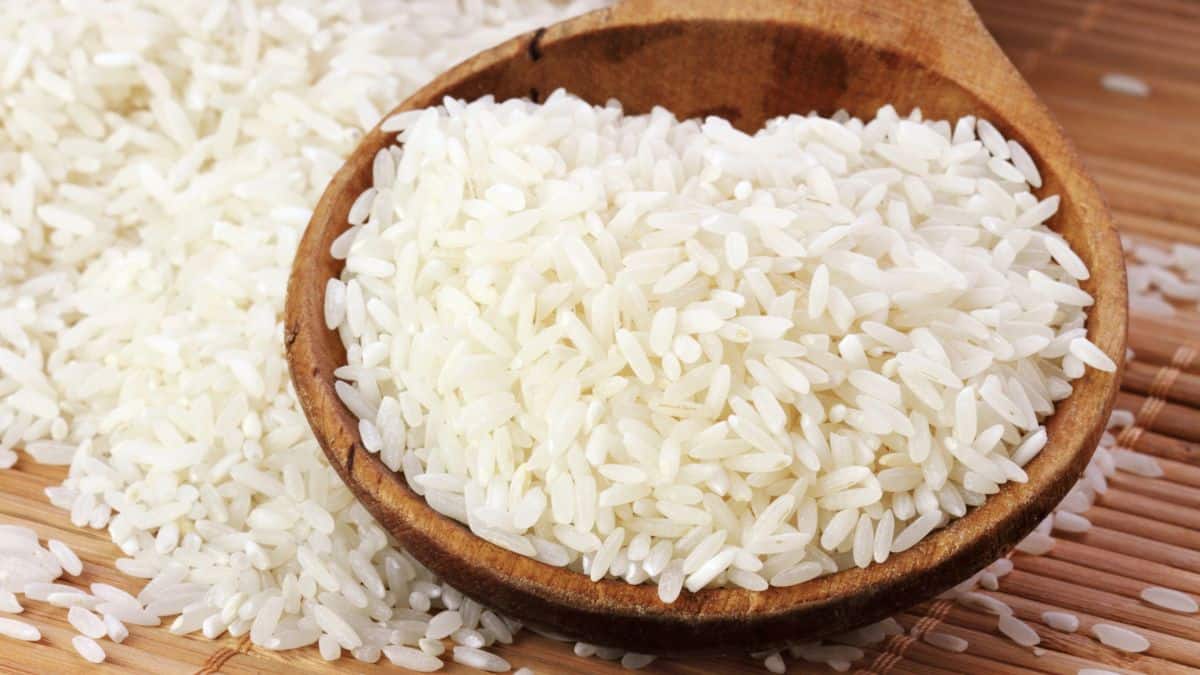
One of the easiest ways to end up with gummy rice is skipping the rinse step. Rice grains are coated in excess starch from processing and packaging. When that starch hits hot water, it gets sticky quickly.
A thorough rinse under cold water washes a lot of that away. You don’t need to obsess over it either. Just run water over the rice in a bowl or strainer and swirl it around until the water looks less cloudy.
Guessing the Water Amount
A lot of people treat rice like pasta and eyeball the water. That works sometimes, but it’s also why rice can end up mushy or undercooked.
Different types of rice need different amounts of water. Long grain white rice usually works well with about two cups of water per cup of rice. Short grain varieties need a little less. Brown rice needs more and takes longer to cook.
Stirring the Rice While it Cooks
It’s tempting to stir rice the way you would a pot of soup, but that will actually work against you. Stirring knocks the grains around and releases more starch into the water. in turn making the rice sticky and clumpy instead of light and separate.
Once the pot comes to a simmer and you put the lid on, leave it alone. Let the heat and steam do their job.

Cooking it on High Heat the Whole Time
Rice isn’t a fast food. It needs steady heat, not a rolling boil the entire time. When the heat remains too high, the water evaporates too quickly. The bottom layer cooks too fast while the top grains are still hard. That’s how you end up with burnt rice on the bottom and undercooked rice on top.
Bring the water to a boil, reduce the heat to low, then cover the pot and let it gently simmer.
Lifting the Lid Every Two Minutes
Checking rice constantly might feel like the responsible thing to do, but it actually slows everything down. Rice cooks through steam. Every time you lift the lid, that steam escapes and the temperature inside the pot drops. That means the rice takes longer to cook and can end up uneven.
Once the lid is on, let it stay there until the cooking time is up.
Not Letting the Rice Rest
This step gets skipped all the time. People turn off the heat and go straight to serving. Letting the rice sit covered for about five to ten minutes after cooking gives the moisture time to redistribute. The grains finish cooking gently and firm up a bit.
When you skip this rest period you’re more likely to scoop out rice that’s still wet or clumped together.

Forgetting to Fluff It
Rice needs one last quick step before serving. If it sits in the pot untouched, the grains compress together and trap steam. A quick fluff with a fork (like you would do for couscous) separates the grains and releases extra moisture. It takes about ten seconds and makes the rice look and feel much better on the plate.
Using the Wrong Pot
This one gets overlooked more than you’d think. Thin or uneven pots create hot spots, which burn rice on the bottom before the rest cooks through.
A heavy pot with a tight fitting lid helps distribute heat more evenly and traps steam where it belongs. Even a basic saucepan works well as long as the lid seals properly.
Rice has a reputation for being tricky, but most problems come down to a few small habits. Follow these recommendations and your rice results will become a lot more consistent.

Gina Matsoukas is an AP syndicated writer. She is the founder, photographer and recipe developer of Running to the Kitchen — a food website focused on providing healthy, wholesome recipes using fresh and seasonal ingredients. Her work has been featured in numerous media outlets both digital and print, including MSN, Huffington post, Buzzfeed, Women’s Health and Food Network.