

Many home bakers chase the same warm, dense, buttery flavor they remember from childhood cakes and pound cakes. The kind of texture that feels substantial yet tender, with a crumb that holds together perfectly and a taste that lingers. The technique that delivers it again and again is surprisingly simple: start the cake in a cold oven instead of preheating. Place the filled pan in the oven, then turn it on. The slow, gradual heat rise changes everything about the final result.
Why Starting in a Cold Oven Makes Such a Difference
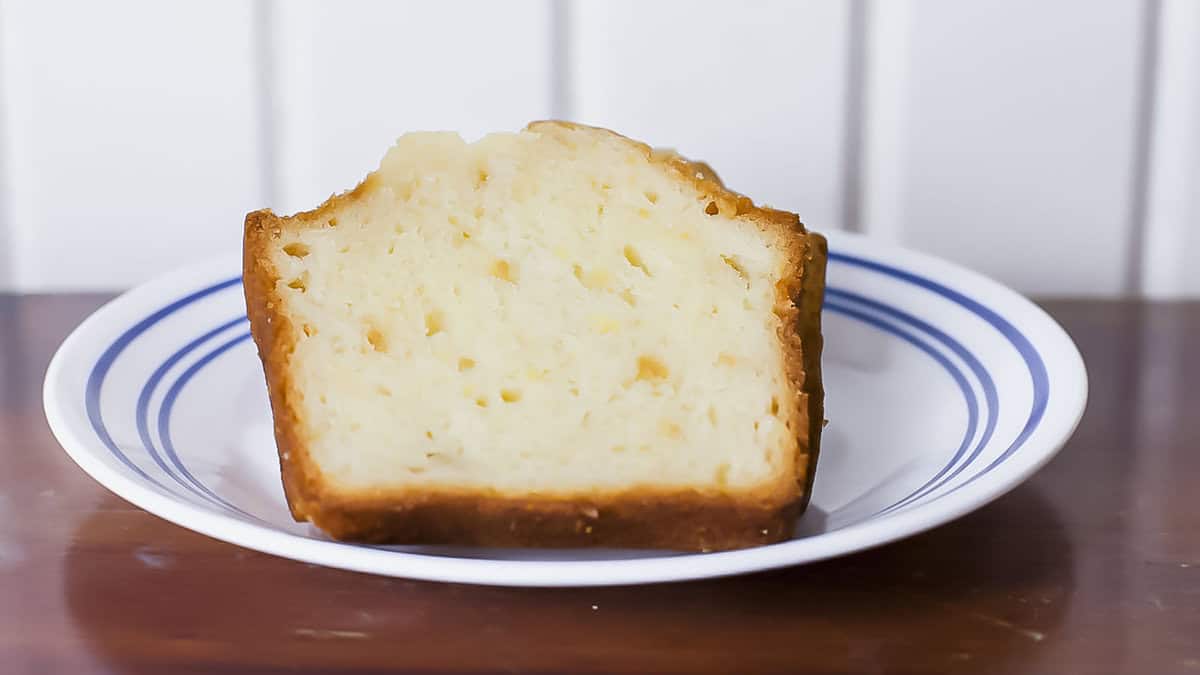
Preheating creates a sudden burst of heat that causes fast rising on the outside while the center catches up. That leads to doming, cracking, or a dry edge. A cold start lets the batter heat evenly from the beginning. The leavening works slowly, the butter and sugar emulsify more gently, and the whole cake develops deeper flavor through longer exposure to moderate heat. The texture ends up denser, more velvety, and moist throughout which is exactly the way many old family recipes turned out without anyone realizing why.
How to Use the Cold-Oven Method
Use any pound cake, butter cake, or dense layer cake recipe. The more traditional, the better.
- Prepare the batter as usual.
- Grease and flour your pan (or use parchment).
- Pour in the batter and smooth the top.
- Place the pan in the cold oven. Set the temperature to what the recipe calls for (usually 325°F or 350°F).
- Bake as directed, but check 5 to 10 minutes early since ovens vary. A toothpick should come out with a few moist crumbs.
- Let the cake cool in the pan 10 minutes before turning out.
What People Are Saying
People trying this method on forums and recipe comments call it a revelation. Many say their pound cakes finally taste “just like grandma’s” with a richer taste and far less prone to cracking or dryness. One baker noted the center stayed moist for days longer than usual. Others mention it brings back the exact flavor memory from childhood without changing ingredients.
Before You Try It
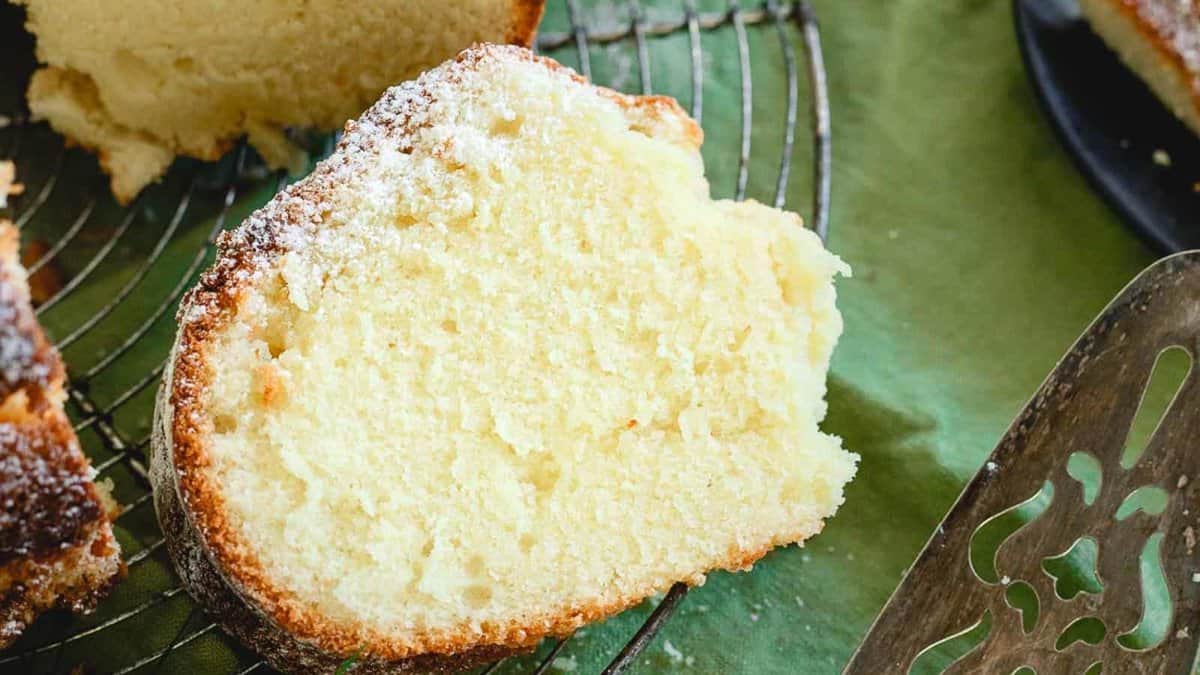
This method shines with dense, butter-heavy batters, avoid trying it with lighter sponge cakes or chiffons which often fall flat. Use an oven thermometer to confirm your temperature; older ovens can run hot or cool. Do not open the door too early or the cake may sink. If your recipe calls for a very high temperature (375°F+), test a small batch first. Aluminum pans heat more evenly than glass or dark metal for this technique.
Alternatives
Lower the oven temperature by 25°F and add 5 to 10 minutes to the bake time for a gentler rise. Use a water bath around the pan for extra moisture and even heat. Add an extra egg yolk or a spoonful of sour cream for richness and tenderness. The goal is recreating that slow, gentle bake that gives classic cakes their signature feel.
This forgotten cold-oven technique is bringing back that comforting, homemade taste many people miss. It requires no new ingredients or equipment, just a change in when you turn on the oven. Next time you bake a pound cake or butter cake, try it. You might find the flavor and texture take you right back to grandma’s kitchen.

Gina Matsoukas is an AP syndicated writer. She is the founder, photographer and recipe developer of Running to the Kitchen — a food website focused on providing healthy, wholesome recipes using fresh and seasonal ingredients. Her work has been featured in numerous media outlets both digital and print, including MSN, Huffington post, Buzzfeed, Women’s Health and Food Network.