

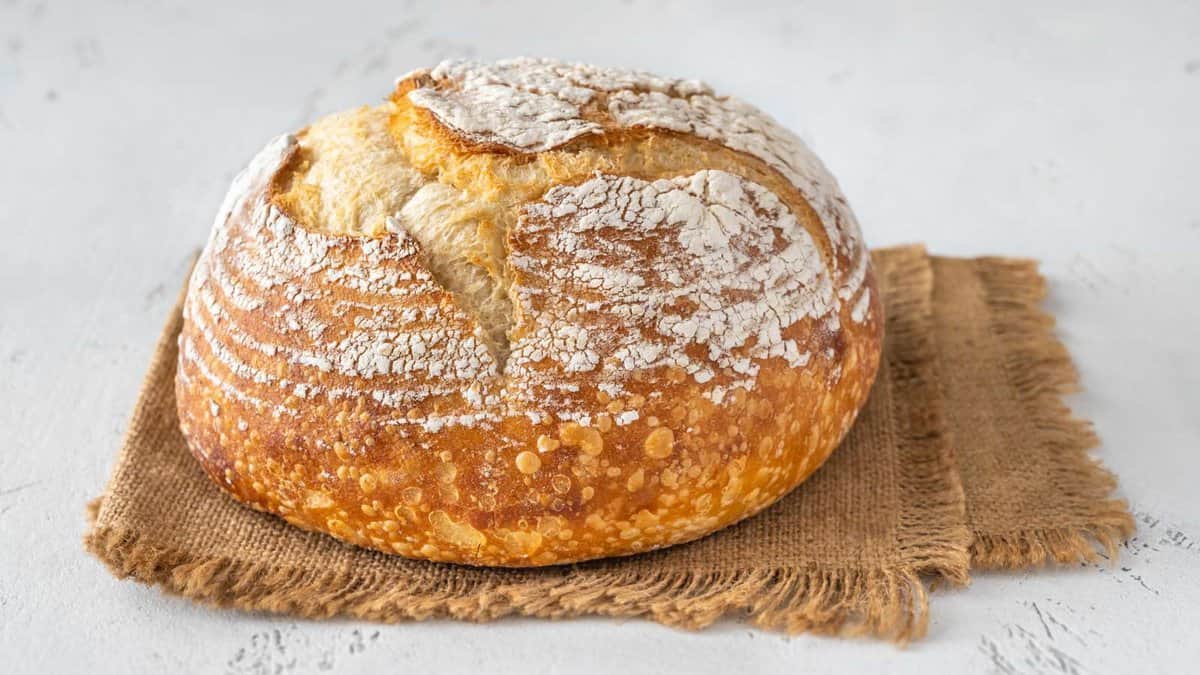
Sourdough bread seems to be everywhere again. Scroll through social media and you’ll see crackly crusts, bubbling starters and proud bakers slicing into fresh loaves. That constant stream of bread content has helped push sourdough back into the spotlight and it’s even led to a wave of small solo bakeries popping up in neighborhoods and farmers markets. What used to be a home baking hobby for many people turned into side businesses and full-time jobs for some. At the same time, bigger bakeries leaned into the trend because customers clearly want it. The result is a bread that suddenly feels impossible to avoid.
People care more about how their food is made
For a long time bread was just bread. Most people grabbed whatever loaf sat on the grocery shelf and didn’t think twice about it. That’s shifted a lot in the past decade. People read labels more closely and want to know what’s actually in their food. Sourdough stands out because the ingredient list is simple. Flour, water and salt, nothing more.
The fermentation process replaces commercial yeast and creates flavor naturally. That old school method feels more transparent to a lot of people compared to the long ingredient lists on most packaged breads.
The flavor is hard to beat
One bite explains part of the hype. Sourdough develops flavor slowly while the dough ferments. That process creates a tangy taste that regular sandwich bread usually doesn’t have. It also produces the crackly crust and chewy interior that people love.
Compared to soft store loaves, sourdough is more substantial. Even a simple sandwich tastes different when the bread has more texture and flavor.
The pandemic baking boom never fully went away
Sourdough exploded in popularity during the early pandemic years when people suddenly had time to bake at home. Flour disappeared from grocery shelves and sourdough starters became a small internet phenomenon.
Even though life returned to normal, that interest stuck around. Many people kept their starters alive and bakeries leaned into the demand.

It fits the “slow food” mindset
Sourdough takes patience. The dough ferments for hours or even overnight before baking. That slower process appeals to people who like the idea of traditional cooking methods. In a food culture filled with shortcuts and convenience products, sourdough feels like the opposite. It takes time and attention.
Bakeries know people will pay for it
There’s also a simple business reason sourdough keeps showing up everywhere. People are willing to spend money on it. A basic grocery store loaf might cost a few dollars. A bakery sourdough loaf can easily run three to four times that price. Customers see the crust, the airy crumb and the long fermentation process and understand why it costs more.
It works for more than just bread
Sourdough also moved beyond the classic round loaf. Bakeries now use sourdough starters in everything from bagels to pizza dough to waffles. The fermentation adds flavor without needing extra ingredients. Restaurants have leaned into it too. Toast served with eggs, soups or salads often comes from a sourdough loaf because it holds up well and adds character to simple dishes.

Social media helped keep the trend alive
Bread might seem like a boring topic, but sourdough has a surprisingly big presence online. People love posting photos of crackly crusts, airy crumb patterns and bubbling starters. Baking communities formed around sharing techniques and troubleshooting dough problems.
Those images spread quickly and make sourdough look both rustic and impressive. Even people who never bake at home still see it constantly in their feeds, which keeps the bread in the spotlight.
Sourdough has always been around
Despite all the recent attention, sourdough isn’t new. Bakers have used natural fermentation for thousands of years. Commercial yeast only became common in the last couple of centuries. What’s happening now is more of a return than a brand new trend. People rediscovered a traditional way of making bread and decided they liked it.

Gina Matsoukas is an AP syndicated writer. She is the founder, photographer and recipe developer of Running to the Kitchen — a food website focused on providing healthy, wholesome recipes using fresh and seasonal ingredients. Her work has been featured in numerous media outlets both digital and print, including MSN, Huffington post, Buzzfeed, Women’s Health and Food Network.