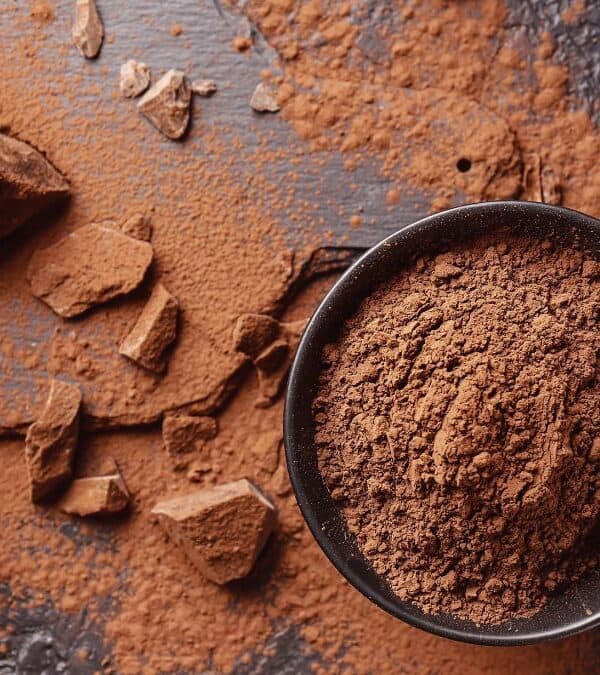


Chocolate has a long history in savory cooking, and once you understand what it brings to a dish, the pairings start to make sense. Mole sauce is the clearest example, where dark chocolate adds depth and steadiness without turning the dish sweet. That same idea carries into other ingredients that benefit from a little bitterness or warmth. Chocolate can soften strong flavors, highlight subtle ones and give a dish more backbone when it needs it. These pairings explain how chocolate fits into savory food in a way that feels natural rather than surprising.

Bacon
Chocolate and bacon work well together because each ingredient fills in what the other lacks. The salt and smoke in the bacon deepen the flavor of the chocolate and keep the sweetness in check. When the chocolate sets around the crisp edges, you get a mix of textures that feels richer than either ingredient on its own.

Potato Chips
Potato chips bring a savory crunch that plays well with chocolate’s smooth sweetness. The starch in the chips softens the intensity of the chocolate while the salt sharpens every bite. Whether dipped or sprinkled into a dessert board, the combination is simple but effective. It illustrates how chocolate can support a savory ingredient without overwhelming it.
Avocado
Avocado works with chocolate because it adds a creamy base without bringing strong flavor of its own. When you blend it into mousse or a smoothie, the avocado helps the chocolate taste fuller and smoother. The two ingredients come together in a way that feels natural once you try it, and it’s an easy entry point into savory pairings if you’re not used to them.
Cheese
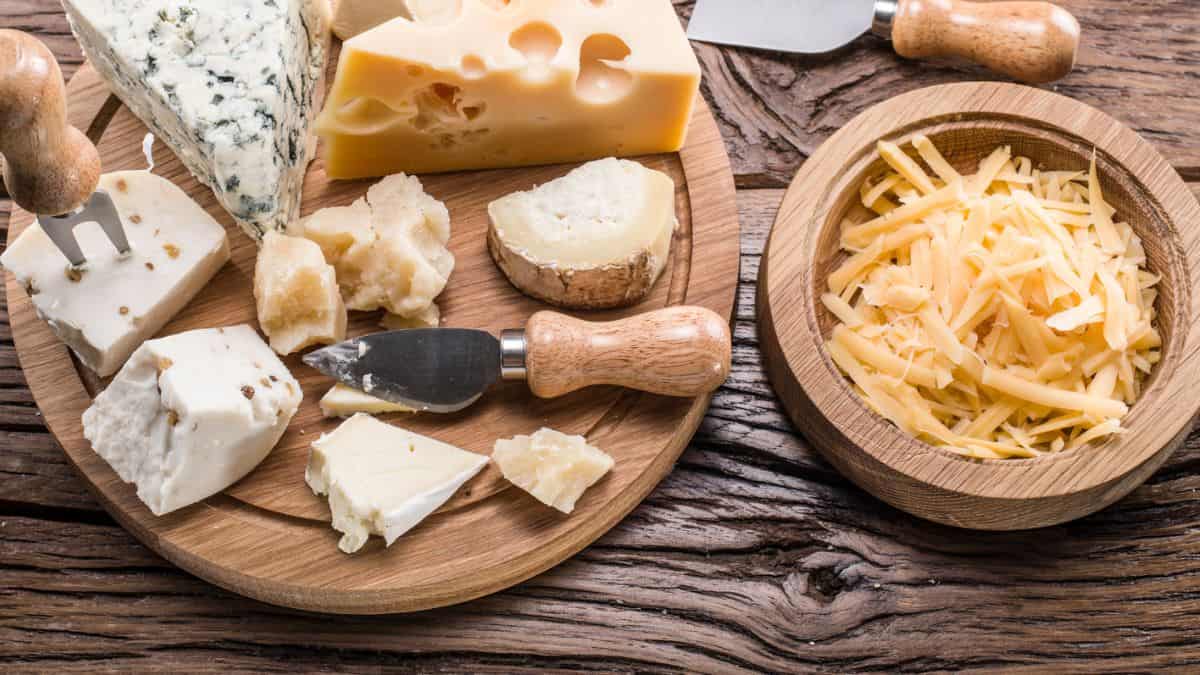
Aged cheese has enough sharpness to stand up to chocolate, which is why the pairing works so well. The salt and richness in the cheese bring out deeper notes in the chocolate, and the chocolate softens the edges of the cheese. When you taste them together, you understand how well sweet and savory can meet in the middle.
Popcorn
Popcorn gives chocolate a light, savory base that keeps the combination from feeling heavy. The salt still shines through, which helps balance the chocolate and brings out more flavor. It turns into a snack that makes sense the moment you try it because both ingredients bring something the other doesn’t.
Chili Peppers
Chili peppers and chocolate have a way of meeting in the middle that feels almost instinctive once you understand how both ingredients behave. The heat wakes up the darker notes in the chocolate and gives it space to show more depth than sweetness alone ever could. You feel the warmth first, then the chocolate settles in behind it, and together they create a flavor that’s steady and grounded. It’s a combination that reminds you that chocolate has a long history in savory cooking, not just desserts.
Bread
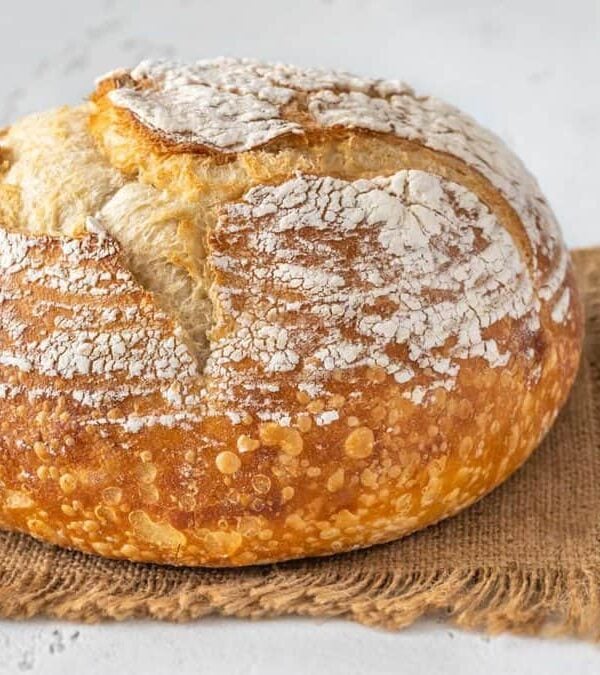
Bread gives chocolate a place to sit that makes the pairing feel more familiar than unexpected. A good loaf brings acidity, grain and a bit of chew, and those elements calm chocolate’s richness in a way that feels natural. When the chocolate softens against warm bread, it becomes something closer to a meal than a treat. You can taste how both ingredients lean on each other, and the simplicity is what makes the pairing work.
Pretzels
Pretzels give chocolate structure and clarity. The salt sharpens the chocolate, the crunch keeps things honest and neither one tries to overpower the other. You get a bite that feels balanced from the start, with each ingredient doing exactly what it does best. It’s a straightforward pairing, but when you pay attention to how the flavors line up, it makes more sense than you expect.
Red Meat
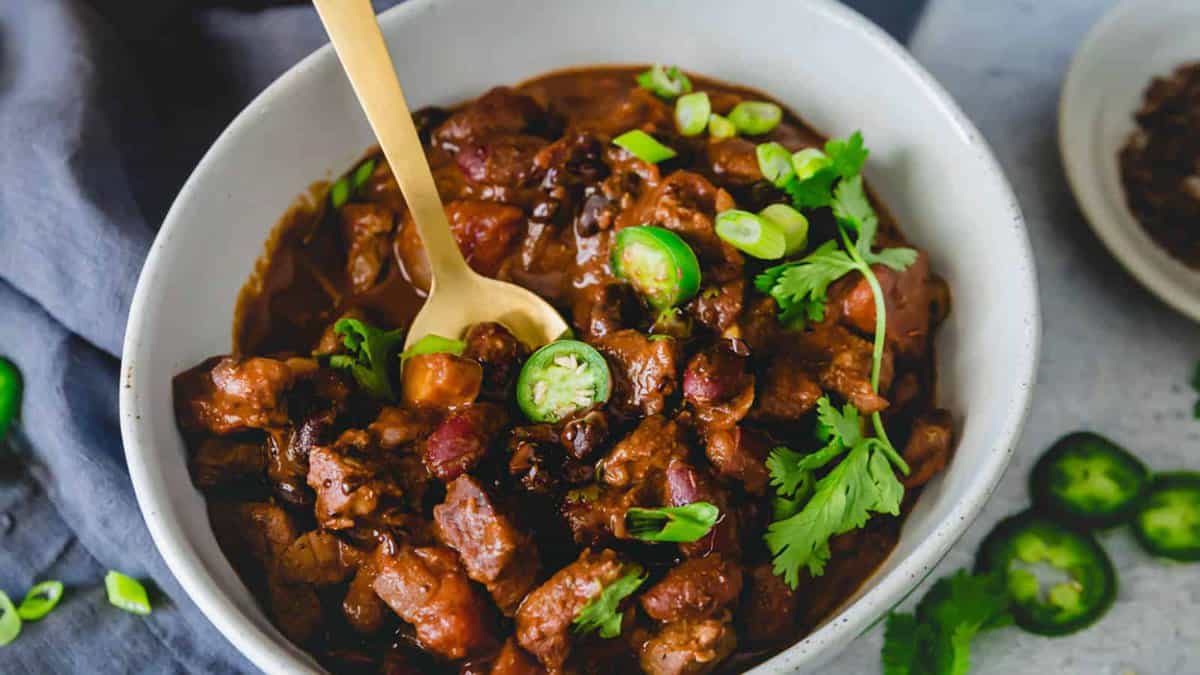
Red meat benefits from chocolate in a way that shows how versatile chocolate really is. A small amount of dark chocolate rounds out the savory richness and brings a quiet bitterness that ties everything together. It doesn’t make the dish taste sweet. It simply deepens the flavor and gives the sauce a steady backbone. Mole is the best-known example, but the idea works anywhere you want more depth without adding heaviness.
Olive Oil
Olive oil and chocolate create a pairing that feels refined without trying too hard. Good olive oil carries fruity, grassy notes that lift the chocolate rather than weigh it down. When you taste them together, the flavors fall into place with a calm sort of confidence. The olive oil stretches the chocolate’s richness and brings out nuances you might not notice otherwise. It’s one of those pairings you appreciate more with each bite.
Peanut Butter
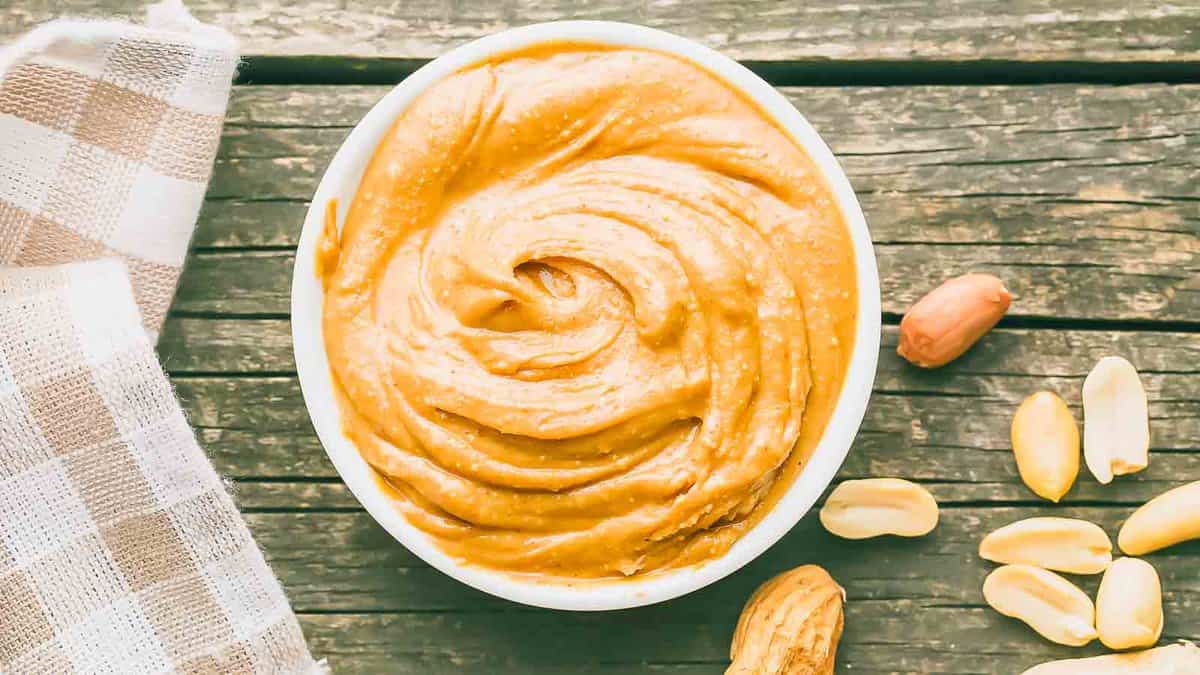
Peanut butter gives chocolate something solid and savory to lean on. The salt and nuttiness settle into the chocolate and make the entire mixture taste fuller and more grounded. It’s familiar, but when you think about why it works, it’s because both ingredients offer real weight and presence. Together they create a flavor that feels complete in a way neither achieves alone.
Sea Salt
Sea salt changes how chocolate tastes by revealing what’s already there. It brings out sweetness without letting it take over and adds a gentle savoriness that rounds out each bite. When the salt hits the chocolate, everything sharpens for a moment, then softens again. It’s simple, but the effect is striking and shows how easily chocolate responds to contrast.
Coffee
Coffee deepens chocolate by giving it a partner with the same kind of strength. The bitterness in the coffee steadies the richness of the chocolate and makes both flavors feel richer. It’s a pairing that shows how shared characteristics can create harmony rather than competition. Once you taste them together, it’s hard to imagine one without the other.

Citrus
Citrus gives chocolate a lift that feels almost refreshing. The acidity brightens the cocoa and cuts through any heaviness, leaving the flavor cleaner and more focused. Orange and dark chocolate are the classic example, but the same idea works with lemon when you want something sharper. The combination feels balanced in a way that sneaks up on you because it uses contrast to create clarity.
Ginger
Ginger brings warmth that settles into chocolate rather than sitting on top of it. The spice adds movement, the chocolate adds steadiness, and together they create a flavor that feels anchored but still lively. It’s the kind of pairing that makes sense once you slow down and really taste what each ingredient contributes. It’s not dramatic, but it’s undeniably satisfying.
*Select images provided by Depositphotos.

Gina Matsoukas is an AP syndicated writer. She is the founder, photographer and recipe developer of Running to the Kitchen — a food website focused on providing healthy, wholesome recipes using fresh and seasonal ingredients. Her work has been featured in numerous media outlets both digital and print, including MSN, Huffington post, Buzzfeed, Women’s Health and Food Network.