

Tea has a rich history and a sense of ritual that’s made it a favorite around the world. Making the perfect cup might seem simple, but small details can make all the difference. Here’s a step-by-step guide to help you brew tea that feels just right, every single time.
Save this recipe!
Coffee might be the go-to in many American kitchens, but tea brings a slower rhythm that feels calming and restorative. It can be a quiet start to the morning or a simple way to wind down after a busy afternoon or before bed. The sound of the kettle and the aroma as the leaves steep create a small break in the day that feels grounding. Taking that moment sets the tone for a cup that’s both comforting and intentional.
Choosing your tea
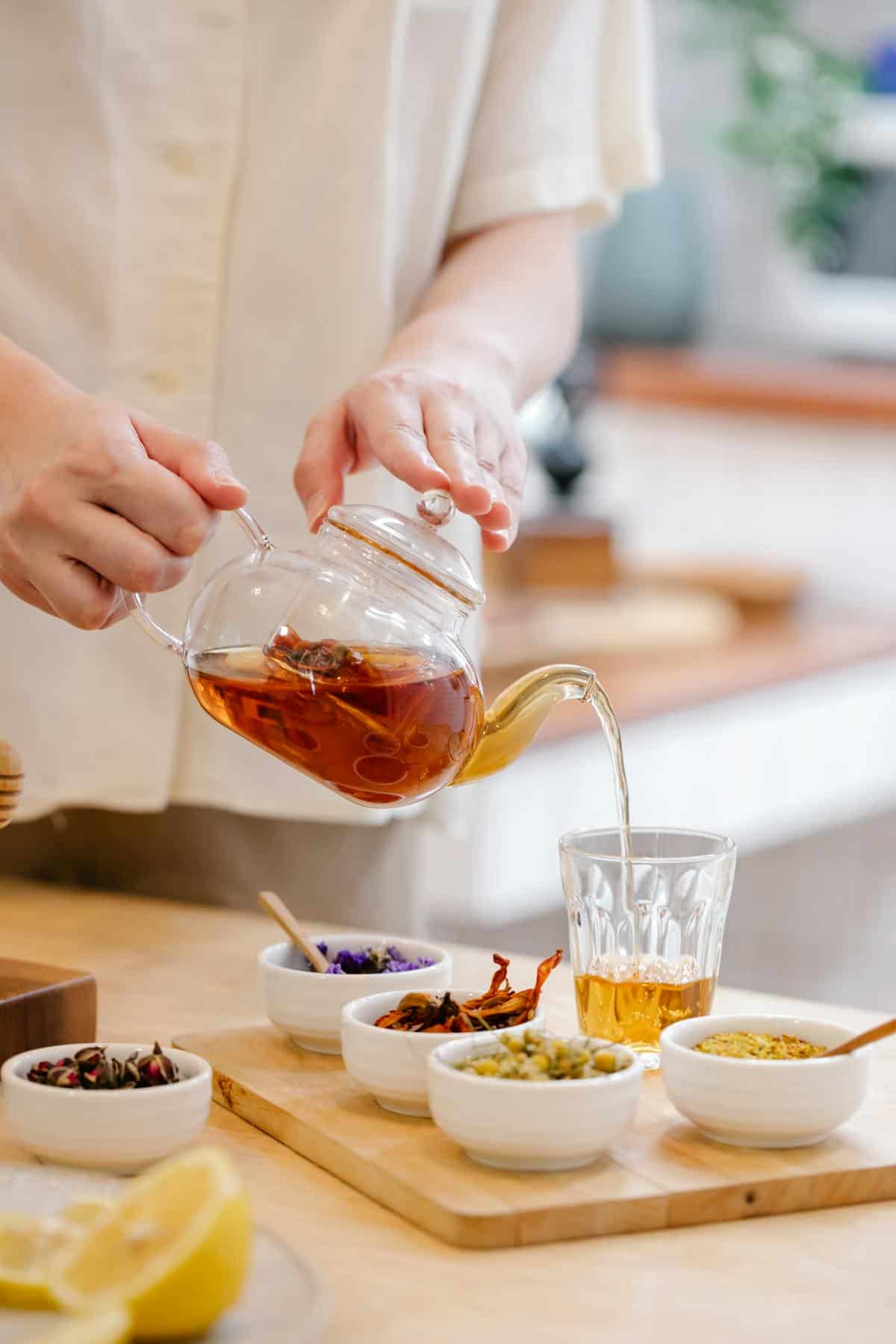
The first step to making a great cup of tea is picking the right one. With so many options from black to green, white, oolong and herbal, it’s easy to feel overwhelmed. Each type has its own flavor profile, caffeine level and even mood it sets.
Black tea is bold and energizing, perfect for mornings, while green tea offers a light, earthy flavor that feels more calming. Herbal teas like chamomile or peppermint skip the caffeine altogether and are ideal for winding down at night.
Loose-leaf tea tends to deliver more flavor and quality than tea bags, but that doesn’t mean you have to ditch the bags completely. A high-quality bag can still make a solid cup, especially if you’re short on time. If you’re just starting out, try sampling a variety to figure out what you like best. Local tea shops or online samplers are great places to explore.
The role of water
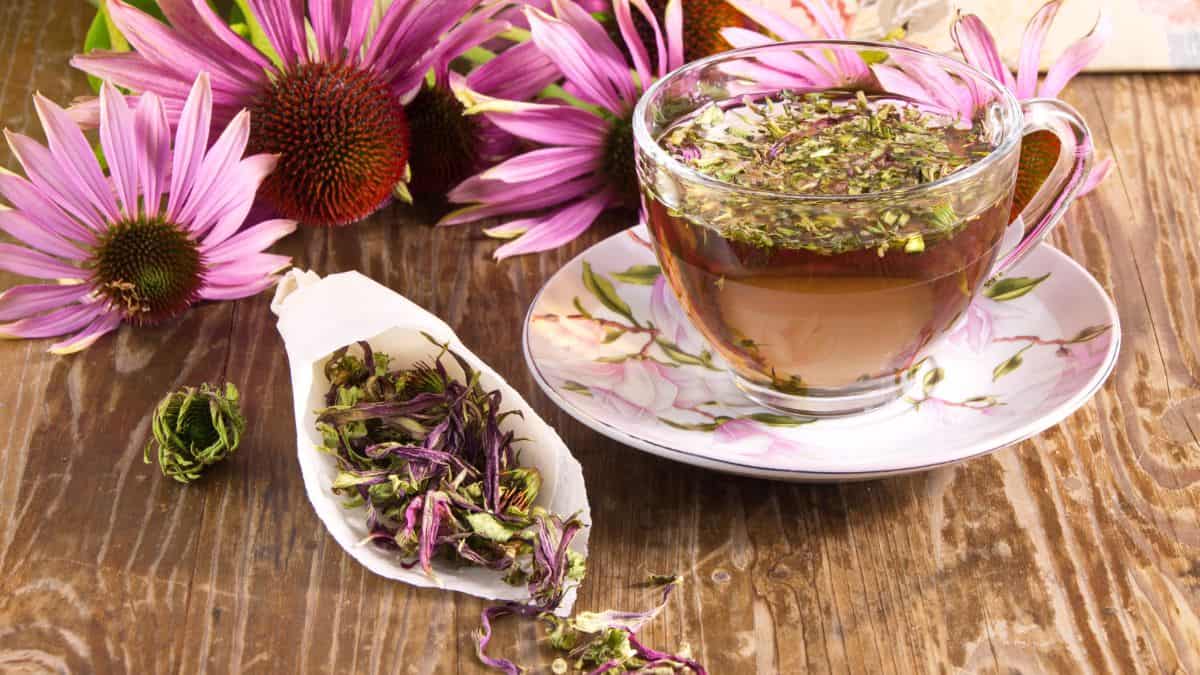
Water is the backbone of a good cup of tea, and its quality and temperature can make or break the brew. Filtered water is the best choice to avoid any unwanted flavors from tap water, but if tap is what you have, let it run briefly before filling the kettle to clear out any lingering tastes. Fresh water is always best as re-boiling can strip oxygen, leaving your tea tasting flat.
Temperature matters just as much as water quality. Black tea does best with boiling water, but green and white teas are more delicate and need cooler water, usually around 160-185°F, to prevent bitterness. Herbal teas fall somewhere in between, depending on the ingredients. If you don’t have a thermometer, letting boiled water cool for a minute or two works well for most lighter teas.
“When I’m aiming to brew the perfect cup of tea, I stick to the traditional methods. I prefer Ceylon black tea and always opt for quality loose-leaf tea, which offers a richer flavor compared to teabags. A proper teapot is essential for this process, and I make sure to use a tea cozy to keep the tea hot as it steeps for 4 minutes before I pour.”
— Mandy Applegate, My Reliable Recipes
Measuring tea for consistency
The right tea-to-water ratio is the key to unlocking balanced flavor. Too little tea and your cup tastes watery; too much, and it can be overpowering or bitter. A good starting point is 1 teaspoon of loose-leaf tea, or one tea bag, per 8-ounce cup of water. You might prefer slightly more for stronger teas, like black or oolong, while delicate teas like white or green may need less. Finding the sweet spot is similar to a cup of coffee, everyone’s preference may be a little different.
Investing in a small kitchen scale can make a big difference, especially if you’re experimenting with loose-leaf teas. Measuring by weight is more precise, as tea leaves vary in size and density. However, if you’re sticking with teaspoons, just aim for level scoops for consistency.

Brewing time
The perfect brew time can make or break your tea. Too short, and it’s weak; too long, and you’re stuck with bitterness. Each type of tea has its sweet spot.
- Black tea: 3-5 minutes
- Green tea: 2-3 minutes
- Herbal teas: up to 7 minutes
If you’re unsure, start with the lower end of the time range and adjust based on taste.
Serving and customization
How you finish your tea is just as personal as the tea itself. Some people prefer it plain, letting the natural flavors take center stage, while others enjoy a splash of milk, or turning it into a tea latte, a drizzle of honey, or even a wedge of lemon.
Chai and black teas pair well with milk and sugar, while green and white teas are often best left untouched to preserve their delicate notes. Herbal teas, on the other hand, can handle creative additions like cinnamon, ginger or fresh mint.
Customizing your tea isn’t about strict rules, as this apple cider tea recipe illustrates, it’s about finding what makes it yours. Some people keep it simple, while others experiment with flavors and both are perfectly fine. The way you serve your tea can make it feel like something special, just for you.
Troubleshooting common mistakes
Small missteps can throw off a good cup of tea even with the simplest ingredients. Some of the most common problems and their fixes include:
- Bitterness: Often caused by over-steeping or using water that’s too hot. Adjust the brew time or let the water cool slightly before steeping.
- Weak flavor: Usually the result of too little tea or a short brewing time. Increase the tea leaves slightly or let it steep a bit longer.
- Flat taste: Re-boiled water is often to blame. Always start with fresh, cold water for the best flavor.

Creating the atmosphere
Tea isn’t just about what’s in the cup, it’s about the ritual surrounding it. The British turned tea into an institution with afternoon tea, complete with proper cups, plates and an entire set time to sit and enjoy it.
While your own tea time doesn’t need to be so formal, there’s something to be said for creating a moment that feels purposeful. Whether it’s choosing a favorite mug or sitting in a quiet corner, small touches can turn a simple drink into a pause that feels more meaningful.
Enjoying the perfect cup
The perfect cup of tea comes down to paying attention to the small things: Choosing the right tea, using fresh water and giving it the time it needs. These simple steps can transform a daily habit into something more enjoyable. Tea has long been a symbol of connection and care, and with a little thought, it can become a comforting ritual in your own home.

Gina Matsoukas is an AP syndicated writer. She is the founder, photographer and recipe developer of Running to the Kitchen — a food website focused on providing healthy, wholesome recipes using fresh and seasonal ingredients. Her work has been featured in numerous media outlets both digital and print, including MSN, Huffington post, Buzzfeed, Women’s Health and Food Network.