

A lot of recipes rely on sugar, cream or cheese to make food taste good, but those aren’t the only ways to build flavor. Aromatics, acids, spices and textures can create just as much depth without the extra caloric load.
Restaurant food often tastes richer because they’re not afraid of salt, acid and high heat. Most people who are cooking at home under-season, overcrowd pans and pull vegetables before they’re browned and crispy. You don’t necessarily need more butter or cheese, most of the time, you just need to cook things longer and season more confidently. Here are the flavor-building tricks I use most often in my own cooking.
Start with aromatics
Most flavorful meals begin the same way with something aromatic hitting a hot pan and that glorious smell that resonates throughout the whole house. Onion, garlic, shallots and scallions create a savory base that sets up the rest of the dish. As they cook, their natural sugars slowly develop and deepen the flavor without adding any actual sugar.
This step is where the magic happens. Letting onions soften and lightly brown in olive oil before adding anything else builds complexity that will carry through the entire meal. Ginger, celery and fennel work the same way, especially in soups, stews and grain dishes.
I rarely start cooking without this step. A pan of onions and garlic slowly cooking in oil sets the foundation for what comes next.
Use acid to brighten and balance
Acid is one of the easiest ways to build flavor without relying on cream or cheese. A squeeze of lemon, a splash of vinegar or even a spoonful of pickled vegetables can sharpen the entire dish and make everything taste more defined.
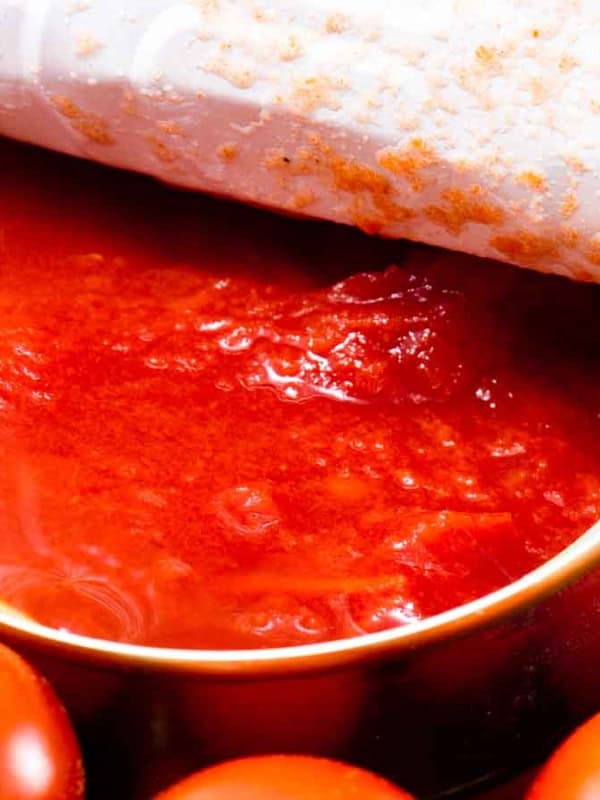
Lemon and lime juice work well with roasted vegetables, seafood and grain bowls. Vinegars, such as balsamic, red wine and rice vinegar, add depth to sauces, marinades and quick pan reductions. Tomatoes bring both acidity and savory richness to everything from soups to skillet meals.
I almost always finish a dish with something acidic. That last hit of brightness wakes up the other ingredients and keeps the flavors from falling flat.
Layer in herbs and spices
Herbs and spices are where a meal develops personality. They add depth and complexity without extra fat or sugar.
Fresh herbs like parsley, cilantro, basil and dill add brightness right at the end of cooking. Dried spices such as cumin, coriander, smoked paprika and turmeric can build warmth and structure earlier on in the cooking process. Toasting spices in oil for a minute before adding other ingredients helps release their oils and intensifies their flavor.
I try to season in stages rather than all at once. A pinch of spice while aromatics cook, another layer during the main cooking step and fresh herbs at the end creates a much fuller flavor than dumping everything in at the beginning.
“I lean hard on lemon juice, vinegar and fresh herbs. A squeeze of lemon or a splash of vinegar can wake up a whole dish, and herbs bring so much flavor.”
— Bella Bucchiotti, xoxoBella
Build texture into the dish
Texture plays a bigger role in flavor than most people realize. When everything on the plate is soft, it often feels like something is missing. Adding contrast keeps a meal interesting even without creamy ingredients.
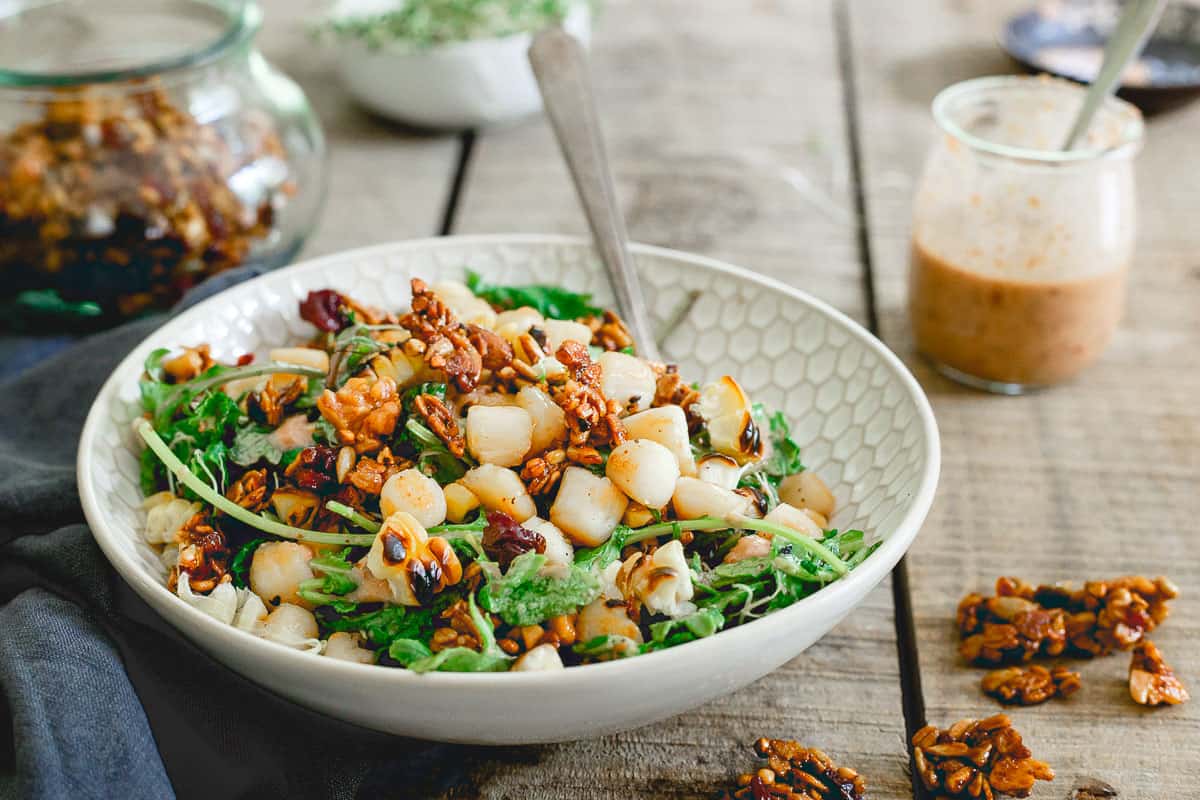
Roasted vegetables with browned edges bring a little chew and caramelization. Toasted nuts and seeds (savory granola is perfect for this) add crunch and richness without needing cheese. Crispy chickpeas, pan-seared proteins and even a handful of fresh raw vegetables can create the kind of textural balance that makes a dish feel complete.
I think about texture almost as much as seasoning. A grain bowl, salad or roasted vegetable dish almost always benefits from something crunchy layered in at the end.
Lean on umami-rich ingredients
Umami is the deep, savory flavor that often makes people think a dish needs cheese or cream. There are plenty of ingredients that deliver that same richness without either one.
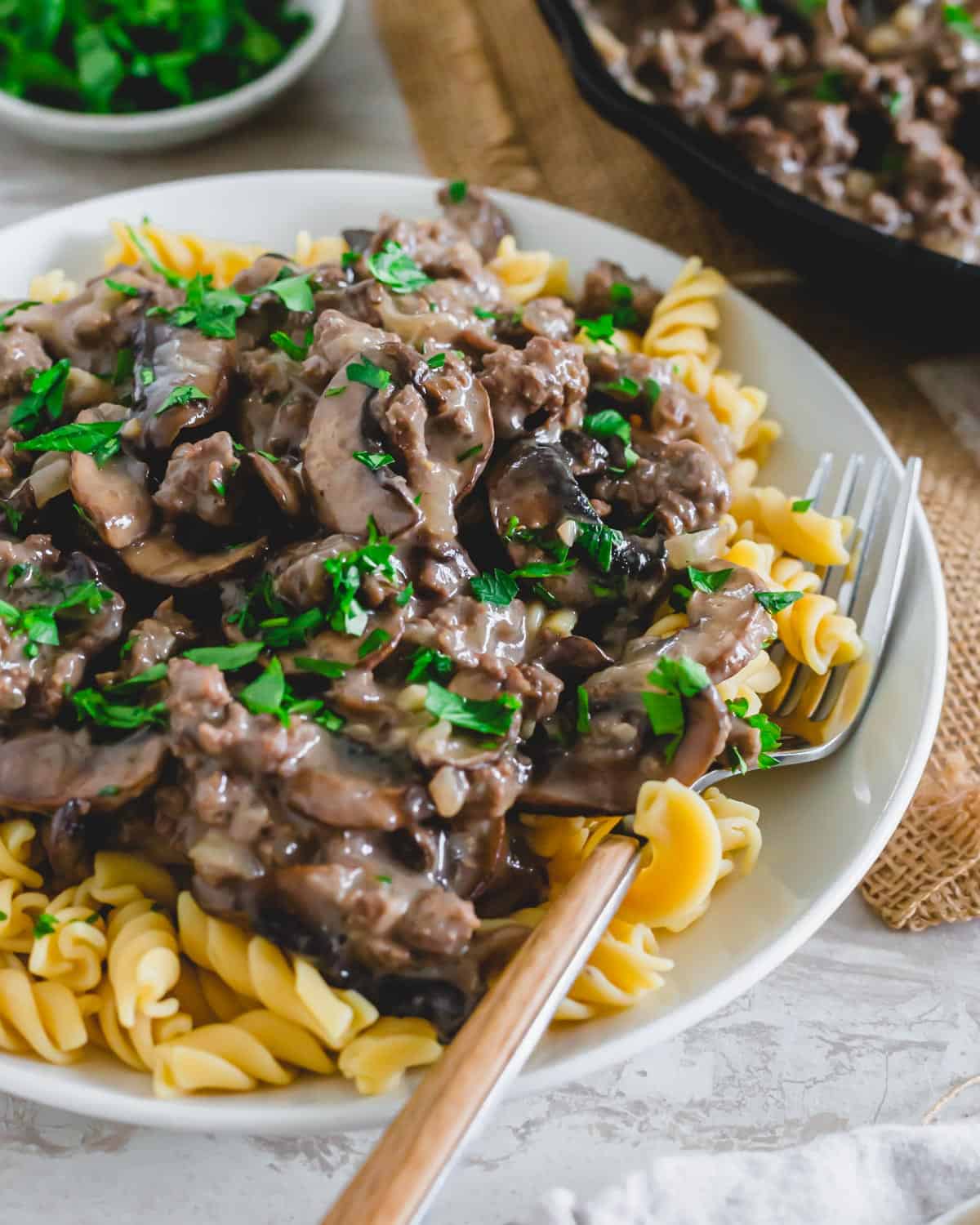
Mushrooms are one of the easiest ways to incorporate it. When they’re browned properly, they develop a concentrated, almost meaty flavor that works in everything from grain bowls to pasta sauces. These pan-seared lion’s mane mushrooms are the perfect example of that. Tomato paste does something similar. Cooking it for a minute or two in oil before adding liquid intensifies its savory depth.
Other pantry staples like soy sauce, tamari, miso and even a small amount of fish sauce can quietly boost flavor in soups, stir-fries and marinades. You don’t need much; a spoonful can make the entire dish taste more complete.
Roast and brown whenever possible
High heat is one of the easiest ways to build flavor without adding anything extra. Roasting and browning create caramelized edges that add depth and complexity to ingredients that might otherwise taste flat.
Vegetables are the best example. Broccoli, cauliflower, carrots and Brussels sprouts all transform in the oven or air fryer as their natural sugars concentrate and their edges turn golden. That bit of browning adds richness that you’d otherwise try to recreate with butter or cream.
The same principle applies to proteins. Taking the time to sear chicken, fish or tofu properly creates a flavorful crust that carries through the entire dish. A good brown surface adds a surprising amount of flavor before any sauce or seasoning even comes into play.
Build sauces without cream
A sauce can still feel rich and cohesive without relying on cream or cheese. The key is using ingredients that add body while keeping the flavors balanced.
Blended vegetables are one of the easiest ways to do this. Roasted cauliflower, squash or carrots can be pureed into a smooth base for soups and sauces, as this creamy butternut squash pasta illustrates. Beans and lentils also work well, creating thickness while adding protein and fiber.
Tahini and nut butters also bring structure to dressings and sauces. Whisked with lemon juice, vinegar and a little water, they turn into a creamy mixture that works well over roasted vegetables, grain bowls or grilled proteins. Olive oil emulsified with acid can do something similar, creating a sauce that coats everything without feeling overly heavy.
Balance is what makes a dish work
All of these elements matter most when they’re working together. Salt, acid, heat, bitterness and natural sweetness from ingredients themselves all play a role in how a dish tastes.
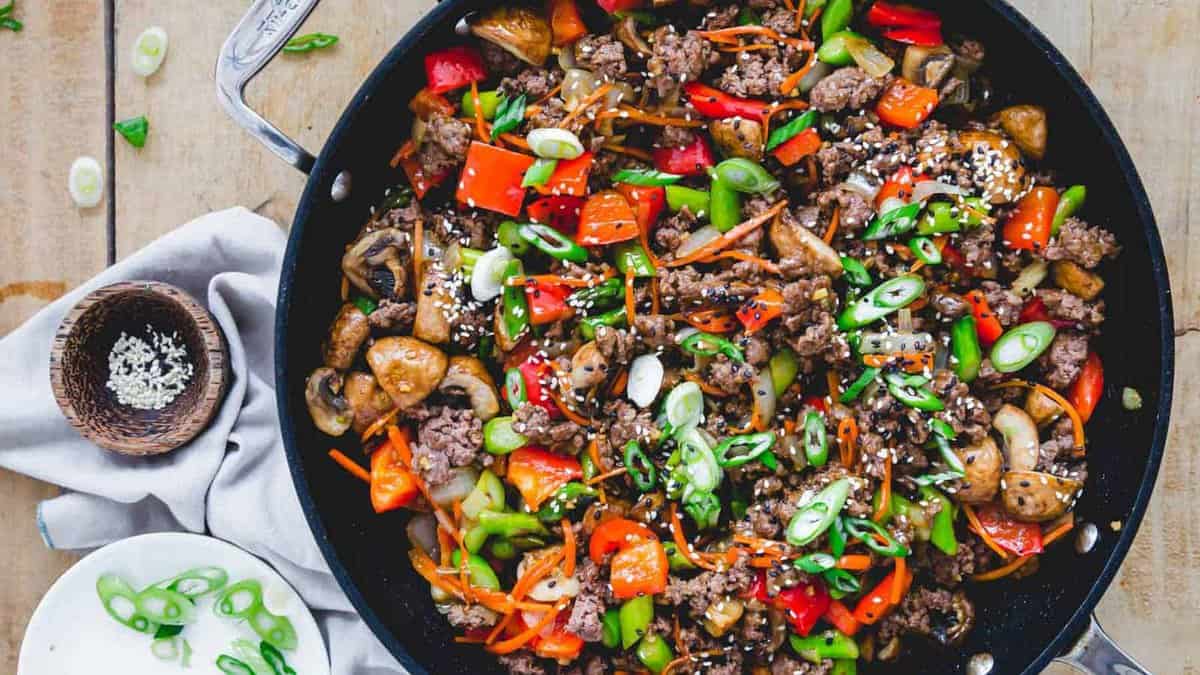
A squeeze of lemon can make roasted vegetables pop. A pinch of salt can bring out the sweetness in tomatoes or carrots. Even a small amount of bitterness from greens like arugula or radicchio can balance a dish that might otherwise taste one note.
I taste as I cook and adjust as I go. Sometimes a dish doesn’t need more seasoning at all; it just needs a splash of acid or a little more salt to bring everything into focus.
Flavor comes from technique
Cooking without sugar, cream or cheese doesn’t mean sacrificing flavor. It shifts the focus to techniques and ingredients that naturally build depth.
Starting with aromatics, layering spices, adding acidity and using high heat all work together to create meals that taste complete on their own. Once you get comfortable using those tools, it becomes much easier to cook dishes that feel balanced, interesting and satisfying without leaning on the usual high-calorie standbys.

Gina Matsoukas is an AP syndicated writer. She is the founder, photographer and recipe developer of Running to the Kitchen — a food website focused on providing healthy, wholesome recipes using fresh and seasonal ingredients. Her work has been featured in numerous media outlets both digital and print, including MSN, Huffington post, Buzzfeed, Women’s Health and Food Network.