

Before you pack your bags and head out for some well-earned summer fun, don’t forget one last thing: the fridge. It’s easy to overlook when you’re making your to-do lists of things you need to get done before you head out the door. A little preparation now can save you from wasted food, wasted money and unwanted (moldy) surprises later.
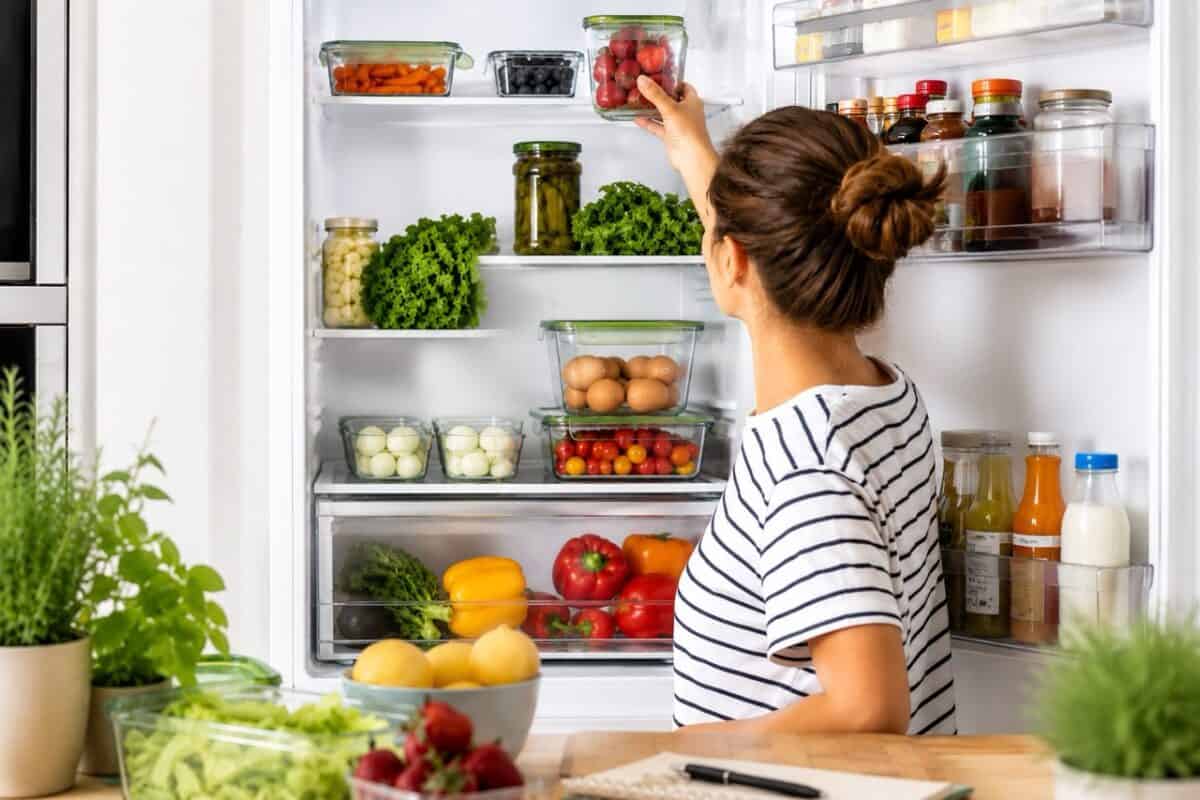
I used to be the person who came home from vacation, dropped my suitcase on the floor and immediately regretted opening the refrigerator. There’d be spinach that turned into green sludge, mystery leftovers I couldn’t even identify anymore and berries that somehow managed to grow an entire science experiment while I was gone.
Now I spend about 20 minutes dealing with the fridge before every trip. It’s one of those things I never want to do, but I’m always glad I did when we get home. Walking into a clean kitchen instead of a smelly one makes jumping back into reality a whole lot easier.
Is this really necessary?
A messy fridge after a trip goes past unpleasant and usually turns into a total waste. Coming home to spoiled produce or fuzzy leftovers means you’re just throwing out money.
Hard-earned money rotting quietly in the fridge is what post vacation nightmares are all about. A quick sort now will mean less waste and a smoother return back into reality.
What to do with all that food
Opening the fridge the week before a trip and seeing it packed with food can be overwhelming. You might be tempted to slam the door and ignore, but instead, let’s take a deep breath and know there’s a simple way to break it down and take action.
Make a plan
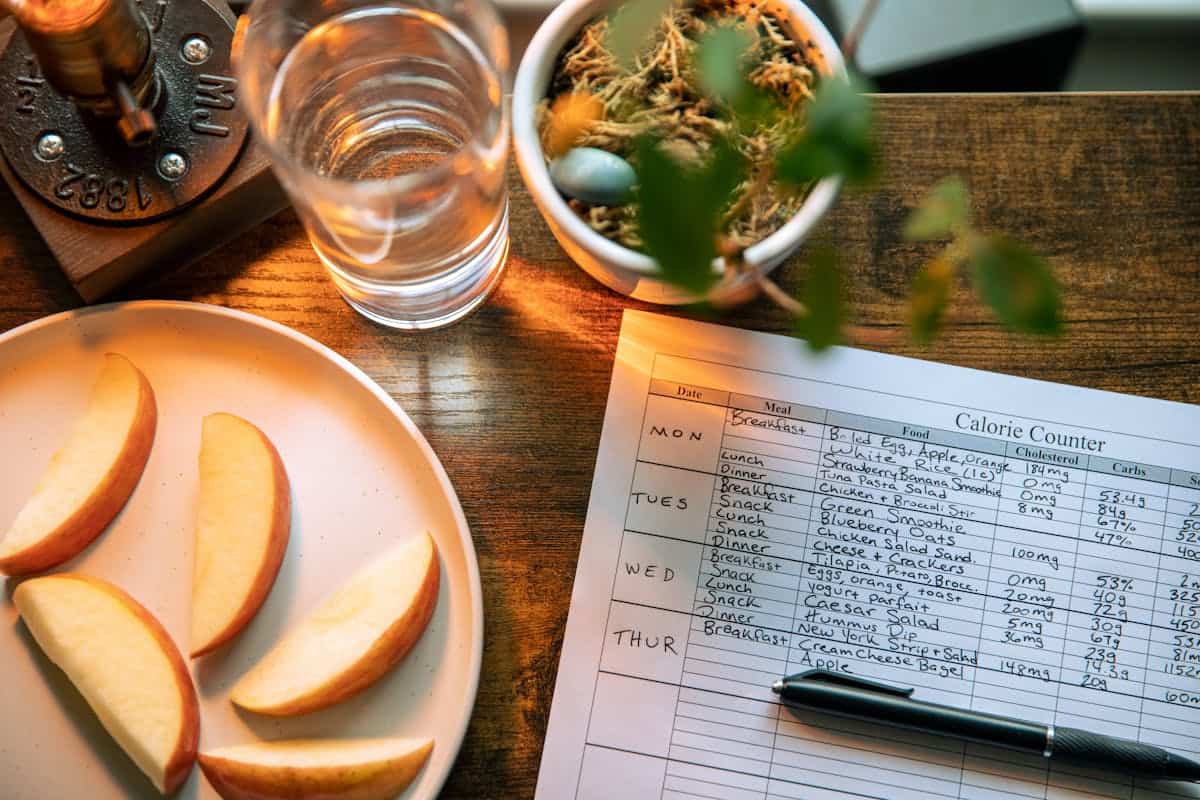
Plan a week or so before your trip. Look at what’s still good and think about your meals for the time you have remaining at home. Eggs, dairy and fresh produce are great to use up in quick meals before you leave.
Some items can be stored in the freezer to use later, while others will last until you return from your trip.
This is also a great week to stop buying groceries like you normally would. Instead of planning four or five new recipes, build meals around what’s already in the refrigerator. That random zucchini, half an onion, leftover rotisserie chicken and handful of spinach can all become dinner with a little creativity.
I also avoid buying anything highly perishable during the last few days before we leave unless I know exactly when I’m using it. It might not make for the most exciting grocery trip, but it saves throwing away food a week later.
Toss it
Sadly, some things can’t be saved. Think of little bits of leftovers, open containers you won’t use or items already past their prime. It’s okay to let those go; they probably should have been tossed a while ago if they’re already past their prime.
Share it
If you have unopened items or extras in the fridge that you won’t get to, such as opened milk, yogurt and soft cheeses, offer them to a friend, neighbor or relative. If you’re not going to use fresh fruits, berries or vegetables, consider donating them to a food bank. They take all sorts of produce and are always grateful to have it.
Store it
Longer-lasting items such as condiments and butter can often stay put in the fridge. Just check the dates on commercially made condiments and make sure everything is sealed up.
Likewise, root vegetables like beets or carrots will be just fine, but fresh fruits just won’t last. Many cruciferous veggies like cabbage or cauliflower can keep in the fridge for several weeks.
Use it up
If you’re staring at a refrigerator full of odds and ends, try building meals around ingredients instead of recipes.
- Toss vegetables into an omelet or frittata.
- Make a big salad using leftover produce and cooked chicken.
- Blend overripe fruit into smoothies.
- Turn vegetables into soup.
- Use herbs in pesto or freeze them in olive oil cubes.
- Throw nearly any vegetables into fried rice, tacos or pasta.
You don’t need to create gourmet meals during the week before vacation. The goal is simply to eat what you’ve already paid for.
Get to work
Once you’ve gone through the fridge and sorted everything, it’s time to do the work. Make the meal plan, toss what’s going bad, freeze what you can and pass along the rest. The sooner you start, the less gets wasted.
While you’re at it, wipe out the fridge since you’ve probably been meaning to do that for awhile now anyway. If you’ve emptied most of the shelves anyway, take an extra five minutes to pull out the produce drawers and give them a quick wash with warm soapy water. Wipe down any sticky shelves, toss expired condiments you found hiding in the back and replace your box of baking soda if you keep one in the fridge for odors.
It doesn’t have to be a deep clean but it’ll make you feel much better when you open those doors for the first time after a week away.
Don’t forget the freezer
Your freezer is your best friend before vacation.
Freeze bread, shredded cheese, cooked meat, stock and even milk if you won’t finish them before leaving. Many fruits are also perfect candidates for freezing if they’re starting to soften. Bananas, berries, peaches, nectarines, mangoes and pineapple all freeze well and can be used later in smoothies, baked goods or desserts.
Just remember to label anything you freeze. Future you probably won’t remember what that unlabeled container is a month from now.
A quick checklist before you leave
Not sure what needs your attention before you leave? Use this simple checklist as a guide. While storage times vary depending on freshness and how long you’ll be away, these are good rules of thumb.
Foods that usually survive vacation
- Butter
- Mustard
- Ketchup
- Pickles
- Jam
- Hard cheeses
- Carrots
- Beets
- Cabbage
- Cauliflower
Foods to use up first
- Berries
- Leafy greens
- Fresh herbs
- Cucumbers
- Mushrooms
- Milk
- Leftovers
- Cut fruit
- Avocados
I’ll never claim cleaning out the fridge is the most exciting part of getting ready for vacation, but it’s one of those chores I’m always glad I did. Coming home to a clean fridge instead of a science experiment is a pretty nice way to end a trip.

Laura Sampson
Laura Sampson of Little House Big Alaska is on a mission to teach modern family-oriented home cooks how to make old-fashioned foods new again. She shares her passion for home cooking, backyard gardening and homesteading on her website and blog.