

Most grocery store staples are consistent, shelf-stable, and easy to mass produce. They do the job, but they rarely stand out. Amish-made foods flip that idea on its head. The focus isn’t on shortcuts or stretching ingredients, but on getting a small number of things right every single time. When you compare them side by side with store-bought versions, the differences are highlighted in texture, flavor, and freshness.
Butter
Amish butter is noticeably different the moment you cut into it. It’s made from fresh cream and churned in smaller batches, which gives it a denser texture and a fuller flavor. The color alone usually gives it away, thanks to cream from grass-fed cows. It melts smoothly, spreads easily, and holds up better in baking than most supermarket sticks.

Cheese
Amish cheese doesn’t try to be flashy, but it doesn’t need to. Whether it’s cheddar, colby, or something aged longer, the flavor comes through clearly without tasting processed or flat. The texture tends to be firmer and more consistent, especially when sliced or melted. It’s the kind of cheese that works just as well eaten on its own as it does cooked.
Maple Syrup
This is real maple syrup in the most literal sense. Amish syrup is made by collecting sap and boiling it down without added sugars or flavorings. The result is thicker, darker, and more robust than many grocery store bottles. A small amount goes a long way, whether it’s used at breakfast or stirred into sauces and baking.
Bread
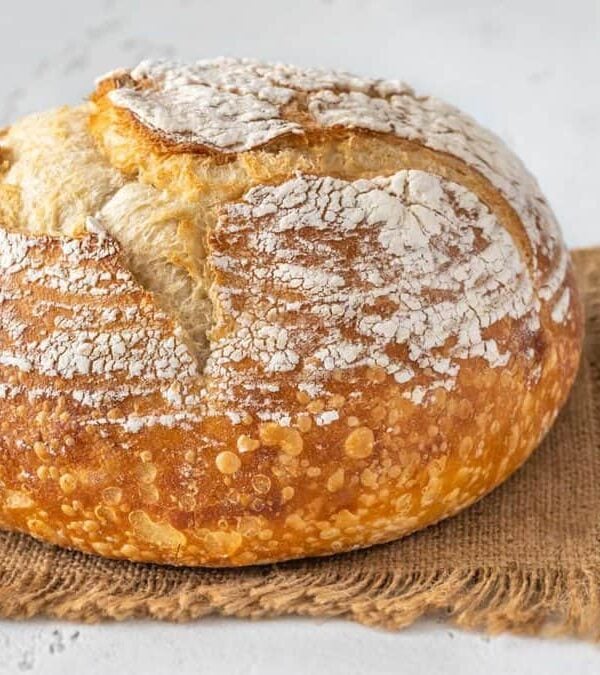
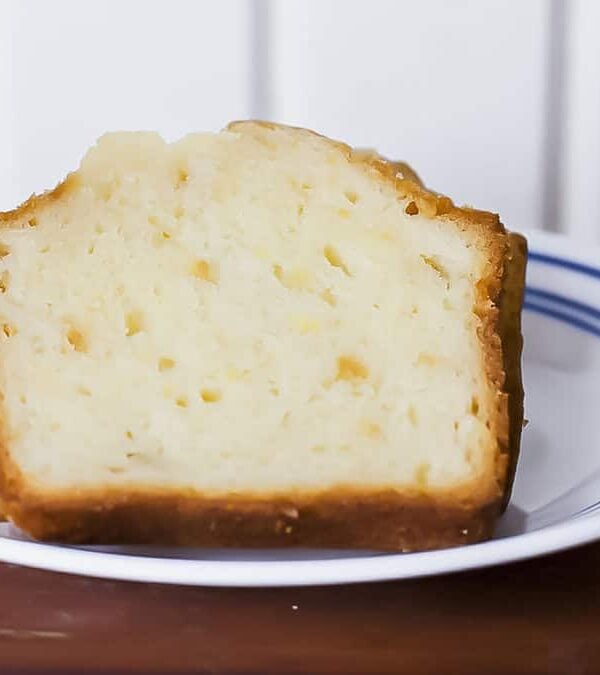
Amish bread relies on simple ingredients and careful timing instead of conditioners and preservatives. The crumb is soft, the crust stays tender, and the flavor has a subtle sweetness without tasting sugary. It makes reliable sandwich bread, but it’s just as good toasted or eaten plain. It also tends to stale naturally instead of turning gummy.

Pickles
Amish pickles are brined with vinegar, salt, and spices, not preservatives or artificial color. The cucumbers stay crisp, and the flavor leans tangy instead of sweet. Each jar tastes slightly different depending on the spices used, which makes them feel less manufactured. They hold their crunch even after opening.
Eggs
Eggs from Amish farms usually come from free-ranging hens, and it shows in both color and flavor. The yolks are deeper in color and richer when cooked. They perform better in baking and hold their shape nicely when fried or poached. They also tend to be fresher than standard grocery store cartons.
Apple Butter
Amish apple butter is thick and slow-cooked, made from apples and spices without relying on excess sugar. The texture is smooth and spreadable, and the apple flavor stays front and center. It works just as well on toast as it does stirred into oatmeal or used as a glaze. It tastes cooked down, not sweetened up.

Canned Vegetables
These vegetables are usually packed shortly after harvest, which helps preserve their flavor and texture. The ingredient lists are short, often just vegetables, water, and salt as it should be. They hold up better in soups and casseroles and don’t taste watered down. They’re especially useful outside of growing season.
Jam and Jelly
Amish jams and jellies lean heavily on fruit instead of sugar. The spreads taste closer to the fruit they’re made from rather than candy. The texture is thick without being sticky or overly stiff. They work for breakfast, baking, or simple desserts without overwhelming everything else.
Amish Noodles
These noodles are thicker and sturdier than most store-bought varieties. They hold their shape in soups and casseroles and don’t fall apart when cooked longer. The texture stays chewy rather than soft or mushy. They’re especially good in brothy dishes where lighter noodles would disappear.

Gina Matsoukas is an AP syndicated writer. She is the founder, photographer and recipe developer of Running to the Kitchen — a food website focused on providing healthy, wholesome recipes using fresh and seasonal ingredients. Her work has been featured in numerous media outlets both digital and print, including MSN, Huffington post, Buzzfeed, Women’s Health and Food Network.