

We all have snacks we reach for time and time again. But sometimes they don’t really do what a snack is supposed to do, which is hold you over for more than a few minutes. If you find yourself looking for more food not long after, it’s usually not about eating too little and more about the snack itself. Some popular choices just don’t pull their weight when it comes to keeping hunger in check and here’s why.
Rice Cakes
Rice cakes might seem like a smart, light choice until you realize they’re basically just puffed air and refined carbs. They disappear in a few bites and barely register as food, which is why hunger comes roaring back not long after. With almost no protein, fat, or fiber, they spike your blood sugar and drop it just as fast. If you’re going to eat one, it needs some assistance in the form of something like nut butter or cottage cheese to turn it into something that satisfies.

Granola Bars
Granola bars have a health halo, but many are closer to candy bars with better marketing. They’re often loaded with sugar, syrups, and processed grains that digest fast and leave you thinking about your next snack way too soon. A bar that barely slows hunger isn’t doing its job, no matter what the wrapper says. If you want one that sticks with you, it needs real protein and fiber, not just oats glued together with sugar and its many aliases — looking at you, brown rice syrup.
Low-Fat Yogurt
Low-fat yogurt sounds like a responsible choice, but removing the fat also removes much of what makes yogurt filling. What’s usually left is a thinner texture and more added sugar to make up for the lost flavor. That combo goes through your system quickly and leaves you unsatisfied. Yogurt works better when it still has some fat and enough protein to keep hunger quiet for a while.
Trail Mix
You’d think trail mix would be a solid snack with its mix of carbs, fat and protein, but the store-bought versions rarely are. Instead of being mostly nuts and seeds, many mixes are heavy on candy, sweetened dried fruit, and chocolate. That turns it into a sugar-heavy handful that disappears fast. A version built around nuts, seeds, and just a little fruit is a much better choice.
Smoothies
Smoothies feel filling while you’re drinking them, but many are mostly liquid fruit and juice, which your body processes quickly. Without much fiber, fat, or protein, they don’t slow digestion the way a snack should. That’s why hunger sneaks back not long after the glass is empty. A smoothie can work, but only if it’s made with more than just fruit and ice.

Veggie Chips
Veggie chips sound like a smarter version of regular chips, but most are just vegetables turned into thin, fried crisps with very little left of their original structure. They crunch like chips and disappear just as fast, without doing much for fullness. It’s easy to eat half a bag and still feel like you haven’t really eaten. Actual vegetables with something creamy or protein-rich alongside them go much further.
Protein Bars
Protein bars should be filling by default, but plenty aren’t. Some pack 250 to 300 calories with barely enough protein to justify the name, which means you’re basically eating a dressed-up candy bar and calling it lunch. A bar that keeps you full should have a meaningful protein payoff for the calories, not just a token amount buried under sugar and fillers. If the protein doesn’t clearly stand out on the label, hunger will eventually win out.
Fruit Juices
Fruit juice feels wholesome, but it skips one of the most important parts of fruit: fiber. Without fiber to slow digestion, the sugar hits fast and fades just as quickly. That’s why a glass of juice rarely replaces actual food, even though it might have the same calories as a whole snack. Whole fruit or blended fruit with the fiber intact does a much better job.
Popcorn
Popcorn is light and fun to eat, but it doesn’t stick with you for very long on its own. It’s mostly carbs with very little protein or fat, so it moves through your system quickly. That’s why you can polish off a bowl and still be rummaging through the pantry ten minutes later. Pairing it with something more substantial like some nuts makes this a more well rounded snack.

Dried Fruit
Dried fruit packs a lot into a small space, but that’s part of the problem. With the water removed, it’s easy to eat a large amount without feeling physically full, while still taking in a lot of sugar. It gives a quick burst of energy but not much staying power. Eating it alongside nuts or yogurt slows things down and makes it act more like a real snack.
Flavored Oatmeal
Instant flavored oatmeal seem like a reliable option, but many packets are more sugar than substance. They digest fast and leave you hungry again far sooner than you’d expect from something that’s marketed as a healthy start to the day. Plain oats with your own toppings take a little more thought but will keep you going longer between meals.
Sugar-Free Snacks
Sugar-free labels can be misleading when it comes to fullness. Artificial sweeteners may cut calories, but they don’t provide the structure that helps a snack feel like food. In some cases, they even make cravings louder later on. A snack based on real ingredients with natural fat and protein will do more to quiet hunger than something designed just to avoid sugar.
Pretzels
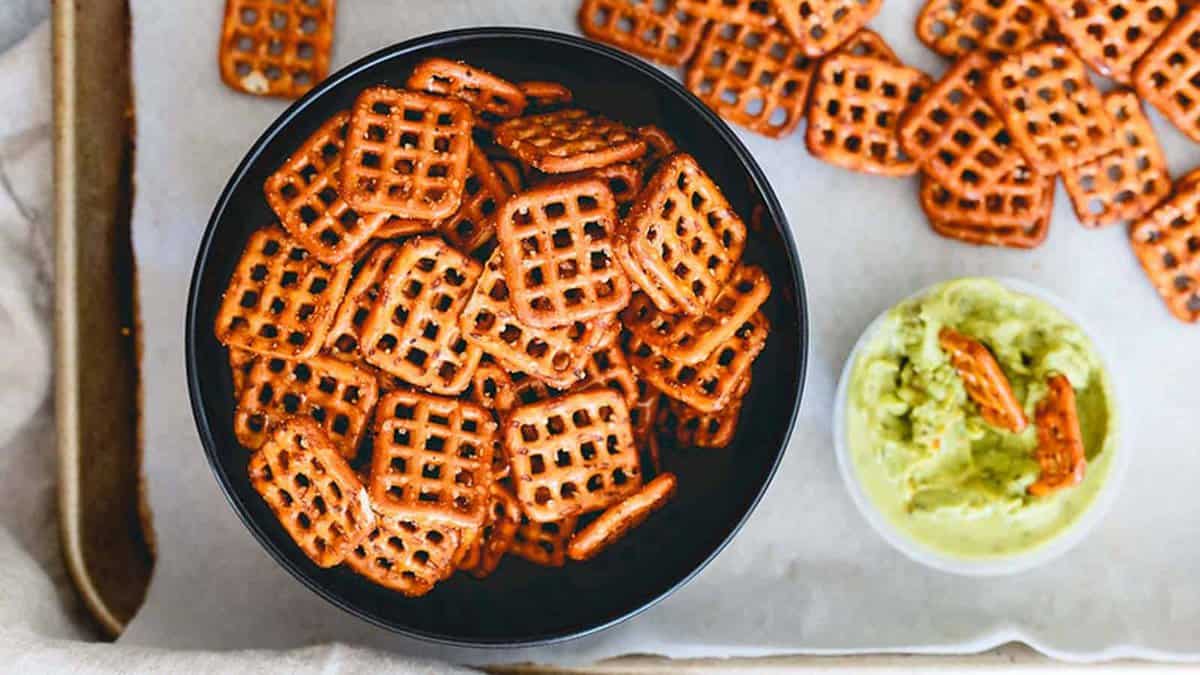
Pretzels are basically refined carbs in crunchy form, which makes them easy to overeat and hard to rely on. They give a quick hit of energy and then disappear from your system just as quickly. That’s why a handful rarely feels like enough. Add something with protein or fat like guacamole or a cottage cheese based dip and they’ll do a much better job.
Low-Calorie Ice Cream
Low-calorie ice cream often replaces fat and sugar with fillers and sweeteners that don’t satisfy in the same way. You might finish a bowl feeling like you’ve technically eaten dessert but still want more afterward. If you’re still poking around the kitchen afterward, this is exactly why.
Frozen Yogurt
Frozen yogurt is often pitched as the lighter alternative, but many versions are packed with sugar and very little fat or protein. That combination hits fast and fades fast, which is why it rarely feels like enough on its own. Adding nuts or something with substance helps, but on its own, it’s more of a sugar stop than a hunger solution.

Gina Matsoukas is an AP syndicated writer. She is the founder, photographer and recipe developer of Running to the Kitchen — a food website focused on providing healthy, wholesome recipes using fresh and seasonal ingredients. Her work has been featured in numerous media outlets both digital and print, including MSN, Huffington post, Buzzfeed, Women’s Health and Food Network.