

People often say it takes about twenty years for teaching to catch up to science, and it might take even longer for kitchen advice that’s been handed down through generations. A lot of the habits we grew up with were once based on real limitations or outdated equipment, but many of them don’t match how we cook today. Modern ingredients, tools and techniques have changed what actually works, yet the old advice still hangs around out of routine. This is your permission to let go of these habits and make your time in the kitchen less stressful and more enjoyable.

Break up with the idea that you always need to sift flour
Sifting made sense when flour had clumps and needed extra help before baking, but today’s flour is already smooth and consistent. Unless you’re making something very delicate, you won’t notice a difference if you skip it. A quick whisk with a fork loosens everything and gets air into the flour without adding another step.
Break up with the myth that salt must wait until the water boils
Many people still think salt damages cookware or slows the boil, but neither of those things is true. Salt’s real job is seasoning the pasta while it cooks, which gives you a more flavorful result. You can add it early or late and you’ll get the same outcome. What matters is using enough so the water tastes seasoned.

Break up with the habit of peeling everything
Peeling became a default step long before we understood how much flavor and nutrition the skin carries. Most vegetables taste great unpeeled as long as they’re cleaned well. Leaving the skin on carrots, potatoes and cucumbers saves prep time and keeps more texture in your dish. It also helps the vegetables hold their shape when they simmer or roast.
Break up with the idea that stock needs perfect ingredients
Stock is one of the easiest places to stop overthinking. It doesn’t need fresh herbs or picture perfect vegetables to taste good. Scraps like onion skins, celery ends and leftover bones release plenty of flavor once they simmer for a while. Using what you already have cuts waste and gives you a broth that tastes fuller and more homemade. It’s one of the simplest habits to update.
Break up with the belief that unsalted butter is always the better choice
Many recipes insist on unsalted butter for precision, but that often makes cooking feel more technical than it needs to be. Salted butter brings a little seasoning and works well in most everyday dishes. The salt level is low enough that you can adjust as you go. Unless you’re baking something very sensitive, salted butter keeps things simple and still delivers great results.

Break up with strict measuring when you’re cooking
Exact measurements matter in baking, but cooking is naturally more flexible. When you follow every teaspoon and tablespoon to the letter, it can make a dish feel rigid and limit your instincts. Tasting as you go helps you adjust flavors, use what you already have and learn what works for you. Cooking becomes easier when you let yourself trust your senses instead of your measuring spoons.
Break up with the idea that frozen ingredients are second rate
Frozen produce used to have a bad reputation, but it’s frozen at peak ripeness and often tastes fresher than the “fresh” produce that traveled for days. Items like peas, spinach and berries cook quickly and still hold their nutrients. They cut down on prep and reduce waste since they last much longer. They’re a helpful backup to keep on hand and they’re far better than the old advice suggests.
Always Rinse Your Rice
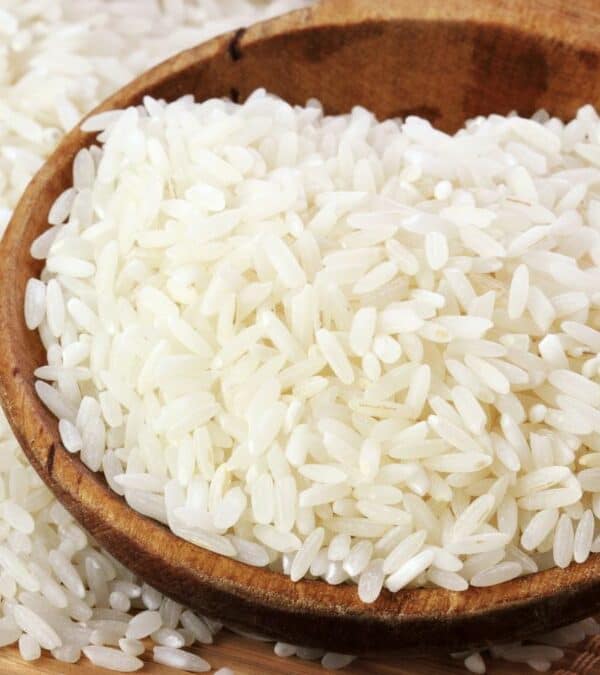
Rinsing can remove surface starch, but it’s not required for every dish. Some recipes, like risotto or sushi, rely on that starch for creaminess or stickiness. For fluffy rice, rinsing helps, and it also washes away some of the residue and pesticide traces that can linger on certain varieties. Organic rice can cut down on that concern, but rinsing is still useful when you want lighter grains.

Break up with the fear of opening the oven while something bakes
Older ovens lost heat quickly, which made people afraid to check on anything once it went inside. Modern ovens recover much faster, so a quick peek won’t derail your results — unless you’re cooking popovers, then we definitely recommend following the rules for those finicky bakes. Looking in during the later stages helps you catch uneven browning or early doneness before it becomes a problem.
Break up with the idea that only nonstick pans can handle eggs
Nonstick pans are convenient, but they’re not your only option and since many people are trying to avoid them these days, it’s worth knowing that a well heated cast iron or stainless steel pan, with enough oil, cooks eggs just fine. Nonstick coatings also wear down over time, especially at high heat. When you learn how to work with other pans, you get better flavor and equipment that lasts longer.

Gina Matsoukas is an AP syndicated writer. She is the founder, photographer and recipe developer of Running to the Kitchen — a food website focused on providing healthy, wholesome recipes using fresh and seasonal ingredients. Her work has been featured in numerous media outlets both digital and print, including MSN, Huffington post, Buzzfeed, Women’s Health and Food Network.