

No matter how often you cook, the kitchen has a way of making everyone feel like a beginner again from time to time. One minute you’re confident, the next you’re staring at something simple and wondering how it’s supposed to work. These questions come up in almost every home, from people just learning their way around a stove to those who’ve been cooking for years. From Moira explaining how to “fold in the cheese” to endless debates over what’s safe to eat or substitute, these everyday cooking questions prove nobody really has it all figured out.

Can I eat this after the date on the package?
Food dates cause more confusion than just about anything else in the kitchen. Most of them aren’t expiration dates in the strict sense, but a lot of people treat them that way anyway. Milk, eggs and even yogurt often last longer than the date printed on the container if they’ve been stored properly. That doesn’t mean ignoring common sense, but it does explain why this question keeps getting searched by people trying to avoid wasting food without taking unnecessary risks.
How do I boil an egg without messing it up?
Boiling an egg seems like something everyone should already know, which is probably why so many people look it up. There are different methods, different timings and plenty of conflicting advice, all for something that feels like it should be simple. The confusion usually shows up when the shells stick, the centers turn gray or the timing goes off by just enough to be frustrating.
What does fold mean in a recipe?
Recipes assume everyone just knows what folding is, which is bold considering how vague that word actually is in cooking. It doesn’t mean stirring and it definitely doesn’t mean standing there doing nothing. If you’ve ever watched Moira try to explain “folding in the cheese” to her son David on Schitt’s Creek, you already understand how confusing that word can be in real life. Folding is really just a gentle way of mixing so you don’t knock all the air out of things like cake batter or whipped cream.

What is the difference between baking powder and baking soda?
This is one of the most common baking questions for a reason. The two look similar, live next to each other and often show up in the same types of recipes, but they don’t behave the same way. One needs an acid to work and the other already has it. Using the wrong one doesn’t usually ruin food completely, but it does explain why something didn’t rise the way you expected.
Why did my garlic turn blue?
Fresh garlic can sometimes change color when it comes into contact with certain acids or metals, which is unsettling if you’ve never seen it before. The color change looks dramatic, but it’s harmless. This is one of those things that surprises people enough that they stop cooking long enough to look it up.
How can I tell if chicken is cooked through?
Chicken is one of the few ingredients people don’t like to guess on. It can look done on the outside while still being raw inside, which is why so many people search for signs of doneness mid-cooking. Thermometers help, but so does knowing what clear juices and firm texture actually mean in practice.

What is the difference between a yam and a sweet potato?
Most grocery stores label sweet potatoes as yams, which keeps this question alive year after year. Real yams are different plants altogether and are rarely sold in standard supermarkets. The mix-up isn’t dangerous, but it does confuse people who are trying to follow recipes or understand what they’re buying.
Can I put this in the microwave?
This question usually comes up with containers more than food. People want to know whether plastic, foil, takeout boxes or certain dishes are safe to use without making a mess or causing sparks. It’s one of those searches driven more by caution than curiosity.
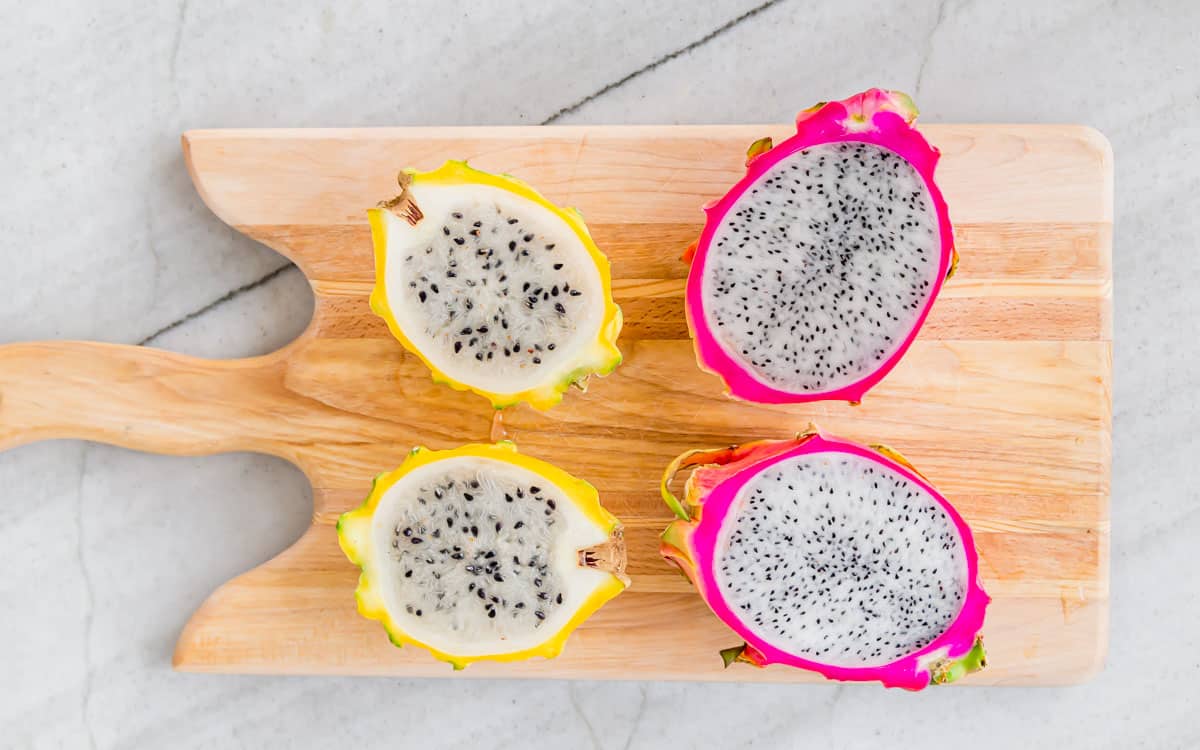
How do I cut this fruit without wasting half of it?
Some fruits look easy until you try to cut them. Pineapple, mango, pomegranate and dragon fruit all tend to send people looking for quick videos or diagrams. The goal isn’t perfection, just getting through it without losing too much fruit or patience.
What is the difference between broth and stock?
Recipes often use the terms interchangeably, but there is a difference. Broth is usually seasoned and ready to use on its own, while stock is more neutral and meant to be built on. People search this when they want to follow a recipe more closely or substitute one for the other without throwing off the final dish. Here’s an entire guide on the differences between these two.

Gina Matsoukas is an AP syndicated writer. She is the founder, photographer and recipe developer of Running to the Kitchen — a food website focused on providing healthy, wholesome recipes using fresh and seasonal ingredients. Her work has been featured in numerous media outlets both digital and print, including MSN, Huffington post, Buzzfeed, Women’s Health and Food Network.