

Hard times have a way of reshaping how people cook, shop and eat. When money was tight and shelves were thin, American kitchens adjusted. These meals kept people fed using what was cheap, shelf stable or already on hand. Many of them came from a mindset that valued stretching, saving and wasting nothing. Looking back at these dishes now is a reminder that resourcefulness once mattered more than novelty.

Potato Pancakes
Grated potatoes mixed with flour and water became one of the simplest ways to turn a few humble ingredients into something filling. Fried until crisp on the outside and soft in the center, these pancakes made a little feel like enough. Potatoes were easy to find, cheap to buy and could sit around without spoiling quickly, which made them a backbone food in tough years. Families paired them with whatever they had, from applesauce to a spoonful of sugar, or just ate them plain and hot from the pan.
Dandelion Salad
When grocery budgets disappeared, yards and fields became part of the pantry. Dandelion greens were free, everywhere and surprisingly sturdy once people learned how to use them. Tossed with vinegar or boiled down with salt, they gave people a way to eat something green without spending money they did not have. You used what grew close to home and that nourished many families when stores could not.

Cornmeal Mush
Cornmeal mush was a go to because it stretched farther than almost anything else. A small bag of cornmeal could become multiple meals with nothing more than water or milk and a bit of time. It worked hot as a simple breakfast and cold or fried the next day when leftovers needed new life. It didn’t rely on fresh ingredients and it kept people full through long days of physical work.
Hoover Stew
Hoover stew showed up in soup kitchens and crowded homes because it was built for flexibility. Macaroni, canned tomatoes and whatever protein could be spared went into a pot and fed more mouths than the ingredients should have allowed. Hot dogs, beans or scraps of meat all found their way into this dish without changing its purpose. It was not refined or carefully measured, but more so practical and to the point.
Mock Apple Pie
When fresh fruit became a luxury, people found ways around it. Mock apple pie used crackers in place of apples, combined with sugar and spices to mimic the flavor and texture people missed. It was a way to keep dessert on the table when ingredients were scarce and preserved a sense of normalcy through something familiar when normal life had already been disrupted.

Cabbage and Noodles
Cabbage and noodles came together because both were cheap, filling and easy to cook in large batches. Cabbage could last weeks without spoiling and noodles stretched meals without much effort. Tossed together in a pan, this dish gave families something hot and filling without needing meat.
Milk Toast
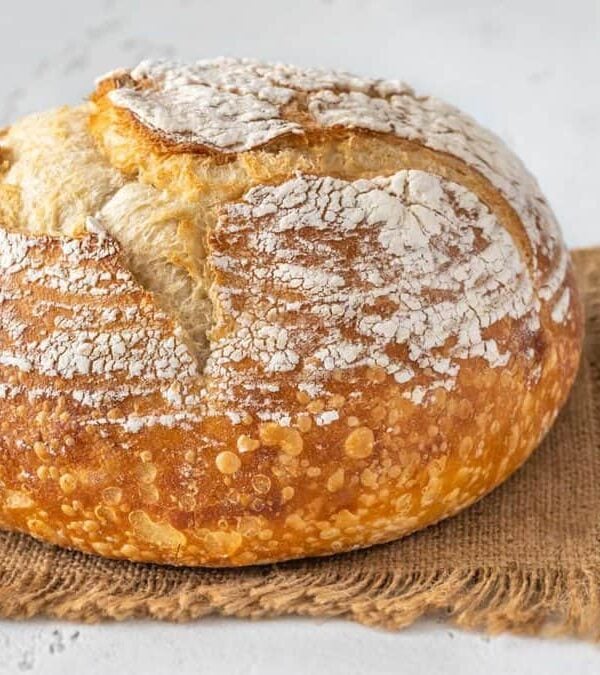
Milk toast made use of two things no one wanted to waste: stale bread and leftover milk. Bread soaked in warm milk, sometimes with a little sugar or cinnamon, became a soft and filling meal that worked for children and adults alike. It was gentle, easy and comforting at a time when stress was high and resources were low.
Bean Loaf
When meat became too expensive or simply unavailable, beans stepped in. Mashed beans mixed with breadcrumbs and baked like a loaf gave people a way to serve something familiar in shape and purpose without relying on animal protein. It was filling, affordable and surprisingly sturdy as leftovers.

Chipped Beef on Toast
Shelf stable beef in a creamy sauce over toast turned a small amount of protein into a full meal. It used pantry staples and did not require fresh meat or long prep. The dish became known for feeding a lot of people quickly and cheaply, especially in military kitchens and working class homes. It wasn’t fancy, but it got the job done.
Depression Cake
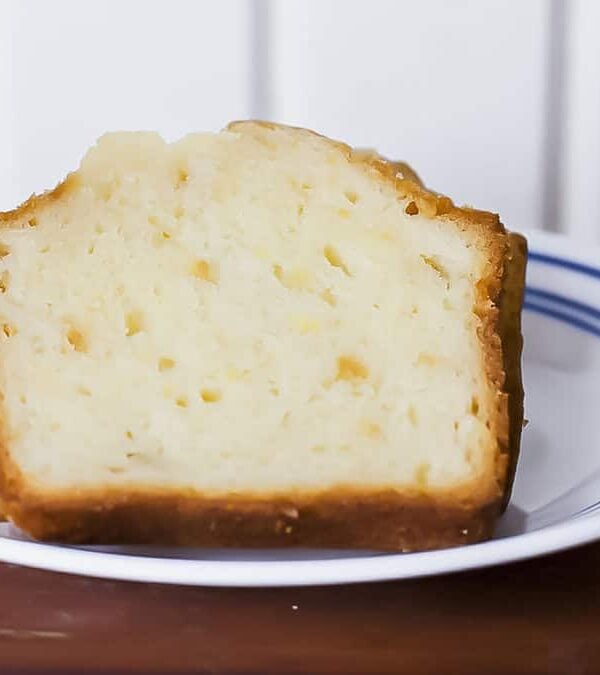
This cake proved that sweets din’t have to disappear just because ingredients became scarce. Made without milk, eggs or butter, it relied on simple chemistry to rise and hold together. It allowed families to mark birthdays or holidays without overspending or skipping dessert altogether. In a time when little joys mattered more than ever, this cake filled an emotional role as much as a practical one.

Gina Matsoukas is an AP syndicated writer. She is the founder, photographer and recipe developer of Running to the Kitchen — a food website focused on providing healthy, wholesome recipes using fresh and seasonal ingredients. Her work has been featured in numerous media outlets both digital and print, including MSN, Huffington post, Buzzfeed, Women’s Health and Food Network.