

Bulk buying foods is one of the best ways to save money on groceries, but it’s important to buy the correct types of food. Some things don’t last very long, and others just aren’t worth the higher overall price. Thankfully, it’s pretty simple to determine what to buy in bulk and what to buy in smaller amounts.
Save this recipe!
Being a smart shopper is all about knowing what’s worth the investment and what’s not. While buying in bulk seems like the best way to save pennies that add up to dollars, it doesn’t make sense for every item in your pantry. Some types of food either won’t last very long or just aren’t worth the money and space investment. Here’s how to make that important distinction.
Bulk buy foods worth the cost
There’s a reputation for buying food in bulk that isn’t precisely accurate. Just because it comes in a huge jar or box doesn’t mean it will save money. In fact, the upfront cost is usually more. Sure, the per-item or per-ounce price might be lower, but will that higher overall cost save you money in the long run?
No, it won’t. Especially if the food deteriorates too quickly, leading to food waste. So, which foods are worth the cost of bulk? If you’re thinking of mostly dry goods, you’re on the right track.
1. Rice
Both white and brown rice will last up to 10 years on the shelf and even longer when stored in a cold cellar or refrigerator. The key to keeping it edible is to use an oxygen absorber and seal it at the optimum temperature.
According to the Utah State University, to make rice last the longest, store it at 40 F or below without oxygen absorbers or 70 F with them. The shocking fact is that if rice is stored correctly, it can last up to 30 years with the taste and nutrients intact. Those large bags of rice at club stores are a smart purchase since there are many different ways to cook it. This ingredient saves money, from a Mexican stir fry to rice bowls, fried rice and more.

2. Pasta
Just like rice, pasta is used in many hearty and filling meals. Since it’s dried, it will last in the pantry for up to two years. If stored correctly, Valley Food Storage states that most types of pasta will stay fresh and edible for up to 10 years.
The versatility of pasta makes it a fantastic candidate for bulk-buying. It’s less likely to go to waste because there are so many ways to cook it without getting tired of it. Plus, it’s tough to turn down the cost savings. For example, one box of Barilla Elbows pasta costs $1.84, but a six-pack costs $1.42 each, with an overall savings of $2.52.
3. Beans
While both dried and canned beans will save you money, canned beans will last longer in the pantry than dried beans. Surprisingly, canned beans will be good for as long as the can is in like-new shape. Dried beans are a good choice for anyone who wants full control over the taste and texture of the beans.
The cost savings make them such a smart purchase. “They’re so much cheaper than buying in smaller portions or canned, and they taste way more fresh and delicious when cooked,” states Shruthi Baskaran-Makanju from Urban Farmie. “They also last a long time, so it’s a great way to be budget-conscious if you buy them when they’re on sale.”
4. Flour
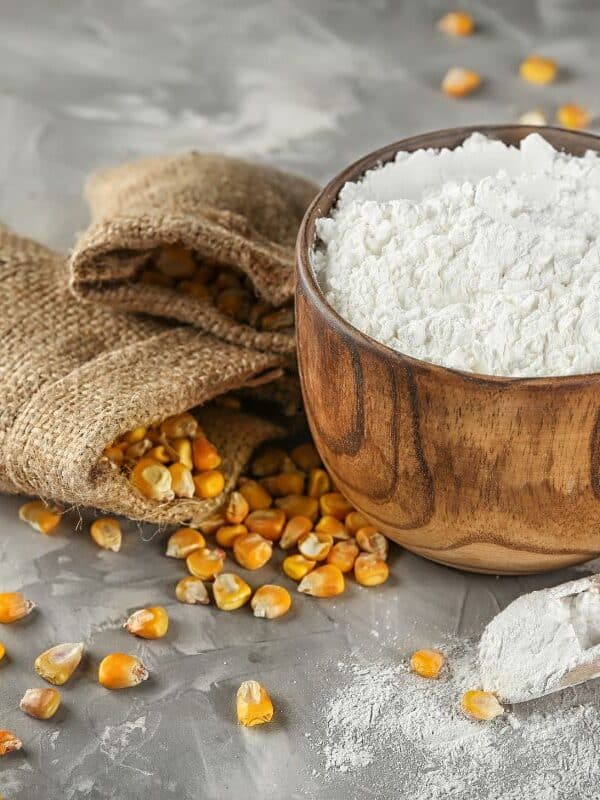
Flour is only a good thing to buy in bulk if you cook a lot of food from scratch. Compared to the rice and pasta, flour has a shorter shelf life. It depends on the type of flour, but most types will stay fresh for about three to eight months.
Flour is on this list because baking at home has many benefits. It’s easy to control the ingredients, making it with as much fiber or whole grains as desired. Plus, it’s so easy to make it without added sugar, with the best oils and without any preservatives.

5. Canned vegetables
Just like canned beans, canned vegetables will last decades if the cans are kept in nice shape. Nice shape means without dents, and the can isn’t bulging or cracked. Basically, if the can looks like new, the food inside is probably safe to eat.
Since fresh vegetables don’t last very long and frozen vegetables will eventually get freezer-burnt, canned vegetables are the best way to store them long-term. Buying them in bulk saves money per can and provides nutritious ingredients for years. You can use them to make green bean casserole without the cost of buying fresh.
6. Canned tomatoes
Due to their acidic content, canned tomatoes don’t last as long as canned beans or vegetables. Even so, they are still worth the cost of buying in bulk. Canned diced, whole or pureed tomatoes have a shelf life of 18 to 24 months.
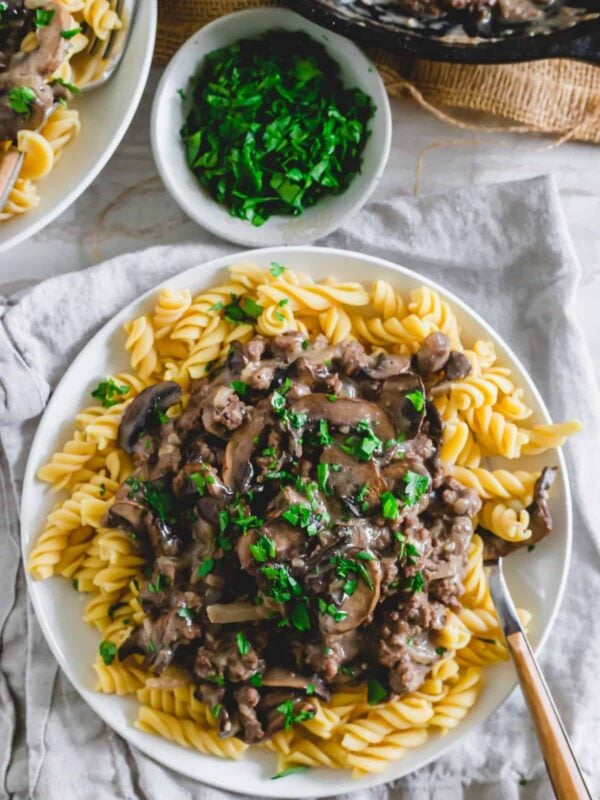
Canned tomatoes are versatile, fitting in with a variety of different recipes. Use them in chili, make homemade bolongese in the Instant Pot or incorporate them into an easy ground beef pasta skillet. They add color and flavor to hearty soups, casseroles and salads.
7. Bouillon
Speaking of soups, bouillon cubes cost so much less than canned or cartons of broth or stock. Add these flavor cubes to hot water with some fresh vegetables, pasta and protein, and dinner is ready on the cheap. They also add a lot of flavor to casseroles, too.
With a shelf life of several years, it’s worth buying a large pack and using it whenever the need arises. Bouillon also saves money because it contains salt and spices. Which means you won’t have to buy extra flavorings for the soup.
8. Meat
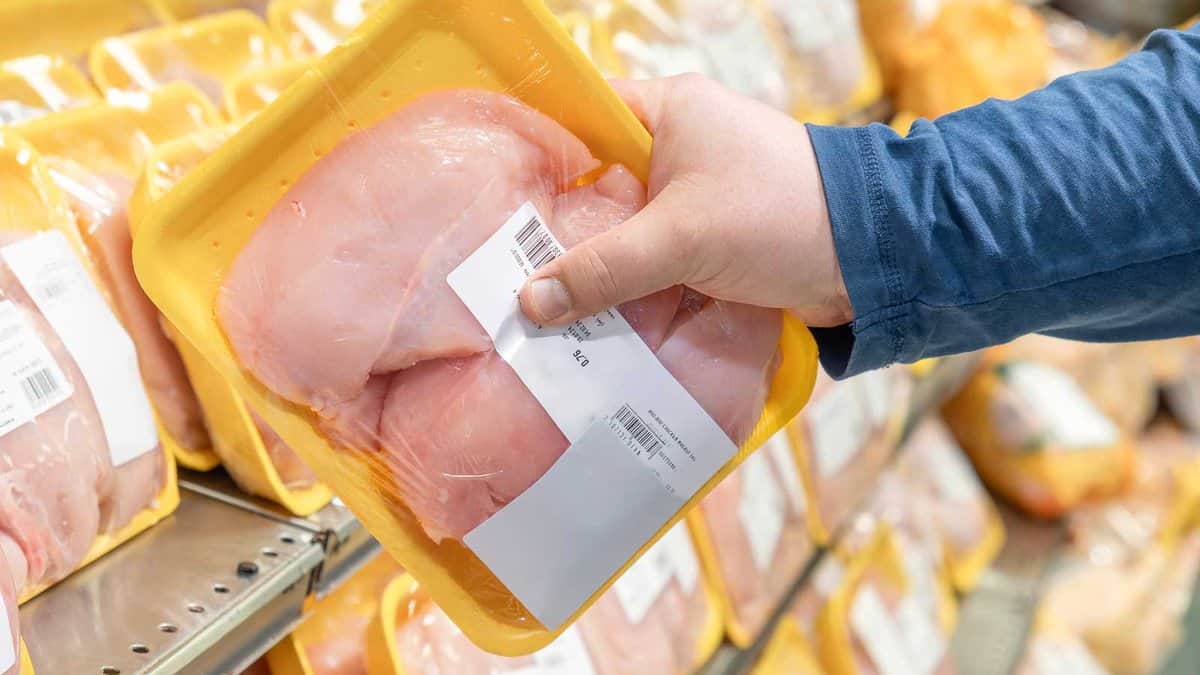
Anyone with a deep freezer should be filling it with meat. Beef, chicken and pork are often the most expensive part of the meal. Buying large quantities of meat all at once significantly lowers the price per pound.
Ground beef is one of the best types of meat to buy in bulk and freeze. “Versatile and economical, it’s a staple ingredient that can be used in countless recipes, from hearty burgers to comforting meatloaf,” states Jessica Haggard from Primal Edge Health. “With proper storage, you can enjoy the convenience and savings of bulk ground beef and keep it on hand for any occasion.”
Thaw and fry the ground beef, then use it to make Big Mac salad, homemade burgers and hearty stews. It will stay fresh in the freezer for up to four months, which allows plenty of time for planning healthy meals to cook with it.
9. Oatmeal
Oatmeal is another dried grain with a super long shelf life. Does oatmeal expire? If stored in a sealed container, it can last up to two years. After it’s opened, it will still last about a year.
Since it stays edible and nutritious for so long, it’s a fantastic ingredient to buy in bulk. There are so many different ways to cook and bake with oatmeal. From overnight oats to smoothies and oatmeal cookies, it’s one of the tastiest whole grains out there.
10. Peanut butter
While not as versatile as oatmeal, it’s still worth the cost of buying it in bulk. The protein in peanut butter coupled with its longevity make it an excellent purchase decision. Bulk peanut butter will last two to three months after opening it and about nine months unopened.
Beyond PB&J sandwiches, there are so many other recipes that use this salty spread. Some of the most popular ones include cookies, pad thai and smoothies.
Foods not to buy in bulk
Not all types of food are worth the price of buying in bulk. Some are actually better to buy in smaller quantities. This has to do with money savings and freshness.
Things like bread and produce don’t last very long. Sweet and salty snacks are too easy to overeat, which causes more spending. Let’s look closer at the foods that are better to buy in smaller amounts.
1. Bread
Yes, it’s safe to freeze bread. But it changes the texture. Not only is the flavor and texture off, but it’s also not worth the bulk price, especially when buying single loaves of bread that only cost a few dollars.
Plus, most club stores sell loaves of bread in two packs. The price-per-loaf for the two-pack is within 50 cents. If possible, buy fresh bread. It will taste so much better.
2. Herbs and spices
Herbs and spices are also better when you use them closer to when you bought them. Dried herbs lose their potency after about a year. So, unless you do a lot of cooking and go through spices quickly, it’s not worth it.
In fact, some herbs lose almost all their aroma and flavor after about six months. It’s so easy to stockpile herbs and then barely touch them. This leads to throwing flavorless spices away and replacing them, which negates the idea of buying in bulk.

3. Fresh produce
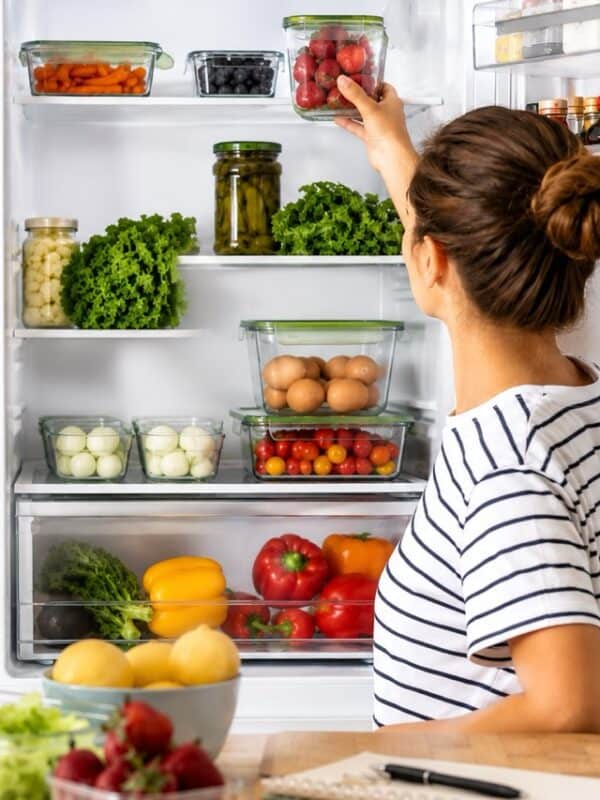
This one might be a bit more obvious. It’s only a good idea to buy fresh produce in bulk if you’re going to vacuum seal and freeze it. Most types of fresh fruits and vegetables will only stay fresh for about a week.
Root vegetables, like potatoes and parsnips, will last about a month. But leaf lettuce, apples and grapes will go bad after about seven days. Save money by only purchasing the amount of fruit you will eat.
4. Chips and candy
Salty snacks and sweet treats are way too easy to overeat. For most people, buying them in bulk means consuming more of them. It’s pretty simple: eating two jumbo bags of chips instead of one small bag of chips costs more.
Chips and candy might have a pretty good shelf life, but that’s not their problem. Buying them in bulk isn’t worth the cost because most people will simply eat more of them instead of making them last longer.
5. Nutella
The rich, creamy hazelnut spread is also easy to buy in larger containers. In fact, Sam’s Club sells a two-pound tub of it. As alluring as that might be, it’s not worth the cost.
Unlike other things, Nutella actually starts to disintegrate before its expiration date. The oils will start to separate, and the spread will become grainy. For the best flavor and texture, buy smaller containers of it.
6. Soda
Comparing soda sale prices to bulk prices shows that buying in bulk isn’t a good deal. Some sodas at grocery stores are even sold below what it costs the grocer to buy them. Grocers do this to draw customers to their stores.
It’s much smarter to buy soda when it goes on sale and to pile coupons on top of sale prices for even more money savings. Plus, buying lots of soda all at once also takes up a lot of room. Fill that space with things that save more money.

7. Dairy
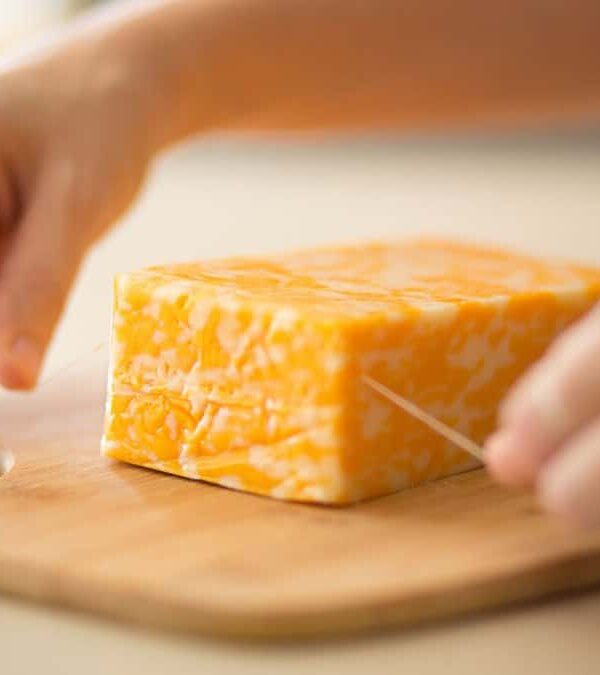
Dairy is one of the worst things to buy in bulk. Since it expires so quickly, it’s one of the biggest victims of food waste. The cheese gets moldy, or the milk curdles — it’s not pleasant. Food waste is like washing money down the drain.
What about people who will be baking or cooking with a lot of milk or cheese? It’s still a risk. “Unless you have a specific plan for using it all, there’s a high chance it will spoil before you can enjoy it,” warns Jessica Haggard from Primal Edge Health. “Opting for smaller portions or purchasing whole blocks can help minimize waste and ensure your cheese stays fresh longer.”
8. Nuts
Nuts can be worth buying in bulk for the right cook. Since nuts are not for everyone but could be helpful for some, they’re the last item on the list. Most types of nuts have a maximum shelf life of only three months.
What about people who do more than just snack on them? Buying in bulk can pay off if you use nuts to make other things. “We buy a ton of nuts in bulk because the small, grocery store portions are way overpriced,” states Shelby Stover from Fit as a Mama Bear. “Since I make a lot of gluten-free baked goods and homemade nut milk, buying them in bulk is the best way to save money.”
What I actually buy in bulk (and use all the time)
Over the years, I’ve figured out a short list of things that make sense for how we cook and eat. I don’t fill my pantry and freezer for the sake of it, I stock ingredients that turn into actual meals we like to eat.
Beef (1/2 cow from a local farmer)
This is one of the best decisions we’ve made. We buy half a cow every 1 – 1.5 years from a local farm and it ends up costing right around $5 per pound on average. For organic, grass-fed beef, that’s hard to beat. In fact, you can’t even buy grass-fed organic ground beef for that price, let alone a ribeye. The freezer gets stocked with everything from ground beef to steaks and roasts, and it covers a huge range of meals. It takes some upfront planning and we did have to buy an upright freezer for this, but it pays for itself with the first cow and removes the weekly “what’s for dinner” question more often than not.
Pork (whole pig, pastured)
Same idea here. We buy a whole pig from a local farm and the average cost comes out to about $7 per pound. You get a mix of all the cuts you know and love and a few you wouldn’t always find in a store like ham steak or sirloin chops. It’s easy to rotate through different meals without feeling repetitive, and having it on hand means fewer last-minute grocery trips.
Frozen seafood
Fresh seafood is great, but it’s not always practical or affordable depending on where you live. In central rural NY where I am, it’s impossible. Frozen solves that. We keep things like shrimp and fish fillets (especially frozen sockeye salmon) stocked so there’s always a quick protein option in the freezer. It cooks fast and works for everything from simple weeknight dinners to throwing together something that feels a little more put together if we have guests.
Rice
Rice, as mentioned above, is one of those staples that just makes sense to buy in bulk. It lasts forever if you store it properly and works with just about anything. It’s the base for many dinners doesn’t go bad like a potato can when it comes to a carbohydrate source.
Canned beans
I keep a steady supply of canned beans because they’re fast and reliable. You can throw them into soups, mash them into spreads, add them to bowls or salads. They’re one of the easiest ways to build a new meal or stretch an existing one.
Canned vegetables (especially diced tomatoes)
Diced tomatoes in particular are always in the pantry. They’re the starting point for a lot of meals—sauces, soups, stews, quick skillet dinners. Having them on hand means I can always pull something together without needing a ton of fresh ingredients.
Save money by shopping smart
Learning how to buy food in bulk involves choosing the food that will last the longest and provide the most nutrition. To make the cost worth it, choose food that works in various recipes and won’t expire or rot too quickly.
Discerning between what can be cooked before it goes bad and what can last is the key to saving money from buying food in bulk. Food waste is also money waste, so cooking everything you buy will make every penny go further.

Sara Nelson
Sara Nelson is the creator ofReal Balanced, a food blog that showcases easy and balanced recipes. Since 2017, she has shared these recipes with thousands of blog readers and social media followers. Sara lives in Wisconsin with her family.