

Citrus zest is the secret ingredient hiding in plain sight on every lemon, lime and orange. Packed with natural oils, it brings a burst of flavor that transforms simple meals. Keep a zester nearby and start adding it to everyday cooking; you’ll be surprised how fast it becomes the trick you reach for to make food taste brighter and fresher.

The zest holds all the flavor
Citrus zest is the thin, colorful outer layer of a lemon, lime, orange or grapefruit. This outer peel contains concentrated natural oils that hold the fruit’s brightest flavor. Unlike the white pith underneath, which tastes bitter and you generally want to avoid using, the zest packs pure citrus aroma and taste in a small amount.
You may have sprinkled zest into cookies or cakes before, but it has far more range than just desserts. Those fragrant oils release instantly when grated or peeled, adding a lift to salad dressings, soups, pasta and roasted vegetables. A pinch of zest can change a dish without adding liquid or extra salt, giving daily meals a clean, vibrant boost.
Tools and techniques for perfect zesting
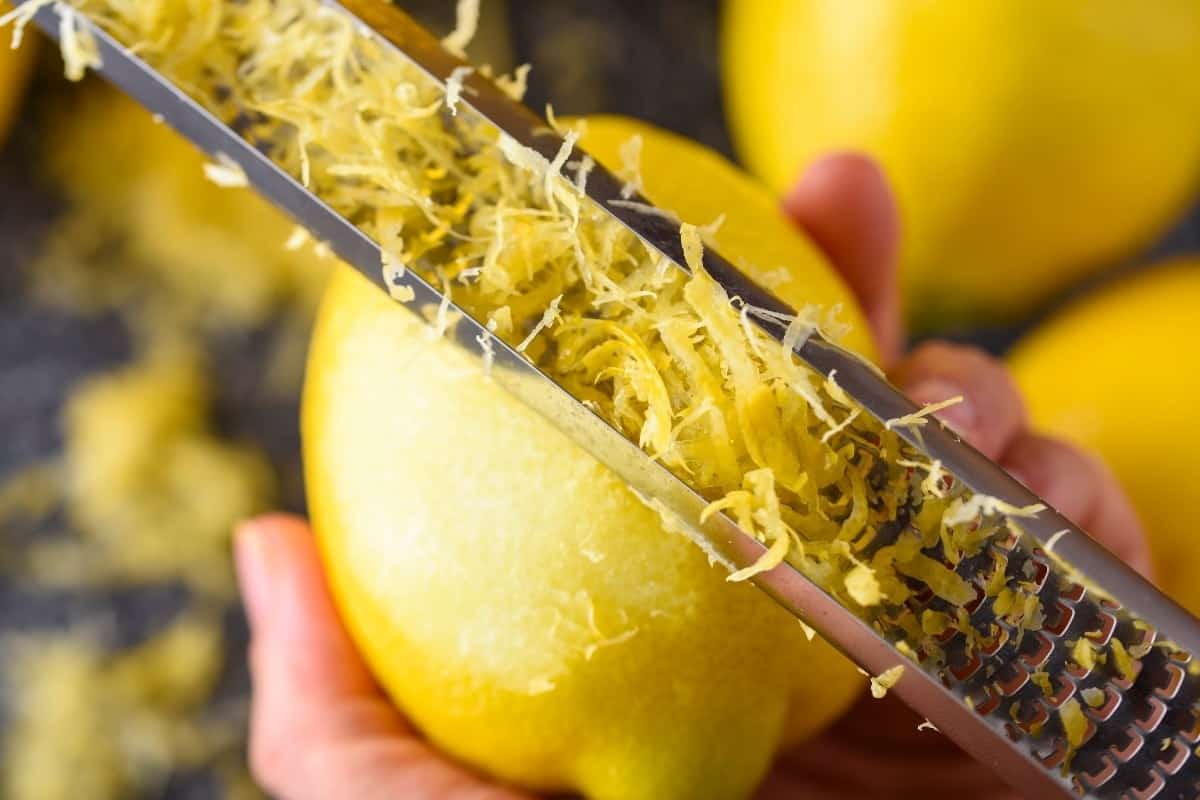
The right tool makes all the difference when you want clean, flavorful zest. A microplane is the most common choice for fine shreds that melt into batters, sauces or dressings. A box grater works in a pinch, while a vegetable peeler or sharp paring knife is useful if you need wide strips for infusing syrups or cocktails.
Wash and dry the fruit first to remove any wax or residue. I personally like to choose organic produce best whenever possible if I plan to use the zest since conventional citrus is often coated with wax or pesticide residue. Hold the fruit firmly and scrape only the thin, colored skin, turning it as you go to avoid the bitter white pith beneath. If you need larger pieces, peel long strips and slice them into thin ribbons.
Fresh zest is best, but it can also be stored for later use. Keep it in a sealed container in the refrigerator for up to three days or freeze it in small portions to have a bright flavor ready whenever you cook.
Everyday ways to use citrus zest in cooking
Citrus zest fits into almost any meal and brings a bright pop of flavor without changing texture. In the morning, stir lemon or orange zest into muffin or pancake batter, creamy steel-cut oatmeal or yogurt for an easy way to brighten flavors. It’s also great mixed into homemade granola or smoothie bowls, where a small amount makes a big difference.
For lunch and dinner, zest can liven up salad dressings like citrus poppy seed dressing, pasta dishes and marinades like this maple miso chicken. Sprinkle it over roasted vegetables or mix it into rice and grain bowls to boost flavor without needing to add extra salt. A touch of lime zest on tacos or grilled fish instantly freshens the dish.
“We love using citrus zest on top of our stir-fries and blended into smoothies the most. It’s an easy way to add a pop of brightness and gives whatever it’s paired with a dash of fresh, sunny flavor.”
— Shelby Stover, Fit as a Mama Bear
Sweet recipes love zest too. Fold it into cake batter, cookie dough or custards for a fragrant twist that pairs with chocolate or berries. Citrus zest also shines in drinks when added to sparkling water, tea, cocktails like a lemon drop shot or a grapefruit martini or a homemade simple syrup.
My Pro Tips
How to get the most from citrus zest
- Pair lemon zest with herbs like basil or thyme for a bright finish on pasta or vegetables. Orange zest works well with warm spices like cinnamon or cloves, while lime zest brings a lively edge to anything with a bit of heat.
- Think about when you add the zest. Mix it in early to let the flavor deepen as the dish cooks, but usually you’ll want to add it at the end to keep the aroma bold and fresh. For something different, combine different citrus fruits to create custom zest blends such as lemon and lime or orange and grapefruit.
- Plan ahead by making extra. Store zest in an airtight container in the refrigerator for a few days or freeze it in small portions to keep a supply ready. You can also rub zest into salt or sugar to create quick finishing touches for drinks, desserts or savory dishes.
Make the most of every piece of fruit
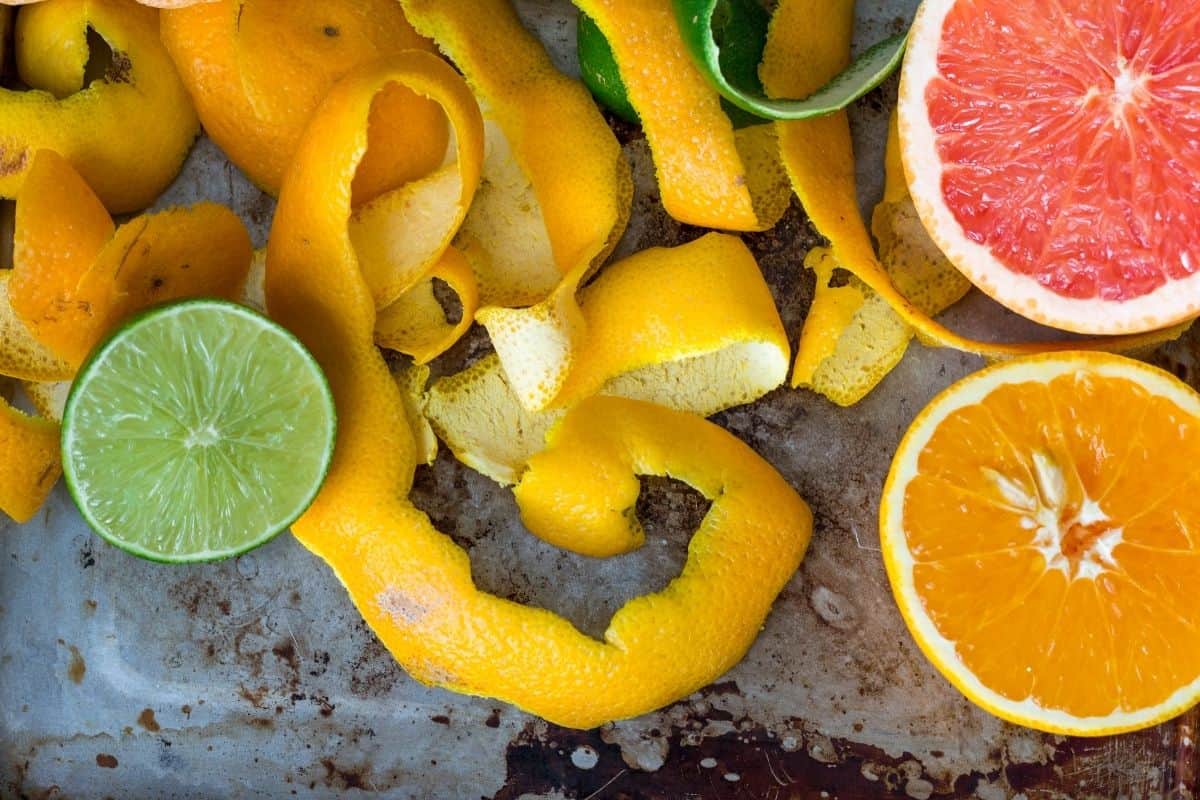
Using the zest means you’ll get everything out of the citrus you buy. Instead of tossing peels after juicing, you can turn them into flavor boosters that cut down on food waste and help stretch your grocery budget.
Choosing organic fruit is a smart decision if you’re planning to consume the zest since it’s less likely to be coated with wax or heavy pesticide residues. Always wash and dry the fruit well so the zest is clean and ready to grate. Store whole citrus in the refrigerator to keep it firm and easier to zest when you need it. As citrus ripens past its prime, the skin softens and detaches from the fruit, making it harder to remove the zest with a microplane or box grater.
Bring a burst of citrus to your next meal
A small handful of zest can change the way you cook. Whether it lands in a salad dressing, cake batter or cocktail, the bright oils wake up flavors in seconds. Keep a few lemons, limes or oranges on hand and reach for your zester the next time you taste a dish that needs a touch of something else to bring it all together.
This article originally appeared on Food Drink Life.

Gina Matsoukas is an AP syndicated writer. She is the founder, photographer and recipe developer of Running to the Kitchen — a food website focused on providing healthy, wholesome recipes using fresh and seasonal ingredients. Her work has been featured in numerous media outlets both digital and print, including MSN, Huffington post, Buzzfeed, Women’s Health and Food Network.