


Getting enough vegetables on the table can feel like an uphill battle, especially when picky eaters are involved. You don’t need to resort to overhauling your meals or forcing anyone to choke down plain broccoli though. With a little creativity, vegetables can blend seamlessly into dishes you already cook. From sauces and soups to baked goods and breakfast plates, there are plenty of ways to make them part of the meal without drawing extra attention. These tips are practical, family-friendly, and make eating vegetables feel less like a chore and more like a natural part of dinner.
Sneak veggies into smoothies

Adding greens like spinach, kale, or zucchini to smoothies works well because their flavors are mild and easily masked by fruits such as bananas, mangoes, or berries. This is an easy way to bring in vitamins and minerals without altering the taste. You can also mix in carrots for natural sweetness or avocado for texture, making your drink more filling and nutritious while still keeping it tasting good.
Grate vegetables into sauces and stews
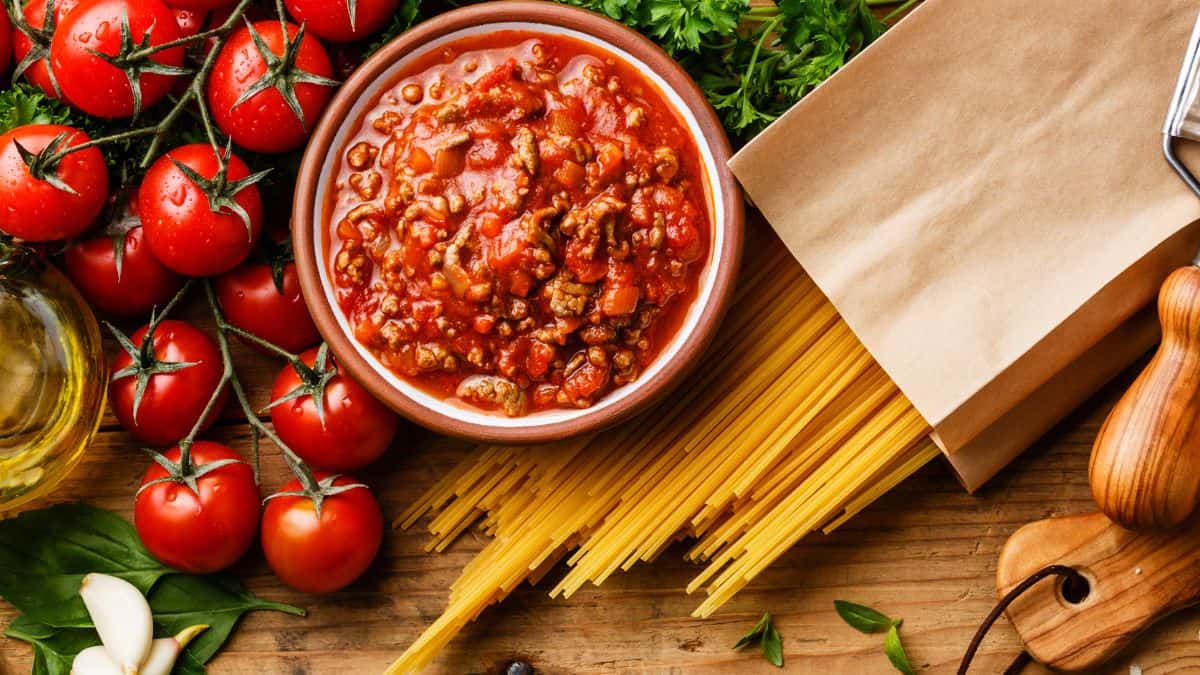
Carrots, zucchini, or peppers can be finely grated and stirred into simmering sauces, soups, or stews where they break down and become part of the base without anyone ever knowing. The vegetables add fiber and nutrients while also improving the flavor with natural sweetness. Using this method helps you layer nutrition into meals that your family already loves, so it works well for households with picky eaters.
Mix chopped vegetables into ground meat

Mushrooms, onions, bell peppers, or shredded carrots combine easily with ground beef, turkey, or chicken. The vegetables keep the meat moist and add depth to the flavor without changing the texture too much. This is also a great way to stretch protein further while increasing the nutrient content of everyday meals like burgers, tacos, or meatballs.
Add pureed vegetables to soups and pasta dishes

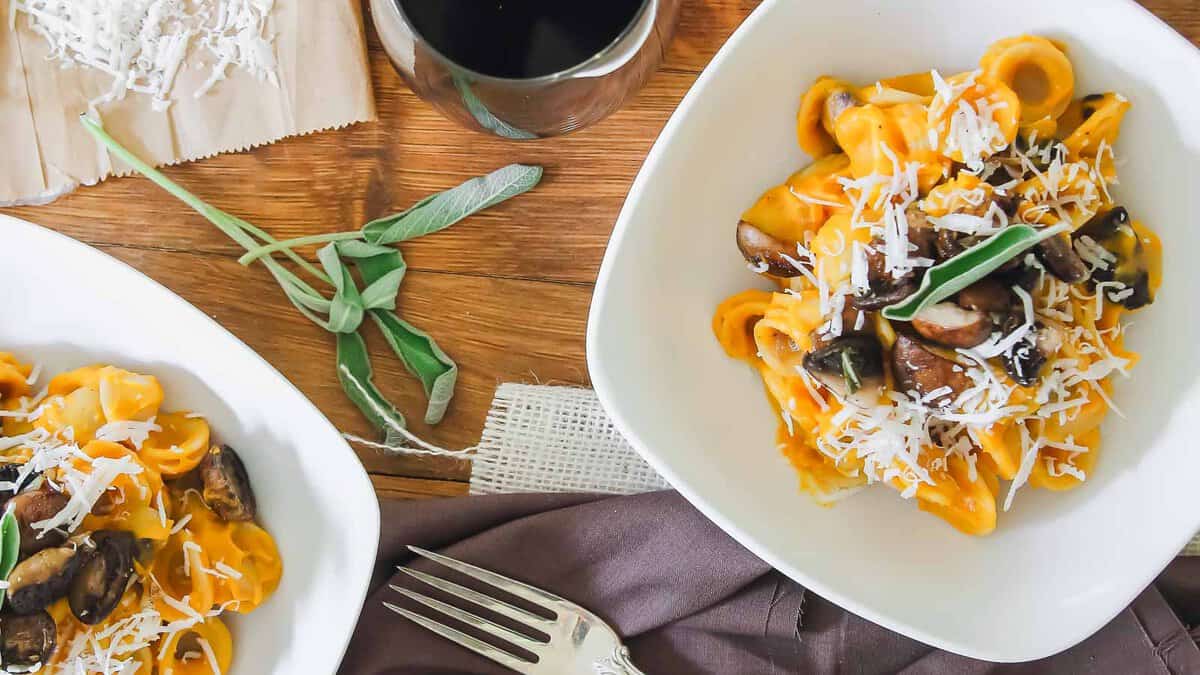
Pureeing vegetables such as cauliflower, squash, or sweet potatoes creates a smooth texture that blends seamlessly into broths, chowders, and even pasta sauces like this sweet potato mac and cheese. This technique increases fiber, vitamins, and minerals while making dishes feel heartier and more substantial. It’s especially useful for making creamy soups or sauces without relying on so much on butter or cream.
Swap in cauliflower for rice or crusts

Cauliflower can be riced and used in stir fries, casseroles, or side dishes, taking on the flavor of whatever it’s cooked with. It can also be baked into a crust that holds toppings like traditional pizza dough. These swaps help reduce refined starches and keep the meal nutrient dense.
Use vegetables as pasta alternatives

Pasta made from veggies like zucchini (zoodles), spaghetti squash, or even pasta made from lentils or chickpeas can be a great swap. They’re lower in carbs and packed with extra fiber, vitamins, and protein. Zoodles and spaghetti squash are easy to prepare, and they take on the flavor of whatever sauce you add, so you can still enjoy your favorite pasta dishes with a fraction of the carbs.
Blend greens into pestos and sauces
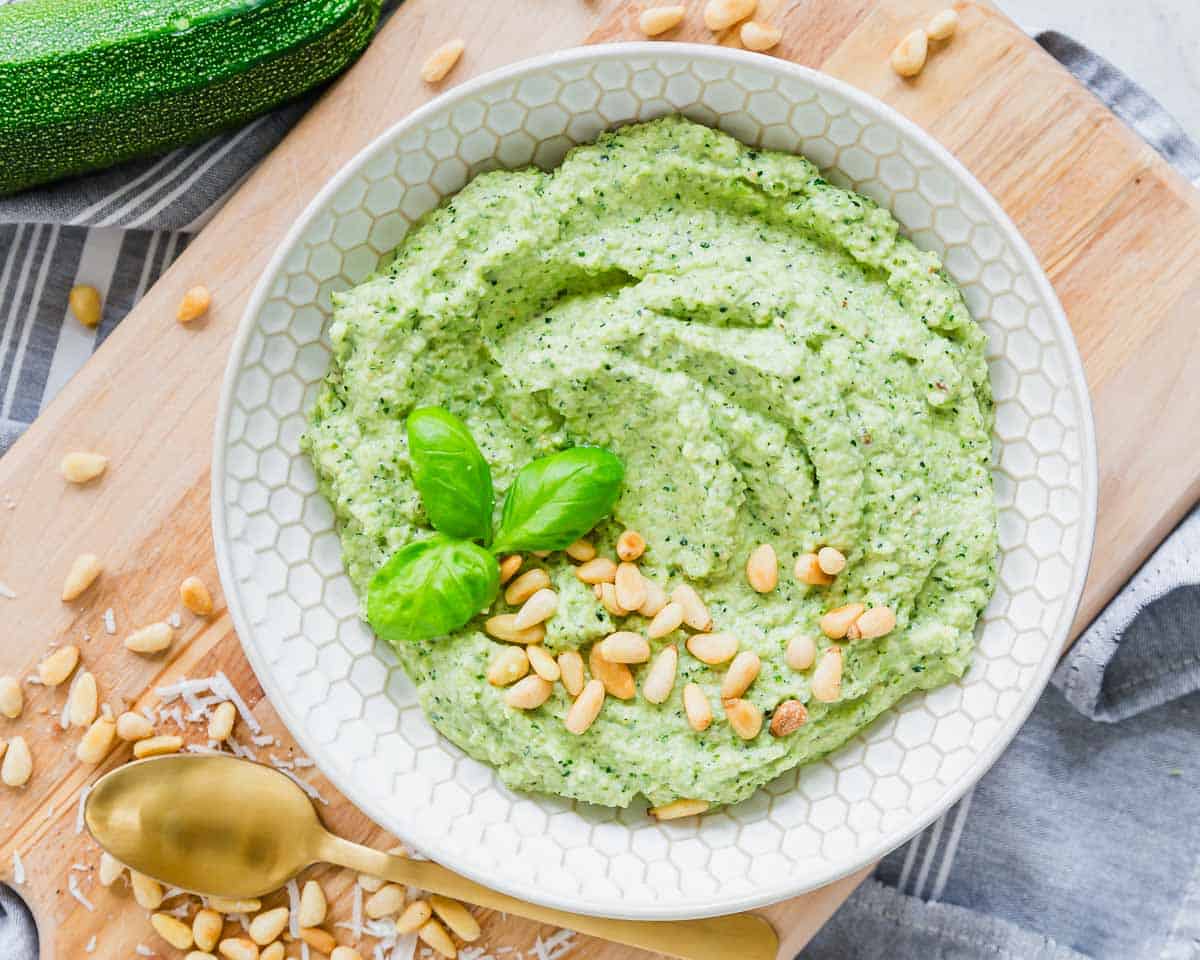
Traditional pesto is made with basil, but you can easily throw in spinach, kale, or arugula without altering the taste too much. Spinach or kale pesto is nutrient-rich, and the added greens blend well into the sauce, making it easy to get your veggies without even realizing it. You can also do this with Alfredo or even tomato sauces for a boost of nutrients.
Bake vegetables into breads and muffins
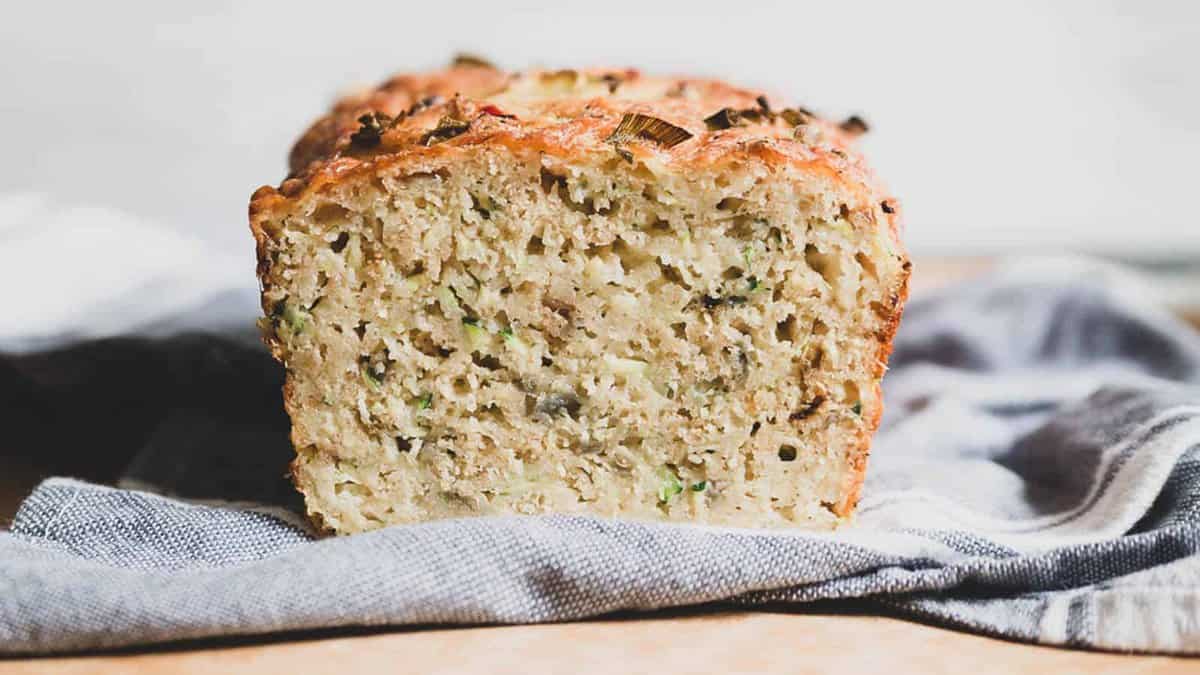
Grated zucchini, carrots, or beets incorporate easily into baked goods, adding both flavor and moisture. They help keep breads, muffins, or cakes soft without requiring as much added fat. This increases the nutrient content of foods that feel like treats while also reducing the need for extra butter or oil. Try these cheesy zucchini bread or banana zucchini muffins for easy starter recipes.
Turn vegetables into chips

Vegetables like kale, carrots, sweet potatoes, and beets can be sliced thin, seasoned, and baked until crisp. These homemade versions provide fiber, vitamins, and minerals while giving people the crunch they crave in a snack. They’re simple to make and a more nutritious alternative to standard store-bought chips.
Incorporate vegetables into eggs

Spinach, mushrooms, peppers, and zucchini cook quickly and mix well with eggs in scrambles or omelets. This adds nutrients to a meal that is already protein-rich and helps make it more balanced. Vegetables also bring color and variety to breakfast, which can encourage eating them more often.
Blend pureed vegetables into mashed potatoes

Cauliflower, parsnips, or carrots can be cooked until tender, pureed, and mixed into mashed potatoes. This changes the texture slightly while increasing the fiber and vitamin content. It also allows you to cut back on heavy cream or butter without losing the creamy consistency people expect from mashed potatoes.
30 Desserts That Are Secretly Veggie-Packed

Desserts can be a fun way to sneak some veggies into your diet without anyone noticing. We found 30 delicious treats that hide vegetables in clever ways, so you get the best of both worlds. These recipes are easy to make and taste so good, you won’t even realize you’re eating something healthy.
See Them Here: 30 Desserts That Are Secretly Veggie-Packed
15 Easy Ways To Add More Fiber To Your Diet

Tired of feeling sluggish and bloated? It’s time to fix your fiber game. Forget bland bran flakes; there are way better (and tastier) ways to get things moving. From popcorn to chia seeds, these hacks will have your gut thanking you. If you’r ready to shake up your diet and feel amazing, here are some fiber-packed tips that will change the way you eat.
Read it Here: 15 Easy Ways To Add More Fiber To Your Diet
*Select images provided by Depositphotos.

Gina Matsoukas is an AP syndicated writer. She is the founder, photographer and recipe developer of Running to the Kitchen — a food website focused on providing healthy, wholesome recipes using fresh and seasonal ingredients. Her work has been featured in numerous media outlets both digital and print, including MSN, Huffington post, Buzzfeed, Women’s Health and Food Network.