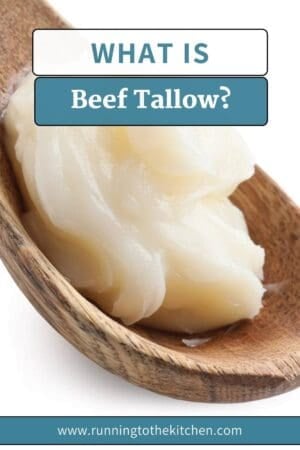


Simply put, beef tallow is rendered beef fat and it’s making a big comeback. Once a staple in kitchens and homes for everything from cooking to skincare, it’s now loved for its versatility, natural benefits and nostalgic nod to traditional living.
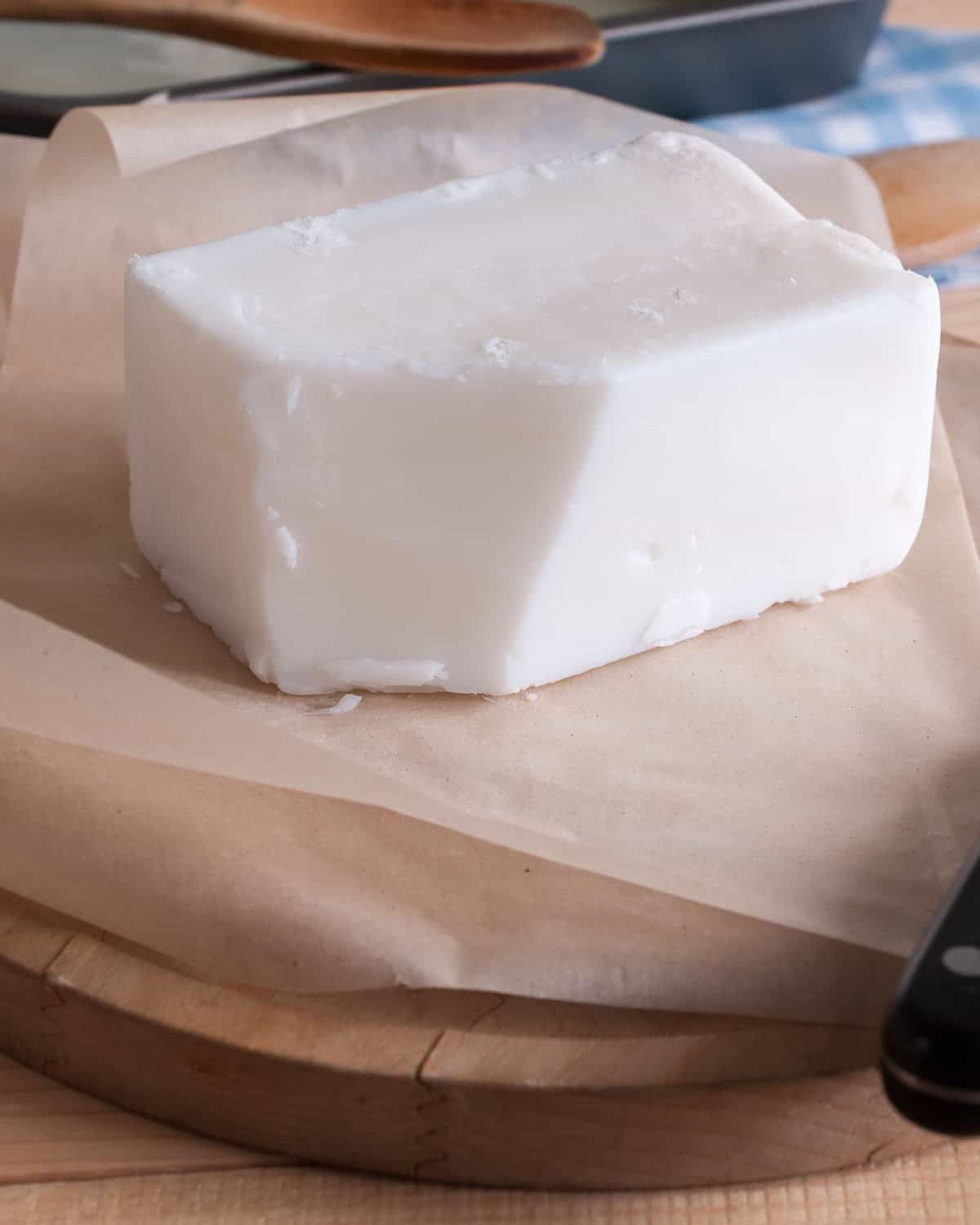
If you love knowing exactly what goes into your food and products, tallow might just become your new favorite. Think of tallow as the ultimate multitasker. It’s a fantastic high-heat cooking fat, a natural skin moisturizer (my local farmers market has two skincare companies that base all their products on it) and even a key ingredient for DIY projects like homemade candles and balms. Plus, with its long shelf life and nutrient-dense profile, beef tallow has a lot to offer, whether you’re frying up crispy vegetables or crafting a handmade soap.
Why beef tallow deserves a spot in your kitchen
Beef tallow stands out for its high smoke point of around 400° F, which makes it perfect for frying, roasting and sauteing. Unlike many industrial oils, it doesn’t break down as easily under heat, meaning you get a crispy, golden texture without the smoky mess. It also lends a subtle, savory flavor that improves anything from roasted potatoes to pie crusts.
Tallow vs. common cooking fats
Olive oil: Great for low to medium heat cooking and anything where you want that distinct flavor. It’s not ideal for high heat though. Once you take the temperature too far, it starts to smoke and break down, which is exactly what you don’t want when you’re trying to get a good sear or crispy edges.
Butter: Hard to beat for flavor, but it burns fast. That makes it tricky for anything beyond gentle sautéing unless you’re watching it closely or combining it with another fat. It’s better as a finishing touch than your main cooking fat in a lot of cases.
Avocado oil: Neutral and high heat friendly, but it’s expensive and doesn’t bring much to the table in terms of flavor.
Vegetable and seed oils: Cheap and widely available, but highly processed and not something most people are actively trying to use more of right now.
Beef tallow: This is where it stands out. It handles high heat without breaking down, gives you better browning and actually adds flavor instead of just acting as a neutral cooking medium. It’s especially useful when you want crispy results, like roasted potatoes, seared meat or anything going into a hot pan.
If you’re cooking something delicate or want a specific flavor like olive oil or butter, use those. But for high heat cooking where texture matters, tallow does a better job than most of what’s sitting in your pantry.
A return to tradition
Using beef tallow connects you with traditional cooking methods — it screams hearty meals from simpler times. It’s an excellent alternative to modern vegetable oils without artificial additives. Plus, making it yourself — it’s just beef fat, rendered and strained — is simple, satisfying and cost effective.
Versatility in cooking
Beef tallow isn’t just for frying. You can use it to coat vegetables before roasting, add richness to stews or even replace butter in certain baked goods. The flavor is mild enough to complement most dishes while adding a depth that’s hard to replicate with other fats.
What does beef tallow actually taste like?
Beef tallow is much milder than it sounds. It doesn’t make food taste like beef, especially when it’s properly rendered.
The only time you really notice it is in foods where fat is front and center, like fries or roasted potatoes. Even then, it comes across more as a deeper, slightly savory flavor rather than anything heavy or meaty.
Culinary uses of beef tallow
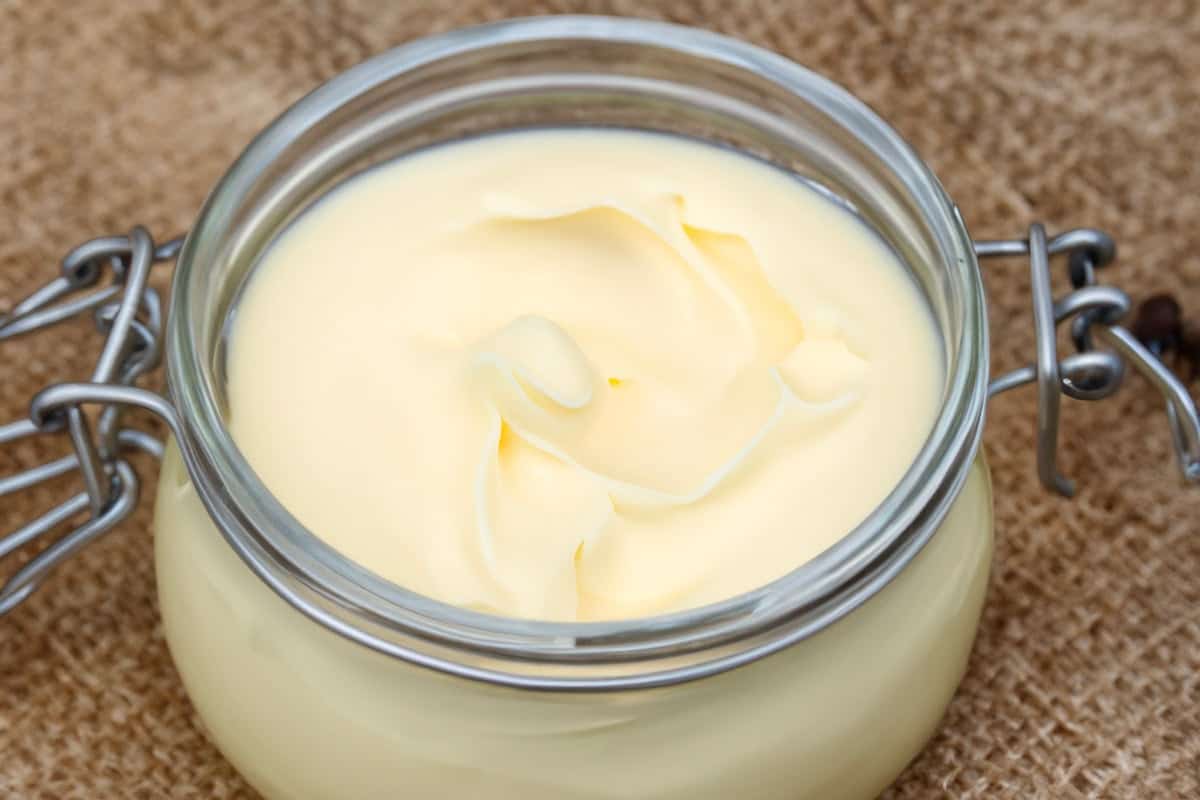
Beef tallow is an incredibly versatile cooking fat that deserves a spot in your kitchen. Its high smoke point makes it ideal for frying, sauteing, roasting and more. Plus, it imparts a subtle, savory flavor that improves dishes without overpowering them.
Frying and sauteing
Tallow’s high smoke point allows it to hold up well under high heat. Whether you’re frying crispy vegetables or searing meat, tallow produces consistent results without breaking down like many other common oils. It’s wonderful for French fries (and actually what many fast food chains used to use before converting to seed oils) or perfectly crispy fried chicken.
Roasting vegetables
Toss root vegetables like carrots, sweet potatoes or Brussels sprouts in melted tallow before roasting for a crispy exterior and rich, caramelized flavor.
Baking applications
Tallow can also be used in baked goods like biscuits or pie crusts, providing a flaky texture similar to butter or shortening. It’s a fantastic option for savory pastries or breads that call for a rich and hearty base. Try it in these sweet potato biscuits or rosemary cheddar bacon biscuits.
Flavor enhancer
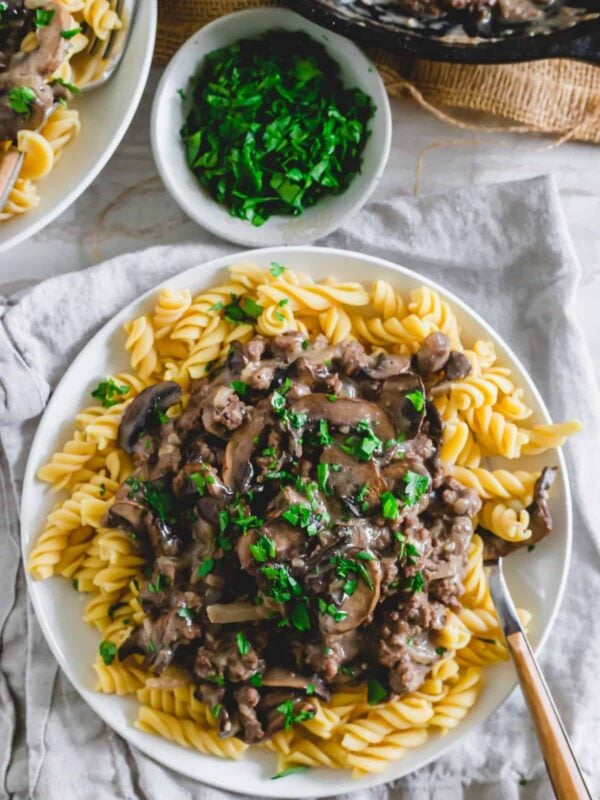
A dollop of beef tallow stirred into soups, stews or sauces deepens the flavor, adding an extra layer of richness that other fats can’t replicate. It’s a secret ingredient that takes comfort foods to the next level. It’s wonderful in Instant Pot beef and mushroom stew or Moroccan lamb lentil stew for extra depth and umami flavor.
Non-culinary uses of beef tallow
While beef tallow shines in cooking, its uses don’t stop there. Tallow’s rich, natural texture makes it the perfect base for crafting homemade skincare products. For instance, it’s a game-changer in recipes like whipped tallow body balm, which mimics the skin’s natural oils and provides deep hydration without clogging pores.
Soap making
Tallow has long been prized for its ability to create firm, long-lasting bars of soap that lather beautifully. Try it in this homemade bar soap to create a practical and nourishing product. Unlike synthetic soap bases, tallow-based soaps are gentle on the skin and environmentally friendly.
Candles and beyond
Tallow is also a key ingredient in DIY candles. Its high melting point and slow burn time make it an excellent choice for creating candles that last longer and burn cleanly. It’s a biodegradable and sustainable option that standard commercial candles can’t compete with.
How to make beef tallow at home
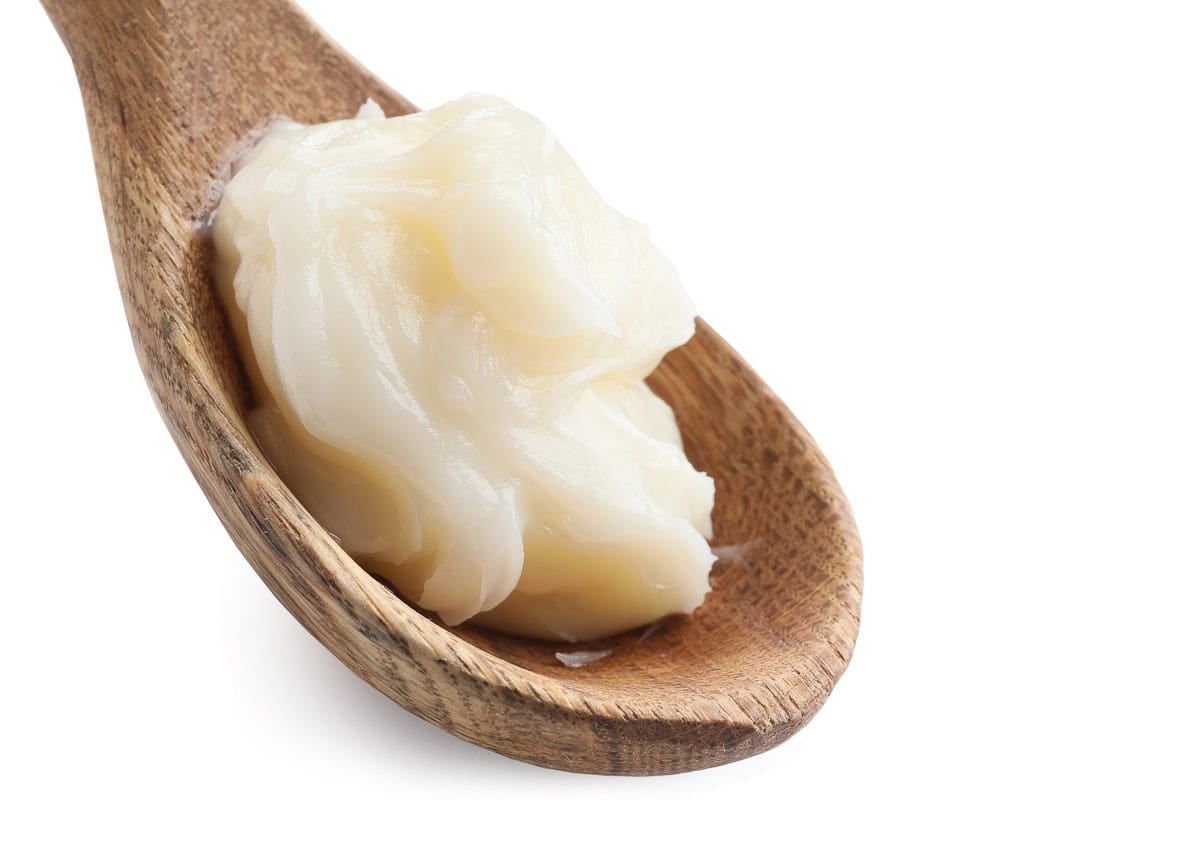
Making beef tallow at home is surprisingly simple and allows you to control the quality. All you need is fresh beef fat, a fine mesh strainer and some jars for storage. The process involves slowly rendering the fat, straining out impurities and letting it cool to solidify. Check out this article on how to make beef tallow for a detailed recipe and guide.
Once you’ve made your tallow, use it in any of the ways previously talked about.
Where to get beef fat
If you’re planning to make your own tallow, the only thing you really need is good quality beef fat. The problem is, most grocery stores don’t exactly have a neat little package labeled “beef fat,” so you have to know where to look.
Start with a local butcher. This is the easiest option. Ask for beef fat or suet and there’s a good chance they’ll either have it on hand or can set some aside for you. It’s often inexpensive and sometimes even free since it’s a byproduct they’d otherwise discard.
Check farmers markets or local farms. If you’re already buying meat locally, just ask. Farms that sell beef directly almost always have fat available, especially if they’re breaking down whole animals. This is usually your best bet for higher quality fat if that matters to you.
Look into buying meat in bulk. If you’ve ever considered buying a quarter or half cow, this is one of those added benefits people don’t always think about. You’ll end up with plenty of fat trimmings along with your cuts, which makes rendering your own tallow an easy next step. It’s also one of the most cost-effective ways to stock your freezer and make use of the entire animal instead of letting parts go to waste.
In a pinch, some specialty grocers carry it. You might find frozen suet or packaged beef fat at higher-end grocery stores or specialty markets, but it’s less common and usually more expensive than sourcing it locally.
Why skip store-bought tallow?
Store-bought tallow often contains additives or preservatives to extend its shelf life. When you make your own, you know exactly what’s in it — pure, rendered beef fat, just as it should be. It’s also an excellent way to reduce waste if you have leftover beef trimmings.
Homemade tallow can be stored in the refrigerator or freezer for months. Plus, the satisfaction of making it yourself is worth the effort.
Tips for storing and using beef tallow
Beef tallow is incredibly shelf stable, especially when stored in a cool, dry place. If you keep it in an airtight jar, it can last for up to a month at room temperature or several months in the fridge. For longer storage, freeze it in small portions for up to three months.
When refrigerated, tallow solidifies into a soft, spreadable texture, much like coconut oil. This makes it easy to scoop out and use as needed.

Trina Krug
Trina Krug, MS, CDSP is a holistic nutritionist, recipe creator and advocate for human health. Her passion for low carb lifestyles, gluten free eating and real nutrition education has led to the creation ofTrina Krug. She spends her time creating recipes, hanging out with her family on her farm and actively working on her Doctor of Science in Integrative Health.