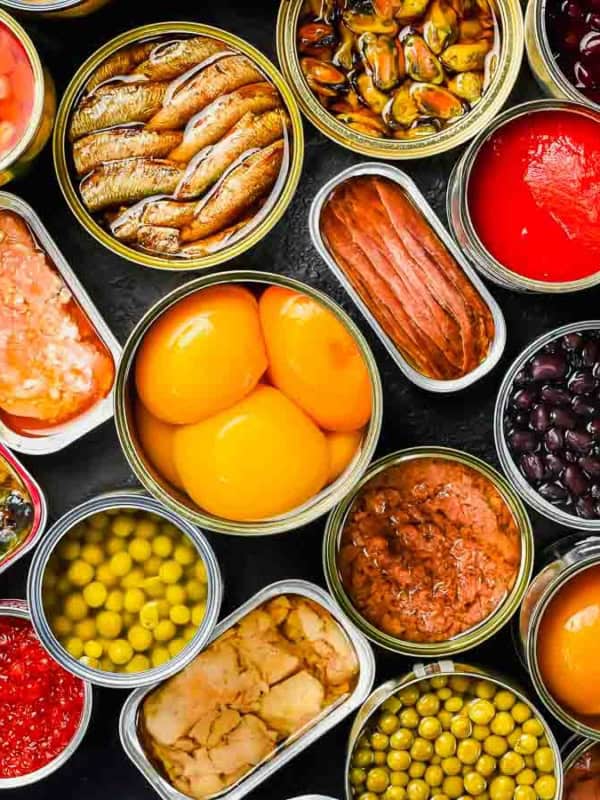


A lot of the foods we buy on autopilot come with more behind them than the label tells us. Some of the chemicals and contaminants found in everyday groceries aren’t there because anyone added them on purpose. They often come from how the food was grown, processed or packaged, and most people never realize they’re part of the picture. Understanding what these chemicals are and how they end up in common foods can help you make choices that feel more informed, not more stressful.
Acrylamide
Acrylamide forms when starchy foods like fries, chips, crackers and cookies are cooked at high temperatures. So when you grab a bag of crispy chips or pull toast out of the toaster when it’s very dark, you’re probably getting at least a little acrylamide. It’s considered a possible carcinogen, which means it may raise cancer risk when you’re exposed to it over many years. That doesn’t mean you need to give up everything crunchy, but it does mean it’s worth paying attention. You can cut your exposure by not burning your toast, choosing lighter baked goods when you can, and not relying on fried snacks as an everyday habit.
Arsenic
Arsenic is a naturally occurring element that can end up in food through soil and water, and rice is one of the biggest sources in a typical diet. It can also show up in apple juice and in some animal products. The problem is that even low amounts add up when you eat the same foods regularly, and long term exposure is linked to skin issues, certain cancers and heart problems. If your family eats a lot of rice, that’s where it makes sense to focus. You can rinse rice well, cook it in extra water and drain it, rotate in other grains like quinoa or barley, and choose basmati or jasmine rice, which usually contain less arsenic than some other types.

Bisphenol A (BPA)
BPA is a chemical used in some plastic containers and in the lining of many cans. When those containers hold hot, fatty or acidic foods, a bit of BPA can move into whatever you’re eating or drinking. Researchers worry about BPA because it acts somewhat like a hormone in the body and may affect brain development, behavior and reproductive health, especially in kids. You don’t have to toss your whole pantry, but you can make small changes that add up. Look for cans labeled BPA free, avoid microwaving food in old plastic containers, and reach for glass or stainless steel when you’re storing leftovers or packing lunches.
Mercury
Mercury builds up in larger, long lived fish like tuna, swordfish and shark. When you eat those fish often, you’re taking in more mercury than you might realize. It’s a big concern for people who are pregnant or planning to be, and for young children, because mercury can affect a baby’s developing brain and nervous system. It’s also linked to heart problems in adults. You don’t need to cut seafood out of your life to protect yourself. You can choose fish that are naturally lower in mercury, like salmon, pollock, cod, shrimp and sardines, and treat big predatory fish as an occasional choice instead of a weekly staple.
Lead
Most people think of old paint when they hear “lead,” but food can be a source too. Lead can be present in soil near roads, old buildings or contaminated areas, and plants can take it up as they grow. It can also get into food and water through older pipes or certain imported products. Lead matters because the body doesn’t handle it well at any level, especially in children. It’s linked to learning problems, lower IQ and behavior issues in kids, and it can affect blood pressure and heart health in adults. You can lower your risk by washing produce well, running tap water for a bit before drinking if your home has old plumbing, and being cautious with imported candies, spices or herbal products that don’t have strong safety controls.
Pesticides
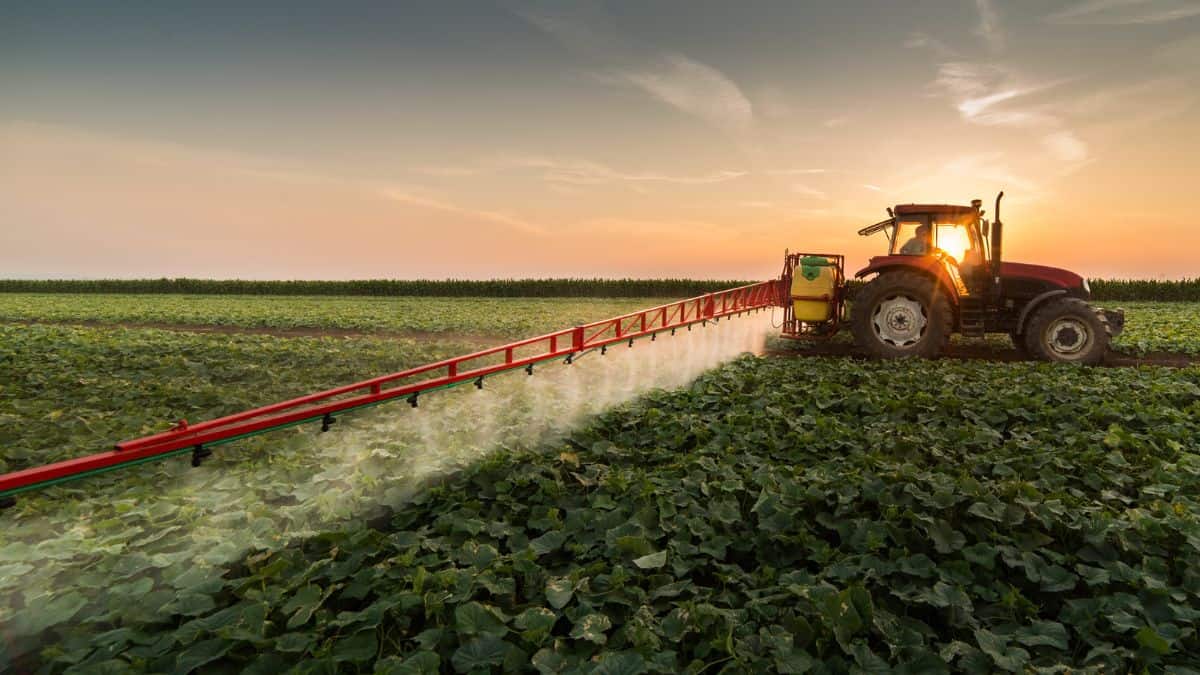
Pesticides are used to protect crops from insects, mold and weeds, and traces of them can stay on fruits, vegetables and even end up in meat and dairy from animals that ate treated feed. Some pesticides have been linked to hormone disruption and nervous system problems, especially with repeated exposure. You’re not expected to buy everything organic to stay safe, but it helps to be more intentional. You can wash and scrub produce under running water, peel items with thick skins when it makes sense and buy organic for a few items your household eats often and in large amounts, especially if small kids are the ones eating them.
Polychlorinated Biphenyls (PCBs)
PCBs are industrial chemicals that were banned years ago, but they’re still hanging around in the environment. They tend to collect in fatty tissues, which is why farmed salmon and some other fatty fish sometimes test higher for them. PCBs are linked to higher cancer risk and may affect the immune system, thyroid and reproductive health. You don’t have to avoid fish entirely, since it also brings real benefits. It’s more about smart choices. You can rotate between different kinds of fish, choose wild caught options when it’s realistic, trim visible fat and avoid charring skin and fatty areas, where more of these chemicals tend to concentrate.
Mycotoxins
Mycotoxins are toxins produced by certain molds that grow on grains, nuts, coffee and legumes, especially when they’re stored in warm, humid conditions. You won’t always see or smell them, which is part of what makes them tricky. High exposure over time can affect the liver, immune system and may increase cancer risk. You can lower your risk by buying from brands that move products quickly, storing nuts and whole grains in cool, dry places or even in the fridge or freezer, and tossing anything that smells off or looks moldy. It can feel wasteful to throw food out, but in this case it’s not worth trying to save it.

Phthalates
Phthalates are chemicals used to make plastics more flexible, and they can reach food through processing equipment, packaging and even gloves used in food handling. They’re of concern because they may interfere with hormones that control growth and reproduction. Children and people who are pregnant are considered especially vulnerable. Since phthalates are all around us, you can’t avoid them completely, but you can cut down on some obvious sources. You can cook more at home instead of relying heavily on highly processed packaged foods, store food in glass or stainless steel when you can, and avoid heating plastic containers that aren’t made for high temperatures.
Trans Fats
Trans fats are created when oils are processed to stay solid and stable on the shelf. Even though many countries have restricted their use, they can still show up in some fried foods, baked goods, frosting and packaged snacks. They matter because they raise LDL, the “bad” cholesterol, lower HDL, the “good” cholesterol, and make heart disease more likely over time. Labels may list them as partially hydrogenated oils, so it’s worth flipping the package over and checking the ingredient list, not just the nutrition panel. When you can, choose products made with regular oils, cook more from scratch and treat heavily processed snacks as sometimes foods rather than daily habits.
Select images provided by Depositphotos.

Gina Matsoukas is an AP syndicated writer. She is the founder, photographer and recipe developer of Running to the Kitchen — a food website focused on providing healthy, wholesome recipes using fresh and seasonal ingredients. Her work has been featured in numerous media outlets both digital and print, including MSN, Huffington post, Buzzfeed, Women’s Health and Food Network.