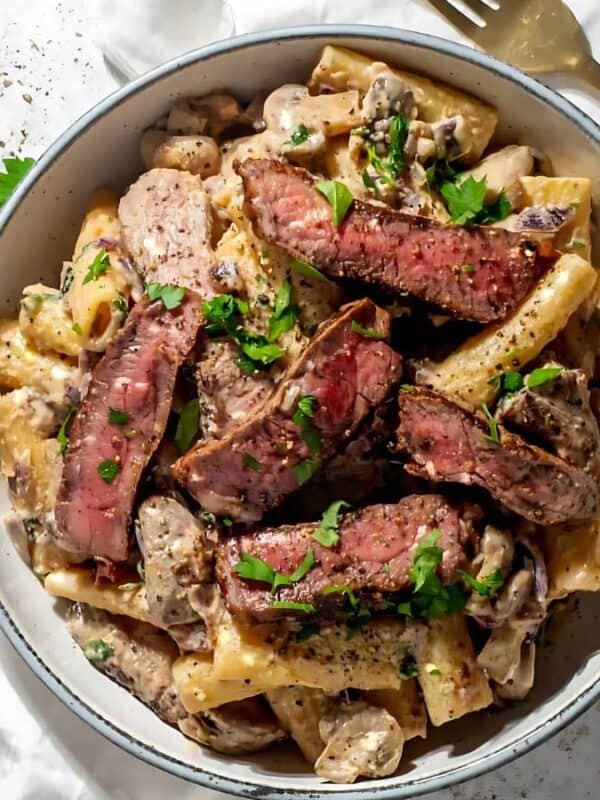


Most people think of prunes when digestion comes up, but there are plenty of other foods that can help keep your system regular. Staying on top of gut health isn’t about one magic fix, it’s about building meals that give your body the fiber, water, and nutrients it needs to do the job right. You don’t have to track down specialty ingredients or overhaul your diet to make it happen. Everyday foods like fruits, vegetables, grains and seeds can make a noticeable difference when they’re part of your routine. Adding even a few of them regularly can help prevent the discomfort that comes with feeling backed up.

Flaxseed Oil

Flaxseed oil is one of those ingredients that doesn’t look like much but can make a real difference for your digestion. The omega-3 fatty acids in it support gut health and the oil itself has a natural lubricating quality that helps keep things moving without relying on supplements or quick fixes. If drinking it straight sounds unappealing, you don’t have to. Stirring a spoonful into a smoothie or whisking it into a salad dressing blends it right into your day. It’s a simple change that adds up when you’re trying to avoid the discomfort of feeling stuck or sluggish.
Sauerkraut
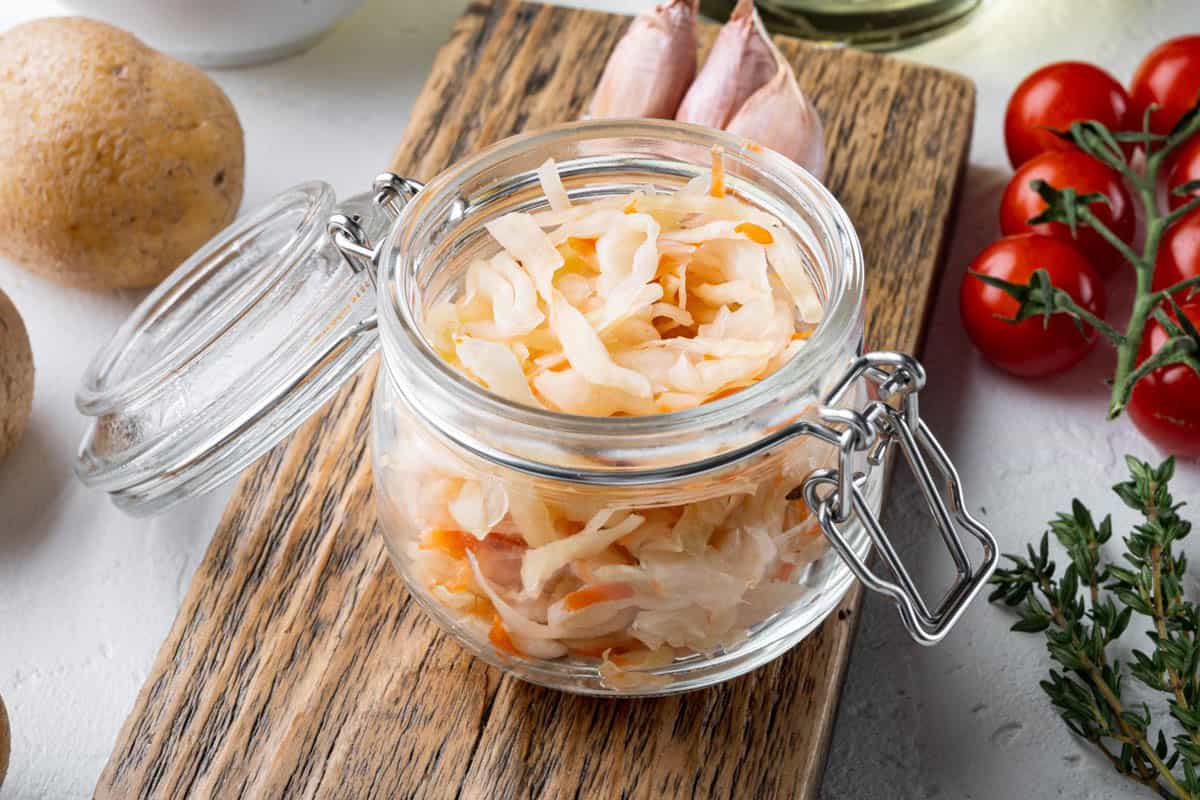
A forkful of sauerkraut delivers far more than crunch and tang. Because it’s fermented, sauerkraut is packed with probiotics that help balance the bacteria in your gut, which plays a big role in digestion. When your gut bacteria are thriving, so does your digestion, and that can mean fewer struggles with irregularity. It works as a topping for sandwiches, grain bowls, or even alongside grilled meats. Keeping a jar in the fridge makes it easy to scoop out a little at a time so your gut gets regular support without you needing to think too hard about it.
Make your own: Sauerkraut
Lentils
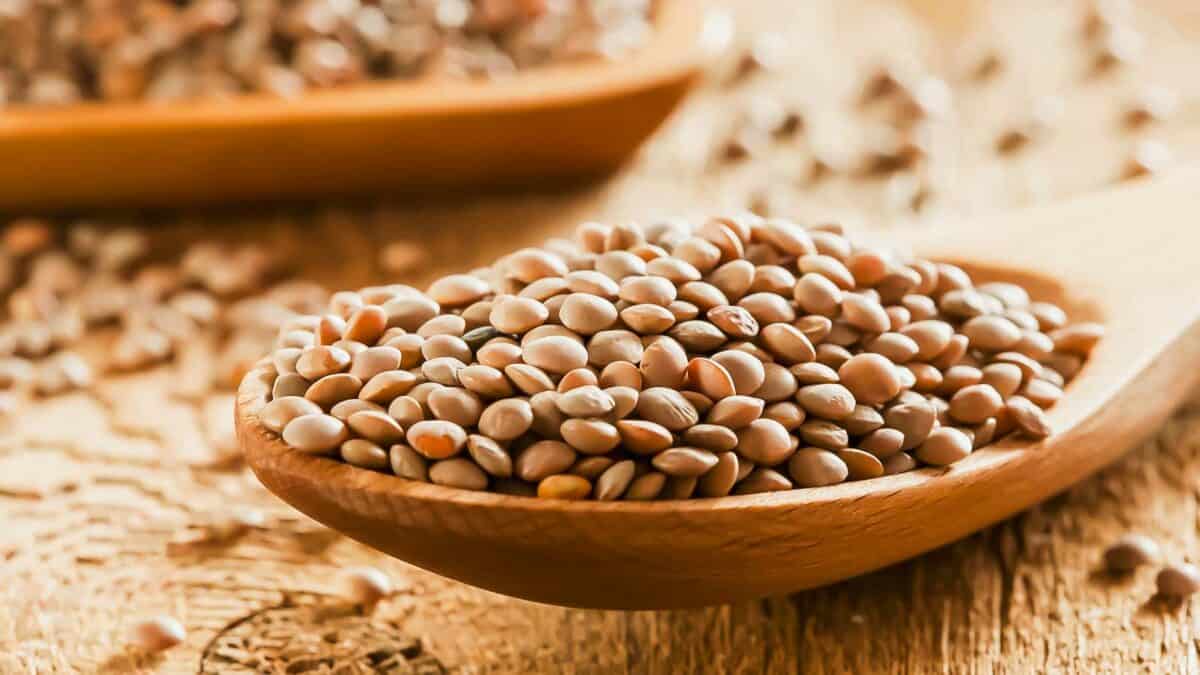
Lentils are a quiet powerhouse when it comes to supporting digestion. They’re loaded with fiber that bulks up stool and magnesium that helps your gut muscles contract the way they should, making them a two-for-one when you’re aiming to stay regular. They’re also versatile and affordable, which means you can work them into meals without much planning. A pot of lentil soup, a chilled lentil salad, or even a quick sauté with vegetables gives your gut what it needs to keep working smoothly while also keeping your grocery bill in check.
Enjoy this Recipe: Lentil Tabbouleh
Apples

Apples are one of the easiest foods to grab when you want a natural way to support digestion. They contain both soluble fiber, which softens stool, and insoluble fiber, which adds bulk and helps it move along. Eating them with the skin on makes a big difference since that’s where much of the fiber is found. Beyond that, they’re portable, inexpensive, and can be eaten in so many ways—on their own, sliced into oatmeal, or chopped into a salad. Making apples a daily habit is a low-effort way to help your digestion stay regular.
Start Your Day with this: Apple Nut Porridge
Kefir

Kefir is a fermented milk drink that brings probiotics directly into your gut, and those probiotics are essential for a smooth digestive process. Think of it as a living food that helps balance out the bacteria in your system, keeping things running more efficiently. If you’ve never tried it, kefir tastes tangy and slightly tart, similar to drinkable yogurt. You can sip it plain, blend it into a smoothie, or even use it as the base for a salad dressing. Adding it a few times a week can give your digestion consistent support while breaking up the monotony of your usual routine.
Try this Recipe: Kefir Ice Cream
Sunchokes (Jerusalem Artichokes)

Sunchokes don’t get nearly the attention they deserve, but they’re one of the best vegetables you can eat for digestion. They’re rich in inulin, a type of prebiotic fiber that feeds the good bacteria in your gut and helps everything work more efficiently. The texture is similar to a potato, but the flavor is slightly nutty and sweet, which makes them easy to cook with. Roast them until they’re crisp on the outside and soft inside, shave them thin into a salad, or simmer them into a soup. However you use them, you’ll be adding a nutrient-dense food that helps your gut stay regular.
Try this Recipe: Sunchoke Salad
Figs
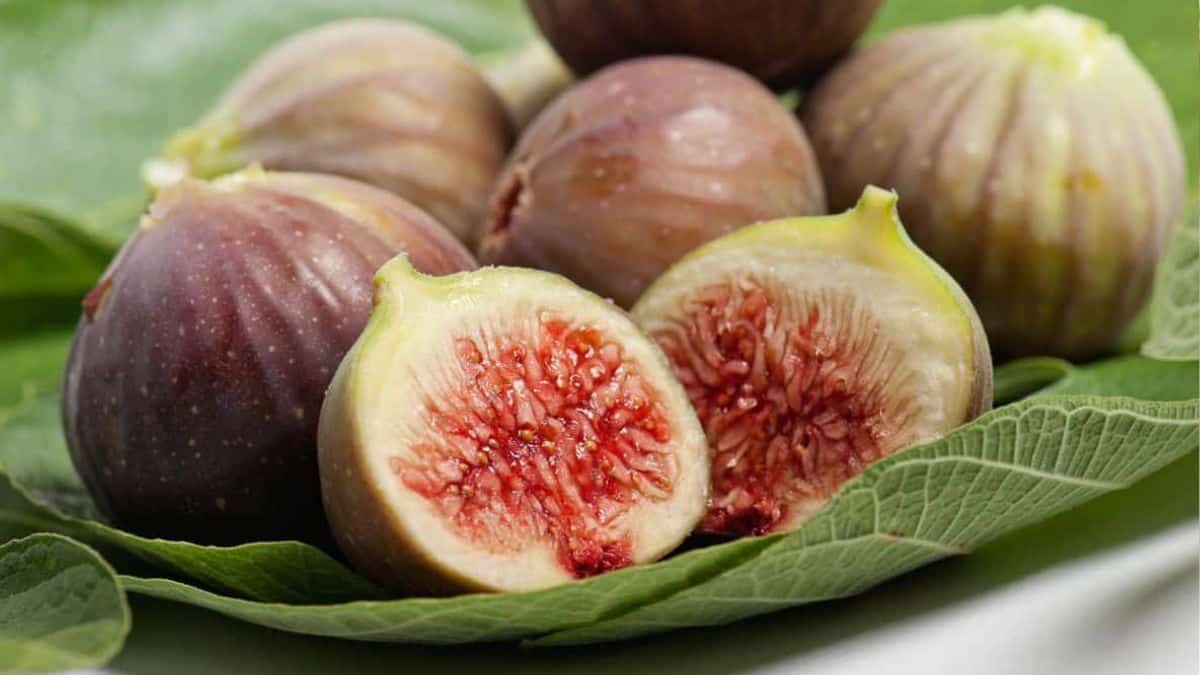
Figs are naturally sweet, but they also bring a hefty amount of fiber to the table. That combination makes them a great snack when you want something that feels like a treat but still does good work for your digestion. The fiber in figs bulks stool and helps keep it moving, while the natural sugars provide a quick source of energy. Fresh figs can be sliced over yogurt or oatmeal, while dried figs are easy to keep on hand for snacking. Making them a regular part of your diet is a simple way to support your gut while satisfying a craving for something sweet.
Try this Recipe: Warm Apple & Fig Salad
Pears
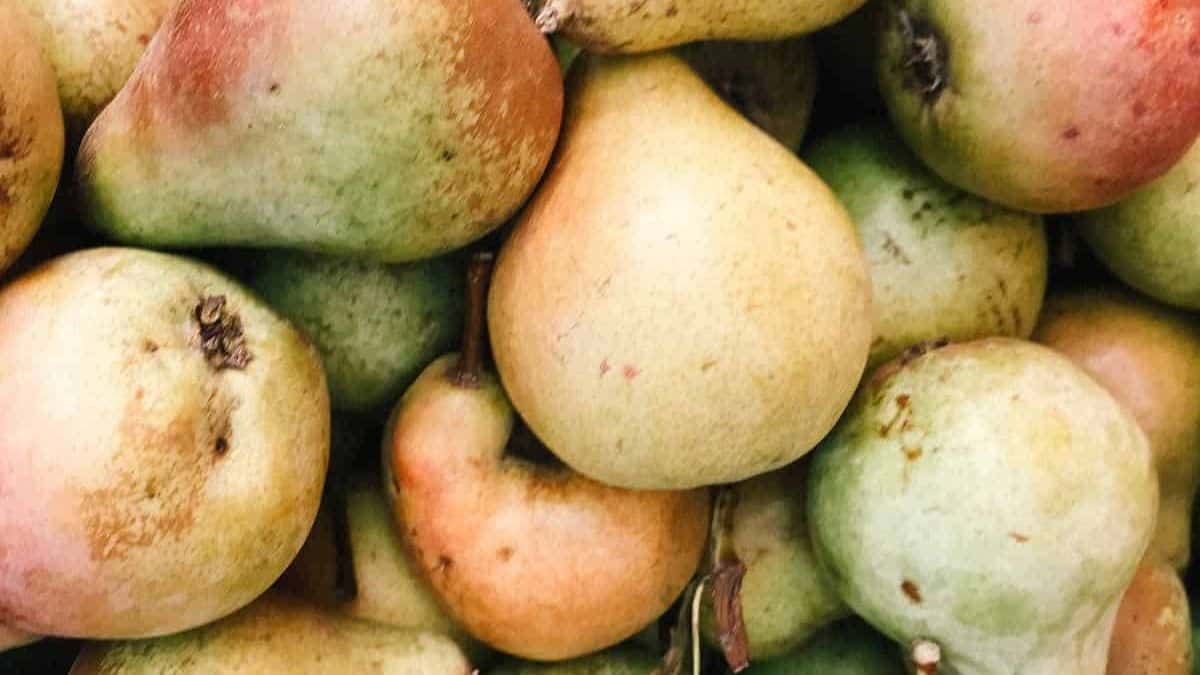
Pears are another fruit that delivers more than just flavor. They contain both fiber and natural sugars like sorbitol and fructose, which help soften stool and make it easier to pass. Eating a ripe pear gives you hydration along with gut support, since pears are high in water content as well. They’re easy to eat fresh but also great blended into smoothies or baked into oatmeal. Keeping a few pears in the fruit bowl makes it effortless to work digestive support into your daily routine.
Enjoy this Recipe: Pear Smoothie
Broccoli
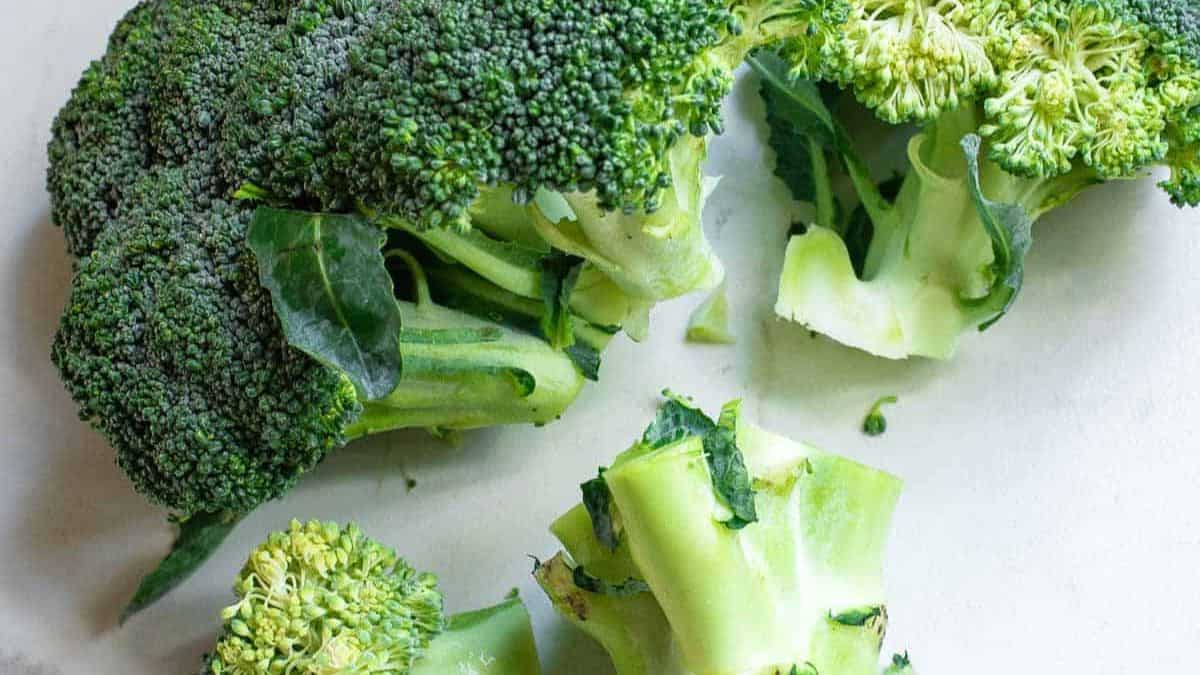
Broccoli is one of those vegetables that always makes the list for good reason. It’s packed with fiber and water, which work together to keep digestion running smoothly. It also contains compounds that support gut health in other ways, including feeding beneficial bacteria. The best part is how versatile it is—steam it, roast it, toss it into a stir fry, or even eat it raw with dip. Making broccoli a regular side dish is an easy step that pays off with better digestion and stronger overall health.
Try this Recipe: Crispy Air Fryer Broccoli
Kiwis
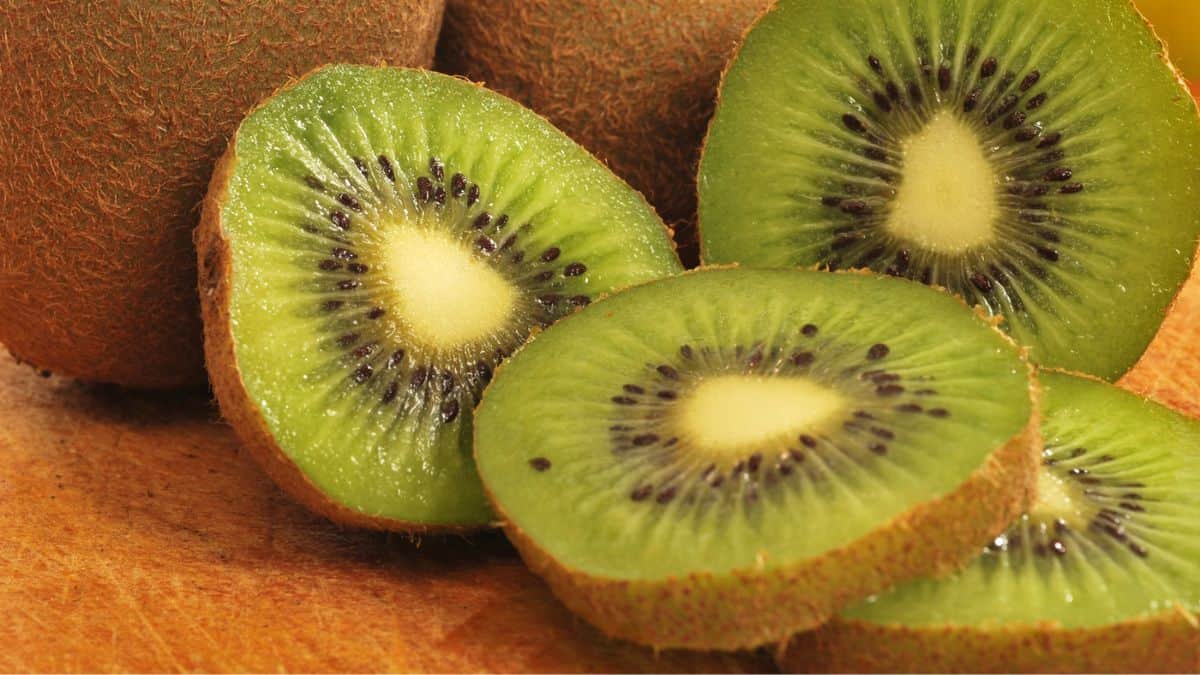
Kiwis are a small fruit with a big impact on digestion. They provide fiber, but they also contain an enzyme called actinidin, which helps break down proteins and makes the digestive process easier. That means kiwis go beyond just adding bulk; they actually help your body process what you eat more efficiently. Eat them on their own, slice them into fruit salads, or blend them into smoothies for a refreshing option. A couple of kiwis a day can make a noticeable difference for your gut.
Try this Recipe: Kiwi Salsa over Coconut Salmon
Beans

Beans are one of the most fiber-dense foods you can eat, which makes them a staple for anyone trying to improve digestion. The fiber in beans helps bulk stool and keep things moving, while the protein and nutrients make them a filling addition to meals. There’s no shortage of ways to use them—add them to soups, stir them into salads, wrap them into burritos, or cook them as a side dish. Working beans into your weekly meals can make a big difference in how your digestive system functions.
Try this Recipe: Escarole & Beans
Oat Bran

Oat bran is packed with both soluble and insoluble fiber, giving it a powerful effect on digestion. Soluble fiber softens stool while insoluble fiber adds bulk, and together they keep your gut moving the way it should. It’s easy to sprinkle oat bran over yogurt, blend it into a smoothie, or mix it into pancake or muffin batter. Keeping a bag in your pantry means you can give any meal a quick fiber boost without needing to change much else in your diet.
Try this Recipe: Chocolate Protein Oat Bran
Chia Seeds
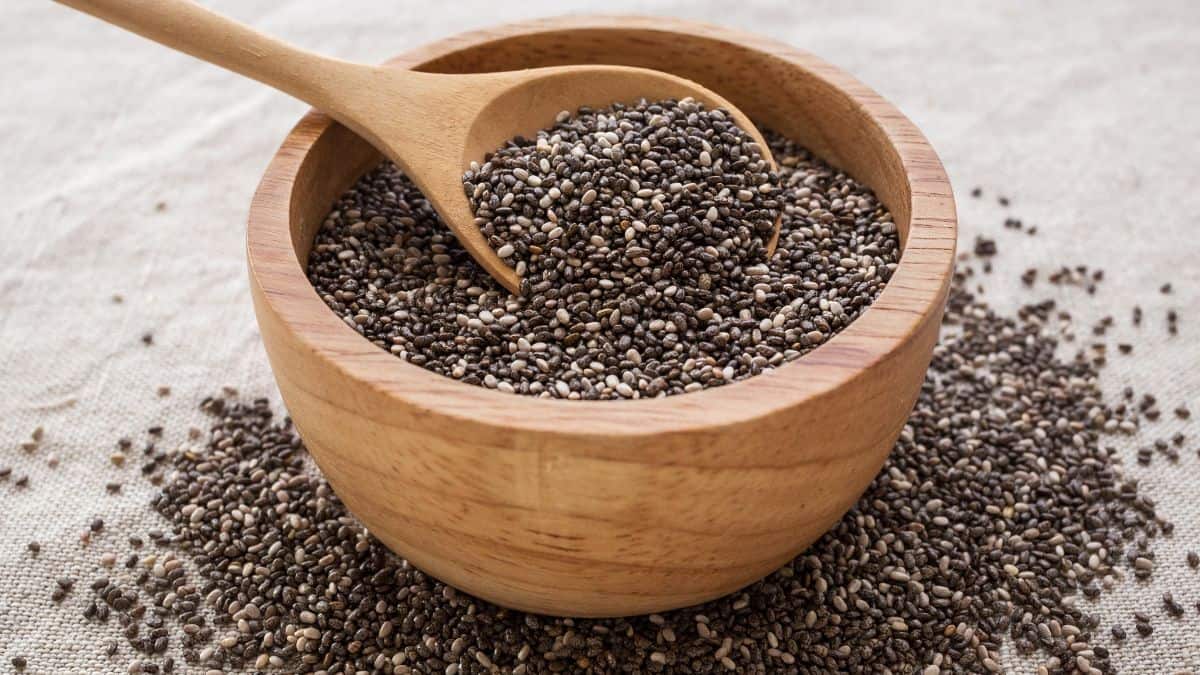
Chia seeds expand when they hit liquid, forming a gel-like texture that makes stool easier to pass. That makes them a valuable tool for anyone struggling with irregularity. On top of that, they’re loaded with fiber and healthy fats, which support digestion and keep you feeling full. They’re easy to add into oatmeal, overnight puddings, smoothies, or baked goods. A spoonful here and there goes a long way in keeping your gut on track.
Make this Recipe: Blueberry Chia Pudding
Peas
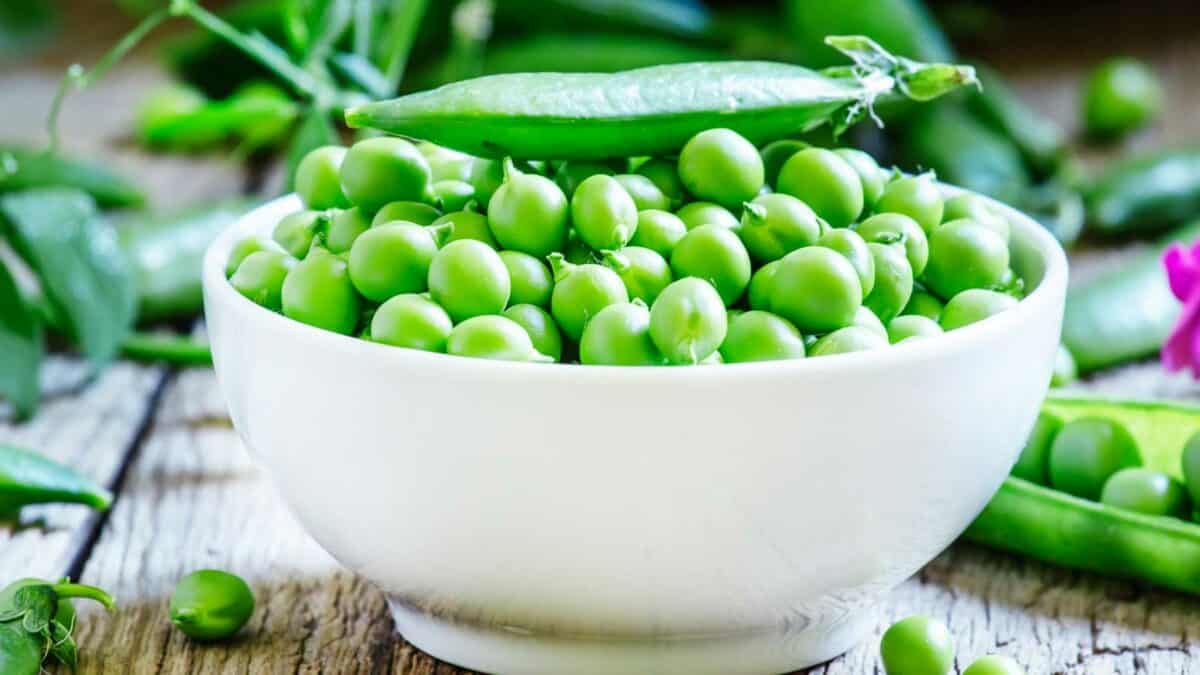
Peas might look simple, but they’re a small vegetable with plenty of digestive benefits. They contain fiber that bulks stool, along with protein that keeps meals balanced. Because they cook quickly, it’s easy to throw them into pasta, soups, or grain salads. Even frozen peas bring the same benefits, which makes them a reliable freezer staple when you need something quick and gut-friendly.
Turn them into this Recipe: Citrus Pea Pesto
Rye Bread

Swapping white bread for rye is one of the easiest changes you can make for better digestion. Rye bread is denser and higher in fiber, which means it helps keep stool moving more easily. It also has a hearty flavor that pairs well with savory toppings like hummus, avocado, or eggs. Making it your go-to bread for sandwiches or toast builds more fiber into your day without requiring any extra effort.
Use it to Make: Hummus Toast
11 Foods Nutritionists Wish You’d Stop Eating Now

We all have those guilty pleasures when it comes to food, but some items on our plates are doing more harm than good. Nutritionists point out a few usual suspects that might be sabotaging your health goals. These are the foods that experts strongly suggest cutting out or reducing in your diet. Read on to find out what to avoid and why making these changes can lead to a healthier, happier you.
Read it Here: 11 Foods Nutritionists Wish You’d Stop Eating Now
15 Simple Ways To Boost Your Fiber Intake Without Bran Cereal

Fiber is one of those nutrients most people don’t get enough of, even though it plays a big role in how your body feels day to day. You don’t need to rely on bland cereal or supplements to fix it. Simple food choices can go a long way toward helping you hit your daily fiber goals.
This guide breaks down easy, realistic ways to add more fiber without overthinking it. From everyday snacks to quick meal upgrades, these tips show how to get more fiber into your routine using food you already eat.
Read it Here: 15 Simple Ways To Boost Your Fiber Intake Without Bran Cereal
Select photos provided by Depositphotos.

Gina Matsoukas is an AP syndicated writer. She is the founder, photographer and recipe developer of Running to the Kitchen — a food website focused on providing healthy, wholesome recipes using fresh and seasonal ingredients. Her work has been featured in numerous media outlets both digital and print, including MSN, Huffington post, Buzzfeed, Women’s Health and Food Network.