


Drowning in a sea of plastic every time you step into your kitchen is a frustrating reality for many. Tackling this issue doesn’t require going zero-waste overnight, but every small change can make a big impact. Simple swaps, like replacing plastic bags and ditching single-use utensils, are easy to implement and can transform your kitchen. These practical tips will help you reduce plastic use and make a real difference.
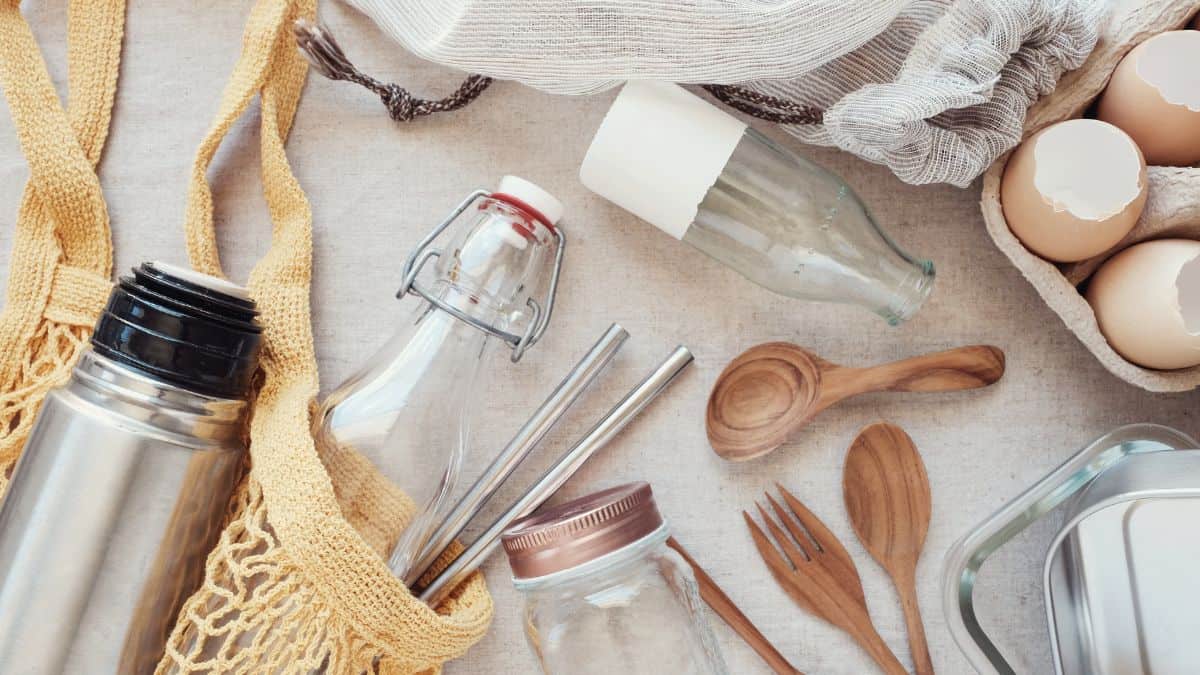
Switch to Silicone Storage Bags
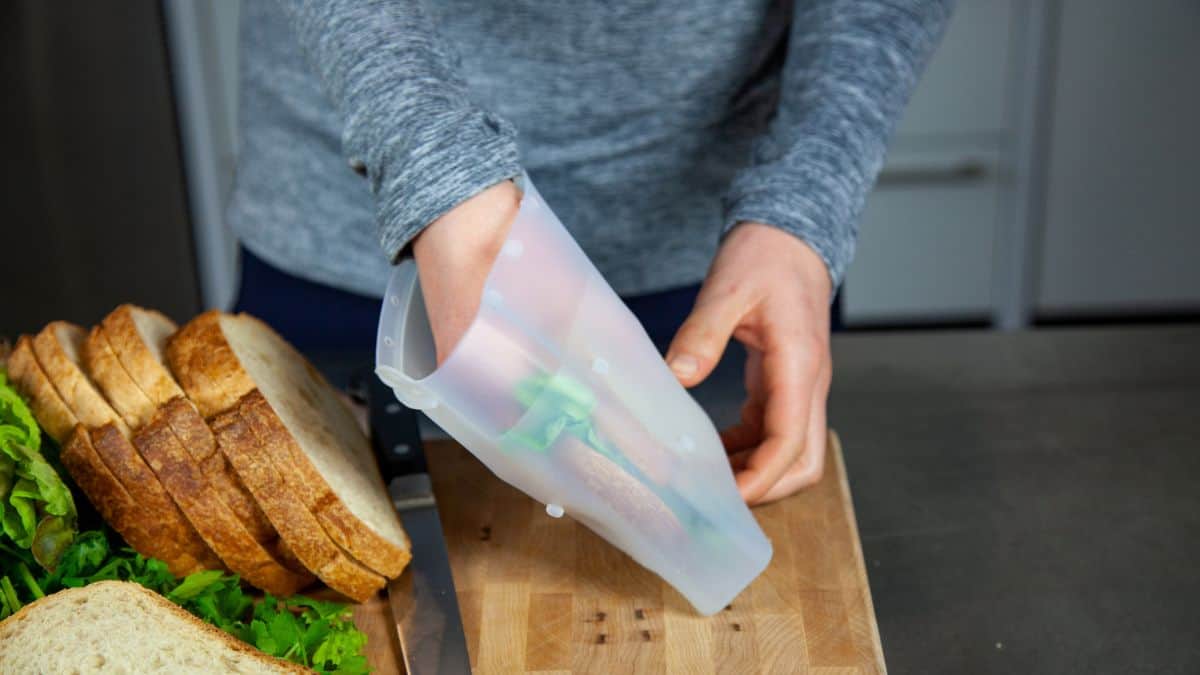
Replace single-use Ziploc bags with reusable silicone bags which are ideal for marinating, freezing, and storing leftovers.
Use Beeswax Wraps Instead of Cling Film

Beeswax-infused cloth serves as a sustainable alternative to plastic wrap, is washable, reusable, and compostable, and is perfect for wrapping sandwiches or covering bowls.
Invest in Glass or Stainless Steel Containers

Swap out plastic Tupperware for durable glass or stainless steel, which are better for the environment and do not retain food odors or stains.
Buy a Reusable Coffee Filter or Pod
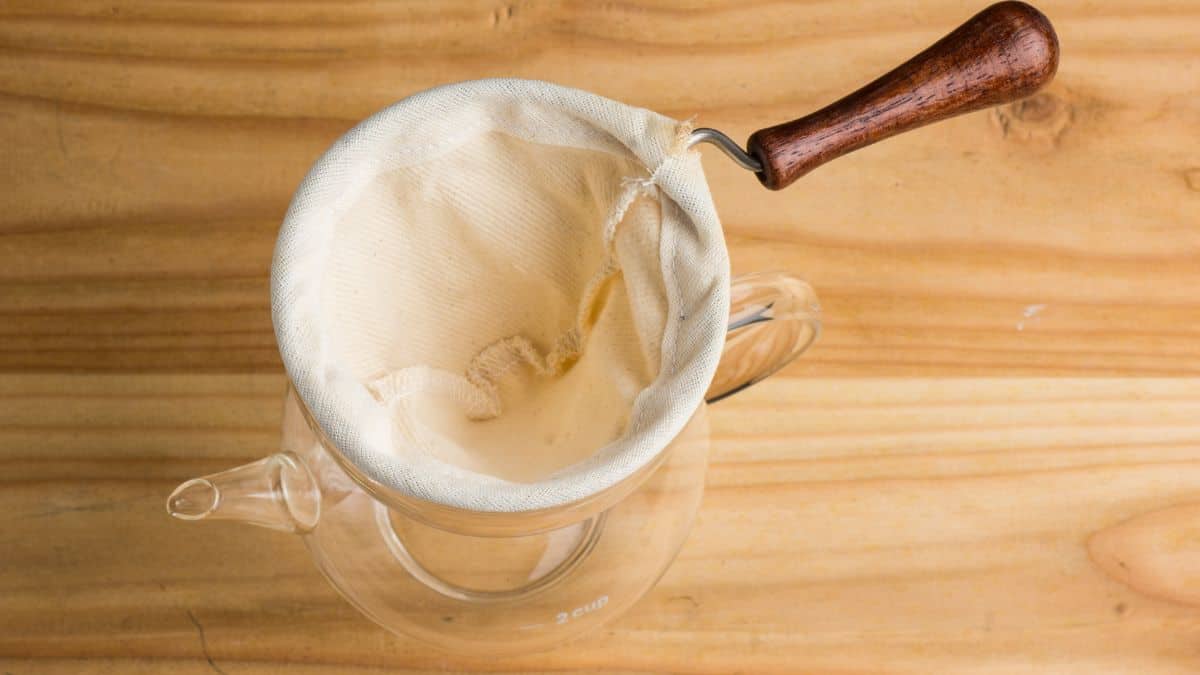
Use a metal or cloth coffee filter or refillable stainless steel pods that can be used with your own coffee grounds, reducing plastic waste.
Opt for Wooden Cooking Tools

Replace plastic spatulas, spoons, and cutting boards with wooden or bamboo alternatives that are more sustainable and aesthetically pleasing.
Choose Bulk Food and Avoid Packaging
Shop from bulk bins using your own containers to reduce the demand for plastic-packaged goods and decrease waste.
Adopt Mesh Produce Bags
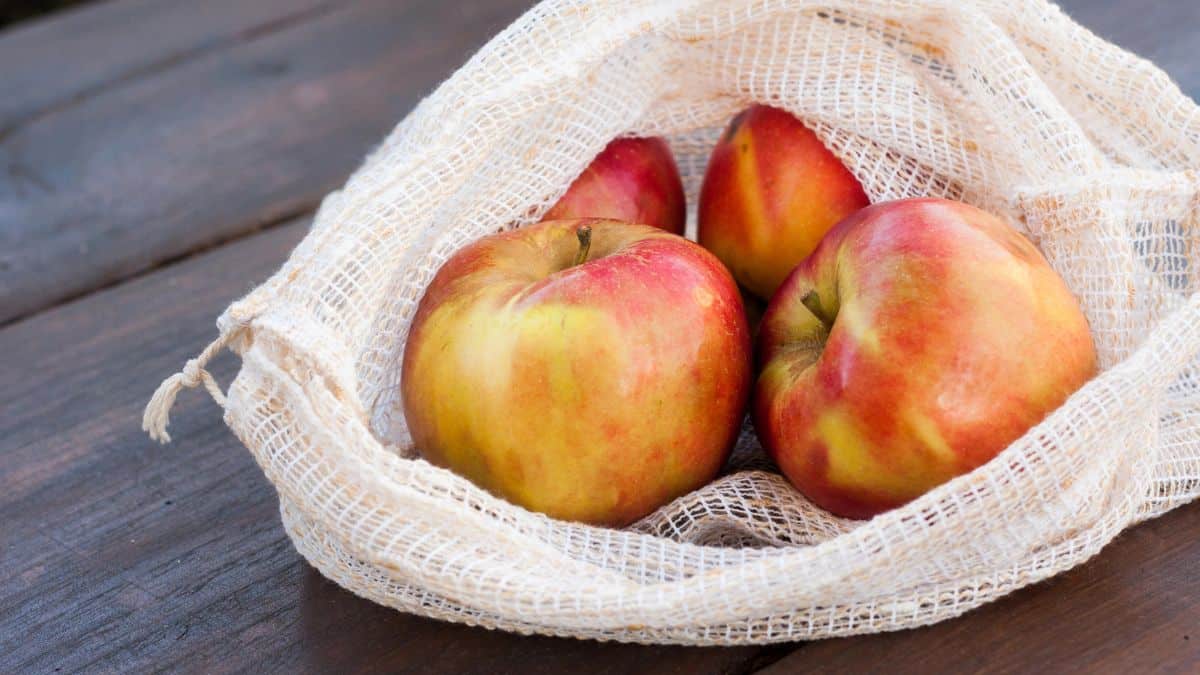
Utilize reusable mesh bags for purchasing and storing produce, which keeps fruits and vegetables fresh longer without plastic.
Use Cloth Instead of Sponge
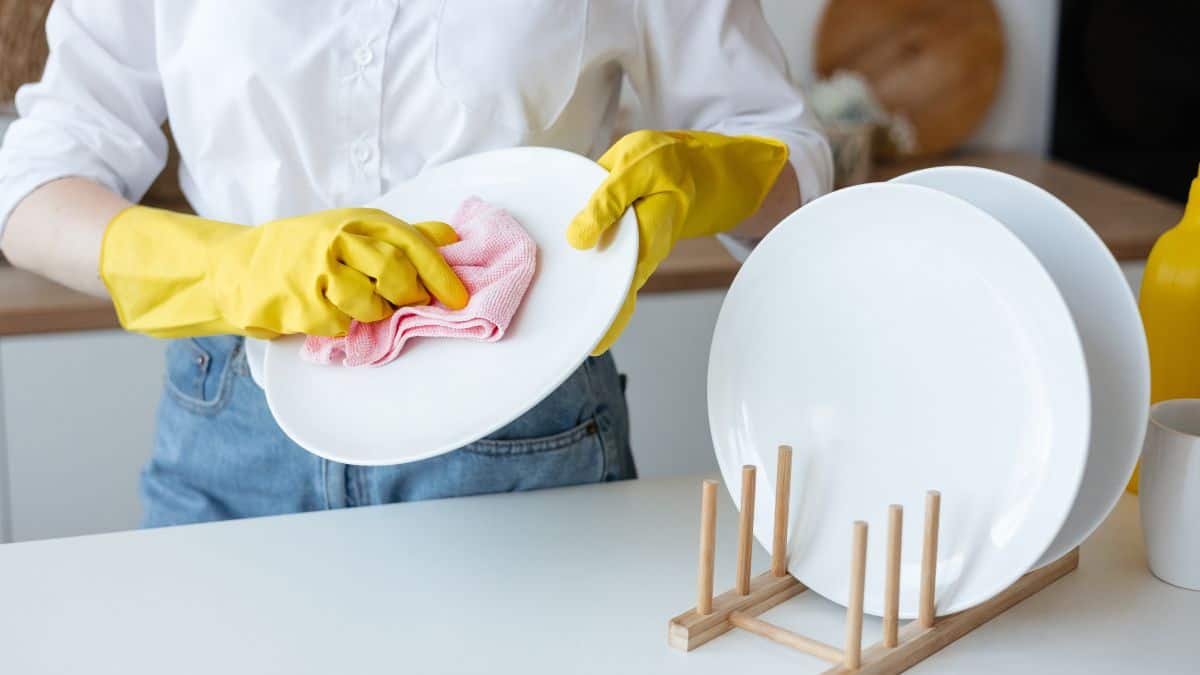
Replace sponges with washable cloth rags or a wooden dish brush which are durable, washable, and reusable.
Prefer Wooden or Paper Ice Cream Sticks

Choose ice creams with wooden sticks or make your own at home using paper sticks to avoid non-recyclable plastic sticks.
Get a Soda Maker to Avoid Plastic Bottles
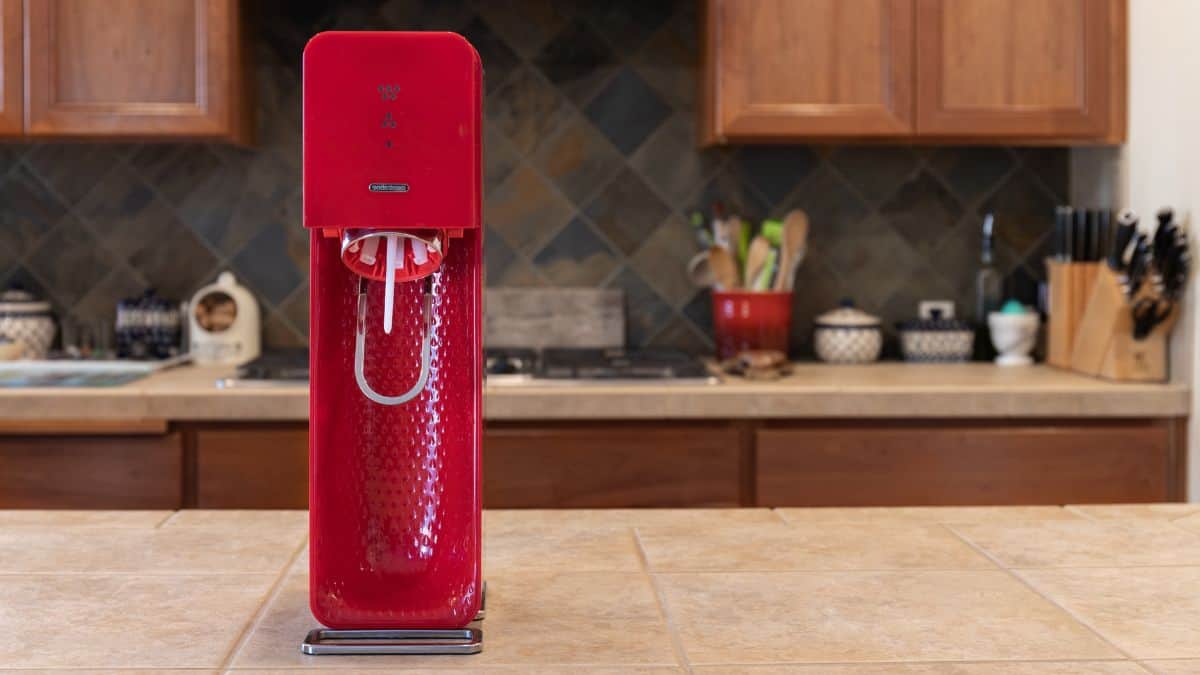
Invest in a soda maker for homemade carbonated beverages to eliminate the need for single-use plastic bottles.
Use Natural Fiber Dish Brushes
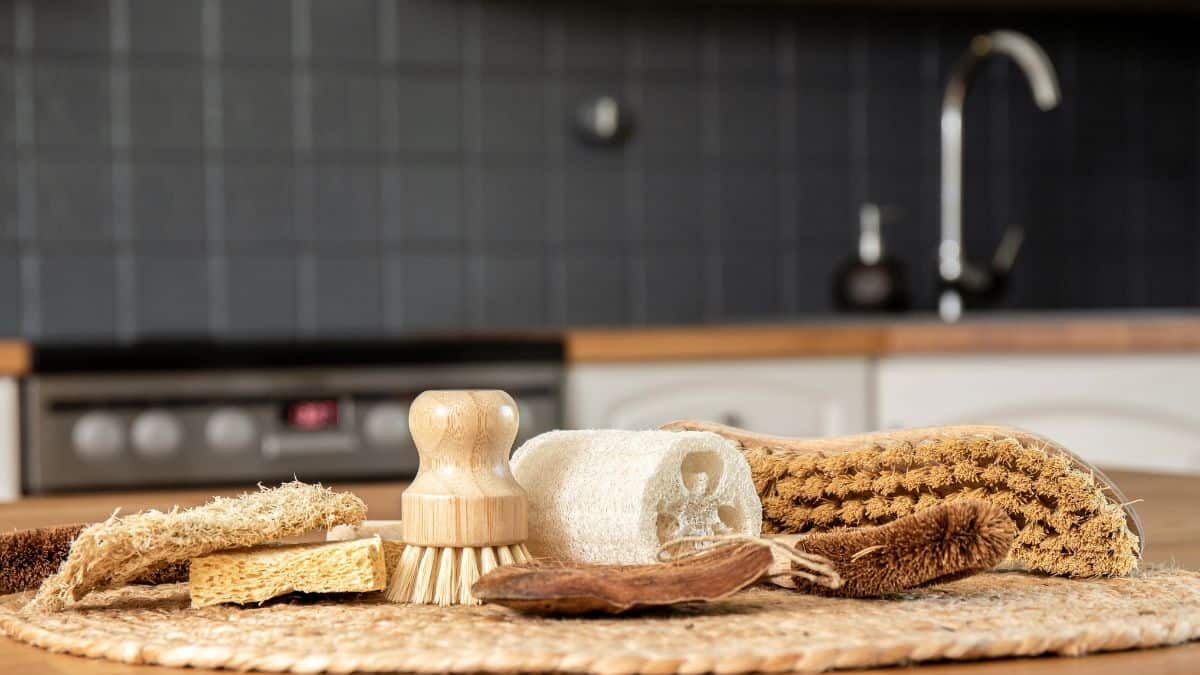
Opt for dish brushes made from plant-based fibers and wood, which are fully compostable at the end of their life unlike plastic brushes.
Buy Milk in Returnable Glass Bottles
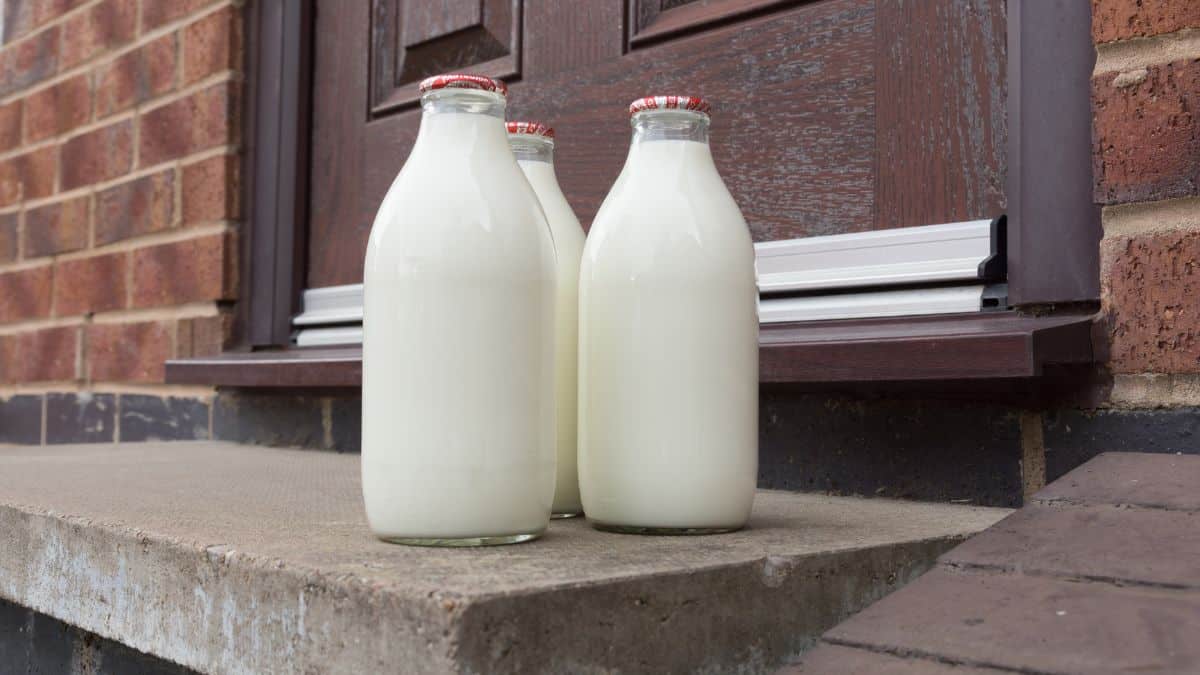
If you live in a more rural area, trying purchasing milk in returnable glass bottles from local dairies instead of plastic ones, which reduces plastic use and supports local businesses.
14 Ways To Repurpose Common Kitchen Scraps

Most of us throw away heaps of kitchen scraps every week without a second thought. However, many of these leftovers, from eggshells to orange peels, have surprising uses that can save you money and reduce your household waste. Whether you’re looking to enhance your garden, whip up some homemade cleaners, or add extra zest to your cooking, there’s a plethora of uses for what you might otherwise toss in the trash. Here are fourteen ingenious ways to repurpose common kitchen scraps into something spectacular.
Read it Here: 14 Ways To Repurpose Common Kitchen Scraps
11 Food Trends That Are Destroying the Environment

Food trends come and go, but their impact on the environment can linger much longer than their popularity. Take a look at how some of our favorite eating habits are not so favorable for the planet. From the water-intensive processes to the emissions-heavy transport of goods, it’s clear that what ends up on our plates can have far-reaching effects.
Read it Here: 11 Food Trends That Are Destroying the Environment
Select images provided by Depositphotos.

Gina Matsoukas is an AP syndicated writer. She is the founder, photographer and recipe developer of Running to the Kitchen — a food website focused on providing healthy, wholesome recipes using fresh and seasonal ingredients. Her work has been featured in numerous media outlets both digital and print, including MSN, Huffington post, Buzzfeed, Women’s Health and Food Network.