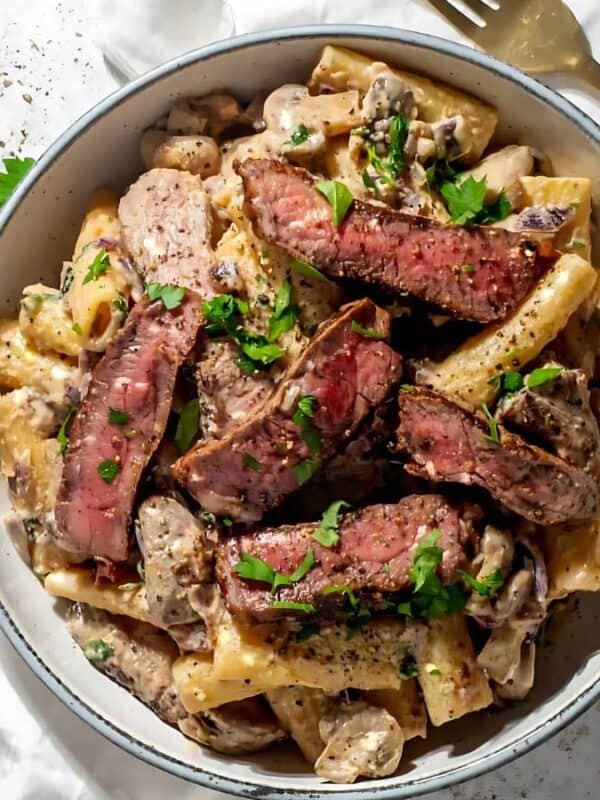


If you’re wondering why your smile has faded over the years, the answer is often on your plate or in your cup. Everyday staples like coffee, wine, and richly colored sauces can slowly wear down enamel and leave pigments behind. Acidic foods make it even easier for stains to settle in, turning a bright smile dull over time. If you don’t want to be buying whitening strips (which don’t even work half the time) on a monthly basis, reevaluating what you’re putting in your mouth may be an option worth exploring.

Coffee

Coffee might be the drink that starts your day, but it is also one of the biggest reasons teeth lose their brightness. The natural acids in coffee soften enamel, which makes it easier for dark pigments to settle in and create stains that brushing cannot fully remove. Sipping it slowly over the morning only increases the exposure and gives the color more time to sink in. Even light roasts or a splash of milk do little to prevent the gradual darkening that daily cups can leave behind.
Red Wine
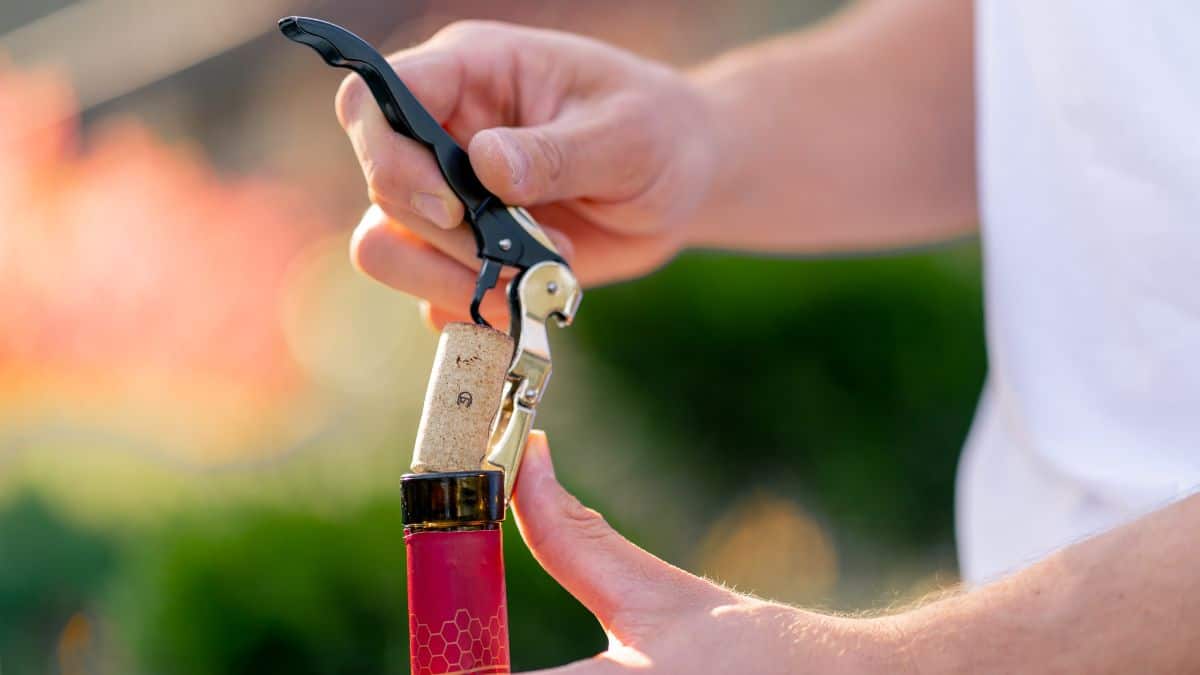
Red wine combines deep color, natural acidity, and tannins that easily cling to teeth. The acids wear down enamel while the pigments settle into the surface, leaving a duller look after regular glasses of Cabernet or Merlot. Those same tannins that give wine its dry feel are what help the color hold on, so even a single glass can leave a mark. Over time the stains build, making it harder to bring teeth back to a bright shade with simple brushing.
Black & Green Tea

Don’t let that health halo around green tea fool you! Both black and green teas are rich in tannins, which, like in wine, grab onto your enamel and deposit stains. Black tea has even more staining power due to its darker pigments. While green tea is less intense, over time, it can still leave your teeth looking a little less “zen” and more dull. Drink enough of it, and you might just find your teeth blending in with your matcha latte.
Berries
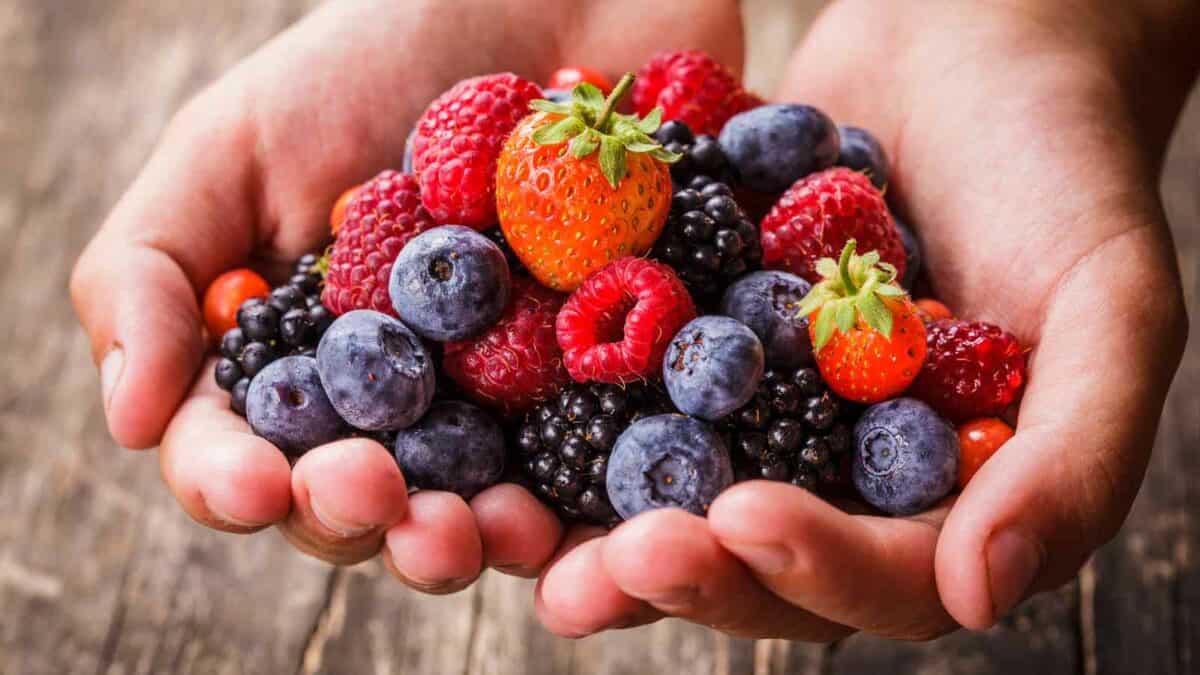
Blueberries, blackberries, and raspberries are packed with antioxidants and vitamins, yet the very pigments that make them healthy are tough on teeth. Their deep natural colors and acidity help them cling to enamel and leave behind purple or blue tints. Juices and smoothies concentrate those pigments even more, letting them reach every part of your teeth. Without rinsing or brushing soon after eating, the stains from these fruits can add up quickly.
Beets

Anyone who’s sliced fresh beets knows how easily their red juice stains hands and cutting boards. That same pigment can also hold onto enamel. Beets are slightly acidic, which softens the surface of the teeth and allows the deep color to seep in. Eating them in salads, roasted, or juiced regularly means the bright red tint can build over time and cause a stubborn discoloration that regular brushing cannot fully remove.
Tomato Sauce

Pasta sauces and pizza toppings made from tomatoes have a natural red pigment and enough acidity to open up enamel. This combination lets the color settle into the surface and stay there, especially when tomato-based meals are a frequent part of dinner. Even a quick rinse with water after eating may not stop the gradual staining that comes from repeated exposure to marinara, pizza sauce, or tomato soup.
Soy Sauce

The deep brown color of soy sauce carries pigments that cling to teeth. Its saltiness and slight acidity can also dry out the mouth, reducing saliva that would normally help wash stains away. A sushi night here and there is not a problem, but frequent use of soy sauce can leave a dark film that builds with time. The liquid consistency means it can seep into every surface of your teeth, making the stain harder to brush off.
Curry

Curry gets its striking color from turmeric, a spice that naturally leaves strong yellow pigments behind. These pigments can attach to enamel and remain long after the meal is finished. The sauces used in curry are often rich and slightly oily, which helps the color stick to teeth even more. Eating it often can gradually change the brightness of your smile and make whitening treatments more necessary.
Balsamic Vinegar

Balsamic vinegar has a dark hue and high acidity, a combination that softens enamel and lets pigment settle deep into the surface. Because it is usually used as a dressing or glaze, it can stay on teeth longer than you might expect, especially when mixed with other foods. Over time, regular drizzles on salads or vegetables can create a thin layer of discoloration that is hard to remove.
Soda
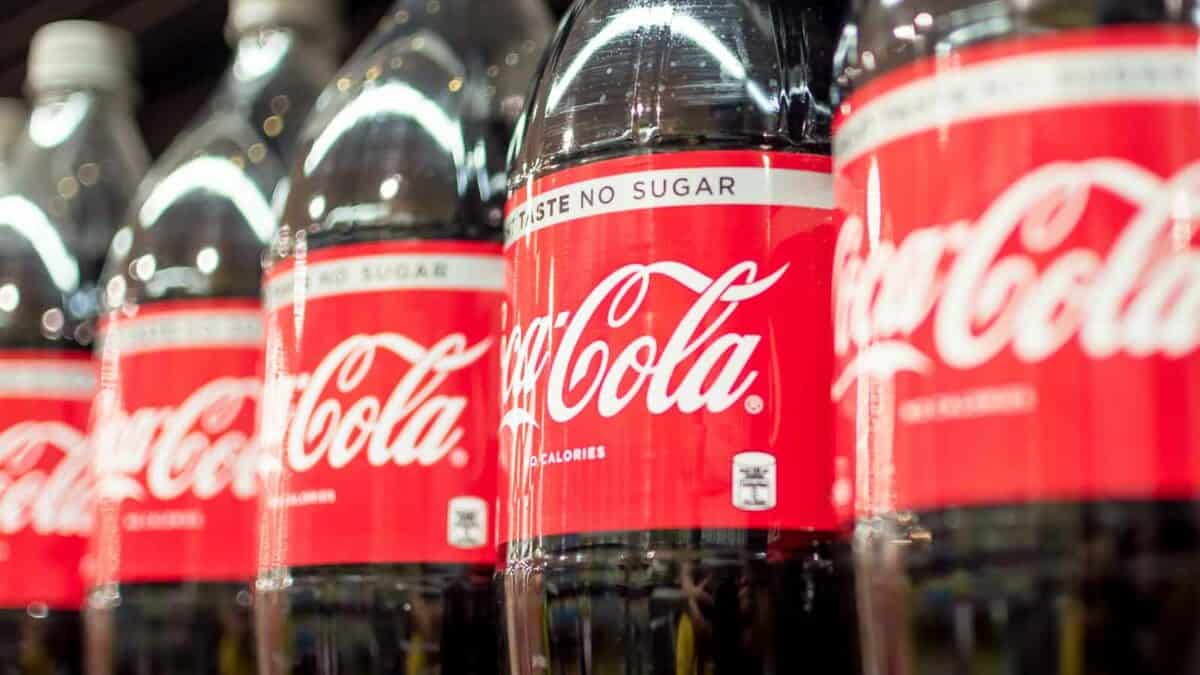
Dark colas like cola or root beer bring together sugar, caramel coloring, and acidity that wear away enamel and leave behind a brownish tint. Even diet versions carry the same acids that weaken tooth surfaces and let the color set in. Drinking them through the day is especially tough on teeth, as each sip renews the contact and gives stains more time to form.
Sports Drinks

Sports drinks are designed for hydration, but their high acid content makes enamel more porous. That weakened surface allows pigments from other foods and drinks to settle in more easily. Brightly colored varieties can also leave their own faint tint if you drink them often. Sipping them over long workouts only keeps the acids in contact with teeth longer. Coconut water can be a much better choice for multiple reasons.
Artificially Colored Candies

Brightly colored popsicles, hard candies, and chewy sweets often contain artificial dyes that leave a temporary coating on teeth. Repeated snacking can lead to more permanent stains as the dyes and sugar soften enamel over time. Even if the colors fade after a single treat, regular exposure lets those pigments settle in deeper and change the look of your teeth.
Pomegranates

The deep red juice of pomegranate seeds can easily stain hands and countertops, and teeth are no different. Its natural pigments and acidity open enamel and allow the color to linger. Juicing or eating pomegranate regularly can give teeth a subtle reddish hue that brushing alone cannot quickly fix.
11 Surprising Foods That Can Help With Weight Loss

Trying to lose weight doesn’t mean you have to stick to boring salads and bland foods. There are plenty of delicious options that can actually help you shed those extra pounds. Some of these foods might even surprise you! Many of these foods can help boost your metabolism and keep you feeling full longer which is key when trying to lose weight. With this list, you might even find some new favorites to enjoy on your journey to a healthier you.
Read it Here: 11 Surprising Foods That Can Help With Weight Loss
12 Foods Causing Your Inflammation

Inflammation can be a real pain, literally and figuratively. While it’s a natural part of the body’s defense system, chronic inflammation can lead to serious health problems. Surprisingly, some everyday foods might be causing your inflammation to spike. Here’s a list of some foods that could be contributing to your discomfort and why you might want to cut back on them.
Read it Here: 12 Foods Causing Your Inflammation
*Select images provided by Depositphotos.

Gina Matsoukas is an AP syndicated writer. She is the founder, photographer and recipe developer of Running to the Kitchen — a food website focused on providing healthy, wholesome recipes using fresh and seasonal ingredients. Her work has been featured in numerous media outlets both digital and print, including MSN, Huffington post, Buzzfeed, Women’s Health and Food Network.