


Many everyday foods will grow again if you save their roots or stems and give them water and light. No backyard garden or special equipment is required. Regrowing produce this way helps reduce waste and keeps fresh ingredients on hand between grocery trips. From leafy greens to herbs and root vegetables, these foods can keep producing right in your kitchen.
Save this recipe!
Leeks
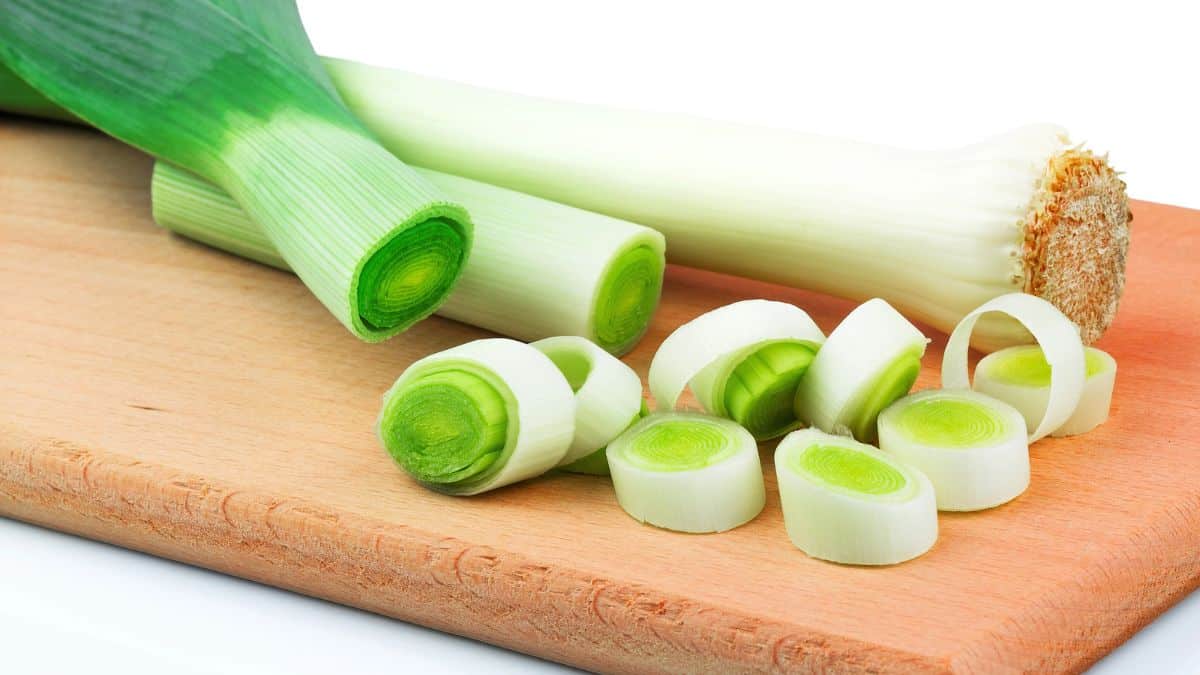
Keep the root base from your leeks and drop it into a jar of water so it barely covers the bottom. Within a week you’ll notice new green shoots pushing up. Snip them as they grow and keep topping off the water to have a steady supply for soups and sautés without another trip to the store.
Green Onions
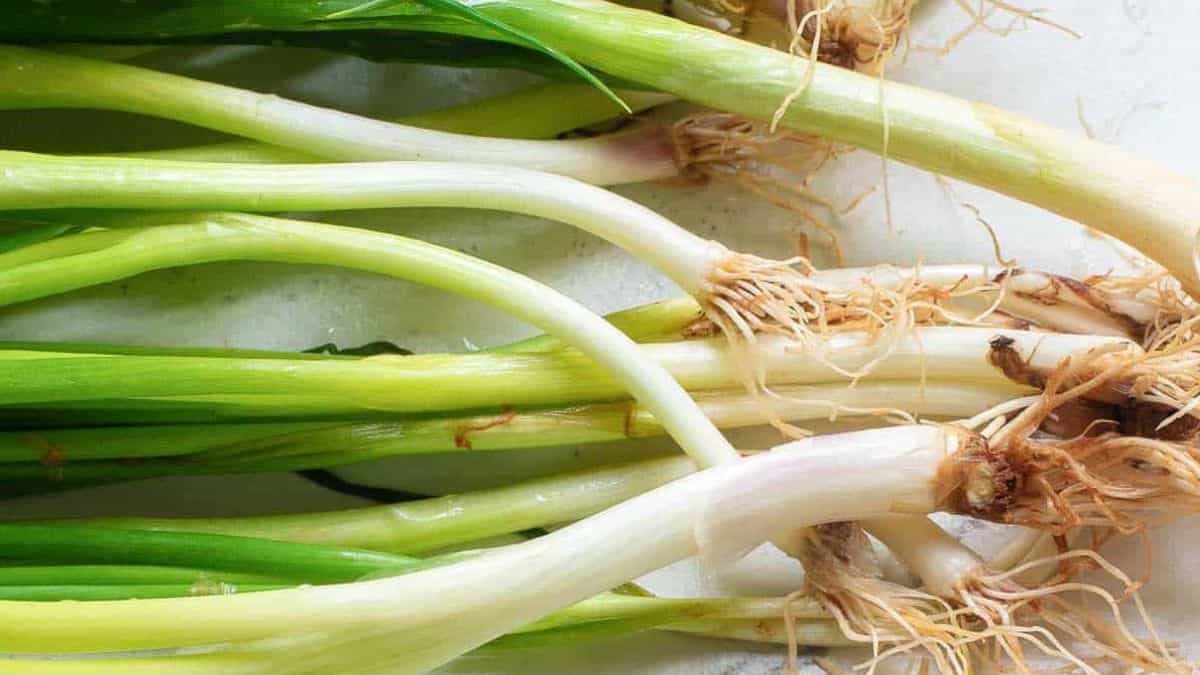
Save the white ends with roots and place them upright in a glass of water, leaving the top portion exposed. Fresh green shoots will appear in just a few days. Trim what you need and watch them keep producing for everything from tacos to omelets.
Garlic

Take a single clove and plant it root-side down in a pot of soil. Give it some sunlight and regular watering and it will sprout a new green shoot that eventually forms another full bulb. It’s a simple way to keep garlic on hand and cut down on waste.
Romaine Lettuce
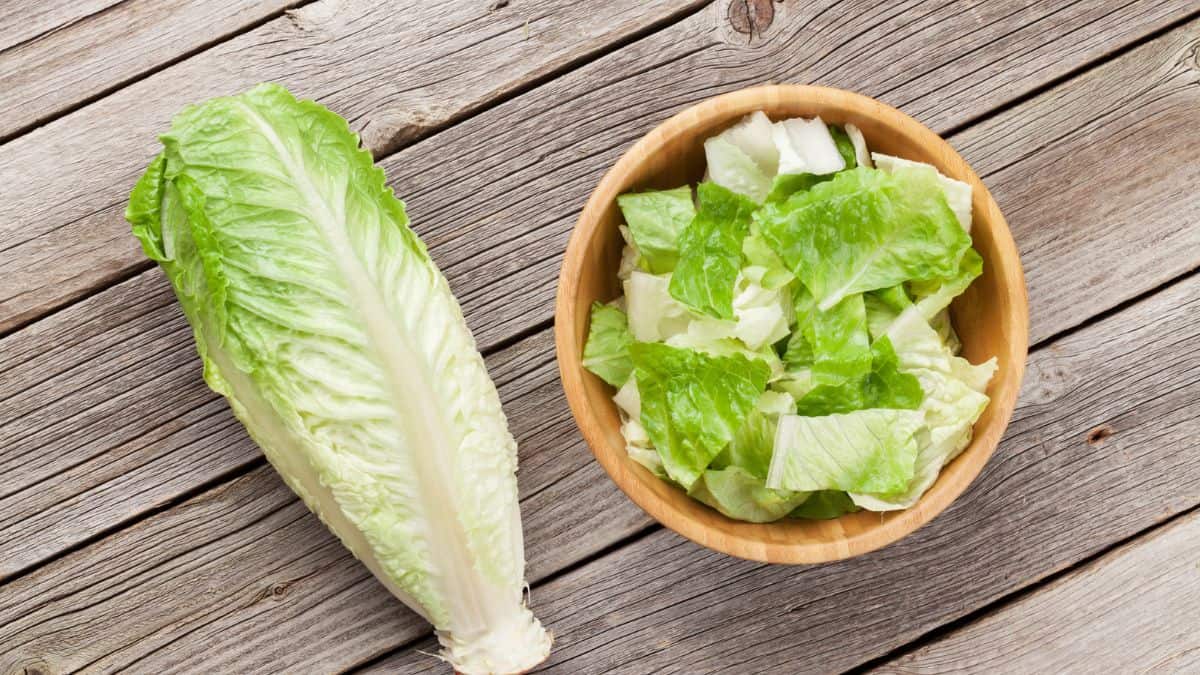
Hold on to the bottom of a romaine head and set it in a shallow bowl of water. New leaves will start to grow from the center within a week. Refresh the water often and soon you’ll have crisp greens ready for sandwiches and salads without buying another whole head.
Celery
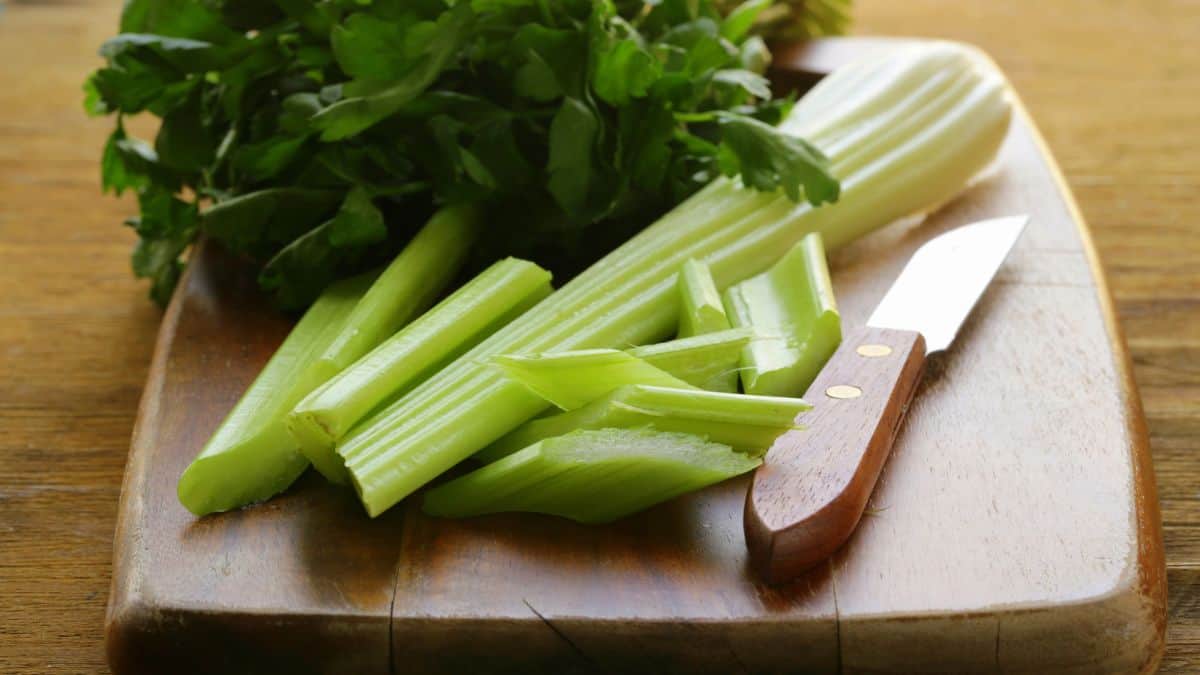
After trimming off the stalks, place the base of a celery bunch in a small bowl of water with the cut side up. Bright green shoots will start growing from the middle within days. Transfer to soil once roots appear to keep harvesting stalks for soups and snacks.
Fennel
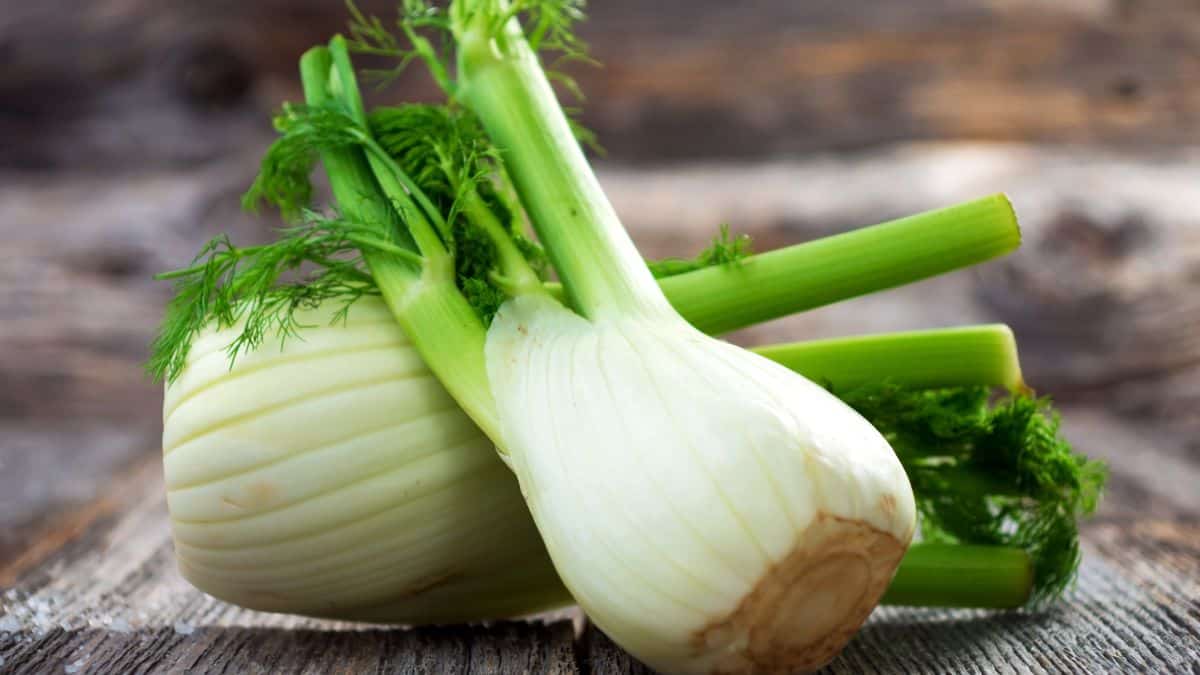
Save the bulb base with the roots intact and rest it in a shallow dish of water. Green shoots will appear from the center signaling it is time to replant in soil. With a little patience, you can grow another fragrant bulb to use in salads and roasts.
Onions
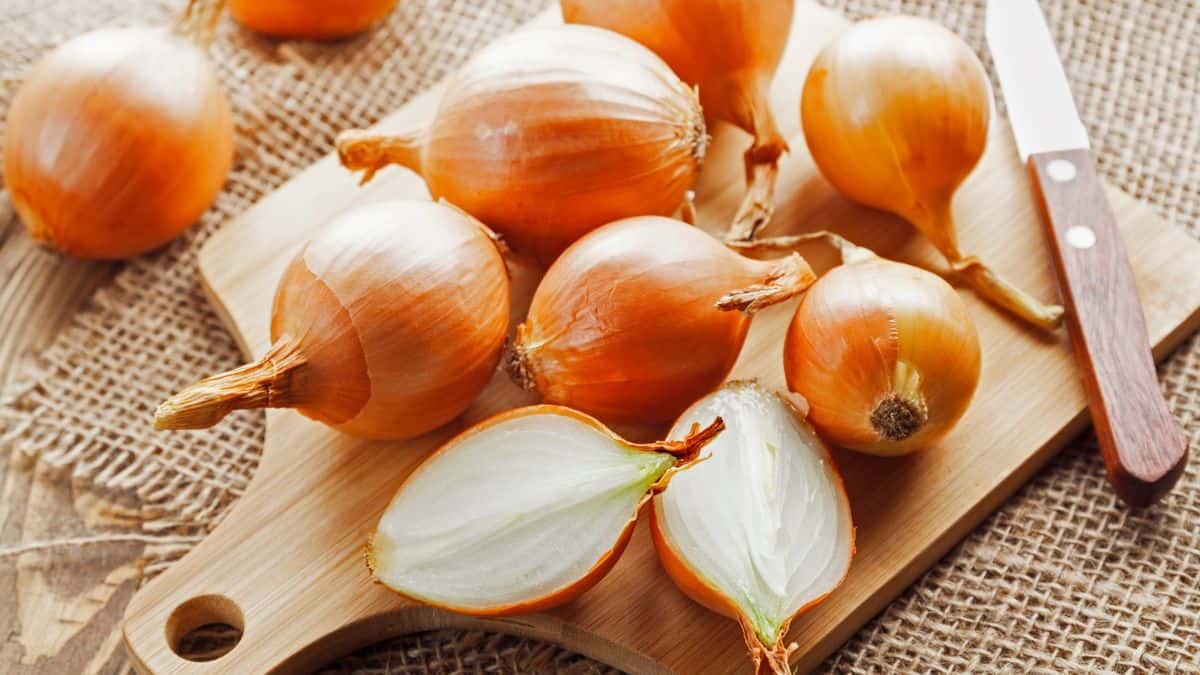
Cut off the root end of an onion and bury it in soil with the roots down and the cut side barely covered. Water regularly and watch it sprout new green tops and eventually form another bulb. It is an easy way to keep onions coming without a garden plot.
Bok Choy
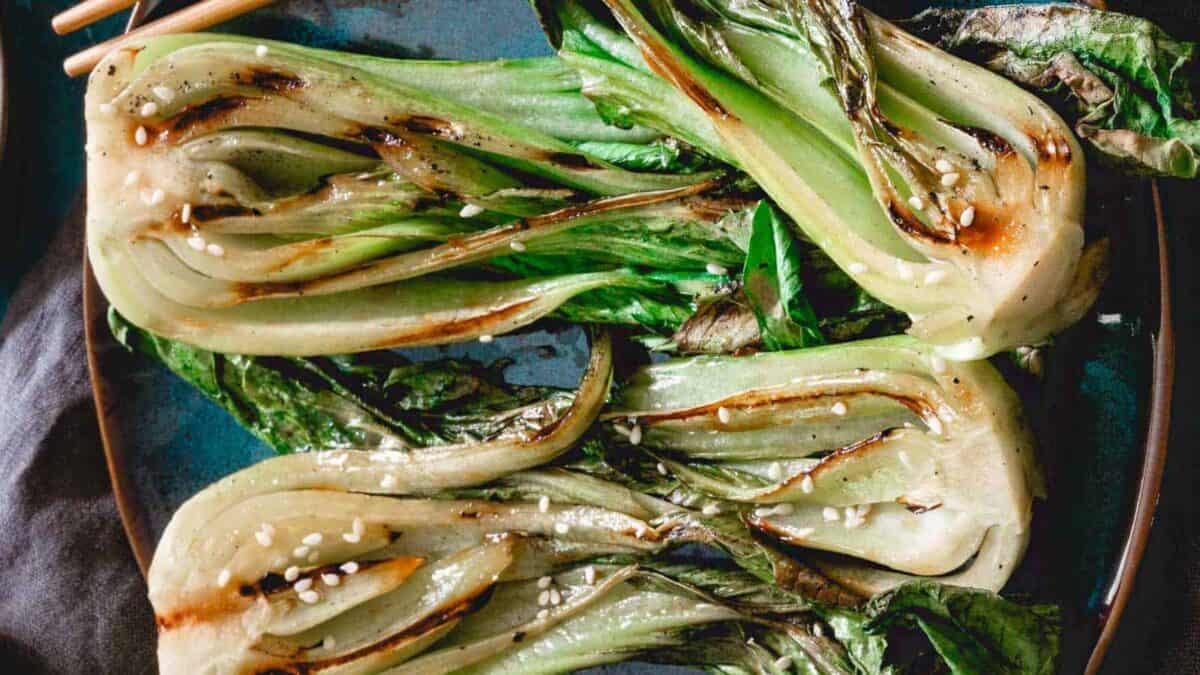
Place the base of bok choy in a dish of water and set it in a sunny window. Fresh leaves will start to sprout from the center in about a week. Once roots form, move it to soil to keep the crunchy greens growing for stir fries and soups.
Napa Cabbage
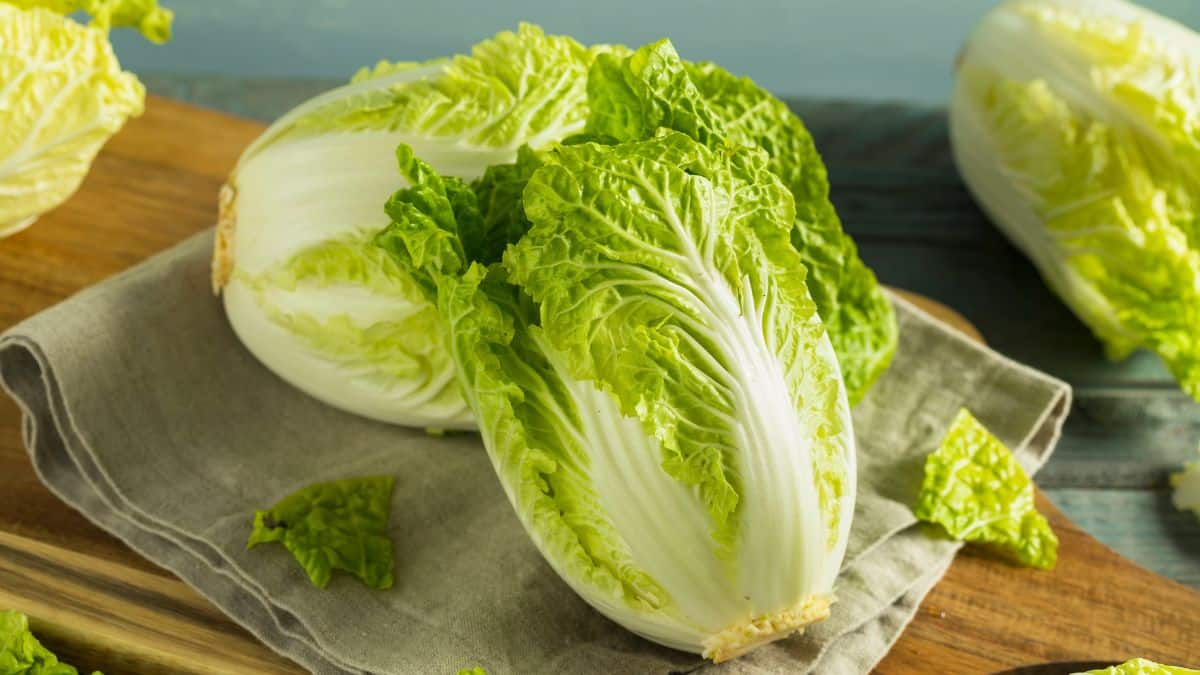
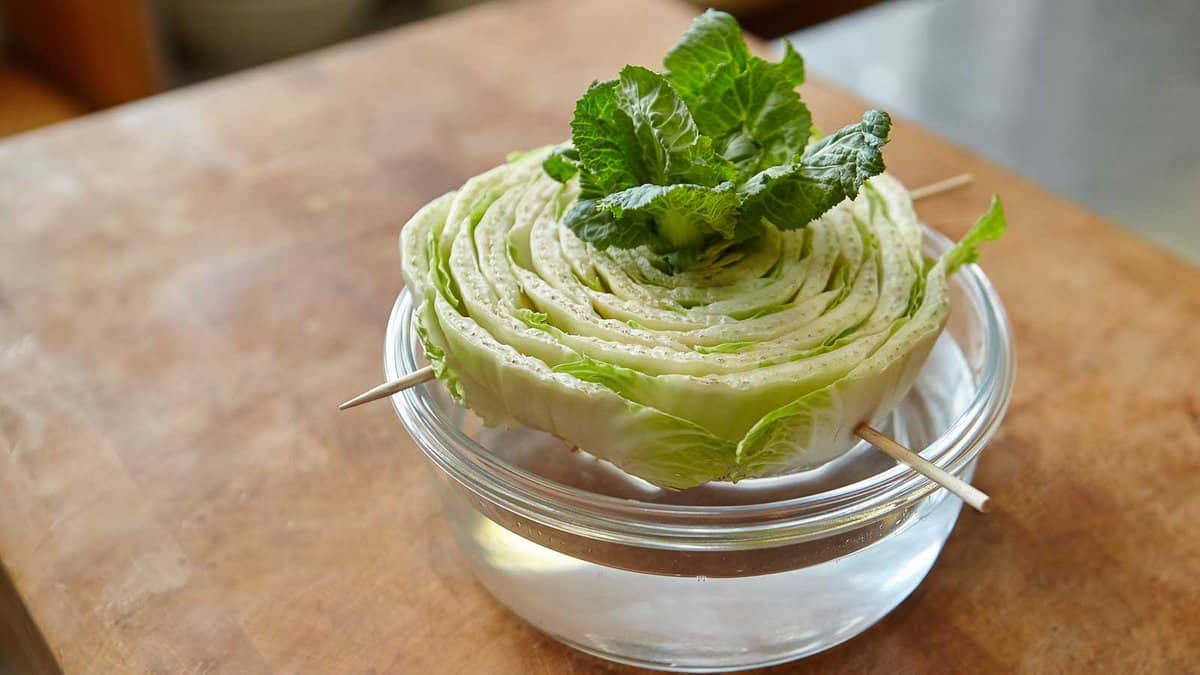
Keep the root end of Napa cabbage and rest it in a bowl of water. Change the water every couple of days and new pale green leaves will slowly appear from the center. Plant it in soil when the roots look strong to grow a fresh head.
Carrot Greens
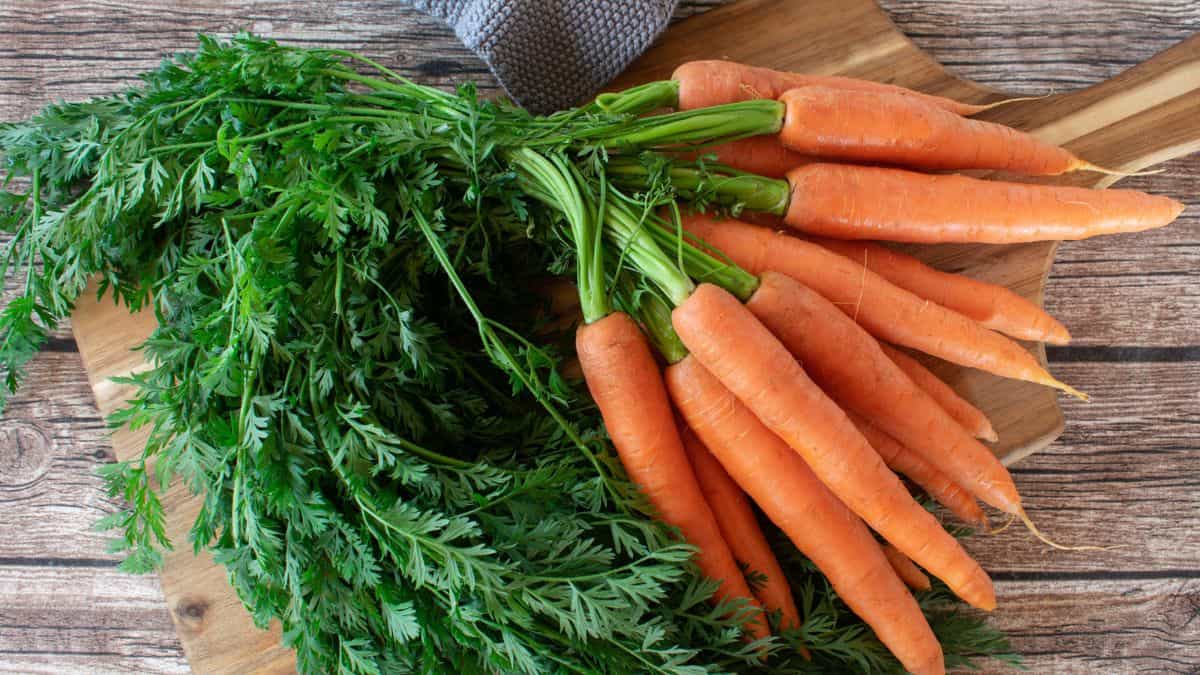
Slice off the tops of carrots leaving a little orange attached and set them in a shallow dish of water. Bright feathery greens will grow even though the root will not return. Use the greens for pesto, salads, or garnish to get more from every carrot.
Lemongrass
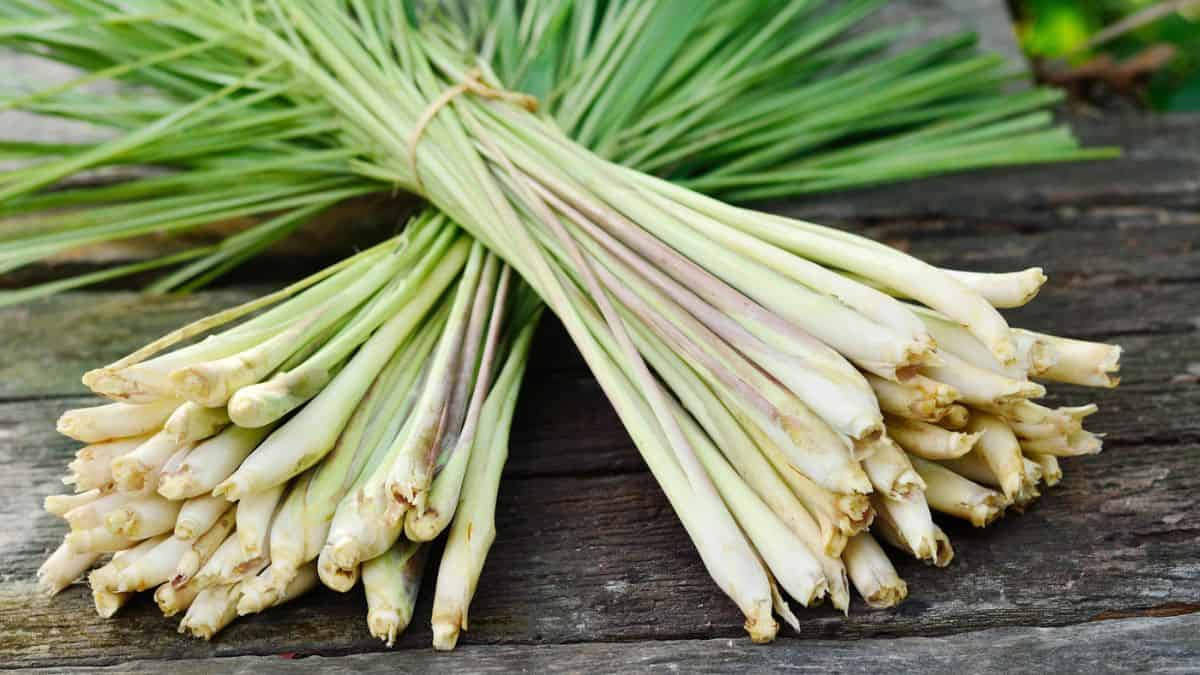
Trim the stalks so a few inches of the root end remain and stand them in a glass of water. New shoots will emerge and roots will lengthen over the next week. Move the stalks to soil and you’ll have a fresh supply for tea, curries, and stir fries.
Potatoes
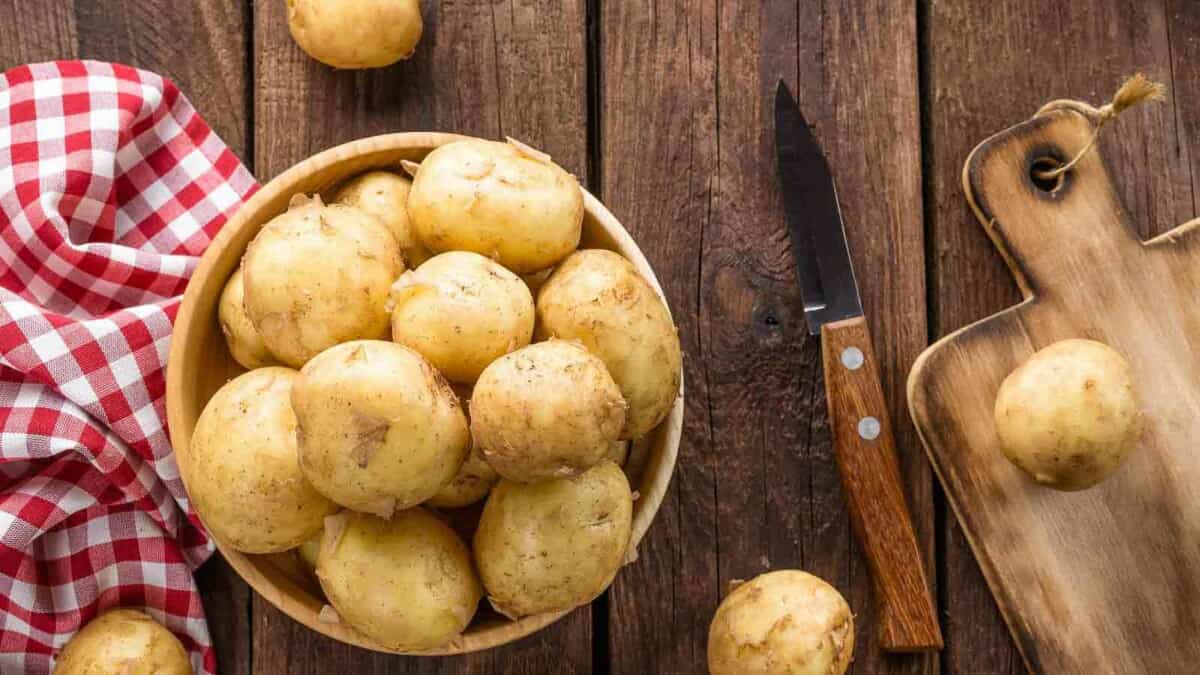
Cut potatoes into chunks making sure each piece has one or two eyes. Let them dry slightly before planting in soil. With regular watering they will sprout and grow into full plants, giving you more potatoes to harvest from your own kitchen scraps.
Herbs Like Basil

Snip a stem about four inches long and remove the lower leaves. Set it in a glass of water in bright light and roots will develop quickly. Transfer to soil once the roots are sturdy and you’ll have a new plant ready to keep your favorite herb in steady supply.
6 Vegetables Perfect For Raised Bed Gardens And 3 To Avoid
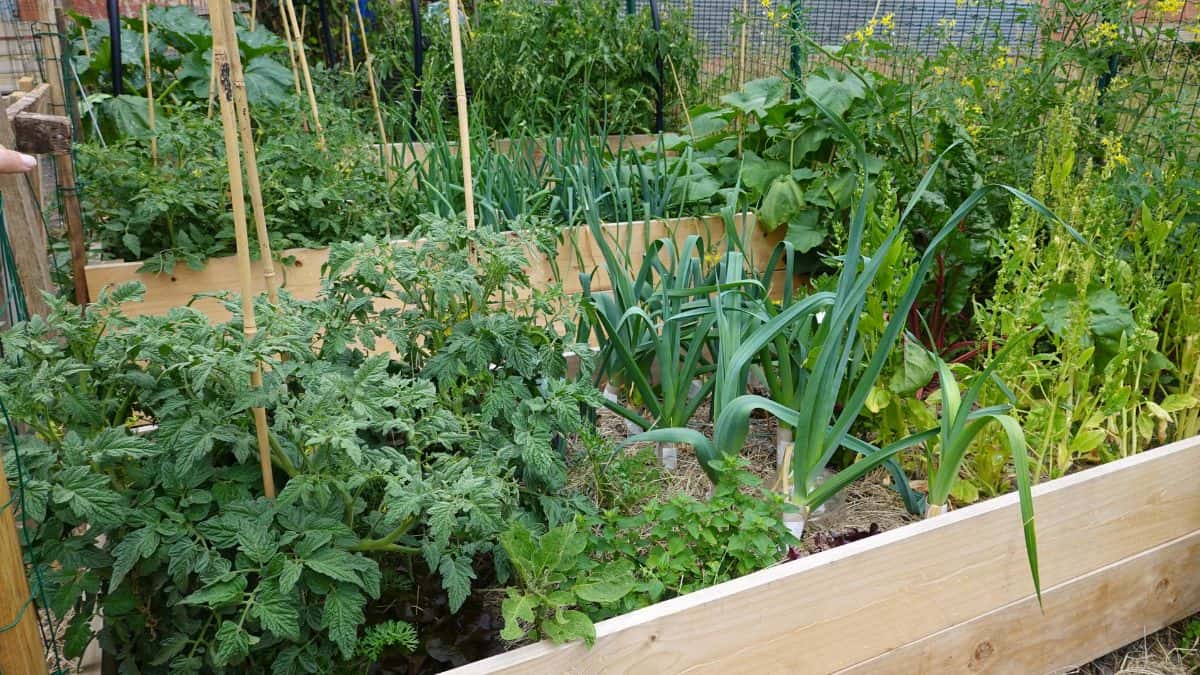
Jumping into raised bed gardening opens up a whole new world of growing potential, from boosting your soil’s nutrient profile to getting more green in less ground. The beauty of raised beds isn’t just in their efficient drainage or how they keep your soil from getting squashed underfoot; it’s also about making every square inch count. With space at a premium for most of us, picking the right veggies for these elevated patches is key.
This list will guide you through choosing the best plants for your raised beds, ensuring your garden thrives. While not every veggie is cut out for life above ground level, there are some that truly shine in compact spaces.
Read it Here: 6 Vegetables Perfect For Raised Bed Gardens And 3 To Avoid
13 Ways To Keep Rabbits From Destroying Your Garden
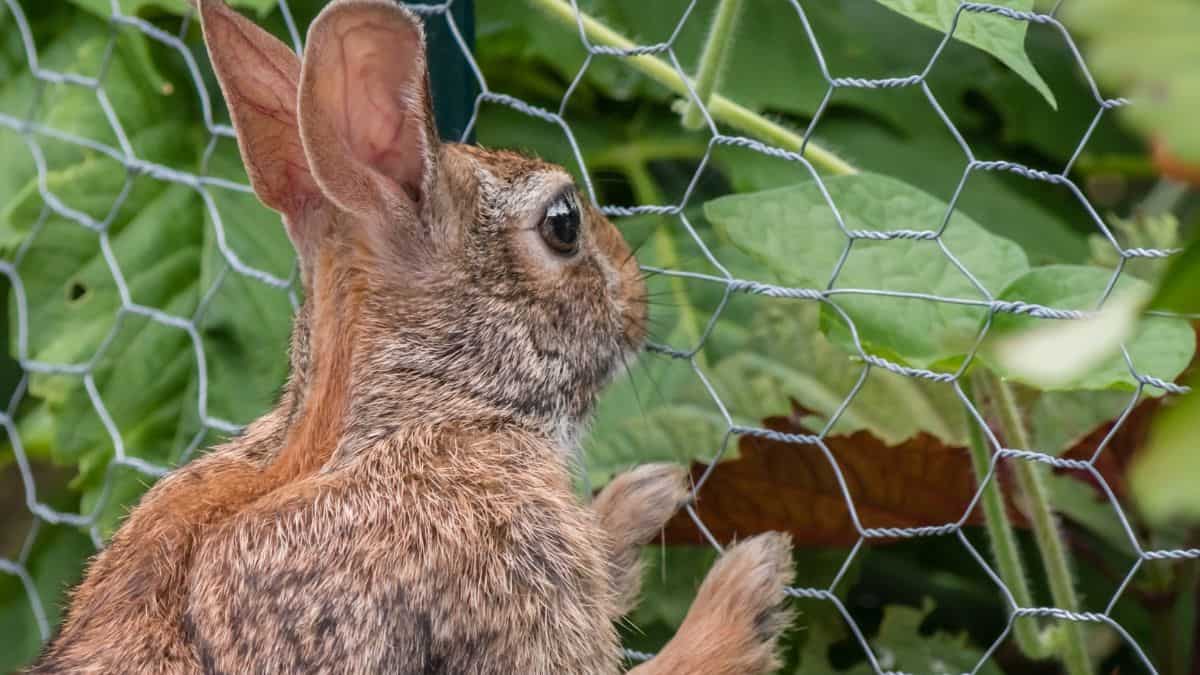
Ever caught a rabbit munching on your prized veggies? It’s cute until it’s your garden they’re feasting on. We’ve got the lowdown on keeping those furry critters at bay. From time-tested tricks to plant preferences that rabbits just can’t resist, here’s everything you need to safeguard your garden and keep those carrots for yourself.
Read it Here: 13 Ways To Keep Rabbits From Destroying Your Garden
Select images provided by Depositphotos.

Gina Matsoukas is an AP syndicated writer. She is the founder, photographer and recipe developer of Running to the Kitchen — a food website focused on providing healthy, wholesome recipes using fresh and seasonal ingredients. Her work has been featured in numerous media outlets both digital and print, including MSN, Huffington post, Buzzfeed, Women’s Health and Food Network.