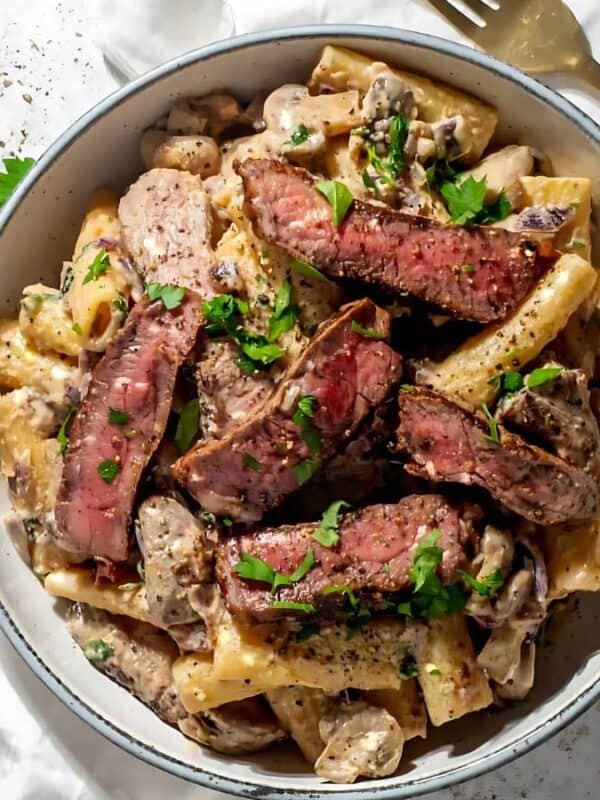


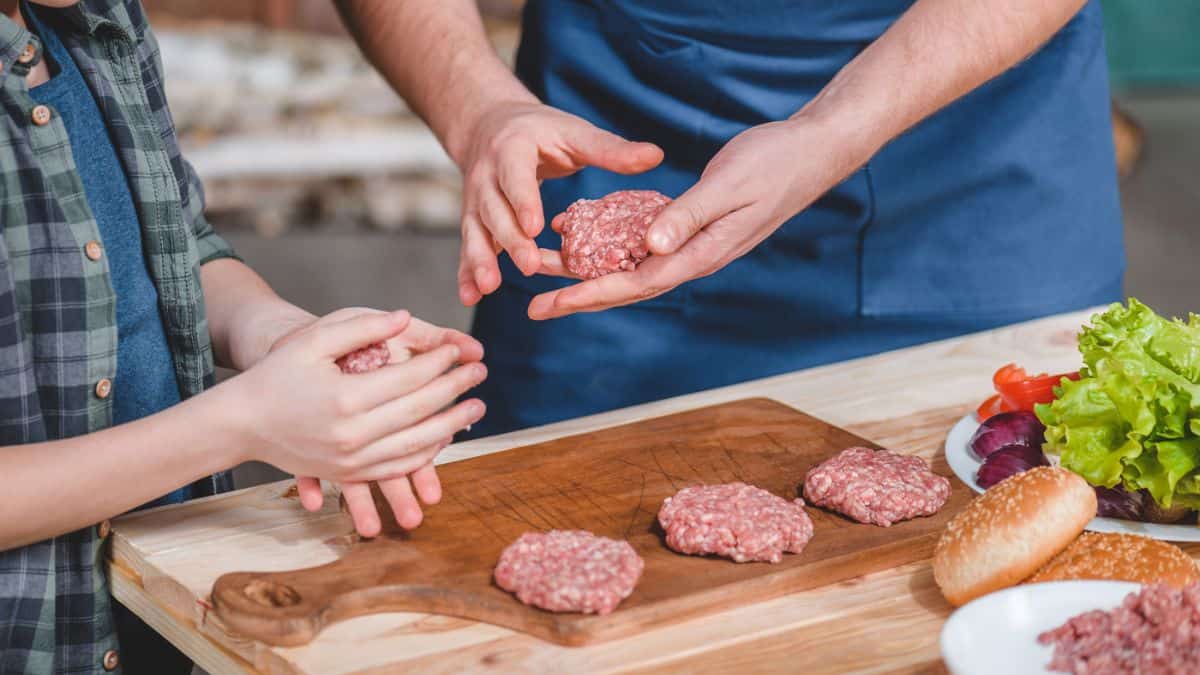
Many foods on this list aren’t ones you’d normally think to eat raw, but that doesn’t mean it never happens. What you might not realize is that some of them are actually unsafe if they’re uncooked. They can contain natural toxins or harmful bacteria that cause serious illness. Cooking removes these risks and makes them safe to eat, which is why it matters to know which foods need heat before they hit your plate. Even a small amount eaten raw can sometimes be enough to cause problems.
Wild Mushrooms
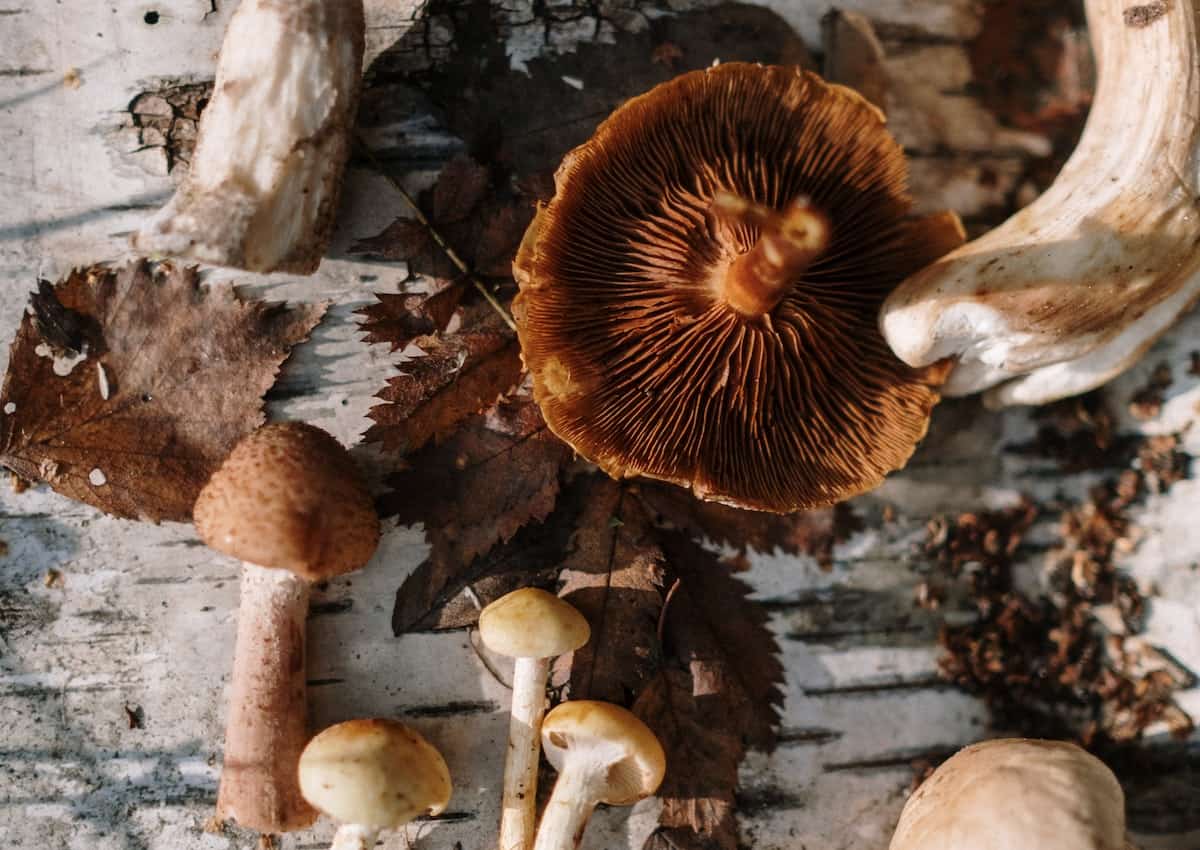
Foraging for wild mushrooms might seem adventurous, but eating them raw can be a serious gamble. Many wild varieties contain natural toxins that can trigger everything from severe stomach upset to organ damage. Even edible types can be tough to digest in their raw state. Always have them identified by someone who knows exactly what they are and cook them thoroughly to make them safe to eat.
Potatoes
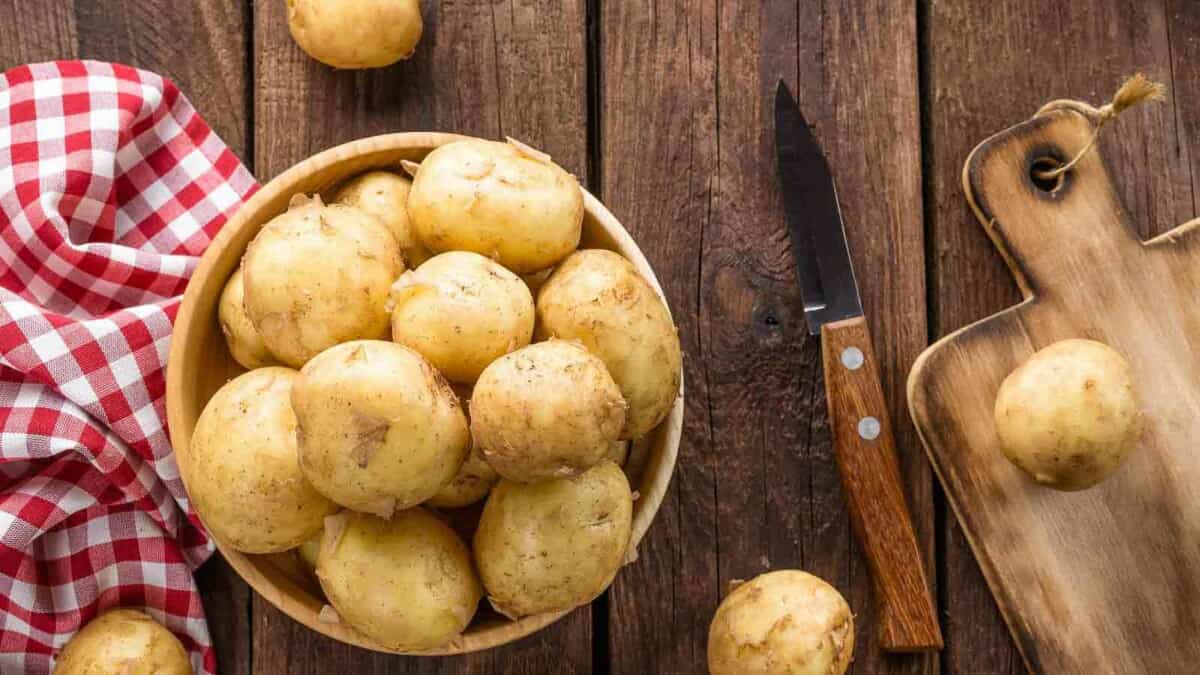
Raw potatoes contain solanine, a naturally occurring toxin that can lead to nausea, headaches and even neurological issues in high amounts. Green spots on the skin are a sign the solanine levels are higher. Cooking breaks this compound down to safe levels, so potatoes are best boiled, baked or roasted before they make it to your plate.
Lima Beans

Raw lima beans contain linamarin, a compound that can turn into cyanide once inside the body. Boiling them for at least ten minutes removes this danger. Even partially cooked beans can cause harm if the cooking temperature is not high enough, so avoid tossing them into slow cookers without pre‑boiling.
Cassava/Yuca
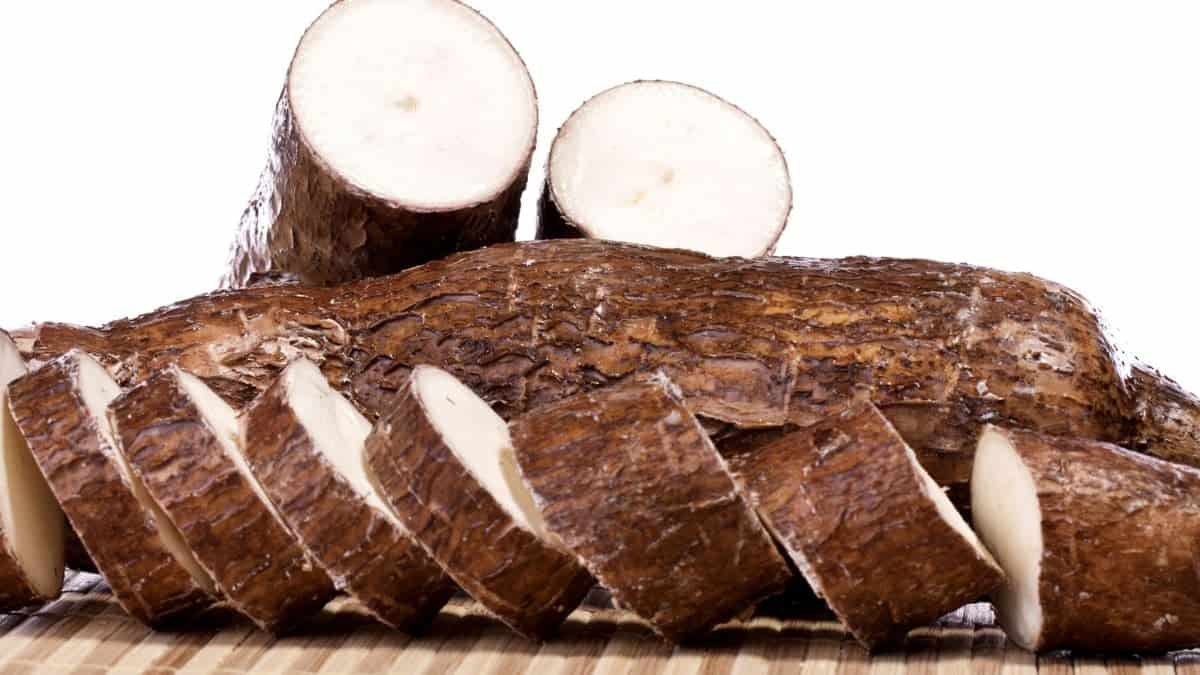
Cassava is a staple ingredient in many cuisines, but it should never be eaten raw. It contains cyanogenic glycosides, compounds that can release cyanide in the body. Cooking it completely destroys the toxins, turning it into a safe and starchy side dish. Skipping this step can be extremely dangerous.
Try mashed cassava for a tasty alternative to potatoes.
Eggplant

Raw eggplant contains solanine, the same toxin found in raw potatoes, although in smaller amounts. Eating large quantities can cause stomach upset and discomfort. Cooking softens the texture, reduces the bitterness and lowers the solanine content, making eggplant much easier to eat and digest.
Olives

Fresh olives straight from the tree are extremely bitter because they contain oleuropein, a compound that makes them nearly inedible in their natural state. They must go through a curing process to remove the bitterness. Until then they are not something you can snack on safely or pleasantly.
Red Kidney Beans

Raw red kidney beans are loaded with lectins, a compound that can cause intense nausea, vomiting and diarrhea. Boiling them for at least ten minutes breaks down the lectins and makes them safe to eat. Eating even a small number of undercooked beans can lead to severe symptoms within hours.
Chicken
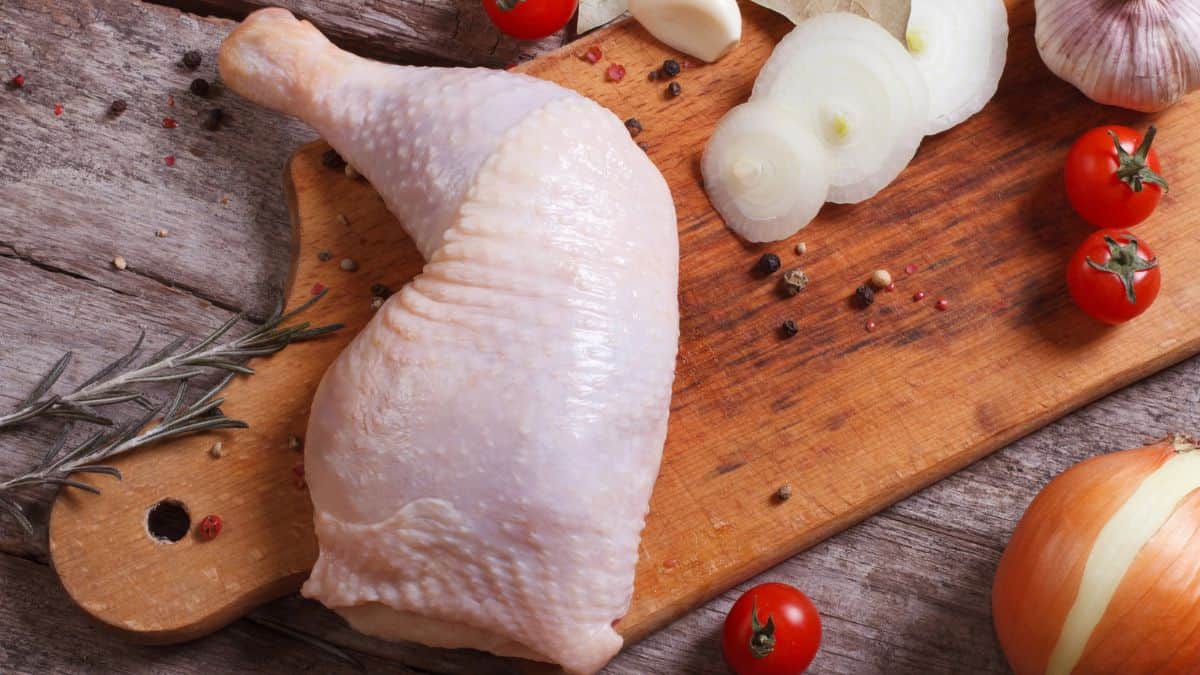
Raw chicken can harbor harmful bacteria like Salmonella and Campylobacter. These can cause serious foodborne illness with symptoms ranging from stomach cramps to severe dehydration. Cooking chicken to an internal temperature of 165°F ensures it is safe and ready to eat.
Hot Dogs

Even though hot dogs are pre‑cooked during processing, they can still carry harmful bacteria such as Listeria. Eating them straight from the package increases the risk, especially for pregnant women and people with weakened immune systems. Heating them until steaming hot removes the danger and also improves their flavor.
Flour
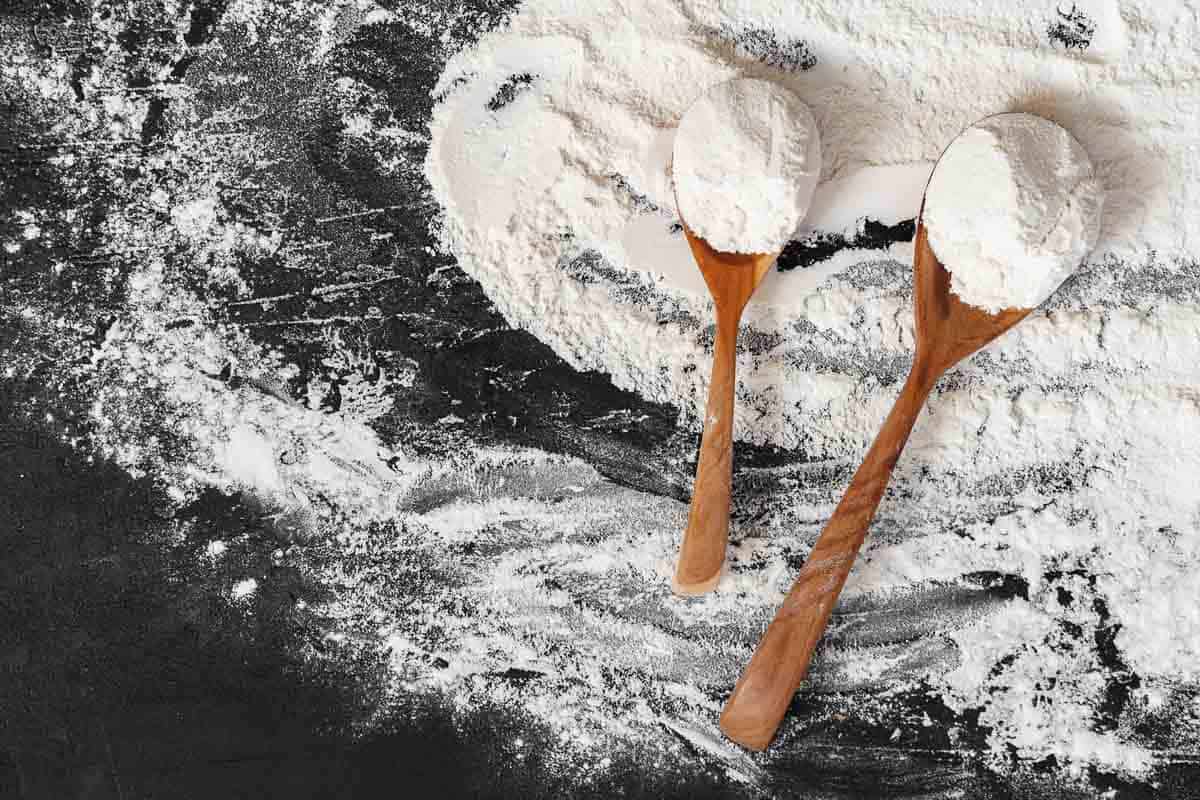
Raw flour may look harmless, but it can be contaminated with E. coli or other bacteria during processing. Since flour is rarely treated to kill pathogens, it should always be cooked before eating. This is why eating raw dough or batter can be risky no matter how tempting it is.
Eating These Foods Raw Might Make Them Even Better For You

Eating some foods raw can actually be a game-changer for your health. Skipping the stove can boost the nutritional value of what you eat. Raw foods often pack more vitamins, minerals and enzymes than their cooked counterparts. Plus, they have a fresh and vibrant taste that’s hard to beat. Skip the heat with these foods and reap the rewards!
Read it Here: Eating These Foods Raw Might Make Them Even Better For You
10 Ways Your Cooking Habits Are Making You Sick
We all enjoy a good home-cooked meal, but sometimes our kitchen routines can work against us. Without even realizing it, certain habits might be putting our health at risk. It’s not just about what you cook, but how you cook it. Things you do every day might be the culprit but the good news is they’re easy enough to identify and change once you know.
Read it Here: 10 Ways Your Cooking Habits Are Making You Sick
Select images provided by Depositphotos.

Gina Matsoukas is an AP syndicated writer. She is the founder, photographer and recipe developer of Running to the Kitchen — a food website focused on providing healthy, wholesome recipes using fresh and seasonal ingredients. Her work has been featured in numerous media outlets both digital and print, including MSN, Huffington post, Buzzfeed, Women’s Health and Food Network.