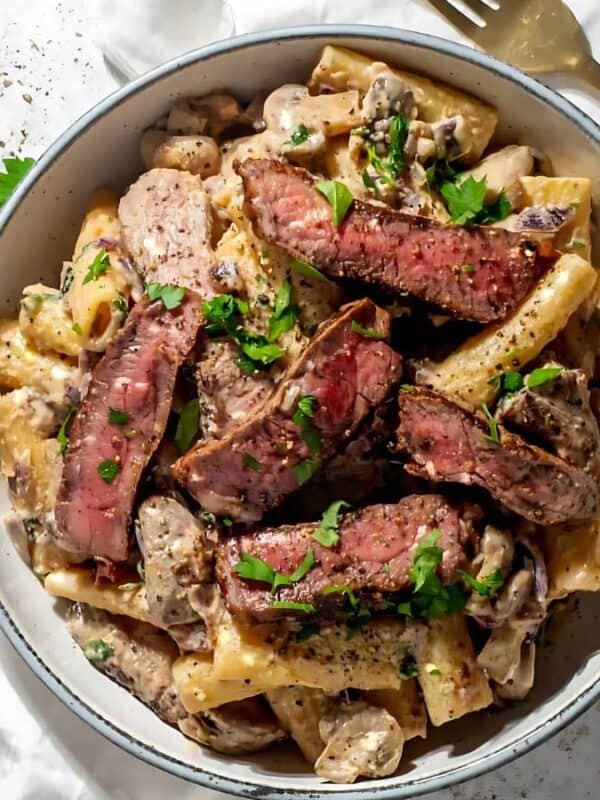


Nutritionists agree that some common foods are doing more harm than good even when they feel like regular staples. They’re loaded with sugar, preservatives and additives that chip away at your health little by little. These foods don’t bring much nutritional value to the table and can leave you dealing with issues like weight gain, high blood pressure or blood sugar spikes.

Sugary Drinks
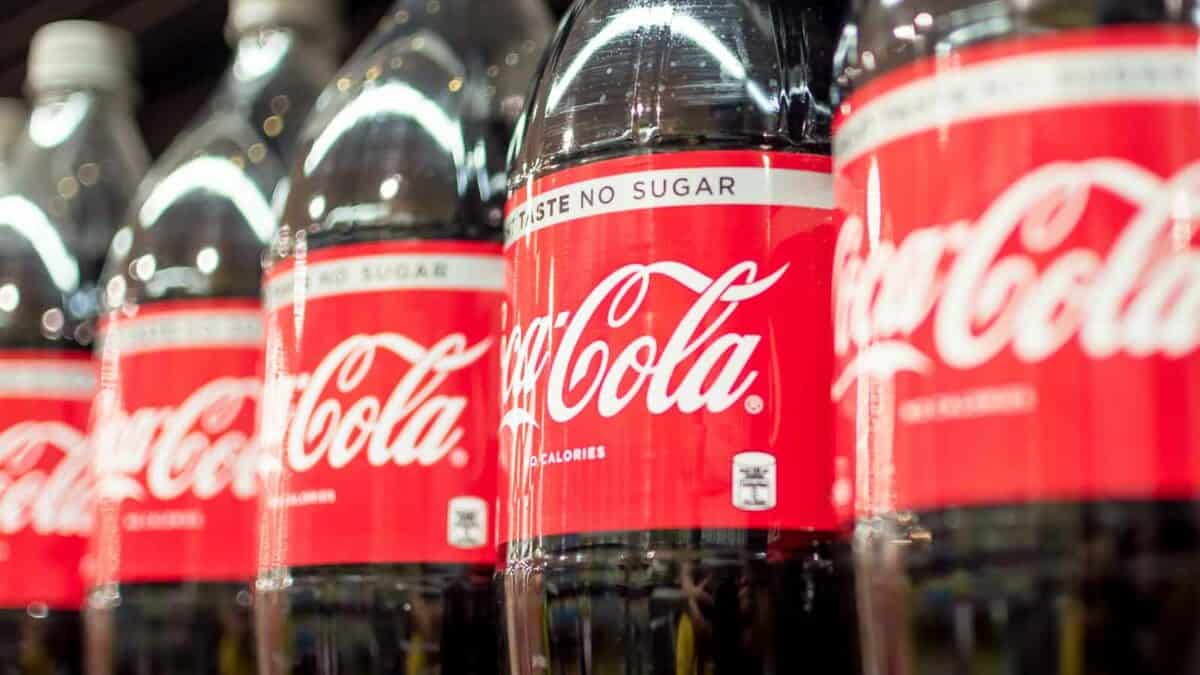
Soda, energy drinks, and sports drinks are easy to grab but they load your body with more sugar than it can handle. The rush of calories spikes blood sugar and insulin, leaving you crashing soon after. Over time, nutritionists say this habit increases risks for weight gain, diabetes, and dental problems. With no nutritional value, these drinks work against your health goals and make it harder to manage energy levels throughout the day.
Processed Meats

Hot dogs, sausages, and deli meats may feel like convenient protein options, but they come with heavy doses of sodium and preservatives. Experts connect regular intake to higher risks of heart disease, high blood pressure, and even certain cancers. The nitrates used to preserve them are a serious concern and nutritionists argue there are better ways to get protein without the extra additives. Choosing fresh cuts of meat or plant-based proteins keeps your meals cleaner and safer long term.
Deep-Fried Foods

Fries, fried chicken, and onion rings draw people in with crunch but nutritionists say they’re some of the hardest foods on your system. They’re often cooked in oils that create harmful trans fats and pack in excessive calories. Eating fried foods regularly raises your risk of obesity and heart disease while also increasing inflammation. Experts suggest saving them for the rare treat instead of letting them become a weekly habit.
White Bread
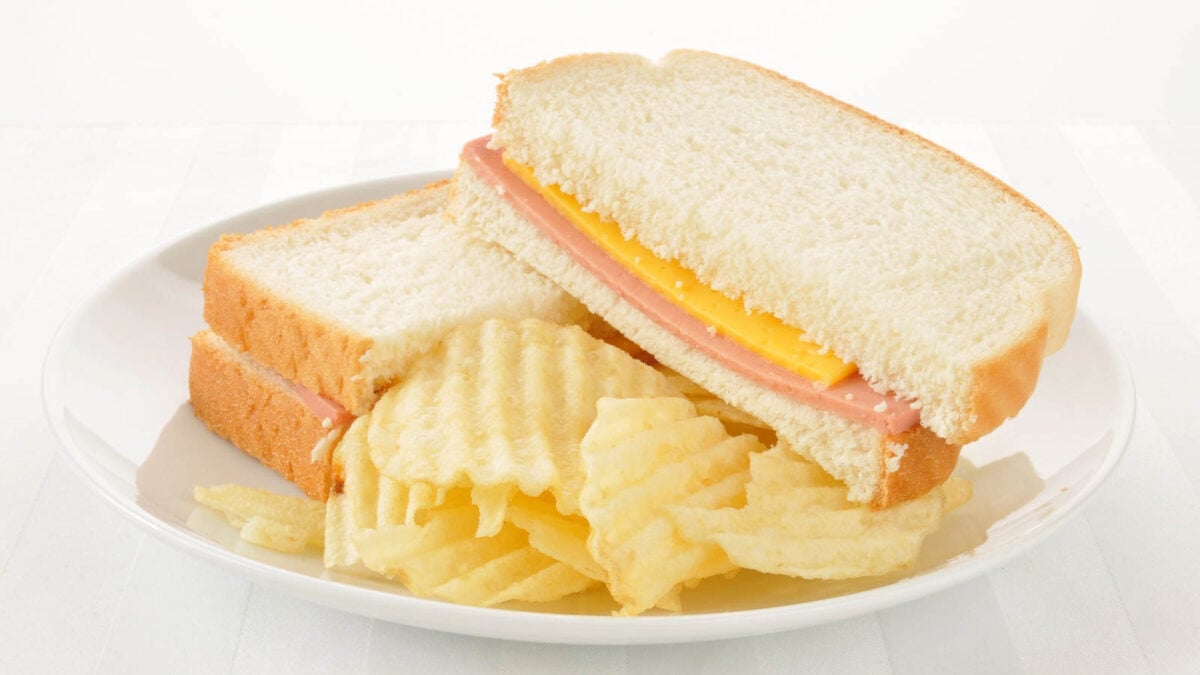
Sandwich bread made from refined flour loses most of its nutrients and fiber in processing, leaving behind a product that spikes blood sugar and leaves you hungry soon after. Nutritionists point out that it adds little to your diet while encouraging overeating. Whole grain breads keep you fuller longer and support digestive health, making them a better choice when you want carbs that actually work for your body instead of against it.
High-Fructose Corn Syrup (HFCS)

HFCS shows up in soda, candy, condiments, and countless packaged snacks. Experts say its overuse in the food supply is directly tied to obesity, type 2 diabetes, and chronic inflammation. Unlike natural sugar found in fruit, HFCS is highly concentrated and easy to overconsume without realizing it. Nutritionists encourage cutting back wherever possible and reaching for foods with less processing and naturally occurring sugars instead.
Margarine
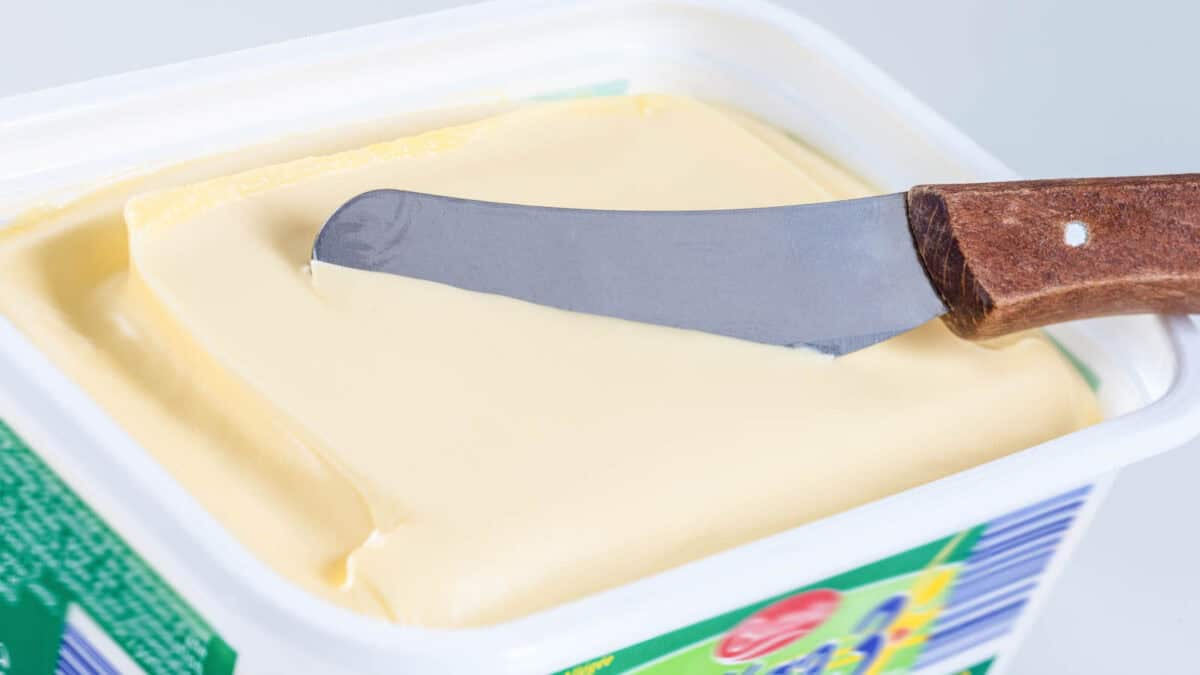
Once considered a healthy swap for butter, margarine is now on the nutritionist blacklist. Many varieties still rely on processed oils and hidden trans fats, which damage heart health over time. Even the newer versions are far from whole food sources of fat. Nutritionists recommend butter in moderation or plant-based oils like olive oil that come with actual nutrients instead of manufactured additives.
Artificial Sweeteners
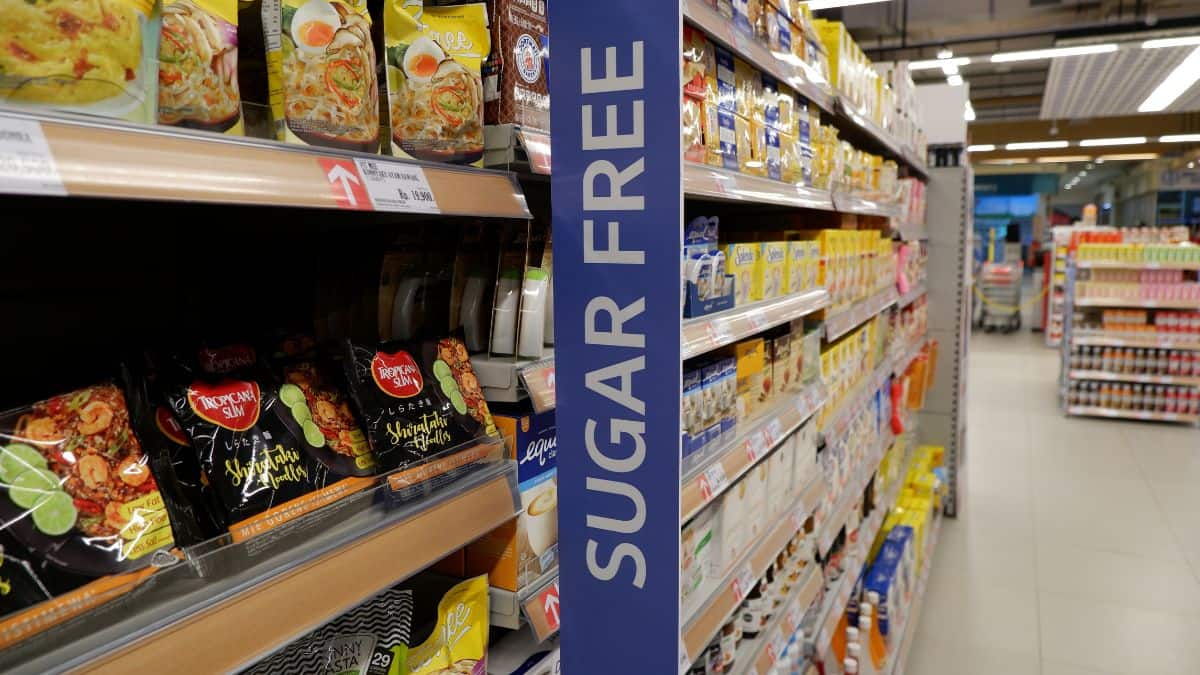
Zero-calorie sweeteners are often marketed as harmless, but nutritionists caution against relying on them. Some research suggests they can disrupt gut bacteria and even confuse your body’s insulin response, creating more cravings instead of fewer. Using honey, maple syrup, or fruit to sweeten foods gives you a safer way to add flavor without the potential side effects of lab-made substitutes.
Processed Low-Fat and Diet Foods
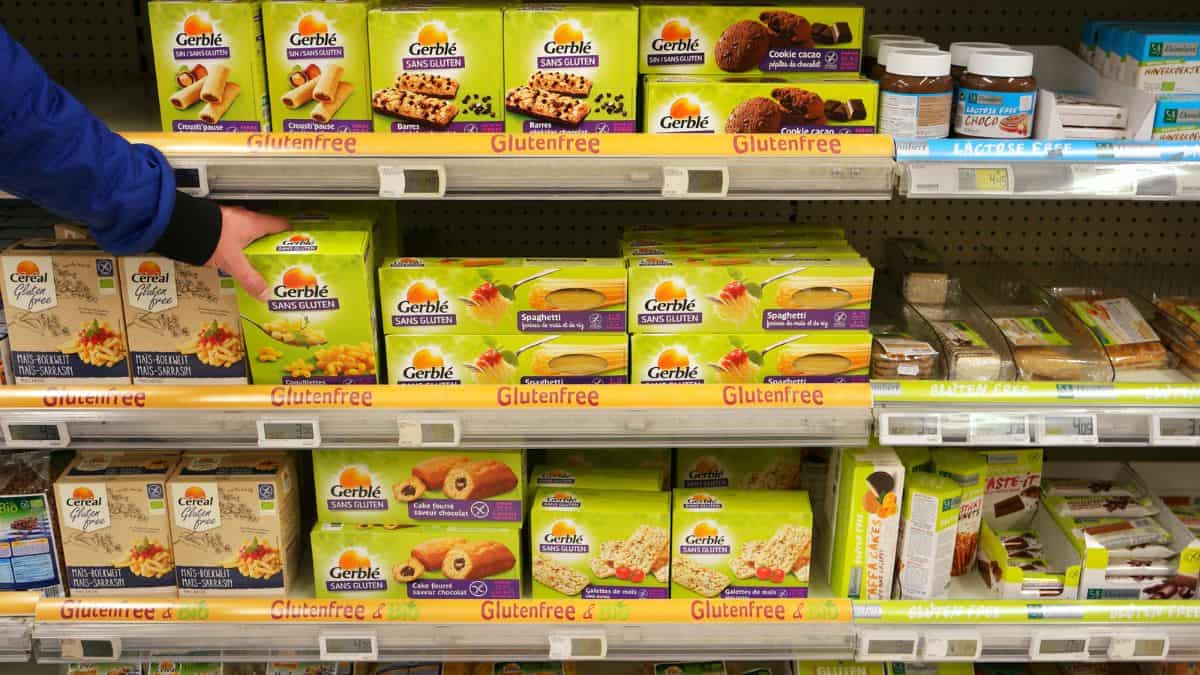
Foods with labels that brag about being “low-fat” or “diet-friendly” often replace fat with sugar and additives to maintain taste. Nutritionists say this trade-off cancels out any benefits and leaves you with products that don’t support health or satiety. Whole foods with natural fats give your body what it needs to stay fueled and balanced, while processed diet products tend to keep you chasing fullness that never really comes.
Alcohol

A glass of wine or a cocktail here and there is fine, but consistent drinking carries real risks. Nutritionists point to long-term damage such as liver disease, higher blood pressure, heart problems, and increased cancer risk. Alcohol also disrupts sleep and can pile on empty calories. Keeping it occasional is the smarter approach if you want to enjoy it without compounding the health issues linked to regular use.
Microwave Popcorn

While convenient, microwave popcorn often contains harmful chemicals in the bag lining and unhealthy fats in the flavoring. Nutritionists explain that this quick snack can raise your intake of sodium and trans fats without giving you much nutrition in return. Air-popping kernels and adding your own seasonings provides a safer way to enjoy popcorn without the questionable additives.
Artificially Flavored Snacks
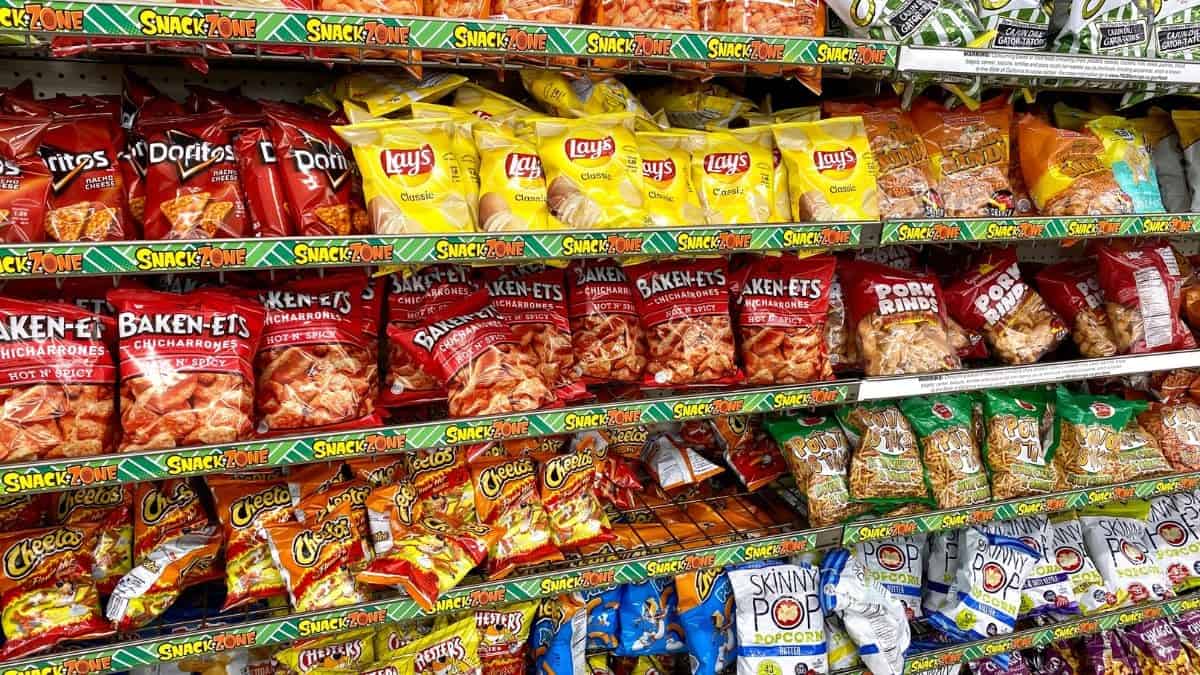
Chips, packaged cookies, and brightly colored snacks are usually filled with artificial flavors and dyes that bring nothing useful to your diet. Nutritionists caution that these products deliver calories but no meaningful nutrition and may contribute to inflammation or other long-term health issues. Reaching for whole foods or snacks with real ingredients gives your body something to work with while still curbing cravings.
13 Of The Most Nutrient-Dense Foods You Can And Should Be Eating
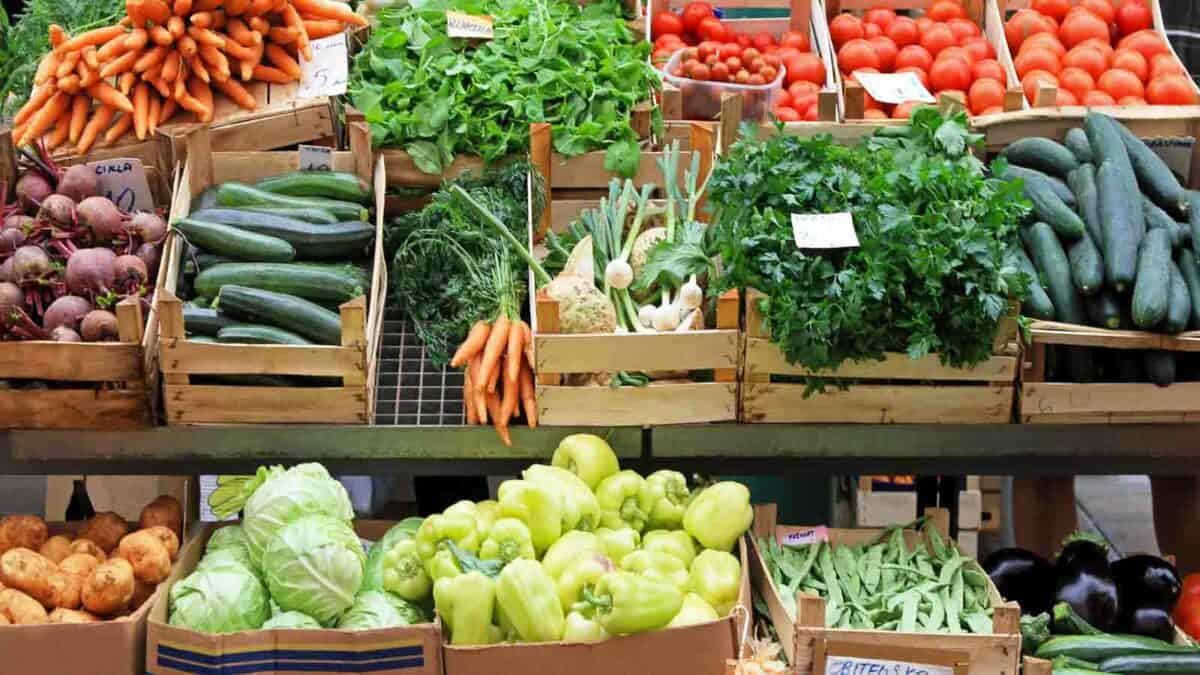
When it comes to eating, we’ve all got a “calorie budget,” but let’s be honest, some of us are better at managing it than others. If you want to make the most of what you’re eating, you have to be diligent about investing those calories in the right places and getting the best bang for your buck with the foods you choose. Here are 13 of the most nutrient dense foods available. They give you the most nutritional value per bite and are what you should be focusing on when you load up your plate each day to maximize your health span.
See them all here: 13 Of The Most Nutrient-Dense Foods You Can And Should Be Eating
Is Dairy Dangerous? The Pros And Cons Of This Highly Debated Food

Milk has always been hailed as a staple of a healthy diet, but recent debates are making us think twice. From the nutrients it offers to the risks it might pose, the truth about dairy isn’t as clear-cut as we once thought. This article breaks down the pros and cons, from its role in chronic diseases to its effects on skin health. Take a closer look and see if dairy really deserves its spot at your table.
Read it Here: Is Dairy Dangerous? The Pros And Cons Of This Highly Debated Food
Select photos provided by Depositphotos.

Gina Matsoukas is an AP syndicated writer. She is the founder, photographer and recipe developer of Running to the Kitchen — a food website focused on providing healthy, wholesome recipes using fresh and seasonal ingredients. Her work has been featured in numerous media outlets both digital and print, including MSN, Huffington post, Buzzfeed, Women’s Health and Food Network.