

Many dishes Americans consider classic Italian favorites actually began in the kitchens of Italian immigrants adapting recipes to life in the United States. Ingredients were different, cooking methods shifted, and meals evolved into something new that reflected both tradition and the realities of a new country. Over time these creations became staples in Italian-American homes and restaurants, often with little resemblance to what is served in Italy. From pasta shapes and sauces to breads and desserts, the differences are significant enough that many Italians would not recognize these dishes as their own.
Baked Ziti
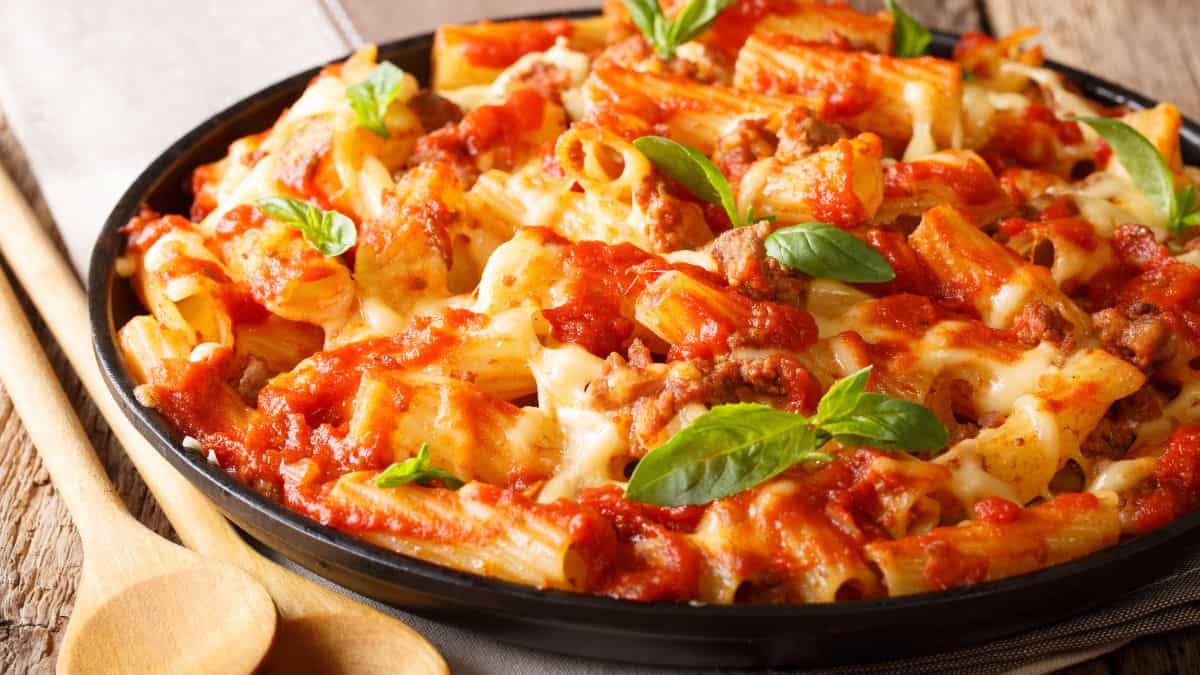
This American comfort classic layers ziti pasta with meat sauce and plenty of cheese, baked until it bubbles. Italian immigrants created it as a convenient, hearty meal that reminded them of home but was easy to prepare in American kitchens. While Italy has baked pasta dishes like lasagna and cannelloni, they tend to focus on more delicate proportions of pasta, sauce, and filling rather than the generous, casserole-style servings popular in the U.S.
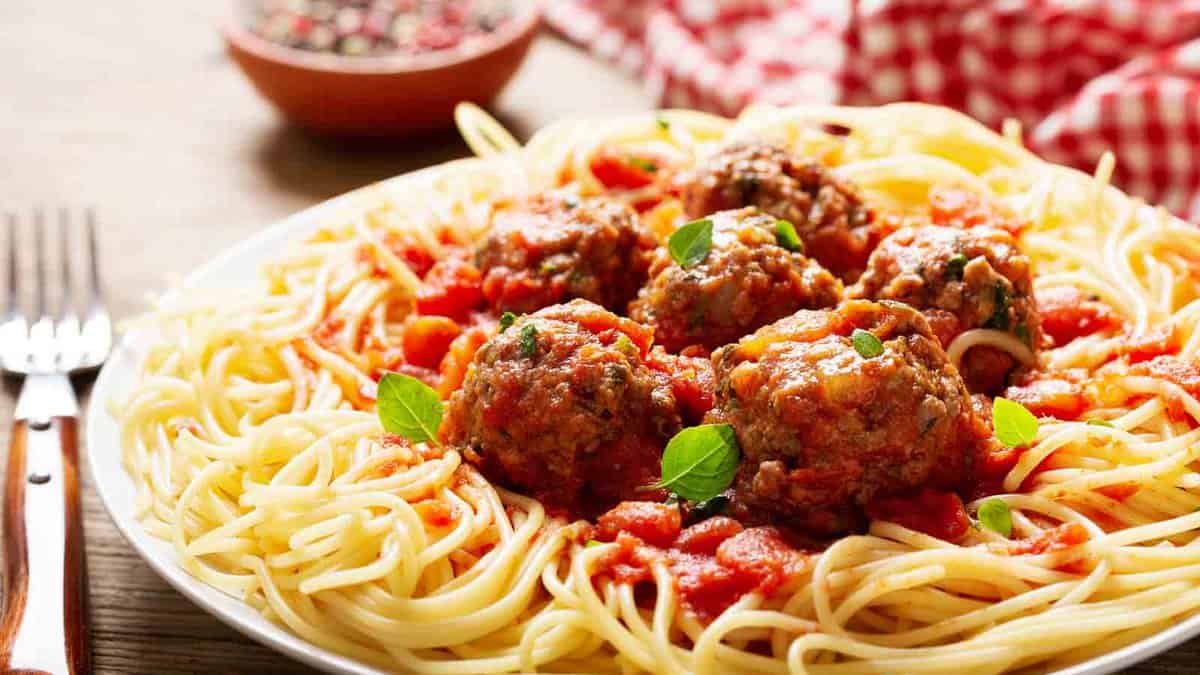
Spaghetti & Meatballs
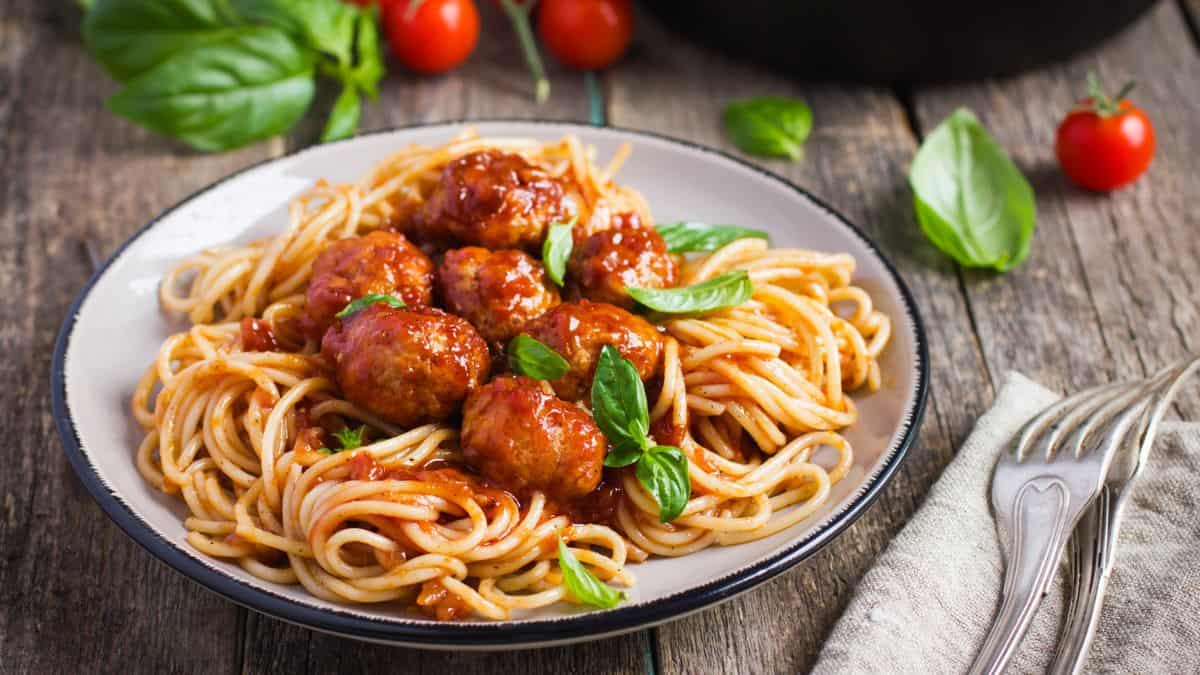
In America, spaghetti piled high with oversized meatballs feels like the ultimate Italian dinner. In Italy, meatballs are smaller and usually served on their own or in soups, never with pasta. This pairing evolved in immigrant communities looking for a filling and affordable way to stretch ingredients, combining two separate traditions into one plate.
Chicken Parmesan
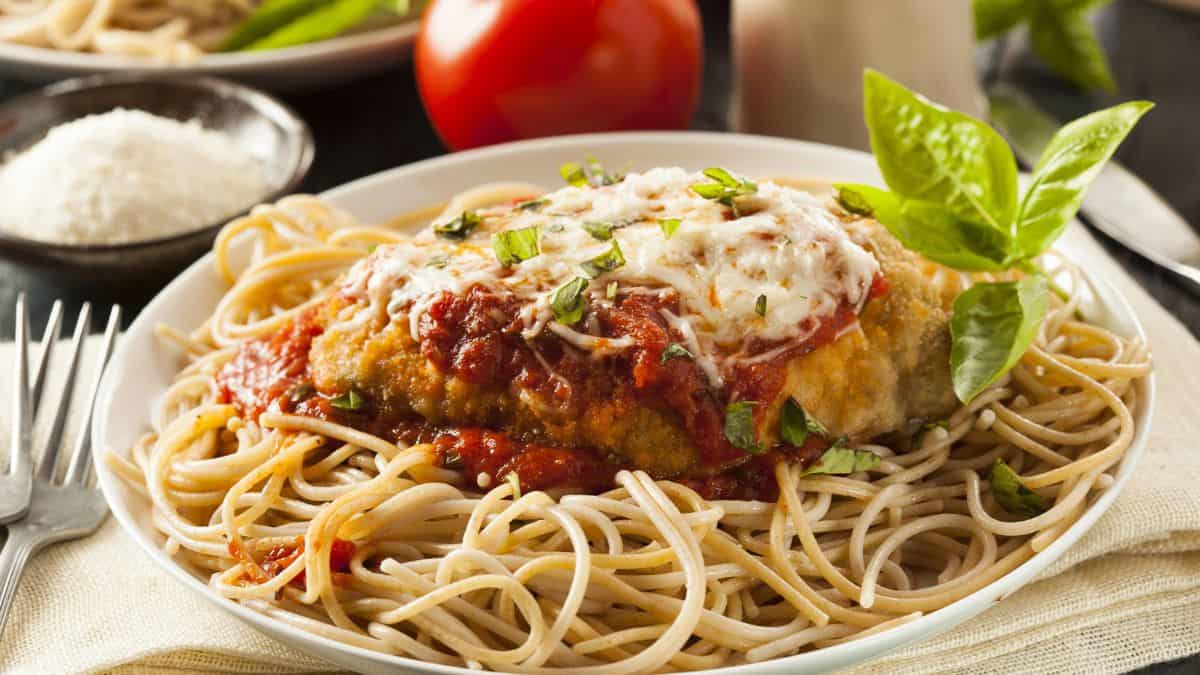
Breaded chicken cutlets topped with marinara and melted cheese are a mainstay in Italian-American restaurants. In Italy, the inspiration comes from eggplant parmigiana, a dish made with layers of fried eggplant, tomato sauce, and cheese. Chicken was rarely used in Italy since poultry was less common and eggplant was plentiful, so the American version is entirely its own creation.
Garlic Bread
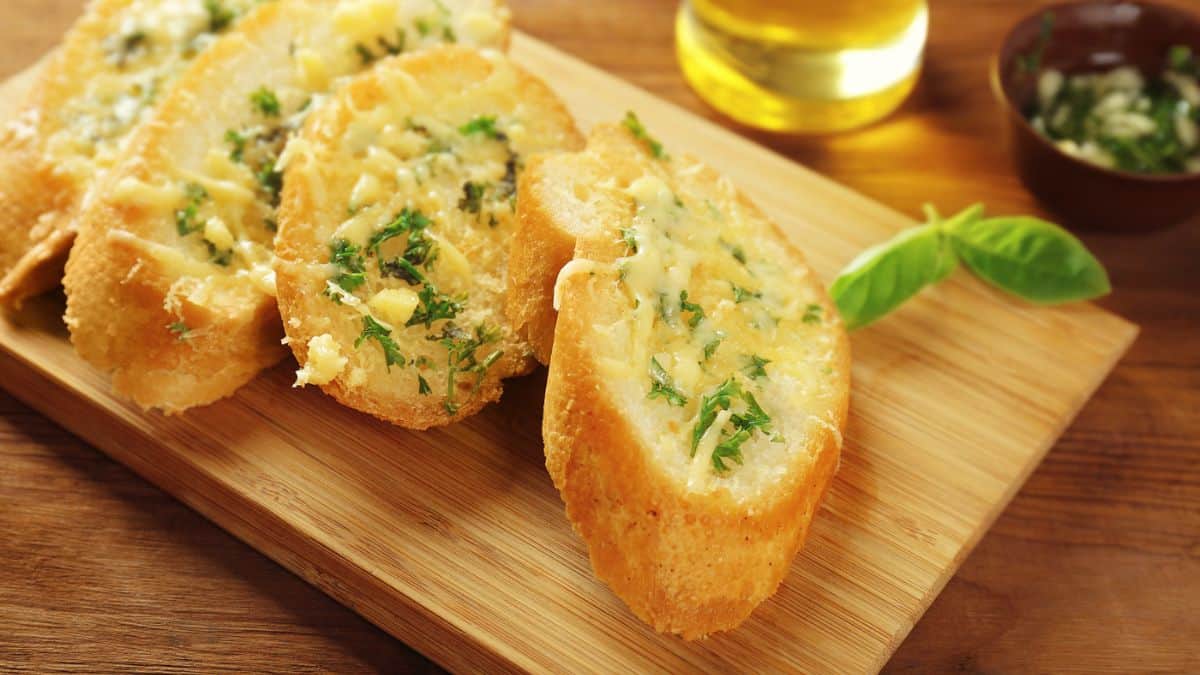
Thick slices of bread loaded with butter and minced garlic, sometimes topped with cheese, are a favorite side for pasta in the U.S. In Italy, bread is more likely to be served plain or lightly brushed with olive oil and garlic for bruschetta. The heavy use of butter and cheese on garlic bread is an American habit that transforms a simple starter into something richer and far removed from its Italian roots.
Rainbow Cookies
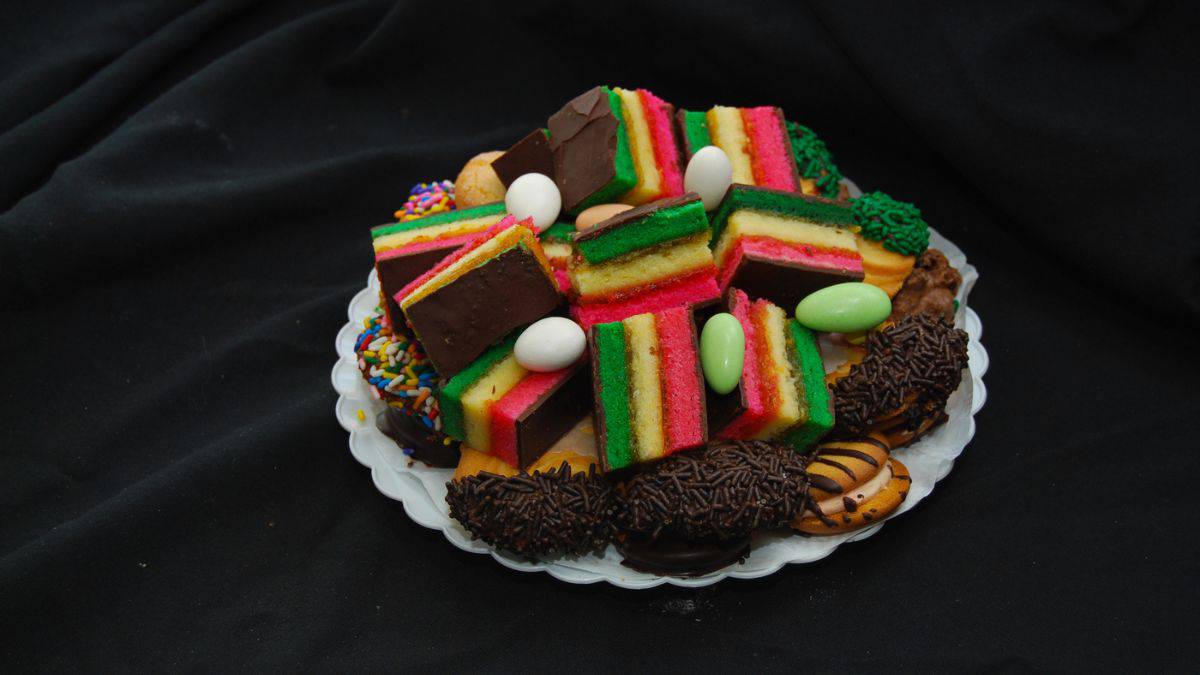
These colorful almond cake layers with jam and a chocolate coating are a staple in Italian-American bakeries. They mimic the colors of the Italian flag but are rarely, if ever, found in Italy. Traditional Italian sweets are often less sugary, focusing on simple almond cookies like amaretti or pignoli rather than layered cakes with bright food coloring.
Italian Salad Dressing
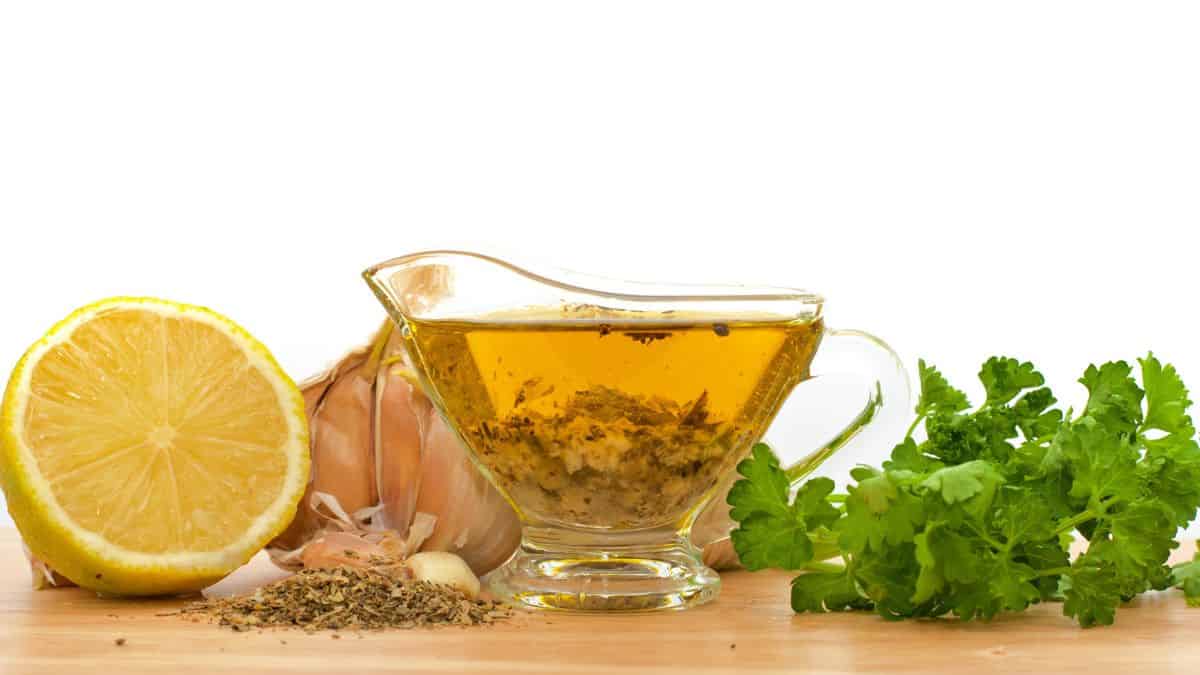
The bottled dressing labeled “Italian” in American grocery stores has little in common with what you’ll find in Italy. Its mix of vinegar, herbs, and oil is often sweetened or flavored with extra ingredients. In Italy, salads are dressed at the table with extra virgin olive oil, vinegar, or lemon juice without added seasonings. The American version is a convenience product that reflects a different approach to salads entirely.
Spaghetti Bolognese
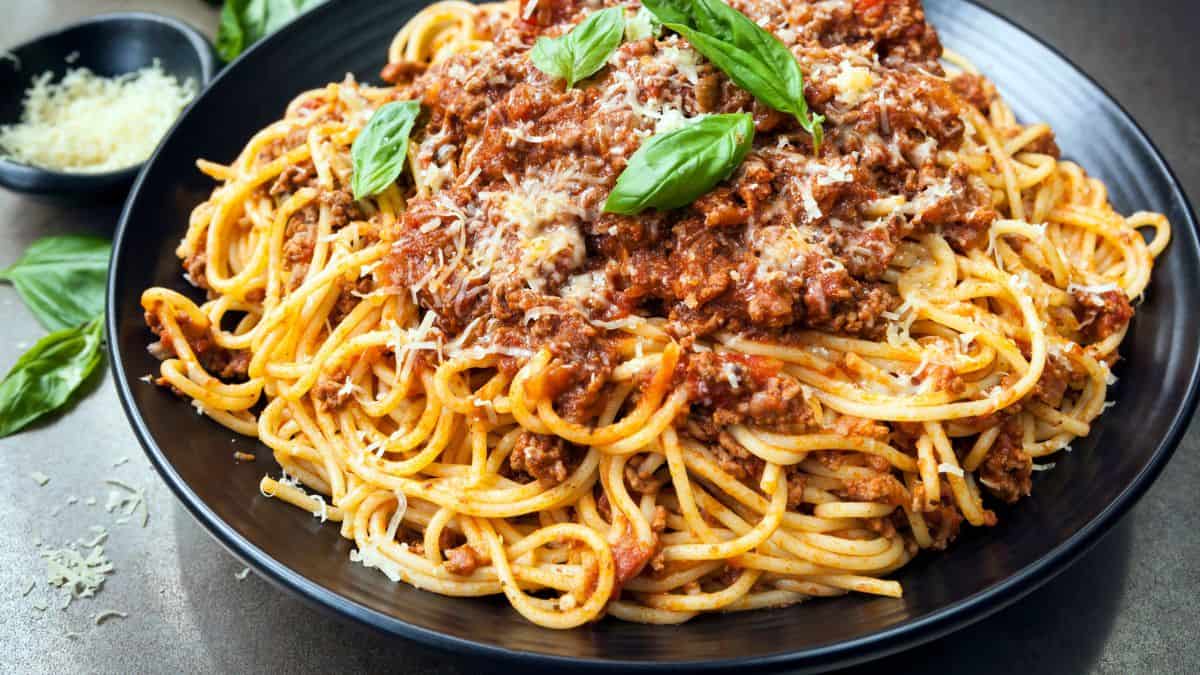
This pasta with meat sauce is one of the most common “Italian” dishes in the U.S., yet it does not exist in Italy. In Bologna, the true dish is tagliatelle al ragù, made with a slow-cooked sauce of minced meat, tomato, wine, and aromatic vegetables served with wide, flat pasta. The American version changes both the pasta shape and the flavor profile into something quite different.
Fettuccine Alfredo
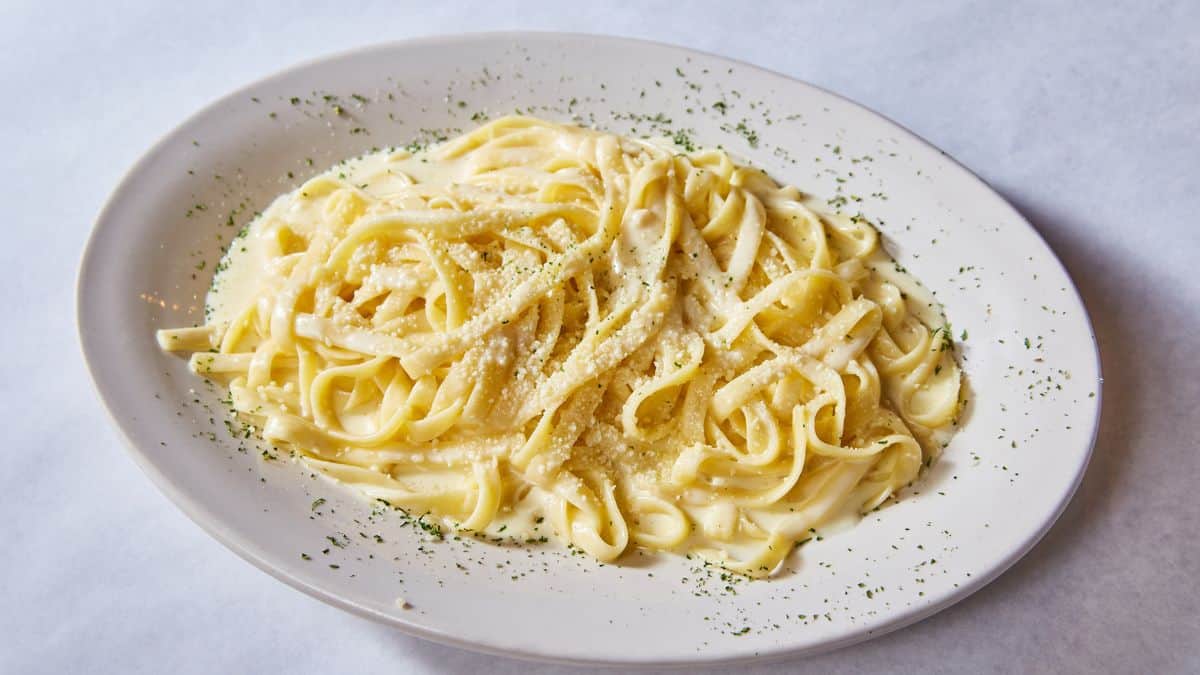
Creamy, rich Alfredo sauce clinging to ribbons of pasta is a favorite in American Italian restaurants. In Italy, a lighter version exists called pasta al burro, which is made simply with butter and Parmigiano-Reggiano. The American version became thicker and heavier to suit local tastes, making it something Italians would not recognize as their own.
Pepperoni Pizza
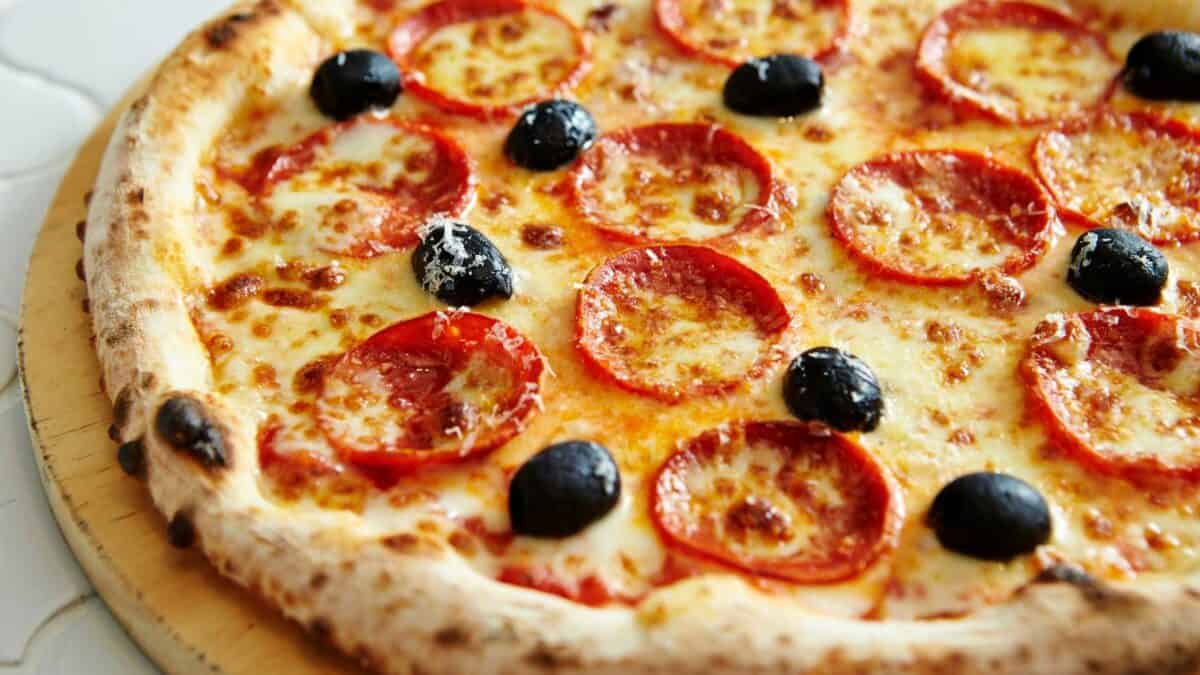
In the U.S., pepperoni pizza means a topping of spicy cured meat that crisps up in the oven. In Italy, “pepperoni” refers to bell peppers, not salami. Their closest equivalent would be pizza topped with thin slices of spicy salami, but the specific flavor and style of American pepperoni is distinct to the U.S.
Muffuletta
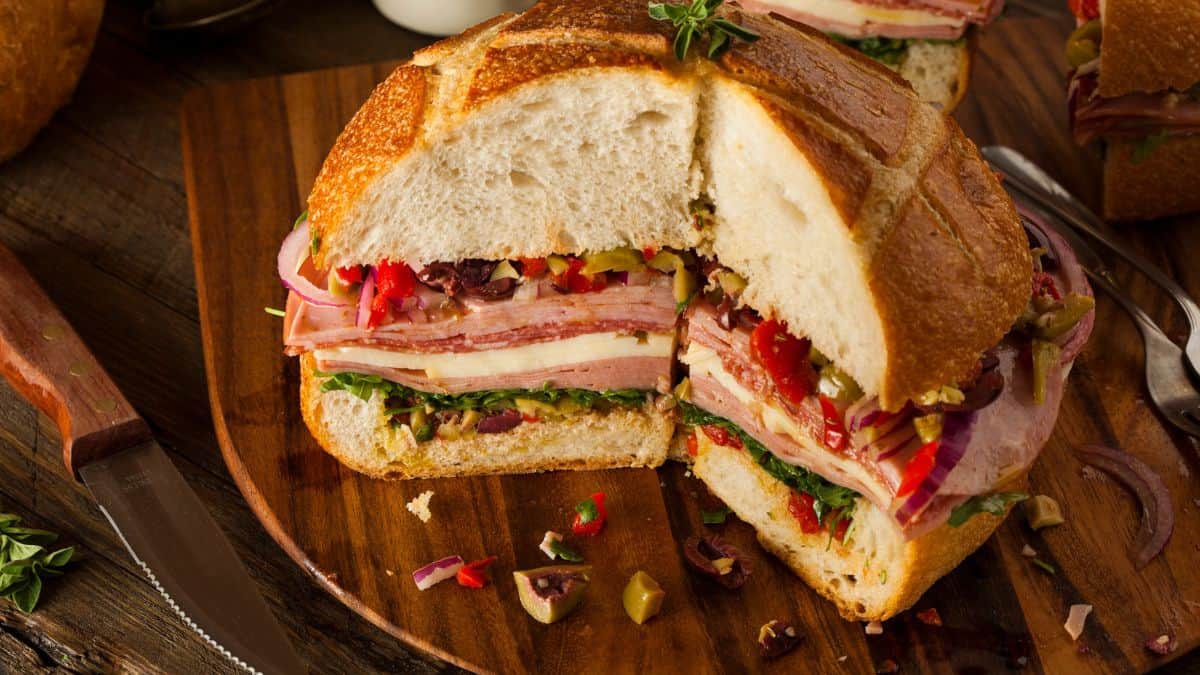
This oversized sandwich packed with layers of cured meats, cheese, and olive salad originated with Italian immigrants in New Orleans. While Italy has plenty of regional sandwiches, none match the exact style of the muffuletta. Its signature combination of flavors and ingredients is a product of Italian-American creativity.
Sunday Sauce
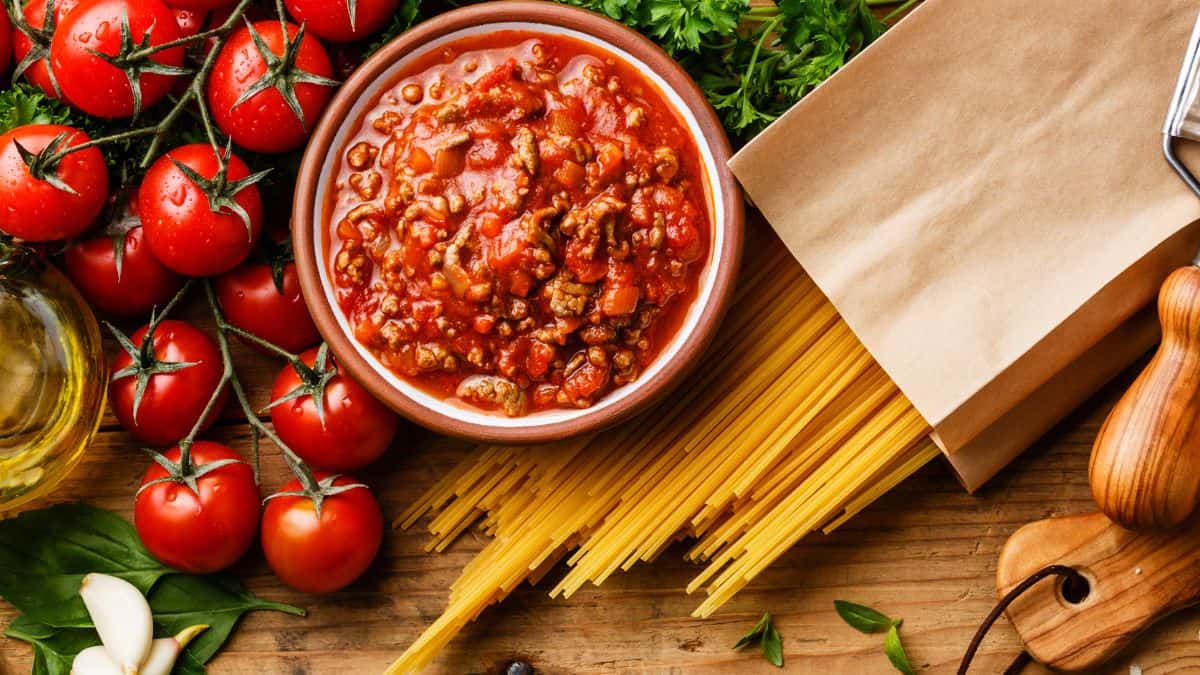
Known in many families as “gravy,” Sunday Sauce is a long-simmered tomato sauce cooked with meat and served over pasta. In Italy, the meat and sauce would typically be served separately, with the pasta eaten first and the meat as a second course. The American tradition merges them into one hearty dish, turning it into a signature part of Italian-American home cooking.
11 “Mexican” Foods That Aren’t Actually Mexican
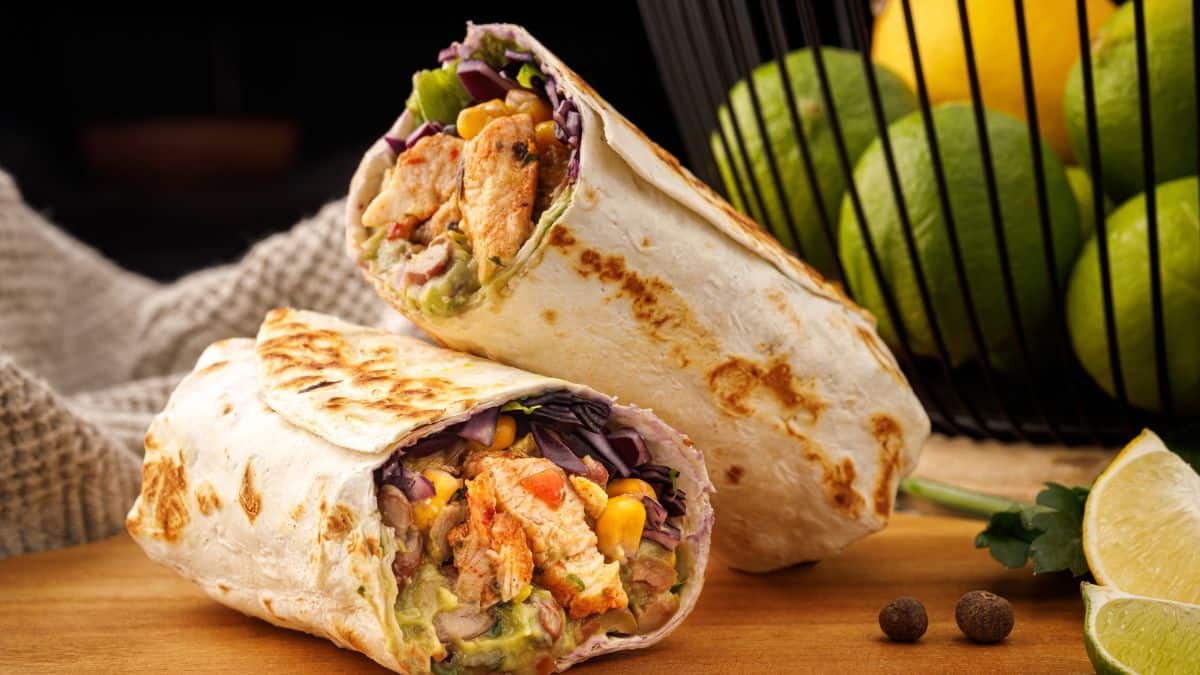
Everyone loves a good taco Tuesday night, but what if we told you some of your favorite “Mexican” dishes aren’t actually from Mexico? Many foods we associate with Mexican cuisine actually have origins elsewhere and some are even entirely made up by Americans. Is your favorite Mexican food on the list?
Read it Here: 11 “Mexican” Foods That Aren’t Actually Mexican
12 Foods Americans Love That The Rest Of The World Thinks Are Gross

When it comes to food, Americans have a knack for loving things that the rest of the world finds, well, questionable. Our pantries are filled with items that others might politely decline—or run from. But hey, that’s what makes us unique, right? While some might argue we’ve taken certain flavors a bit too far, we’re just here for the good stuff, no matter how bizarre it seems to outsiders. So, let’s take a moment to appreciate those quirky American favorites that never fail to raise an eyebrow (or two) across the globe.
Read it Here: 12 Foods Americans Love That The Rest Of The World Thinks Are Gross
Select images provided by Depositphotos.

Gina Matsoukas is an AP syndicated writer. She is the founder, photographer and recipe developer of Running to the Kitchen — a food website focused on providing healthy, wholesome recipes using fresh and seasonal ingredients. Her work has been featured in numerous media outlets both digital and print, including MSN, Huffington post, Buzzfeed, Women’s Health and Food Network.