

Some ingredients promise convenience but end up dulling everything they touch. They linger in your pantry out of habit, not because they bring great flavor. Over time these shortcuts leave meals tasting flat and one-note. Listen to the pros and swap them out for fresher options as a way to bring back depth and character to your everyday cooking.

Truffle Oil

This ingredient has worn out its welcome and rarely lives up to its reputation. Most bottles rely on synthetic aroma compounds rather than real truffles, leaving food with a harsh, chemical note instead of earthy depth. It’s often splashed on everything from fries to pasta, which only exaggerates the one-dimensional flavor. Fresh mushrooms or shaved truffle add natural complexity without overpowering the dish.
Pre-Ground Black Pepper

This pantry shortcut has long passed its peak. The oils that give pepper its bite and fragrance begin to fade as soon as the peppercorns are ground, leaving a dull, dusty spice. Cooking with it means you’ll miss the sharp heat and layered aroma freshly cracked pepper brings to sauces, meats, and vegetables. Keeping whole peppercorns and grinding them on the spot transforms seasoning into a key flavor of the meal and is much preferred.
Garlic Powder

Garlic powder might have its place in a spice rub, but that’s about it. It was designed for convenience, but it flattens dishes instead of building flavor. The drying process strips away the natural oils and sharp-sweet bite that make fresh garlic so rich and aromatic. What’s left is a faint, processed taste that can’t anchor a sauce or bring depth to a sauté. Minced or roasted cloves create a strong, nuanced base that no powder can match.
Bottled Lemon Juice

This shortcut has overstayed its place on the shelf. Pasteurization and preservatives leave it overly acidic and one-note, without the bright oils released by fresh fruit. Using it can throw off the balance of dressings, marinades, and desserts. A quick squeeze of fresh lemon provides real citrus flavor and aromatic zest that bottled juice can never duplicate.
Dried Herbs
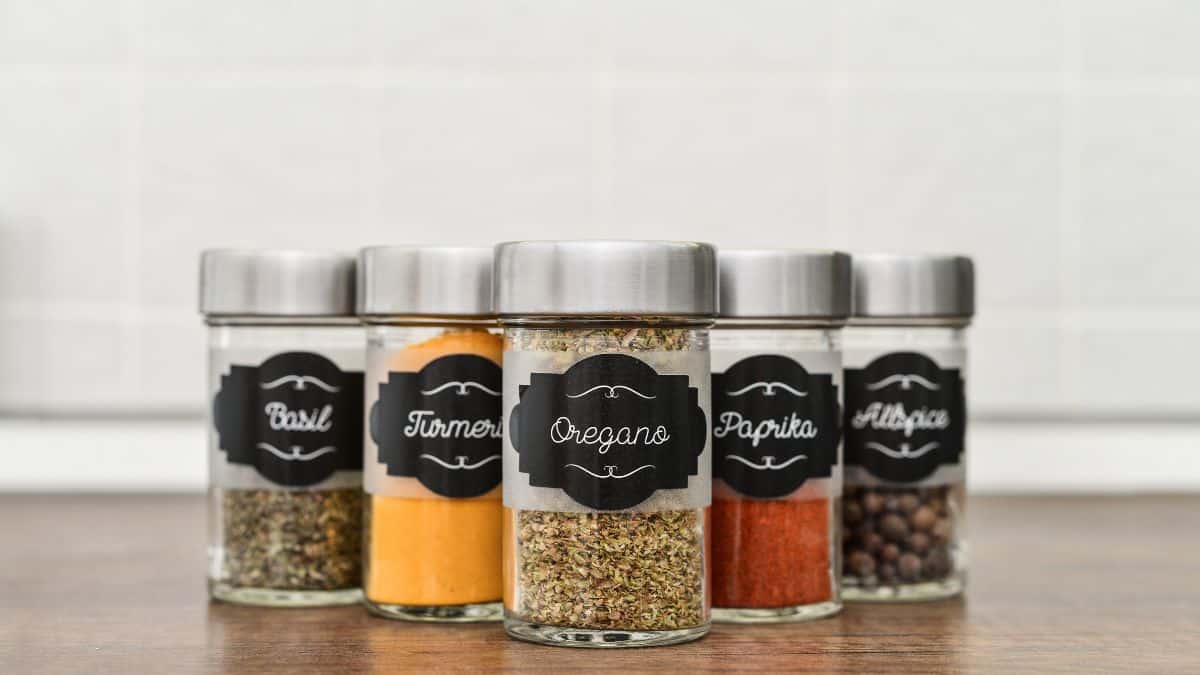
Fragile herbs like basil, parsley, and cilantro lose most of their essential oils as they dry, turning into something that looks green but tastes flat. They add color more than flavor and can make a dish feel lifeless. Fresh herbs bring aroma and vibrancy, especially when tossed in at the end of cooking or used as a garnish. Even a small indoor pot keeps them ready year-round.
Liquid Smoke

Once seen as a shortcut to outdoor flavor, liquid smoke now comes across as harsh and artificial. Its concentrated taste can dominate meats, beans, and sauces instead of enhancing them. Slow smoking or even a brief session on a charcoal grill creates layers of natural smokiness that bottled flavoring can’t approach. A handful of wood chips will always beat a splash from a bottle.
Processed Cheese

What was once marketed as a modern convenience has become a symbol of lost flavor. Filled with emulsifiers and stabilizers, it melts into a uniform goo but lacks the complexity of real cheese. Natural cheeses, from sharp cheddar to creamy gouda, deliver authentic texture and taste that elevate everything from sandwiches to sauces.
Table Salt
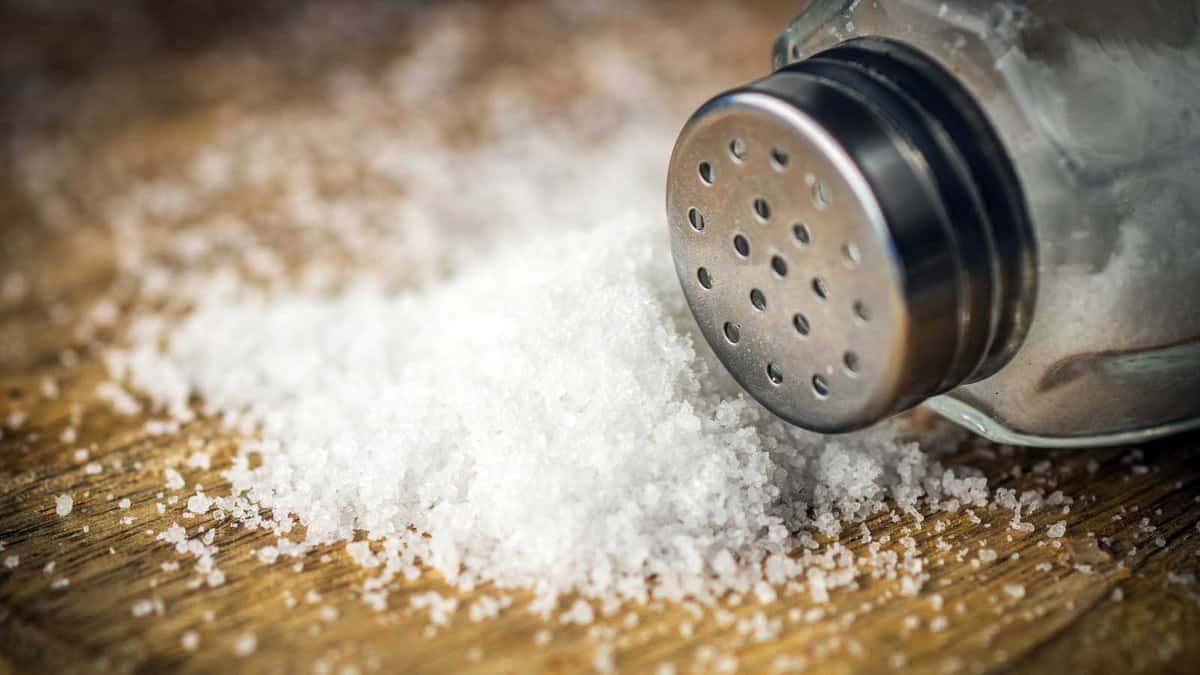
Refined and treated with anti-caking agents, table salt brings a sharp salinity without the trace minerals that give other salts depth. Its fine crystals dissolve so quickly that it’s easy to over-season and miss the chance for layered flavor. Kosher or sea salt dissolves more evenly and brings a cleaner, more balanced taste to every dish.
Canned Parmesan Cheese

Pre-grated Parmesan in a can has long since lost its appeal. Anti-caking agents and fillers dull the nutty complexity that real Parmigiano-Reggiano delivers. Instead of melting into sauces or finishing pasta with a savory punch, it tastes flat and powdery. Grating fresh Parmesan at the table adds aroma and a texture the packaged version can’t offer.
Margarine

Remember when margarine was considered and marketed as a healthy alternative to butter? We’ve come a long way since those days. Made from refined oils and additives, it gives baked goods and sautés a greasy finish and a bland, synthetic taste. Real butter contributes natural flavor and creates flakier pastries and richer sauces that margarine simply can’t match.
Artificial Vanilla Extract

Built from synthetic vanillin, artificial vanilla lacks the layered, warm notes of real vanilla beans. Its one-dimensional flavor can make baked goods taste flat instead of fragrant. Pure vanilla extract, derived from whole pods, infuses desserts and even savory sauces with a depth that artificial versions can’t imitate.
Imitation Maple Syrup

Corn syrup and artificial flavors keep this product shelf-stable but leave it overly sweet and shallow. Instead of the earthy richness of pure maple, it delivers a single sugary note that overpowers pancakes, waffles, and baked goods. True maple syrup offers nuanced sweetness and natural complexity that can’t be bottled in an imitation. You may have loved this stuff as a kid and doused your pancakes with it, but sticking with the real stuff as an adult will bring much more flavor.
Bottled Salad Dressings

Many bottled dressings are loaded with preservatives, sugar, and artificial flavors that coat greens without letting their freshness shine. The thick, processed texture often masks vegetables instead of complementing them. Mixing oil, vinegar, and a pinch of seasoning at home creates cleaner flavors and a better balance of acidity. Once you’ve made dressing at home and realize how simple it is, it’s hard to go back to the bottle.
Ready-Made Spice Mixes

Pre-mixed seasonings might look convenient, but they usually contain excess salt and fillers that water down the spices themselves. The result is a flat seasoning that tastes the same no matter what you’re cooking. Blending your own spices takes only minutes and lets you control both intensity and balance.
Low-Fat Dairy Products

By removing fat and adding stabilizers or sugar, low-fat dairy sacrifices the flavor and mouthfeel that make milk, yogurt, and cheese satisfying. The texture can turn thin or chalky, and the taste often falls flat. Whole milk, full-fat yogurt, and real cheese create richer sauces, creamier desserts, and a more authentic flavor.
11 Most Overrated Food Trends Of The Past Decade

Over the past decade, we’ve seen countless food trends come and go, some more memorable than others. While some lived up to the hype, others were just overrated fads that quickly lost their appeal. From rainbow foods to juice cleanses, these trends often focused more on looks than taste or health benefits. Here are some of the food trends that we think were seriously overrated.
Read it Here: 11 Most Overrated Food Trends Of The Past Decade – Which Ones Did You Fall For?
11 ‘Healthy’ Cooking Oils That Are Terrible for You

We all try to make healthier choices, and cooking oils are no exception. But not all oils are as good for you as they seem. Some popular “healthy” options can actually do more harm than good. Here’s a rundown of some cooking oils that might not be as beneficial as you think. Try swapping some of these out for healthier alternatives like olive oil, coconut oil and avocado oil instead.
Read it Here: 11 ‘Healthy’ Cooking Oils That Are Terrible for You
*Select images provided by Depositphotos.

Gina Matsoukas is an AP syndicated writer. She is the founder, photographer and recipe developer of Running to the Kitchen — a food website focused on providing healthy, wholesome recipes using fresh and seasonal ingredients. Her work has been featured in numerous media outlets both digital and print, including MSN, Huffington post, Buzzfeed, Women’s Health and Food Network.