


Keeping energy steady throughout the day isn’t just about coffee or snacks, it comes down to how your body handles sugar. Fruit is packed with nutrients, but some kinds release sugar so fast they can leave you dragging an hour later. If you’re curious how different fruits stack up, this glycemic index chart breaks it down clearly. It’s a useful guide if you want to eat in a way that supports metabolism and avoids those energy dips.
Watermelon
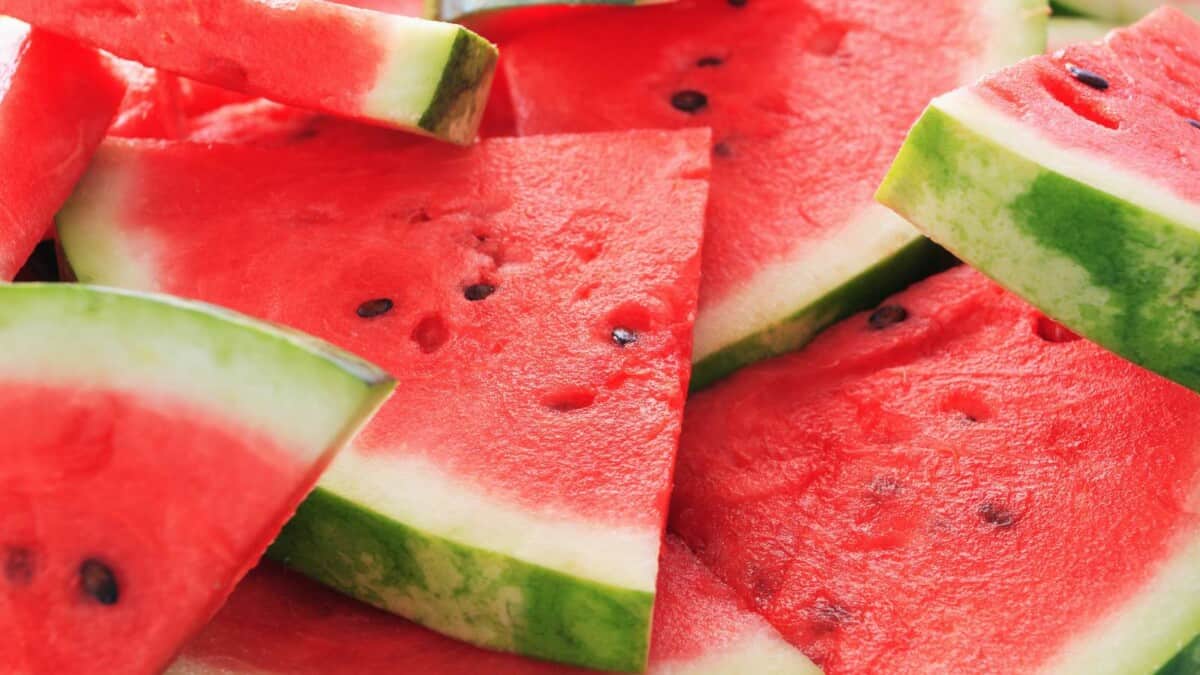
Watermelon is the fruit everyone looks forward to in summer, but it’s also one that sends blood sugar up in a hurry. It’s mostly water, so it feels harmless when you’re slicing into a huge wedge, but its high glycemic index makes the sugar hit your bloodstream fast. That’s why you might feel a burst of energy followed by a quick crash after eating it. It doesn’t mean you have to give it up completely, but keep portions smaller and pair it with something like cheese or nuts so your body isn’t overwhelmed.
Pineapple
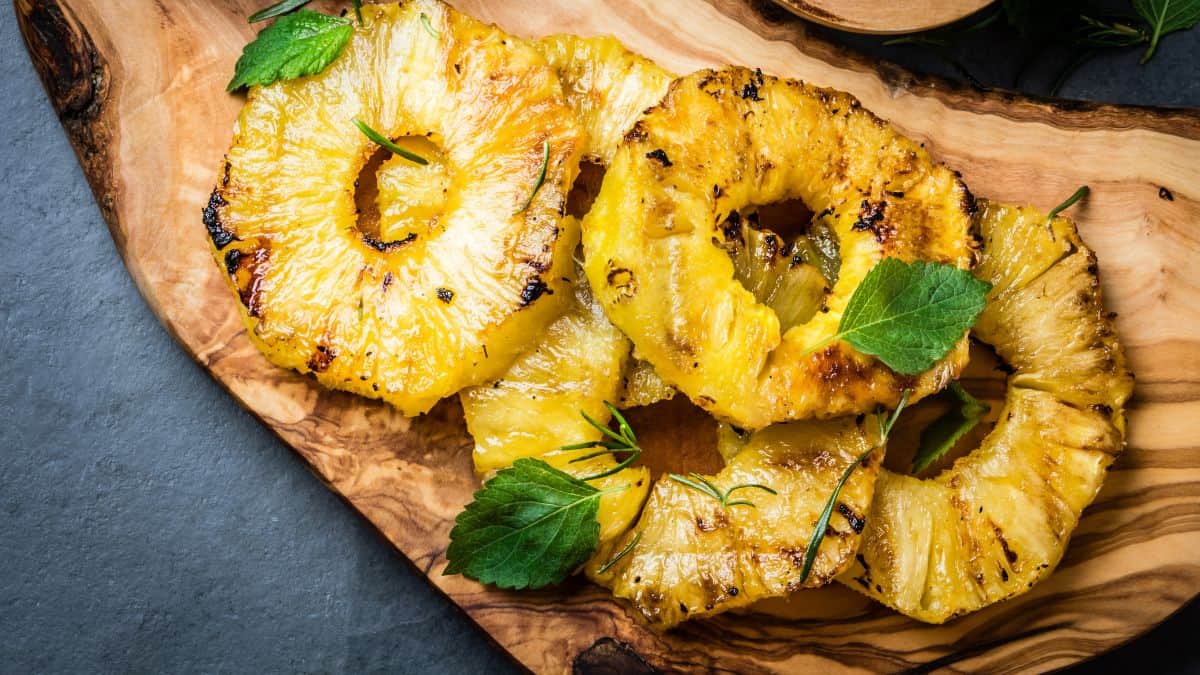
Pineapple is sweet, juicy, and hard to resist, especially when it’s cut up and sitting in the fridge. The problem is its natural sugars break down quickly, which can leave your blood sugar shooting up before you realize it. You might notice the same thing if you’ve ever felt a sugar rush after eating too much at once. The trick here is to enjoy a few chunks instead of half a container and maybe pair it with protein so the sugar doesn’t hit all at once.
Mango

Mangoes taste like sunshine and are packed with nutrients, but they’re also one of the highest-sugar fruits you’ll find in the produce aisle. A ripe mango can feel like candy, and your body reacts about the same way it would if you grabbed a handful of sweets. That kind of sugar can hit quickly and leave you feeling drained later on. Cutting it into slices and sharing or mixing a small amount into a meal makes it easier to enjoy without going overboard.
Bananas
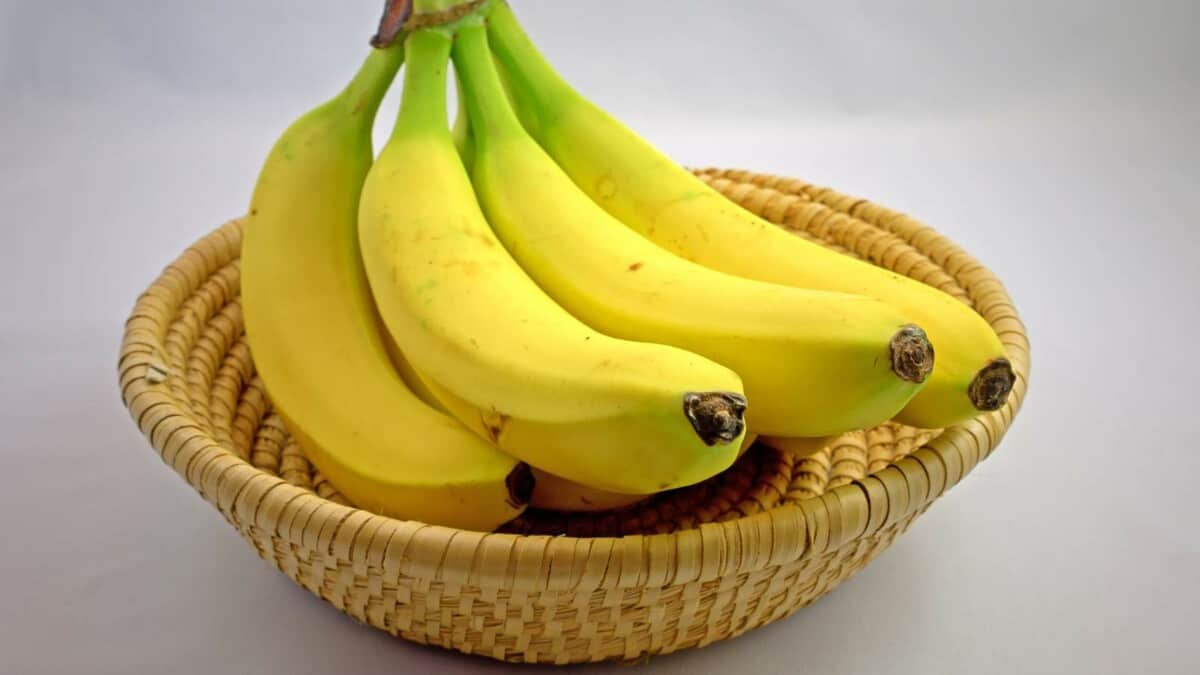
Bananas are one of the most popular fruits for a reason, but they’re also a fast track to a blood sugar spike, especially when they’re fully ripe. The starches convert into sugars as the peel gets spotty, which means your body processes them quickly. If you’ve ever eaten a banana on its own and then felt hungry again almost right away, that’s why. They’re better balanced out in a smoothie with protein powder or nut butter, or sliced over oatmeal where the fiber helps slow things down.
Grapes

Grapes seem innocent enough, but it’s easy to go through a big bunch without realizing how much sugar you’ve eaten. They’re bite-sized, portable, and refreshing, which makes them a go-to snack, but each handful adds up fast. That quick hit of sugar can send your blood glucose climbing and then leave you feeling sluggish later. Instead of snacking straight from the bag, portion some out or pair them with cheese for a more balanced snack.
Cherries
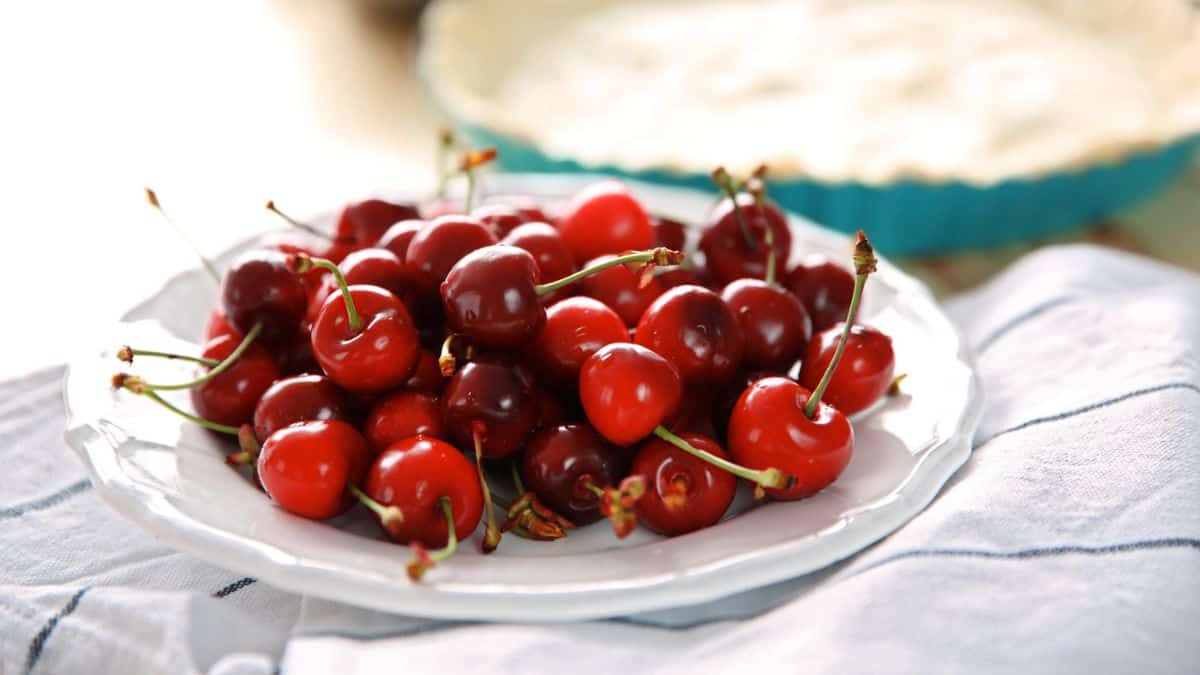
Cherries pack a lot of sweetness into a small fruit, which is why it’s easy to polish off a bowl in one sitting. They may not seem like a problem at first glance, but their natural sugars are concentrated enough to cause quick spikes in blood sugar. If you’ve ever felt that sugar rush after eating too many, you know how fast they can hit. They’re best enjoyed in moderation, a small handful at a time, especially if you’re trying to keep your numbers steady.
Figs
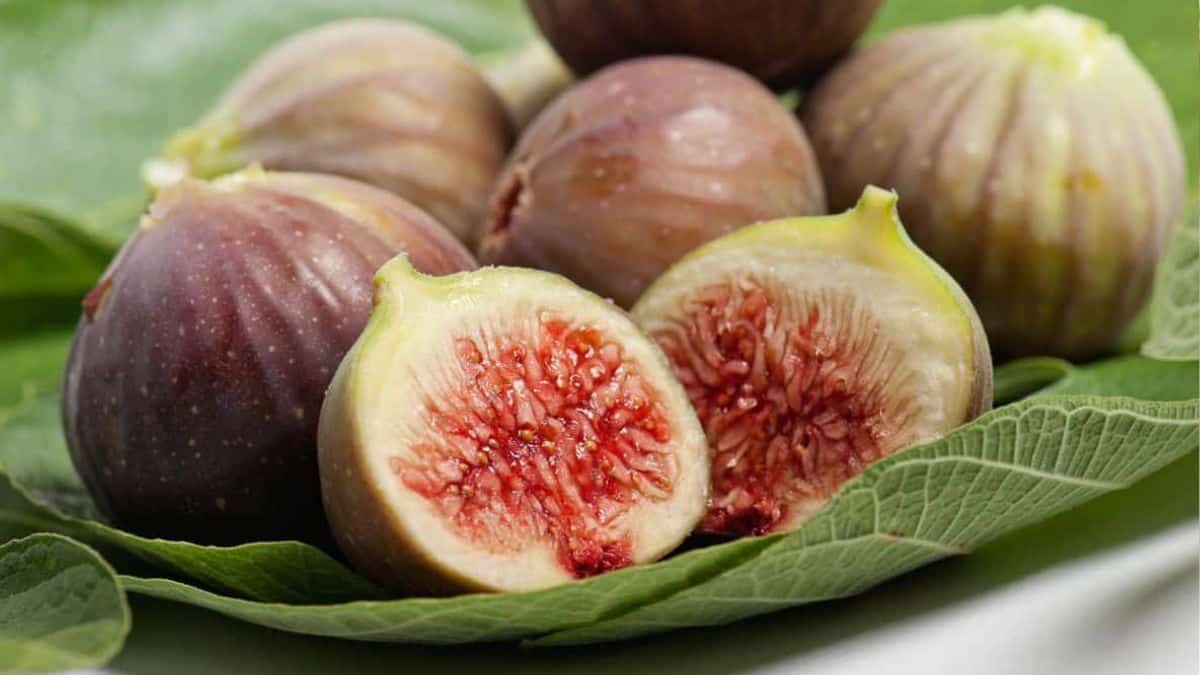
Figs have a rich, jam-like sweetness that makes them feel like a treat, but that flavor comes with plenty of sugar. Fresh or dried, they pack more than most fruits gram for gram, which is why they can send blood sugar levels up quickly. Eating them on their own can feel more like eating candy than fruit, and your body responds accordingly. Pairing figs with cheese or using them in salads is a smarter way to enjoy their flavor without the sugar spike.
Lychees

Lychees might look small, but don’t let that fool you. They’re loaded with natural sugars that break down quickly, which means your blood sugar can climb fast. Pop a handful without thinking, and you’ll feel it shortly after. They’re delicious and refreshing, but they’re best saved for an occasional treat or paired with protein to slow things down.
Dates

Dates are basically nature’s candy, which is why they taste so good in energy balls and desserts. The problem is they’re extremely concentrated, with more sugar per gram than almost any other fruit. Eat a couple on their own, and it’s like eating spoonfuls of sugar. They can be great in moderation when mixed with nuts or oats to help blunt the effect, but eaten by themselves, they’ll spike your blood sugar quickly.
Tangerines

Tangerines are easy to peel and snack on, which makes them a popular grab-and-go fruit, but their sugar content is higher than you might think. Eat more than one at a time, and you may notice your blood sugar climbing faster than you expected. They’re refreshing and nutritious, but they’re better enjoyed alongside a handful of almonds or another source of protein so your body handles the sugar more evenly.
How To Make Fruit Work For You

Fruit doesn’t have to be off-limits just because some varieties can send your blood sugar climbing. The trick is eating them in a way that slows things down. Pair apple slices with almond butter, toss berries into Greek yogurt, or add a handful of nuts when you snack. The fat and protein help your body process the natural sugars more gradually, which means you get steady energy instead of a quick rush followed by a crash. It’s a simple swap that can make your fruit bowl work with you instead of against you.
Avoid Dried Fruit
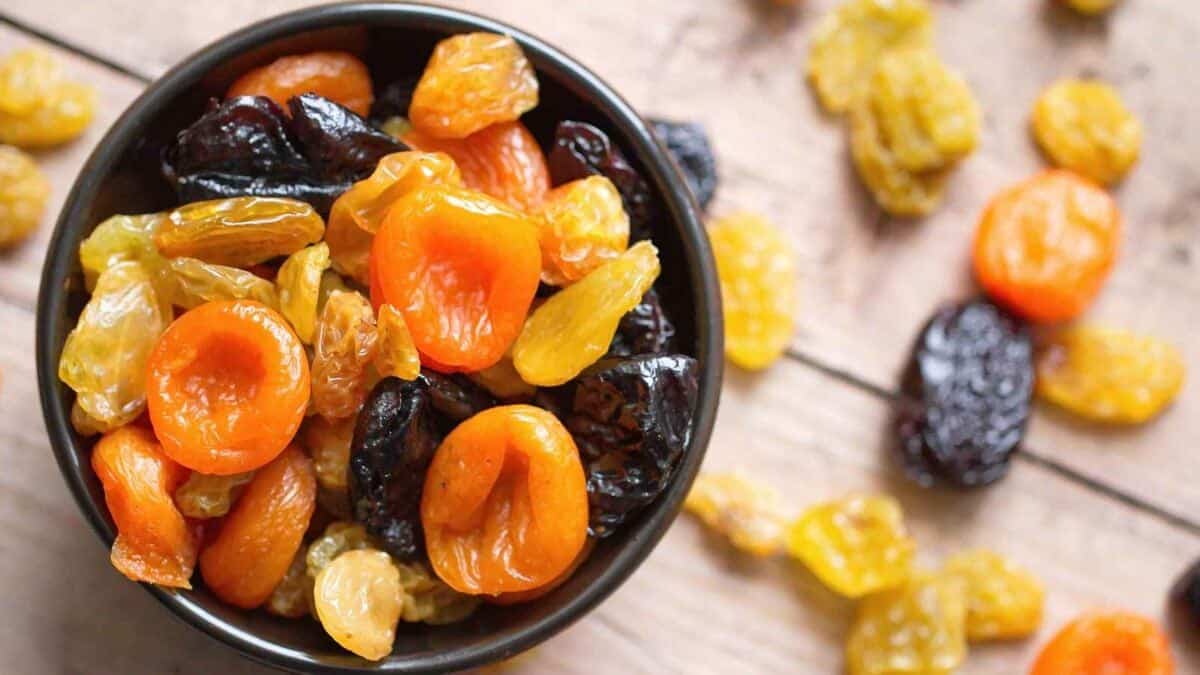
Dried fruit might sound healthy, but it’s one of the easiest ways to send your blood sugar soaring. All the water is gone, which means the sugar is concentrated into a tiny package that’s way too easy to overeat. A small handful of raisins or dried figs can give you the same sugar hit as a candy bar, and you usually don’t realize it until after the fact. Fresh fruit keeps the water and fiber that help you feel full and slows down how quickly the sugar is absorbed. When you’re managing blood sugar, fresh is almost always the smarter choice.
11 Best Fruits To Eat For A Diabetic-Friendly Diet
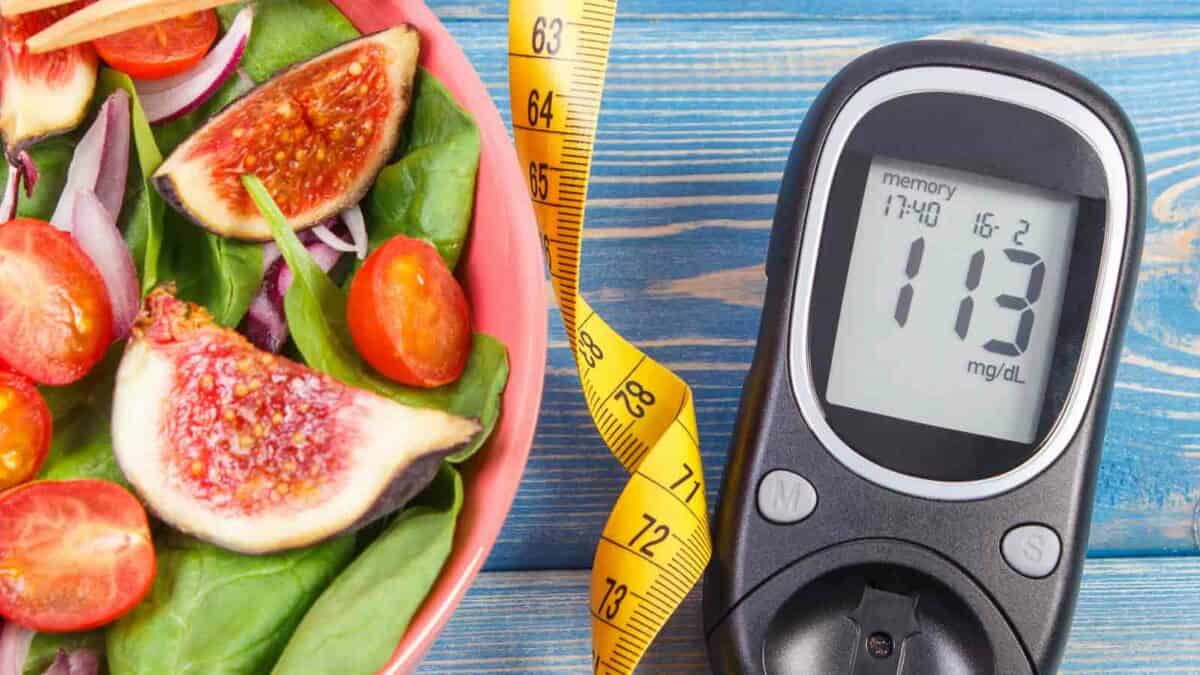
Navigating the world of what to eat can be tricky when you’re managing diabetes, especially when it comes to fruits. Yes, fruits are packed with essential nutrients and can be a great way to satisfy a sweet craving, but they also bring carbohydrates to the table, which means they have the power to influence your blood sugar levels.
However, not all fruits affect glucose levels in the same way; some have a lower glycemic index (GI) and provide a slow, steady source of energy without the spike. Let’s dive into which fruits are most diabetes-friendly, offering the sweet taste and nutritional benefits without the worry of sending your blood sugar on a roller coaster ride.
Read it Here: 11 Best Fruits To Eat For A Diabetic-Friendly Diet
Master Your Blood Sugar with These 11 Smart Snacks

Managing your blood sugar doesn’t have to be a chore or involve cutting out all your favorite foods. In fact, the right snacks can actually help keep your levels steady throughout the day. We’ve rounded up 11 smart snack options that taste great and are good for your blood sugar.
Read it Here: Master Your Blood Sugar with These 11 Smart Snacks
Select images provided by Depositphotos.

Gina Matsoukas is an AP syndicated writer. She is the founder, photographer and recipe developer of Running to the Kitchen — a food website focused on providing healthy, wholesome recipes using fresh and seasonal ingredients. Her work has been featured in numerous media outlets both digital and print, including MSN, Huffington post, Buzzfeed, Women’s Health and Food Network.