

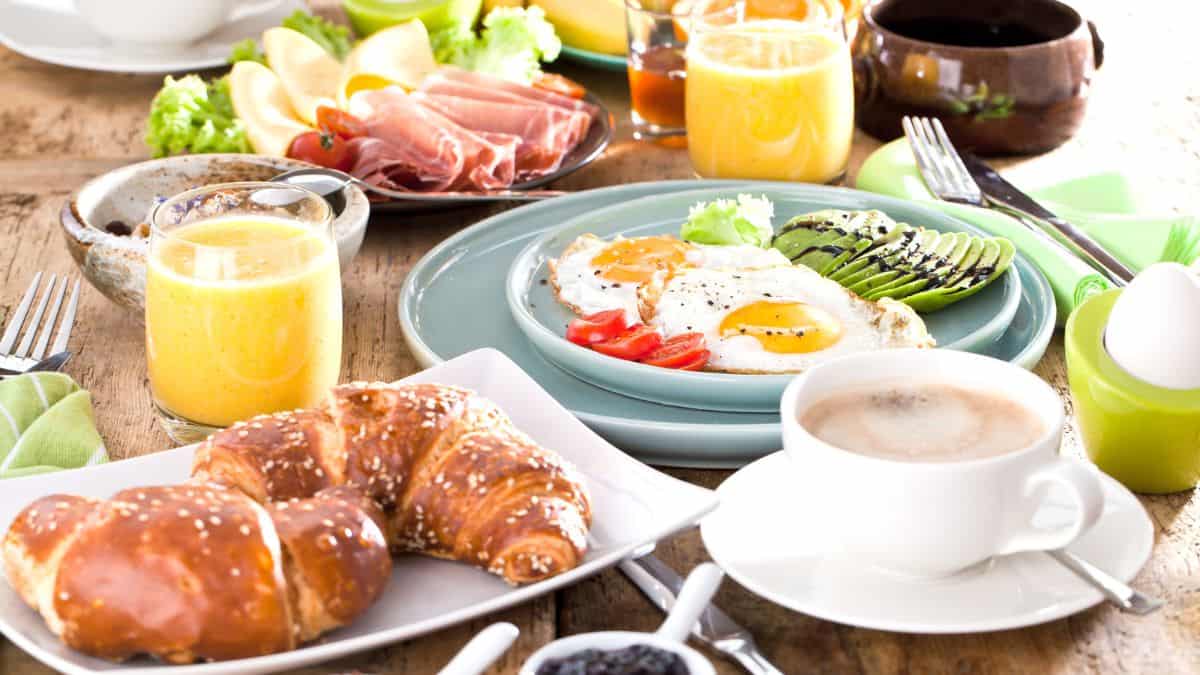
Some breakfast foods seem healthy at first glance but fall apart once you look closer. Labels and marketing can make them look like smart choices yet a closer look at the ingredients tells a different story. Many are packed with sugar refined carbs and added fats that cause a quick spike in energy followed by a crash. Some have more calories than a fast-food breakfast sandwich and less protein or fiber than you would expect. They might keep you full for an hour or two but leave you hunting for another snack well before lunch. Paying attention to what is really in these so-called healthy breakfasts can help you start the day with steady energy instead of a sugar crash.
Granola
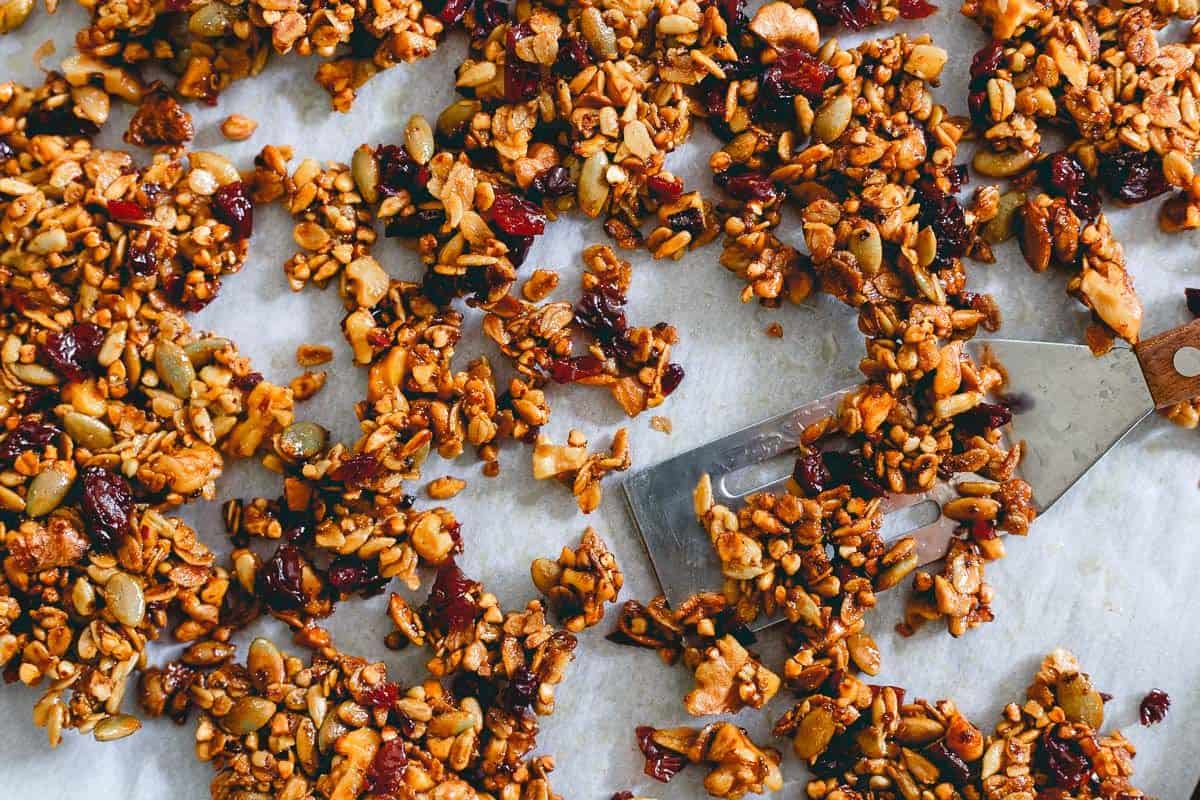
Granola gets a health halo it doesn’t always deserve. Many store-bought versions load up on added sugars and oils that turn a small handful into a calorie-heavy snack. A modest serving can have more sugar than a glazed donut and enough calories to rival dessert. If it is your breakfast of choice every morning it could be doing more harm than good to your energy levels.
Smoothie Bowls
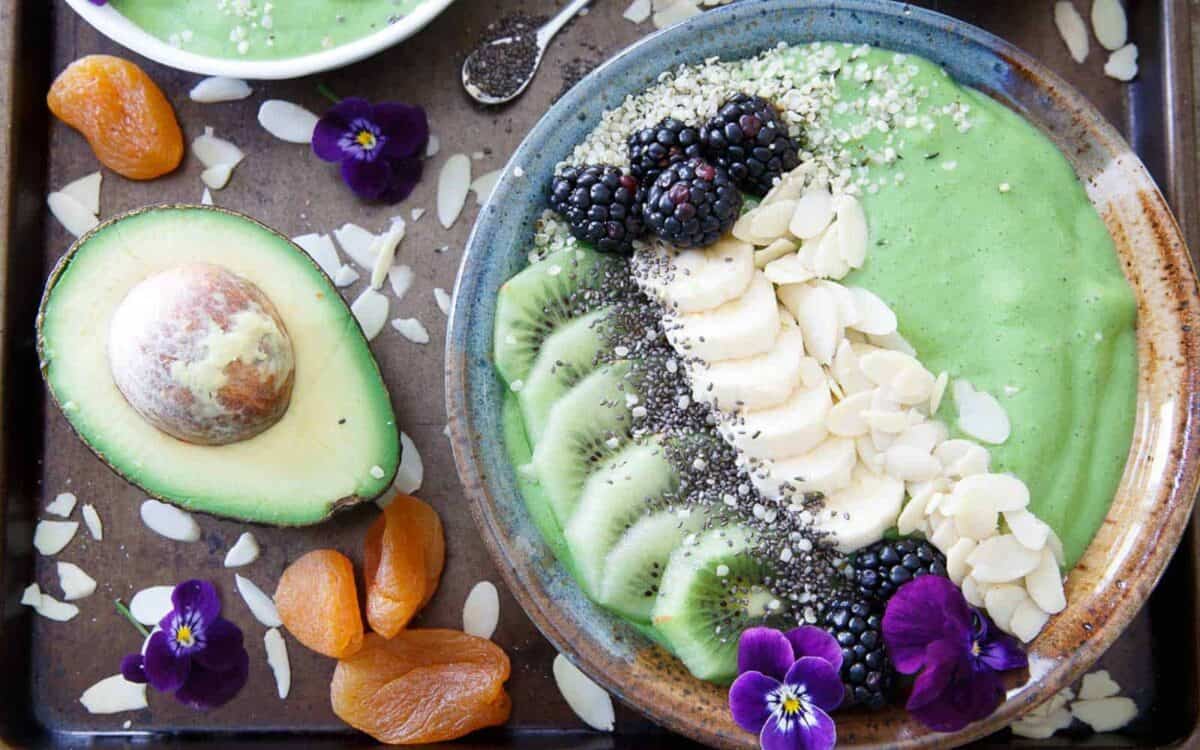
They may look like art in a bowl but smoothie bowls can quickly become sugar overload. Piling on honey granola sweetened yogurt and multiple servings of fruit adds up fast. It is not unusual for some to top 600 calories and hit sugar counts closer to dessert than breakfast. Without enough protein or healthy fat you will likely be hungry again well before lunch.
Flavored Yogurt
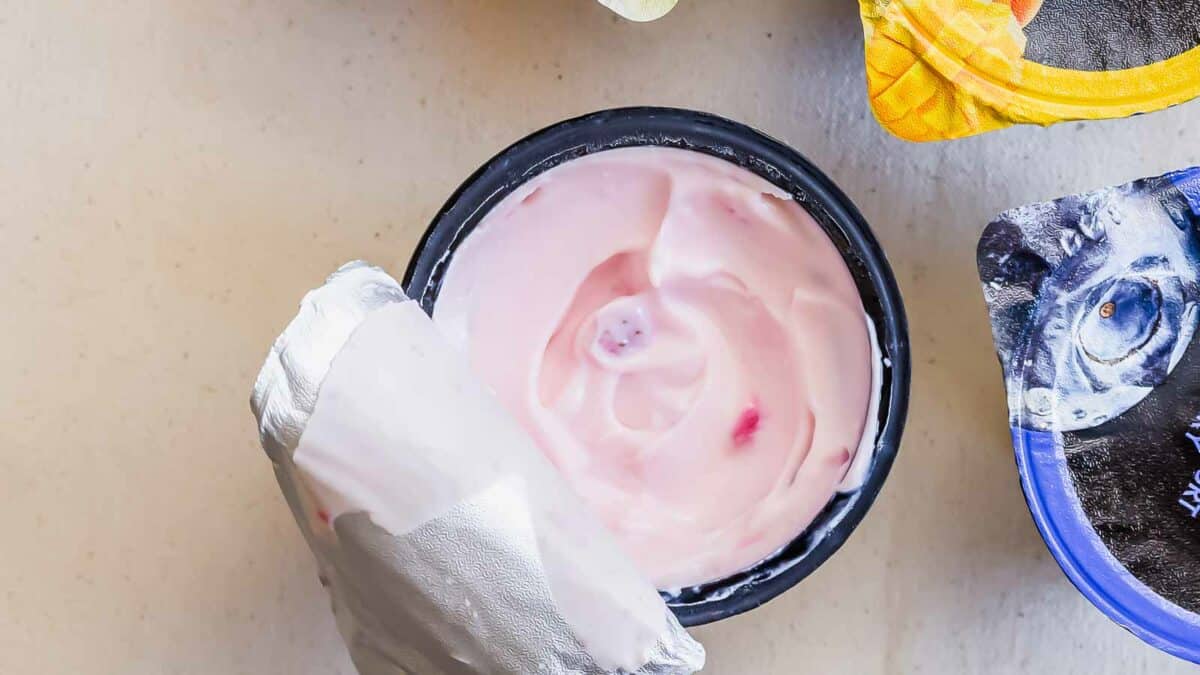
That fruit-on-the-bottom yogurt can carry as much sugar as a pastry. Brands often add syrups concentrates and cane sugar to boost flavor which pushes the sugar content into dessert territory. Some cups hide more than 30 grams of sugar in a single serving. Plain yogurt with your own fresh fruit keeps the sweetness without the overload.
Instant Oatmeal
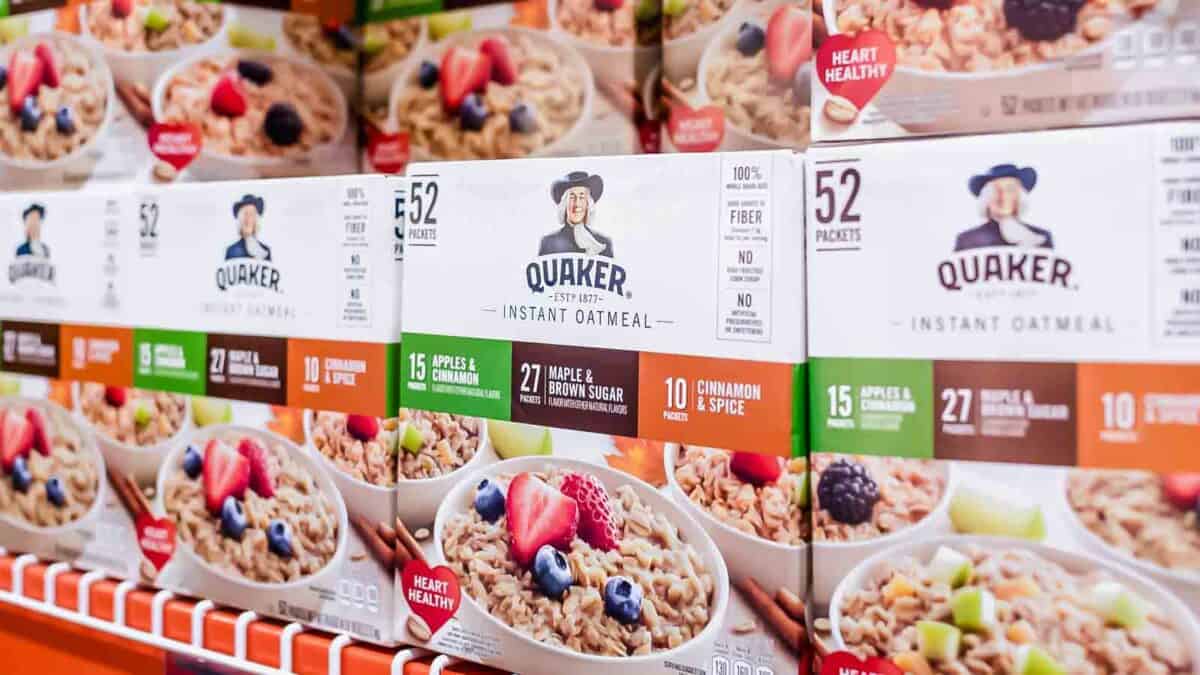
Those single-serve oatmeal packets are quick but flavored varieties often come with a heavy dose of added sugar. Even so-called healthy flavors can sneak in 10 to 12 grams per packet. That is before you add milk dried fruit or sweet toppings. Plain rolled oats or steel-cut oats give you control over the sweetness and keep the sugar count in check.
Protein Bars
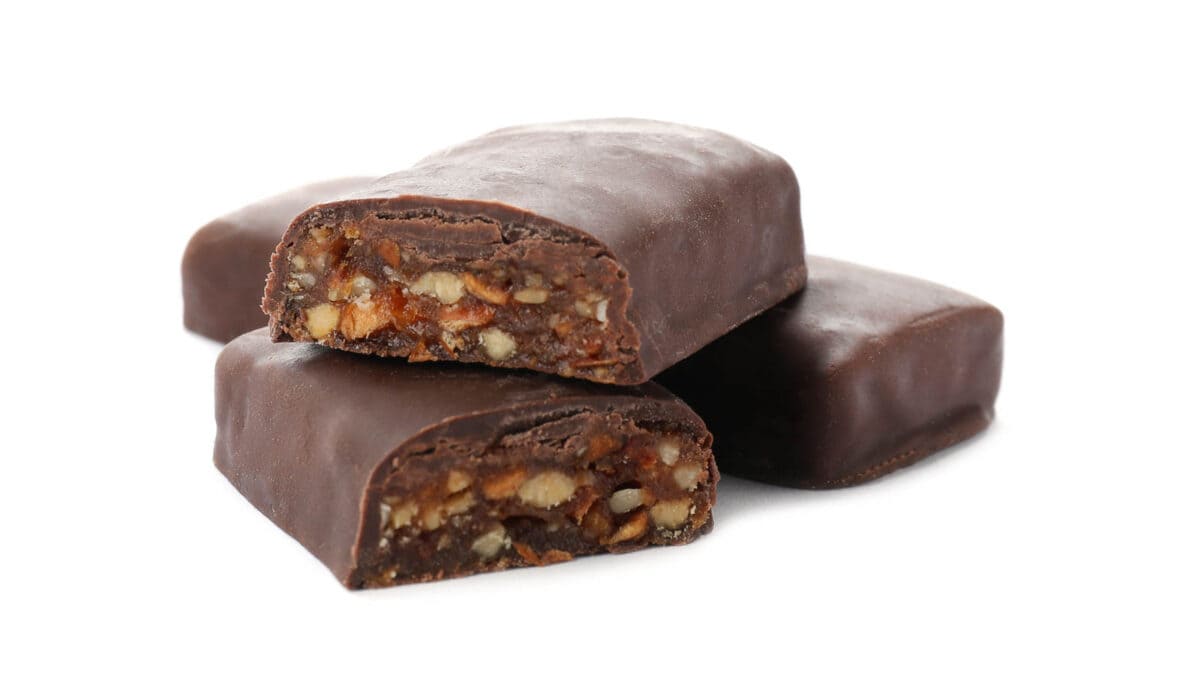
Protein bars are marketed as balanced meals but many mimic candy bars in disguise. Chocolate coatings syrupy fillings and sweeteners can push sugar levels above 20 grams per bar. The calorie count often lands in the same range as a standard candy bar as well. Checking the label before making it breakfast can save you from an early crash.
Juice and Smoothies
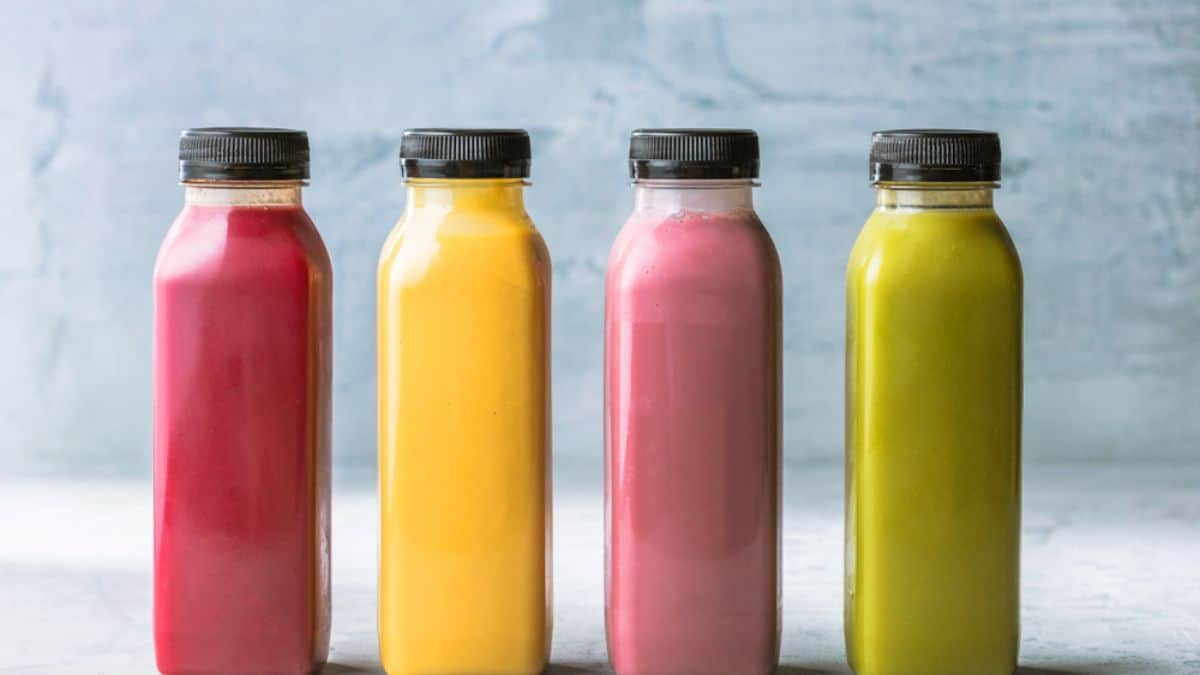
Bottled juices and smoothies can pack more sugar than soda. Even if the label says 100 percent fruit juice it lacks the fiber from whole fruit that slows down sugar absorption. The result is a quick spike in blood sugar followed by an equally fast drop. Making them at home with whole fruit and vegetables helps keep them balanced.
Bagels with Cream Cheese
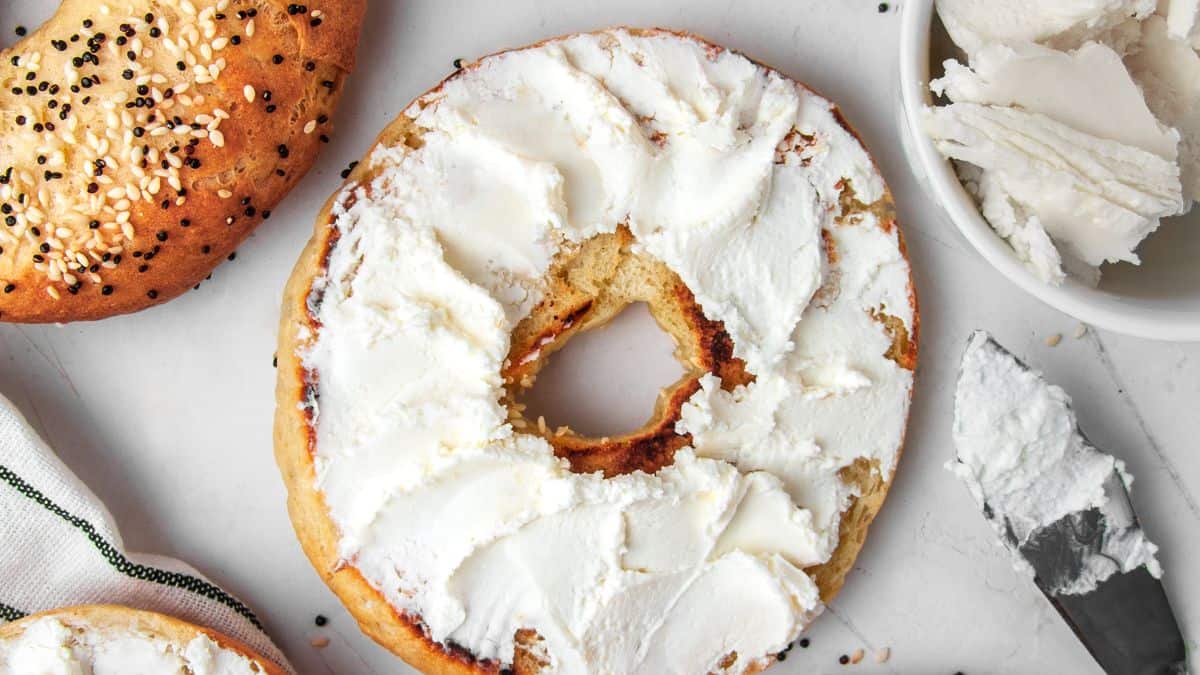
A bagel can seem harmless until you look at its size and what is spread on top. Large bakery bagels often run over 300 calories before you add a thick layer of cream cheese. That number climbs even higher with flavored spreads. It may fill you up in the moment but it can leave you sluggish soon after.
Try these protein bagels instead made with just 3 ingredients!
Muffins

A muffin from the store is basically cake baked in a different shape. Even the ones labeled healthy can hide significant amounts of sugar and refined flour. Calories can easily hit the 400 to 500 range without offering much in the way of protein or fiber. It is a breakfast choice that can send your blood sugar swinging.
Breakfast Cereal

Colorful cereals and even some that look healthy often pack in more sugar than expected. Many brands add sweeteners to keep them appealing and that sweetness can make up a large chunk of the calorie count. A bowl may seem light but without enough protein or fiber it won’t carry you through the morning.
Fruit Smoothies

Fruit smoothies sound like a smart choice until you account for what is going in the blender. Using juice sweetened yogurt and multiple servings of fruit can push the sugar and calorie content to dessert levels. Without balancing ingredients like protein or fat they digest quickly and leave you searching for another snack.
Rice Cakes with Nut Butter
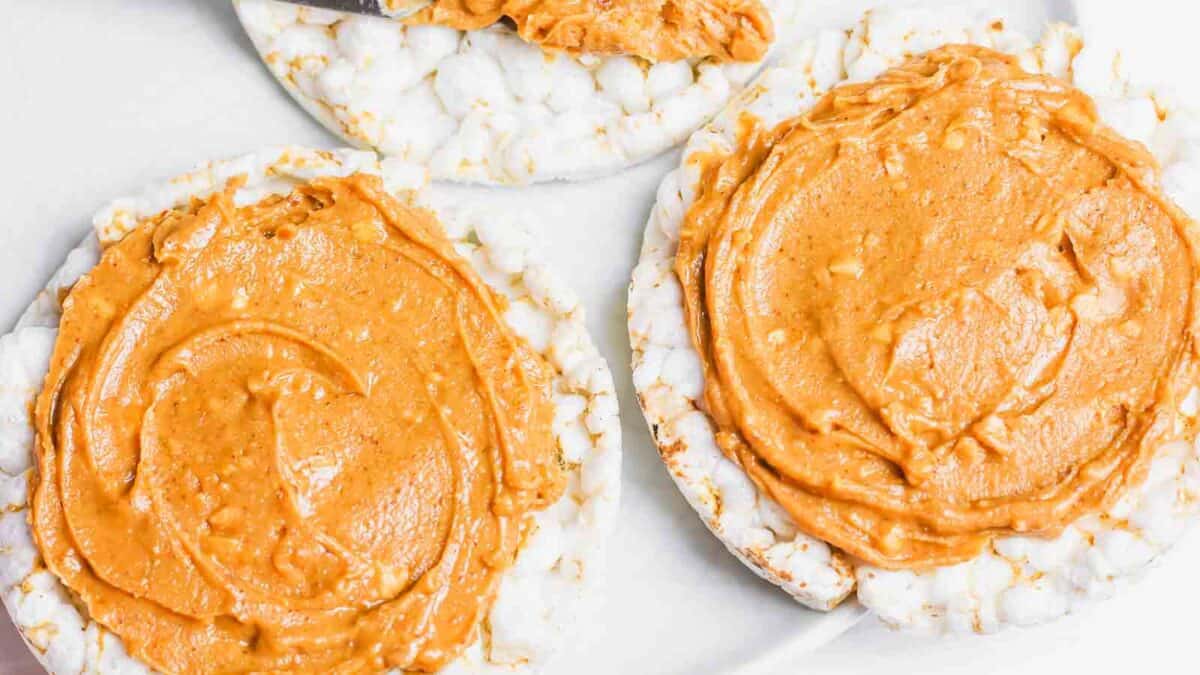
Rice cakes themselves are low in calories but become calorie dense with a heavy spread of nut butter. Two tablespoons of nut butter may not look like much but it adds up quickly especially if you use more. That can turn a light snack into a breakfast that rivals a donut in calories. Portion control makes all the difference.
Granola Bars

Many granola bars are candy bars wearing a healthy disguise. Added sugars syrups and chocolate coatings can make a single bar rival a pastry in sugar content. With some packing over 200 calories they might not give you the balanced energy you expect from breakfast. Choosing low-sugar versions can help but reading labels is key.
10 Breakfast Myths Busted: What You Really Should Be Eating in the Morning

We’ve all heard the same tired advice about breakfast — eat big, load up on carbs, and definitely never skip it, right? Well, it turns out, a lot of those “rules” are more myth than fact. In reality, breakfast doesn’t have to be a massive feast or a sugar rush waiting to happen. If you’re tired of being fed the same old nonsense, it’s time to bust some breakfast myths and find out what you really should be eating in the morning. Spoiler: it’s not cereal covered in sugar.
Read it Here: 10 Breakfast Myths Busted: What You Really Should Be Eating in the Morning
15 Breakfasts That Won’t Send Your Blood Sugar On A Rollercoaster Ride

Starting your day with the right breakfast can make all the difference, especially if you’re trying to keep your blood sugar levels stable. This list of recipes is packed with delicious options that are easy to make and perfect for a protein-rich start to your morning. Each dish has been chosen for its ability to provide sustained energy without the dreaded sugar spike and crash.
Read it Here: 15 Breakfasts That Won’t Send Your Blood Sugar On A Rollercoaster Ride
*Select images provided by Depositphotos.

Gina Matsoukas is an AP syndicated writer. She is the founder, photographer and recipe developer of Running to the Kitchen — a food website focused on providing healthy, wholesome recipes using fresh and seasonal ingredients. Her work has been featured in numerous media outlets both digital and print, including MSN, Huffington post, Buzzfeed, Women’s Health and Food Network.