

If you read food blogs or any kind of food writing, you’ve probably heard some of these phrases far too many times. They show up so often that you barely register them anymore, except for the moments when you’ve thrown some shade in the form of a quiet eye roll. These quippy phrases are meant to sound enticing, but they rarely explain what the food is actually like. Instead of helping you picture flavor or texture, they rely on familiar wording that doesn’t say much. For the sake of everyone’s sanity, let’s commit to stop using these and do better.
Melts in your mouth
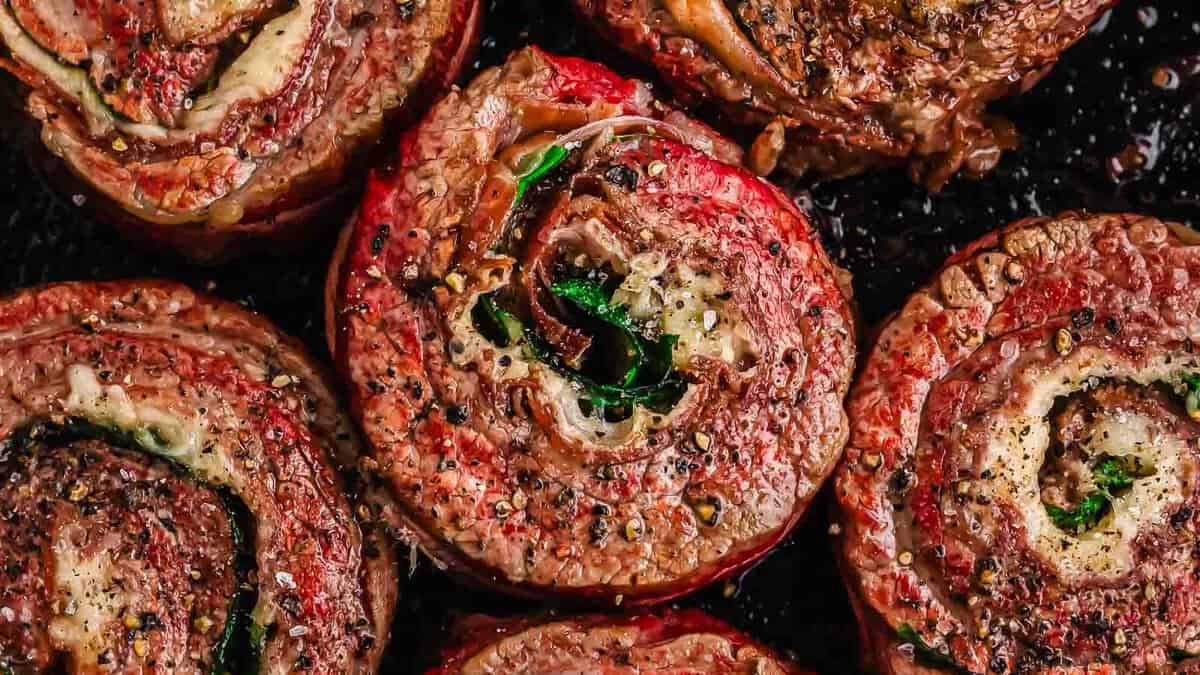
This phrase gets tossed around so often that it’s stopped meaning anything. People usually reach for it when they want to say something is tender, soft, or smooth, but that doesn’t help anyone picture what’s happening when they take a bite. A steak doesn’t magically dissolve and a brownie shouldn’t either. Saying how something was cooked, rested, or textured tells a clearer story and actually gives the reader a reason to care.
Explosion of flavor
Nothing about eating dinner should feel like a controlled detonation. This line tries to sound exciting but skips over the part people actually want to know. Was it salty, sharp, spicy, or rich. Those details matter more than hype. When you explain where the flavor comes from, the dish sounds more appealing and a lot more real.
Next-level
This phrase usually shows up when someone wants credit for improvement but doesn’t want to explain it. Better how? Better because of ingredients, technique, or balance? Without that context, it reads like filler. If something truly stands out, describing the change or decision that made it better does the work for you.
To die for
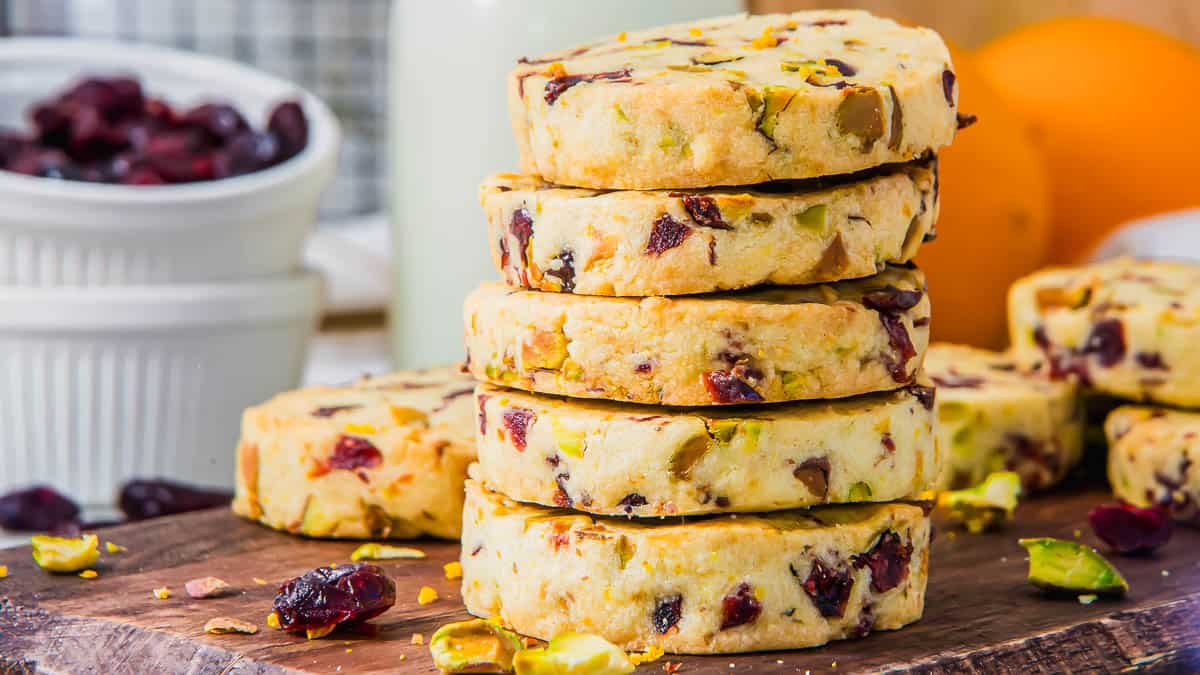
This one leans hard on drama without offering substance. Nobody’s risking their life for dessert and everyone knows it. When people use this phrase, they usually mean something felt worth slowing down for or going back for another bite. Saying what made it memorable gives the reader a much clearer picture than exaggeration ever could.
Elevate your dish
This phrase sounds fancy (and uses a tell-tale AI word) but never explains what’s actually happening. Ingredients don’t need a promotion, they need context. Does the lemon cut through richness or does the crunch add contrast? Those specifics tell a better story than vague promises about improvement.
Bursting with freshness
This line pops up whenever produce, specifically herbs, are involved, but it rarely explains anything. Fresh can mean crisp, sharp, juicy, or fragrant and those differences matter. When writers take the time to slow down, be thoughtful and name what’s actually fresh about the food, it feels much more intentional instead of recycled.

Decadent
Once upon a time this word meant something special. Now it gets slapped on anything with butter or chocolate. People reading food content want to know if something is dense, rich, creamy, or intense. Saying what makes it feel rich helps the reader decide if that’s what they’re in the mood for.
A symphony of flavors
This phrase tries to sound poetic but usually lands awkwardly. Food doesn’t need metaphors to feel thoughtful. Describing how flavors work together does more than comparing dinner to a concert. When you explain balance instead of reaching for grand language, the writing feels more confident.
Guilt-free
This phrase carries baggage it doesn’t need. It suggests eating should come with judgment, which turns people off fast. Most readers just want to know how something fits into their day. Describing the food without attaching shame makes it feel more welcoming and honest.

Flavor bomb
Loud wording doesn’t replace detail. When someone uses this phrase, they’re usually talking about bold seasoning or strong contrast. Naming the flavors does a better job than relying on shock value. Food can be exciting without sounding aggressive.
Mouthfeel
This word sounds technical (or just incredibly awkward) but rarely adds clarity. Texture matters, but it’s easier to say what something feels like than to label it. Creamy, crisp, chewy, or smooth tells people exactly what to expect. Plain language almost always works better here.
Farm-to-table
What started as a meaningful idea has turned into a buzzword that gets used without explanation. If local sourcing matters, showing where ingredients came from or how fresh they are makes the point stronger. Otherwise it reads like branding instead of information.

Gina Matsoukas is an AP syndicated writer. She is the founder, photographer and recipe developer of Running to the Kitchen — a food website focused on providing healthy, wholesome recipes using fresh and seasonal ingredients. Her work has been featured in numerous media outlets both digital and print, including MSN, Huffington post, Buzzfeed, Women’s Health and Food Network.