


If you’re constantly reaching for antacids, it might be time to take a closer look at what’s in your kitchen. Acid reflux is frustrating, uncomfortable, and way too common. The good news is that some everyday foods can help ease the symptoms without relying on medication. You don’t need a complicated diet overhaul or fancy supplements. Just a few smart choices that support digestion and don’t leave your chest burning an hour after you eat.

Oatmeal

Oatmeal is a dependable breakfast option when heartburn is a regular issue. It’s rich in soluble fiber, which supports healthy digestion and absorbs excess stomach acid before it has a chance to rise. Unlike processed breakfast cereals, oatmeal is gentle on the stomach and keeps you full longer, reducing the chance of overeating or snacking on reflux-triggering foods later in the day. For even more benefit, skip the sugary toppings and add a handful of sliced bananas or a sprinkle of cinnamon.
Bananas

Bananas are one of the few fruits that don’t trigger acid reflux symptoms. They’re low in acid, high in potassium, and naturally coat the stomach lining, which can help reduce irritation. Their smooth texture makes them easy to digest, and they’re a smart option when your stomach feels unsettled. Keep them on hand for a quick snack or blend them into a reflux-friendly smoothie for a soothing treat.
Sweet Potatoes

Sweet potatoes are an alkaline food, which means they can help balance stomach acidity and prevent reflux flare-ups. They’re also packed with fiber, which aids digestion and helps food move smoothly through your system. Unlike starchy sides that can cause bloating or heaviness, sweet potatoes are filling without being harsh on the stomach. Roast, mash, or bake them to create a nutrient-dense base for any meal.
Nuts
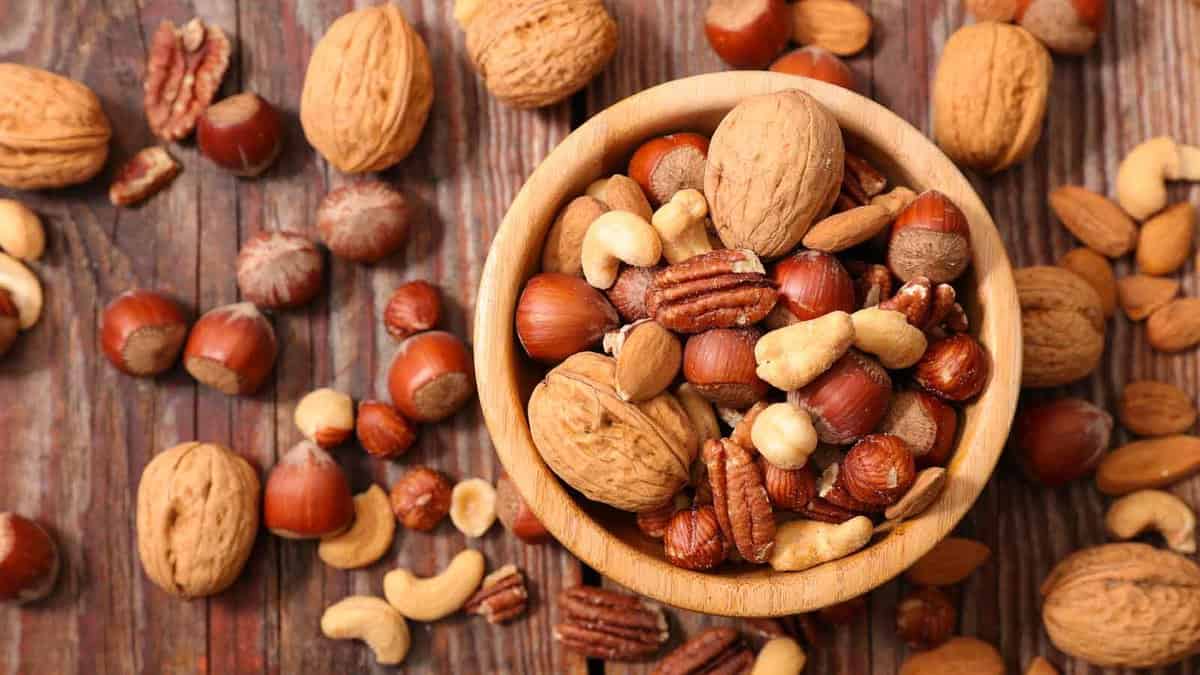
Nuts contain healthy fats and plant-based protein that can keep your stomach satisfied between meals, helping to reduce overeating, which is a common reflux trigger. They also support stable digestion thanks to their fiber content. Go for unsalted, raw, or lightly roasted varieties, and keep portions small since too much fat at once can have the opposite effect. Almonds in particular are a good pick for keeping things balanced.
Cucumber

Cucumbers have a high water content, which helps dilute stomach acid and prevent that uncomfortable burning sensation. They’re light, crisp, and hydrating, making them a perfect addition to meals or snacks during the warmer months when reflux tends to act up more. Slice them up into salads, snack on them with hummus, or add them to water for a refreshing boost.
Celery

Celery is another high-water veggie that helps neutralize acid and reduce stomach irritation. It’s naturally low in calories and incredibly easy on the digestive tract. The crunch makes it satisfying to eat without being heavy, and the fiber helps keep things moving, reducing the chances of pressure buildup that leads to reflux. Keep it simple with nut butter or add chopped celery to soups and salads.
Ginger Tea

Ginger has long been used as a natural remedy for stomach discomfort, and ginger tea is one of the easiest ways to take advantage of its soothing properties. It can help reduce inflammation in the digestive tract and calm nausea or bloating that often accompanies reflux. Sip it slowly and warm, ideally between meals, to keep symptoms in check without relying on medication.
Melon

Melons like cantaloupe and honeydew are naturally alkaline and low in acid, which makes them a smart choice when you’re trying to avoid triggering reflux. Their high water content supports hydration and helps dilute stomach acid before it causes trouble. These fruits are sweet without being acidic, so they’re safe to enjoy on their own or added to a breakfast bowl when your stomach needs something gentle.
Cauliflower
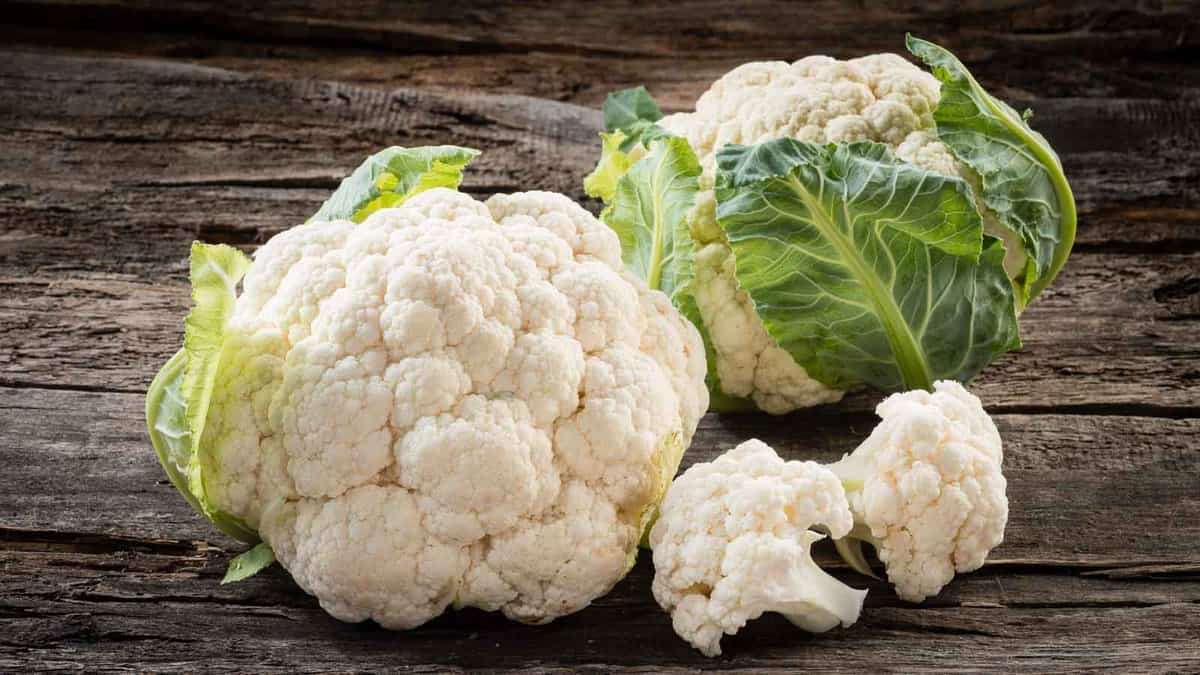
Cauliflower is versatile, easy to prepare, and one of the best vegetables for anyone managing acid reflux. It’s packed with fiber and low in acidity, which helps reduce the buildup of stomach acid. Whether it’s roasted, steamed, or riced, cauliflower holds up well and keeps meals balanced without triggering symptoms. Use it in place of heavier ingredients when you need something that keeps digestion on track.
Asparagus
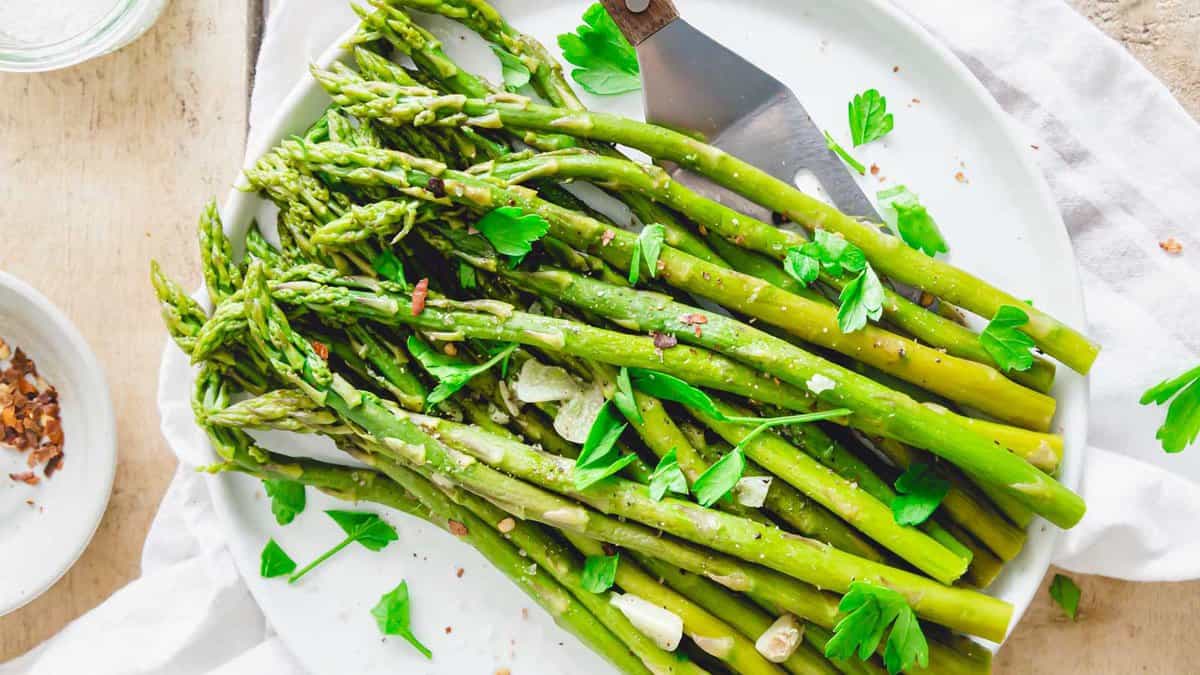
Asparagus is rich in vitamins and fiber, both of which support healthy digestion and help reduce the risk of acid buildup. It’s naturally low in acid and high in water, which makes it an easy addition to meals if you’re looking to keep things light. Grill it, steam it, or sauté it with olive oil for a side dish that complements reflux-friendly proteins like chicken or fish.
Yogurt

Yogurt with live and active cultures supports a balanced gut by introducing beneficial bacteria. It also helps neutralize stomach acid and promotes smoother digestion, which is key when you’re trying to reduce reflux episodes. Stick to plain, unsweetened varieties to avoid added sugars that can irritate the stomach, and enjoy it with a little fruit or honey for extra flavor.
Watermelon
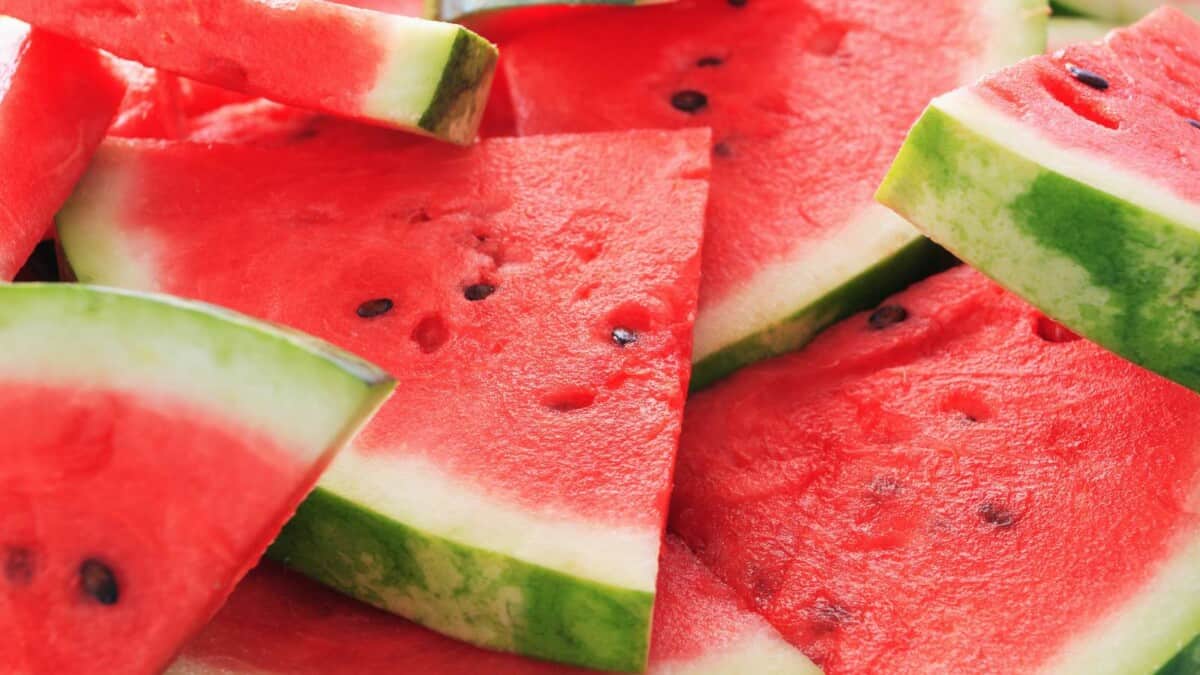
Watermelon’s high water content makes it one of the most hydrating fruits you can eat, which is helpful when you’re managing acid reflux. It helps neutralize acid naturally and keeps digestion from slowing down. Because it’s also low in acid, it won’t irritate the stomach or esophagus the way citrus fruits can. Eat it chilled for a refreshing way to stay cool and comfortable during the warmer months.
10 Controversial Benefits of Intermittent Fasting

Intermittent fasting has been getting a lot of buzz lately, and it’s not just another health fad. This eating pattern claims to offer several impressive benefits, but many of these are surrounded by debate and controversy. Some experts praise its potential for overall health improvement, while others caution against possible downsides. Here’s a closer look at the most talked-about and hotly debated aspects of intermittent fasting. Have you or would you try it?
Read it Here: 10 Controversial Benefits of Intermittent Fasting
11 Foods That Can Help Reduce Stress And Anxiety

Stress and anxiety can really take a toll on your daily life, but did you know that what you eat can make a big difference? There are certain foods that can help you feel calmer and more relaxed. Adding these stress-busting options to your diet is an easy and tasty way to help improve your mood.
Read it Here: 11 Foods That Can Help Reduce Stress And Anxiety
Select images provided by Depositphotos.

Gina Matsoukas is an AP syndicated writer. She is the founder, photographer and recipe developer of Running to the Kitchen — a food website focused on providing healthy, wholesome recipes using fresh and seasonal ingredients. Her work has been featured in numerous media outlets both digital and print, including MSN, Huffington post, Buzzfeed, Women’s Health and Food Network.