

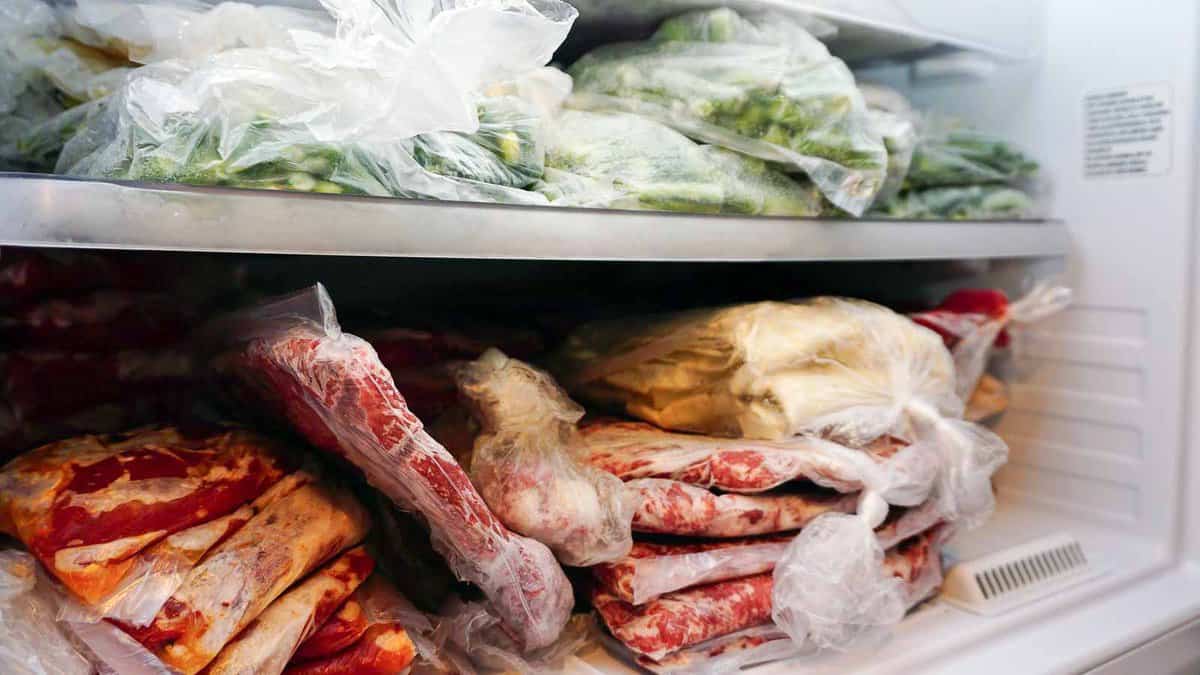
Freezing food is a lifesaver for busy weeks, but it’s not the best option for everything in your kitchen. Some foods just don’t handle freezing well, turning into a soggy mess or losing their flavor. Before you throw things in the freezer, take a look at this list that you should never be frozen.
Cream Cheese

Cream cheese loses its creamy, spreadable joy after a trip to the freezer. It becomes crumbly and loses moisture, making it more of a challenge to incorporate into your favorite recipes. If you value that silky texture on your bagels, keep cream cheese out of the freezer.
Avocados
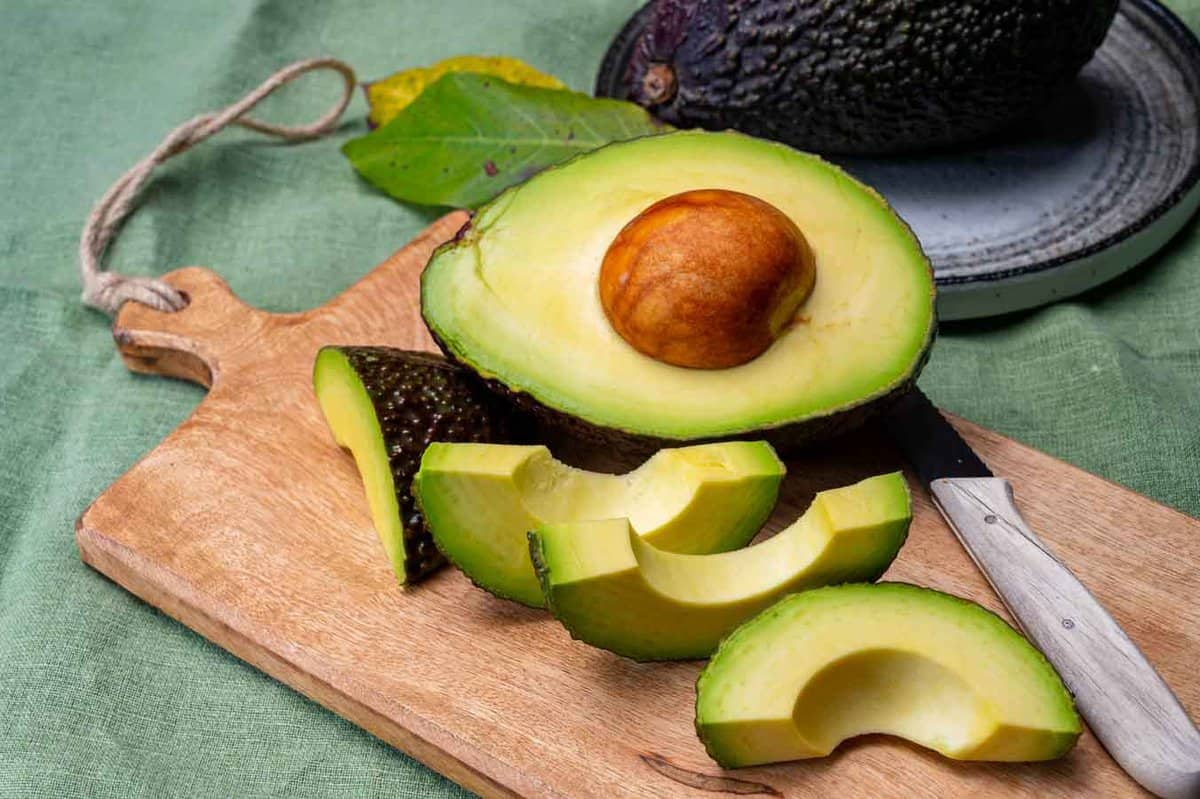
Freezing avocados can change their texture, making them more suitable for guacamole than slicing. While it’s not the worst option on this list, the subtle creaminess and fresh taste can be compromised, turning a once versatile fruit into a one-trick pony.
Lettuce

Like cucumbers, lettuce doesn’t fare well in the freezer, turning limp and soggy upon thawing. The once crisp and refreshing leaves become a sad, wilted mess, robbing your salads of their vibrant texture. It’s a leafy letdown that’s easily avoided.
Mayonnaise

Mayonnaise and the freezer are not friends. Freezing causes the emulsion to break, leaving you with a separated, curdled substance rather than the smooth, creamy spread you love. It’s a condiment catastrophe that can ruin your sandwiches and salads.
Cucumbers

Cucumbers turn into a watery, mushy mess when frozen and then thawed. They lose their crispness, which is essentially their main appeal. It’s like expecting a crunch and getting a squish instead—not the texture adventure you signed up for.
Tomatoes

Tomatoes lose their structure and turn to mush when frozen, which might be okay for sauces, but it’s a disaster for anything else. The fresh, juicy texture you love in salads or sandwiches is lost, leaving behind a watery shadow of the original fruit.
Coffee

Freezing coffee can dull its vibrant flavors, leading to a less aromatic and flavorful brew. Moisture from the freezer can also alter the beans or grounds, affecting the overall taste. It’s a brewing blunder that can easily be avoided by storing coffee in a cool, dry place instead.
Milk

Freezing milk can turn it into a strange, grainy mess that’s far from appetizing. When it thaws, the consistency changes, making your smooth, creamy milk resemble something no cereal bowl ever asked for. It’s a dairy dilemma that’s best avoided by keeping milk chilled, not frozen.
Potatoes

Potatoes become grainy and watery when frozen, losing their fluffy or firm texture. This transformation makes them less appealing for most dishes, turning a hearty ingredient into a culinary letdown. It’s a starchy mistake with disappointing results.
Canned or Bottled Beverages

Freezing these can cause containers to burst, leading to a messy cleanup and potentially wasted product. The change in texture and carbonation can also affect the taste and mouthfeel of the beverage. It’s a fizzy fiasco waiting to happen.
Jelly and Jams

While not as disastrous as other items, freezing jelly and jams can alter their consistency, making them too runny or stiff once thawed. The delicate balance of flavors and textures that makes spreads so enjoyable can be compromised, turning your sweet treat into a sticky situation.
Cabbage

Freezing cabbage can turn it into a soft, limp version of its former self, losing much of its original texture and appeal. While it might still be usable in cooked dishes, it won’t have that fresh crunch that makes cabbage so delightful in slaws and salads.
Fried Foods

Fried foods lose their crispy, crunchy exterior when frozen, turning into a soggy, unappetizing mess upon reheating. The once irresistible texture becomes a memory, replaced by disappointment. It’s a tragic transformation that’s best avoided.
10 Best Frozen Veggies To Keep In Your Freezer At All Times For Easy Meals
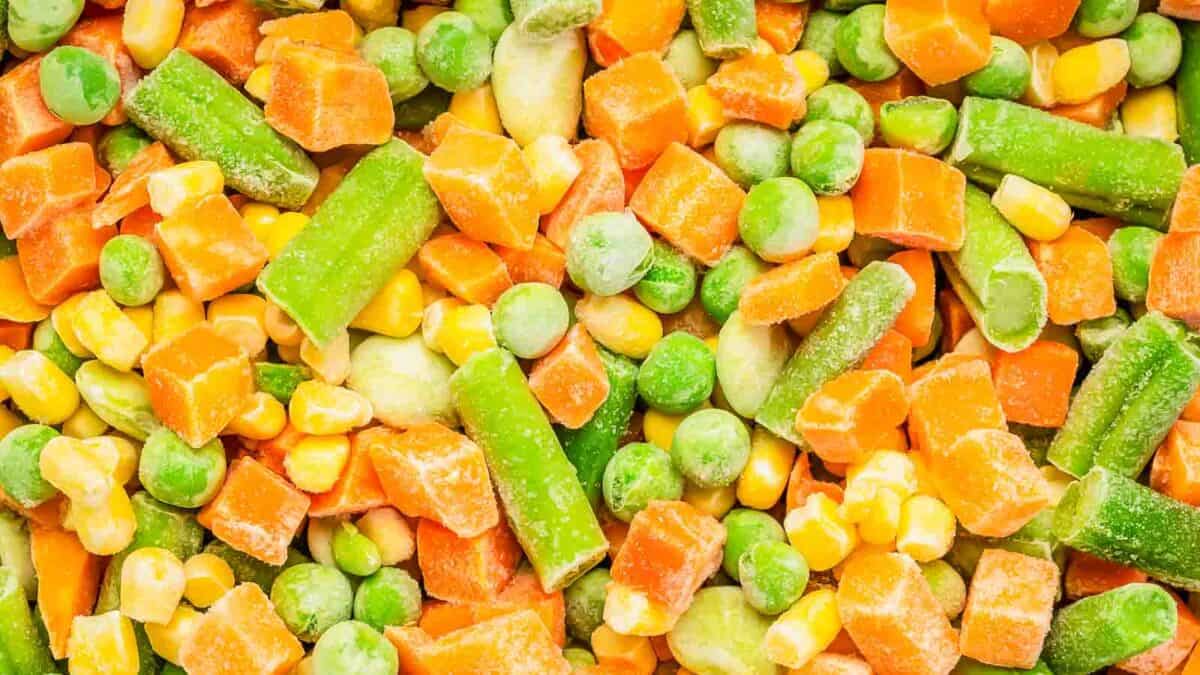
Keeping the right frozen veggies on hand is like having a secret weapon for easy meal prep. This list is a carefully selected lineup of the best frozen vegetables that promise to turn your everyday cooking into something effortlessly delicious. From the sweet char of fire roasted corn to the versatile goodness of chopped spinach, these freezer staples ensure you’re always ready to whip up something tasty.
See them here: 10 Best Frozen Veggies To Keep In Your Freezer At All Times For Easy Meals
15 Foods You Should Always Buy Frozen Instead Of Fresh

While fresh produce often gets the spotlight for being the healthiest option, don’t overlook the frozen aisle on your next grocery run. Frozen foods can be superior in both flavor and nutritional value, especially when they’re processed right at peak ripeness. This article will guide you through the select foods that are actually better to buy frozen than fresh. Find out which staples you should be stocking up on to make your meals easier and your diet richer.
Read it Here: 15 Foods You Should Always Buy Frozen Instead Of Fresh
Select images provided by Depositphotos.

Gina Matsoukas is an AP syndicated writer. She is the founder, photographer and recipe developer of Running to the Kitchen — a food website focused on providing healthy, wholesome recipes using fresh and seasonal ingredients. Her work has been featured in numerous media outlets both digital and print, including MSN, Huffington post, Buzzfeed, Women’s Health and Food Network.