

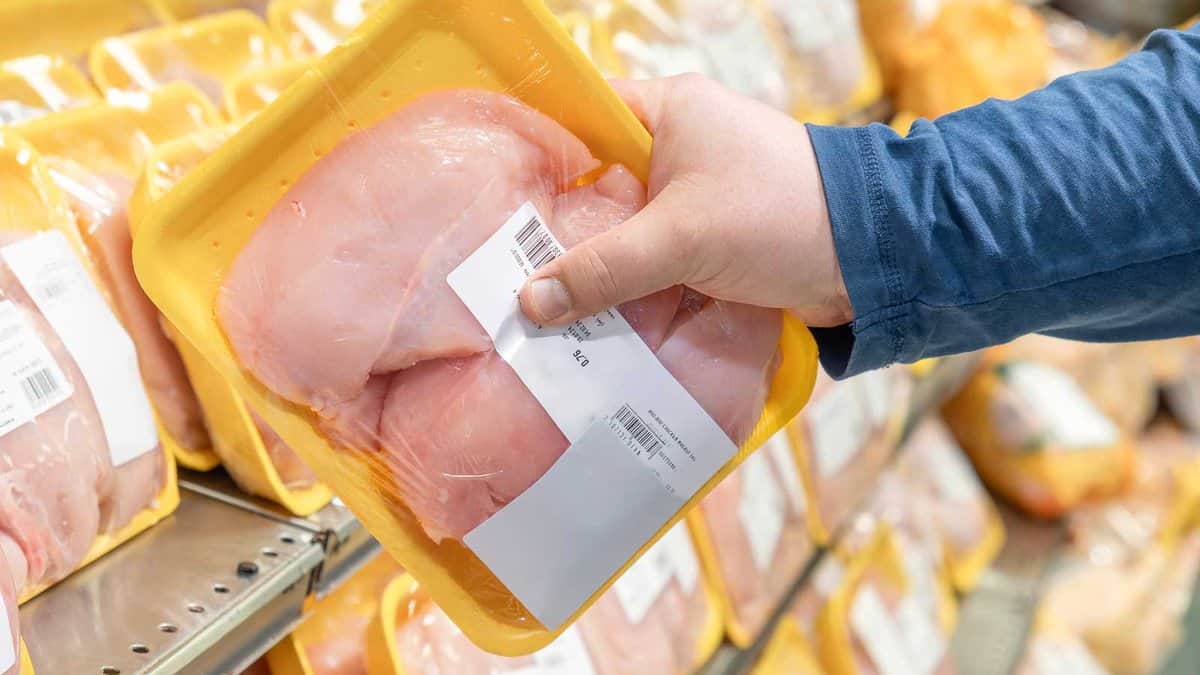
Chicken packaging can be loaded with claims that sound impressive but don’t always mean much. Some highlight real differences in how the birds were raised while others are just marketing meant to influence your choice. Knowing which labels carry weight and which are just there to make you feel better about your purchase can save you from overpaying. From diet claims to welfare certifications, the language can be tricky to navigate. This breakdown will help you separate the labels worth noticing from the ones that don’t tell you anything useful.
No Hormones or No Hormones Added
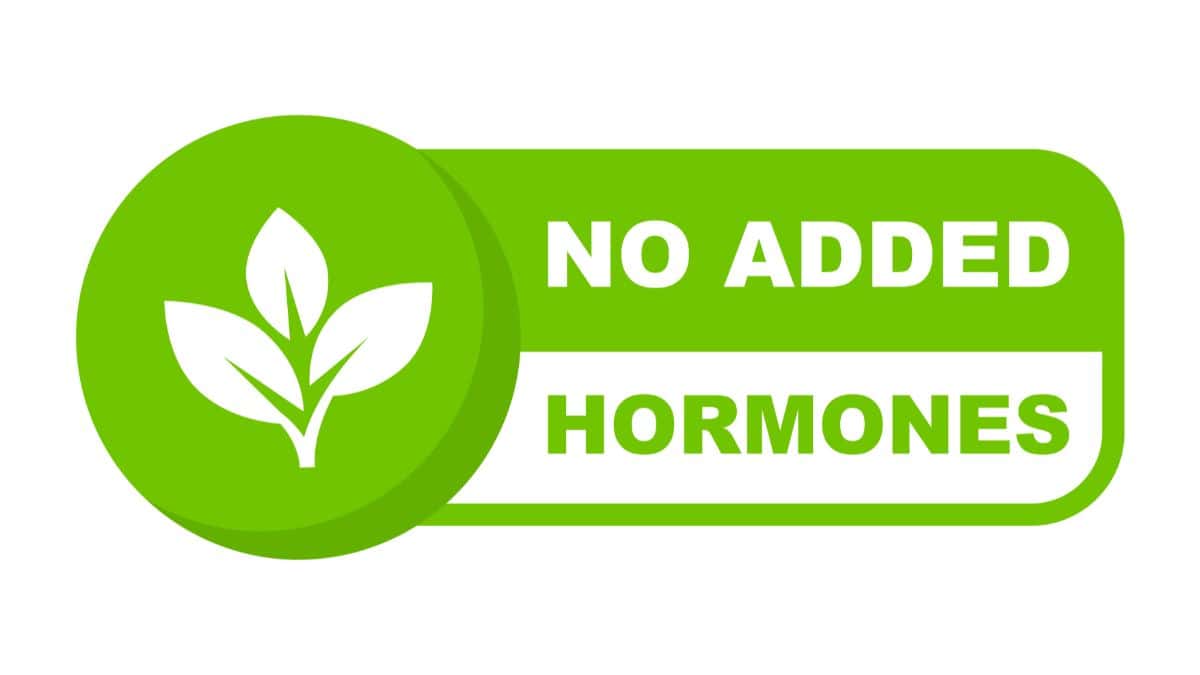
This label might sound like an extra benefit, but hormones are already banned in all chicken production in the U.S. Federal law has prohibited their use for decades, so the claim is more of a marketing hook than a true difference. If you look closely, you’ll see the fine print admitting as much, which makes this one of the most common examples of a label that sounds special but means nothing.
Natural

Seeing “natural” on a chicken package can make it feel like you are buying something cleaner or healthier, but the term has a very narrow USDA definition. It only means the chicken contains no artificial ingredients or added colors and has been minimally processed. Many products meet this definition without advertising it, so the word alone doesn’t guarantee higher quality or better farming practices.
Free-Range or Free-Roaming
The words “free-range” and “free-roaming” suggest wide open fields and plenty of space, but the requirements are minimal. Producers only need to show the chickens had some access to the outdoors, without rules for how much space or how often they go outside. The image sounds better than the reality, making this a label worth questioning before assuming it signals high animal welfare.
Cage-Free
While cage-free matters for egg-laying hens, it is meaningless for chickens raised for meat in the United States. These birds are not kept in cages to begin with, so every package could technically carry this claim. It plays into the assumption that the birds were spared confinement, when in reality, it is simply the baseline standard for meat production.
Vegetarian-Fed

This label may appeal to those who picture a wholesome, plant-based diet, but chickens are not natural vegetarians. In a more natural setting, they eat insects and other small critters along with grains. Feeding them only plants can be done, but it does not necessarily improve their welfare or quality of life, and it tells you nothing about their living conditions.
No Antibiotics Added or Raised Without Antibiotics
Choosing chicken raised without antibiotics can help reduce the spread of antimicrobial resistance, which is a legitimate concern for public health. However, the label is sometimes used loosely, and without USDA verification it relies on producer claims. Look for the USDA Process Verified seal to confirm oversight and know the claim is more than a marketing tool.
Organic
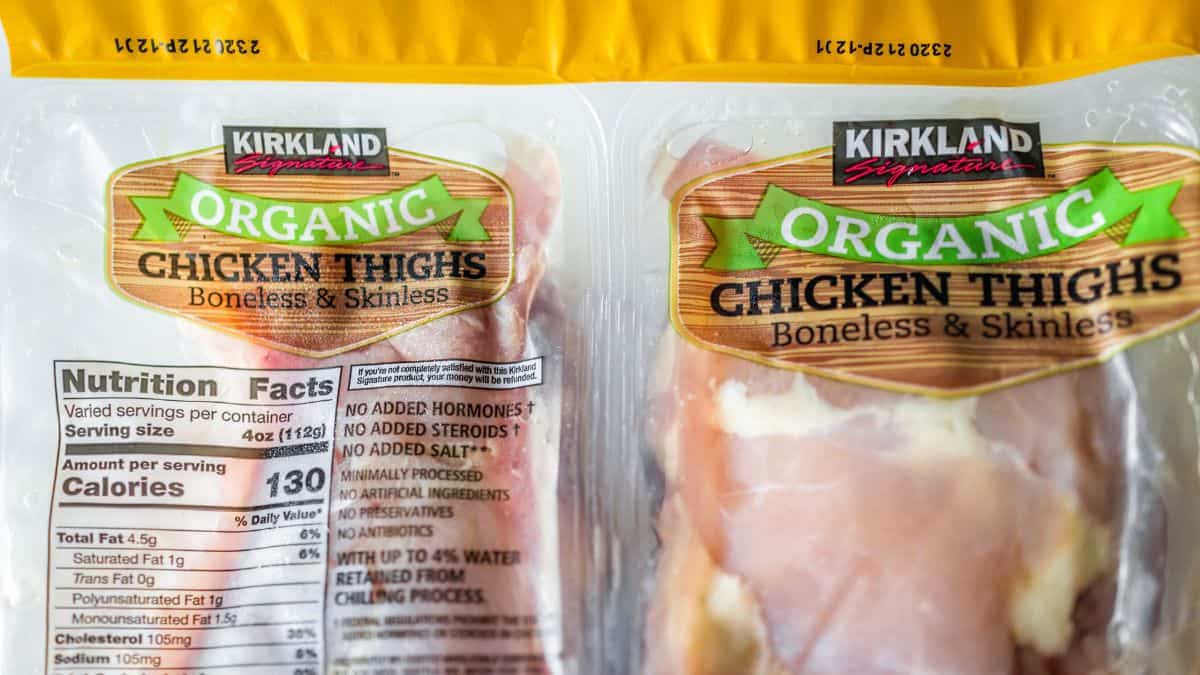
Organic certification comes with real requirements, including organic feed, no antibiotics, no genetically modified crops and restricted pesticide use on the land. It also guarantees some outdoor access, although the amount of space and quality of that access can vary. While the label has more substance than many others, smaller farms may use organic practices without paying for certification, so the label is not the only way to get high standards
Pasture-Raised
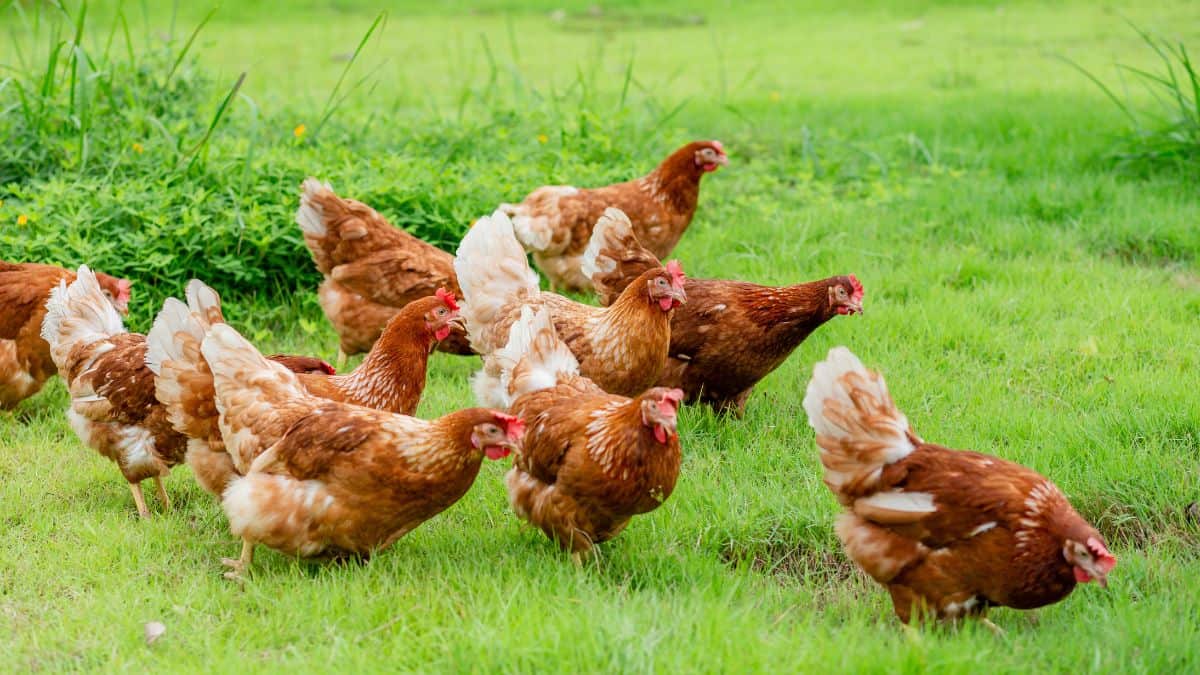
Without a recognized federal definition, “pasture-raised” can mean very different things from one producer to another. The term is more meaningful when paired with certifications like Certified Humane or Animal Welfare Approved, which confirm real outdoor time and space. Without those credentials, the label leaves a lot to interpretation and can be used loosely.
Air-Chilled

Air-chilled chicken is cooled with cold air instead of water baths, which can improve texture and reduce excess water. It can also help minimize cross-contamination during processing. While it can be a useful detail for cooking quality, it’s still often presented as a mark of higher farming standards, which it is not.
Non-GMO Project Verified
This label means the chicken was fed non-GMO feed, but it does not address how the birds were raised or treated. The chickens themselves are not genetically modified, so the term is about their diet, not the animal. If avoiding GMOs is important to you, this seal is relevant, but it shouldn’t be mistaken for a guarantee of better welfare or cleaner farming.
Animal Welfare Approved, Certified Humane, and Global Animal Partnership’s Animal Welfare Certified
These certifications carry weight, but the names alone can be misleading if you don’t know what they mean. Each program has its own set of standards, with Animal Welfare Approved and Certified Humane focusing on space, outdoor access, and the absence of antibiotics or growth hormones. The Global Animal Partnership uses a tiered system, so the impact on animal welfare depends on the level a producer has achieved. Without checking the details, the label could sound stronger than it actually is.
13 Reasons Keeping Chickens Is More Awesome Than You Think
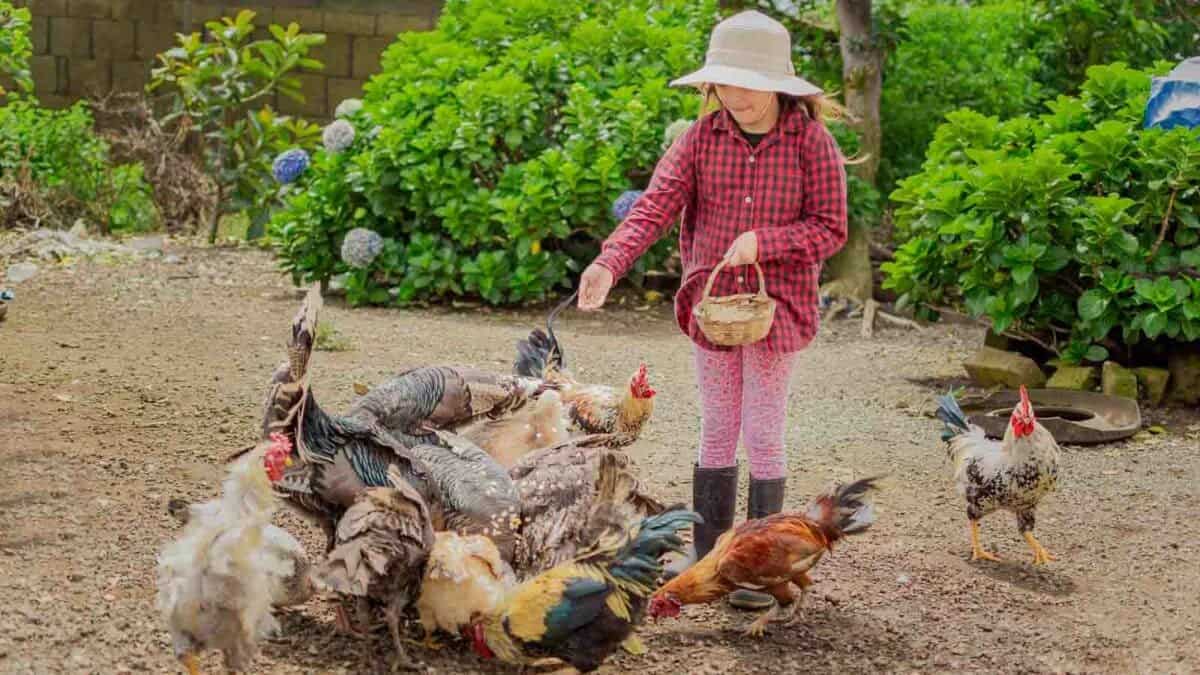
Ever thought about keeping chickens but dismissed it as too much work or just plain weird? Think again! Keeping chickens is way more awesome than you might believe. From fresh eggs every morning to the endless entertainment of watching them strut around, these feathered friends bring a lot to the table (literally and figuratively). Plus, they’re surprisingly low maintenance and can even help out with your garden.
Read it Here: 13 Reasons Keeping Chickens Is More Awesome Than You Think
5 Reasons To Go Organic And 5 Reasons It’s Just Hype
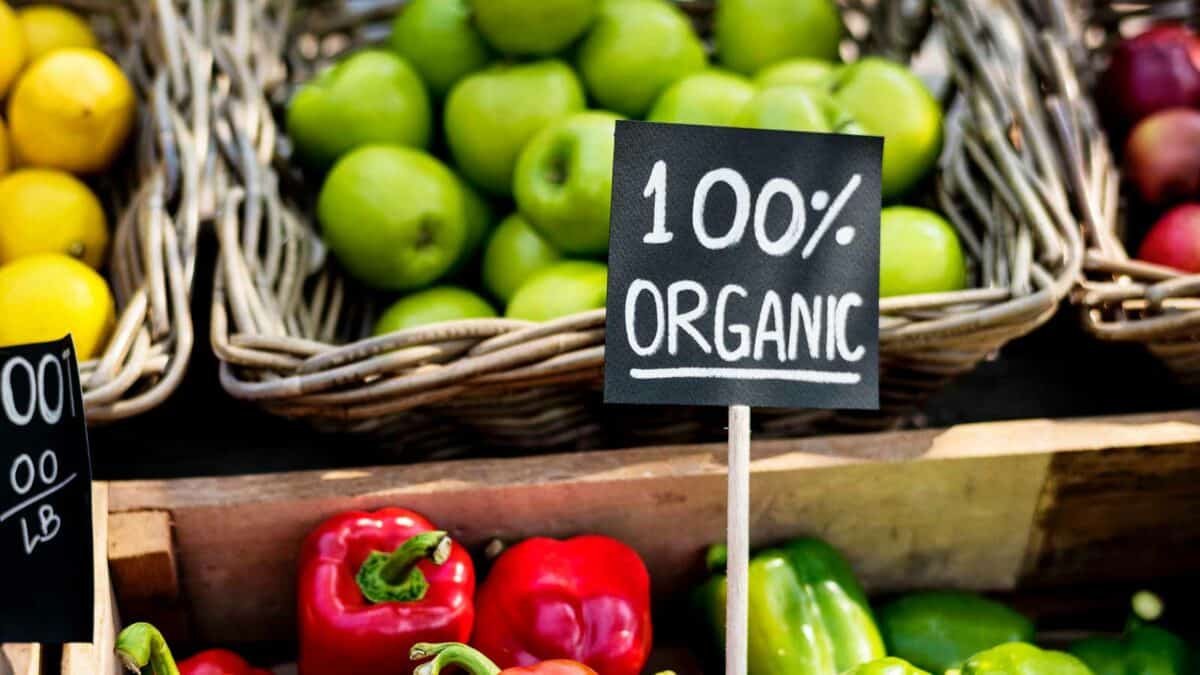
Deciding whether to go organic isn’t just about personal health—it’s also about considering broader environmental and economic impacts. This article takes a no-nonsense look at the real benefits and downsides of organic food. From the health of the soil to the health of your wallet, we’re laying out what you need to know to make an informed decision.
Read it Here: 5 Reasons To Go Organic And 5 Reasons It’s Just Hype
*Select images provided by Depositphotos.

Gina Matsoukas is an AP syndicated writer. She is the founder, photographer and recipe developer of Running to the Kitchen — a food website focused on providing healthy, wholesome recipes using fresh and seasonal ingredients. Her work has been featured in numerous media outlets both digital and print, including MSN, Huffington post, Buzzfeed, Women’s Health and Food Network.