


Most people reach for artificial sweeteners thinking they’re making a smarter choice than sugar. A packet in your coffee or a diet soda with lunch feels harmless, maybe even healthy. The problem is that these substitutes aren’t as simple as they seem. Research shows they can affect everything from how your body handles blood sugar to how your brain processes taste. Some people even experience physical side effects like headaches or digestive issues.

Metabolic Disorders

Artificial sweeteners are often marketed as a shortcut to better health, but research shows they may interfere with how your body manages weight and metabolism. Regular use has been linked to metabolic syndrome, which combines issues like high blood pressure, increased belly fat, and abnormal cholesterol levels. These conditions can raise your risk of serious diseases such as diabetes and heart problems. Instead of helping your health, sweeteners might actually push you closer to the conditions you were trying to avoid in the first place.
Gut Health Disruption

Your gut is filled with billions of microbes that help break down food, regulate your immune system, and even affect your mood. Substances like sucralose and aspartame can throw that balance off, reducing the number of helpful bacteria and encouraging the growth of less friendly ones. Over time, that imbalance can lead to digestive problems, poor nutrient absorption, and even a weakened immune system.
Increased Appetite and Cravings

Sweeteners promise sweetness without calories, but your body doesn’t always fall for the trick. When you taste something sweet, your brain expects fuel in return. With artificial sweeteners, that payoff never comes, leaving you hungrier and craving more food to fill the gap. This cycle can make you eat more than you planned, and often it is the very sugary foods you were trying to avoid. Instead of controlling your appetite, sweeteners may end up stoking it.
Risk of Type 2 Diabetes

Many people with blood sugar concerns turn to sweeteners thinking they are a safer option. Some studies suggest the opposite may be true. Artificial sweeteners can affect how your body responds to insulin, which plays a key role in managing blood sugar. Over time, this disruption could actually increase the risk of developing type 2 diabetes. What feels like a smart swap for sugar might not be as protective as you hoped.
Headaches and Migraines

For some people, sweeteners can cause real physical reactions. Aspartame, in particular, has been tied to headaches and migraines in sensitive individuals. The tricky part is that not everyone reacts the same way, so it can be hard to connect the dots between what you ate and how you feel. If you find yourself dealing with unexplained headaches, cutting back on artificial sweeteners might make a bigger difference than expected.
Mood Disorders

What you eat does not just affect your body; it influences your brain as well. Some research points to artificial sweeteners playing a role in mood regulation by altering brain chemicals and nerve signaling. For people already prone to mood issues, this interference could make symptoms worse. While the science is still developing, the possibility that something as simple as a sweetener packet could influence your mental health is enough to give pause.
Potential Carcinogenic Effects

Artificial sweeteners have been around long enough to spark debate about their long-term safety. Some lab studies have raised concerns about a potential link to cancer, though human research has not provided conclusive answers. The uncertainty alone makes many people wary of heavy use. Until more is known, it might be wise to treat artificial sweeteners as an occasional choice rather than something you consume every day without a second thought.
Taste Perception

Relying heavily on artificial sweeteners can shift your taste preferences in ways you might not notice right away. Over time, naturally sweet foods like fruit may taste bland compared to the intense sweetness of a packet or diet soda. This can make it harder to appreciate whole foods and push you toward craving sweeter and sweeter options. Breaking that cycle often means retraining your palate to enjoy natural flavors again.
Cardiovascular Disease Risk

A growing body of research has raised questions about how artificial sweeteners affect heart health. Some studies suggest a link between high intake and increased risks of heart attack or stroke. The connection may come from how these substances alter metabolism, appetite, or even gut health, all of which are tied to cardiovascular function. It is not definitive, but the potential risk makes relying on artificial sweeteners less reassuring than many people think.
Allergic Reactions
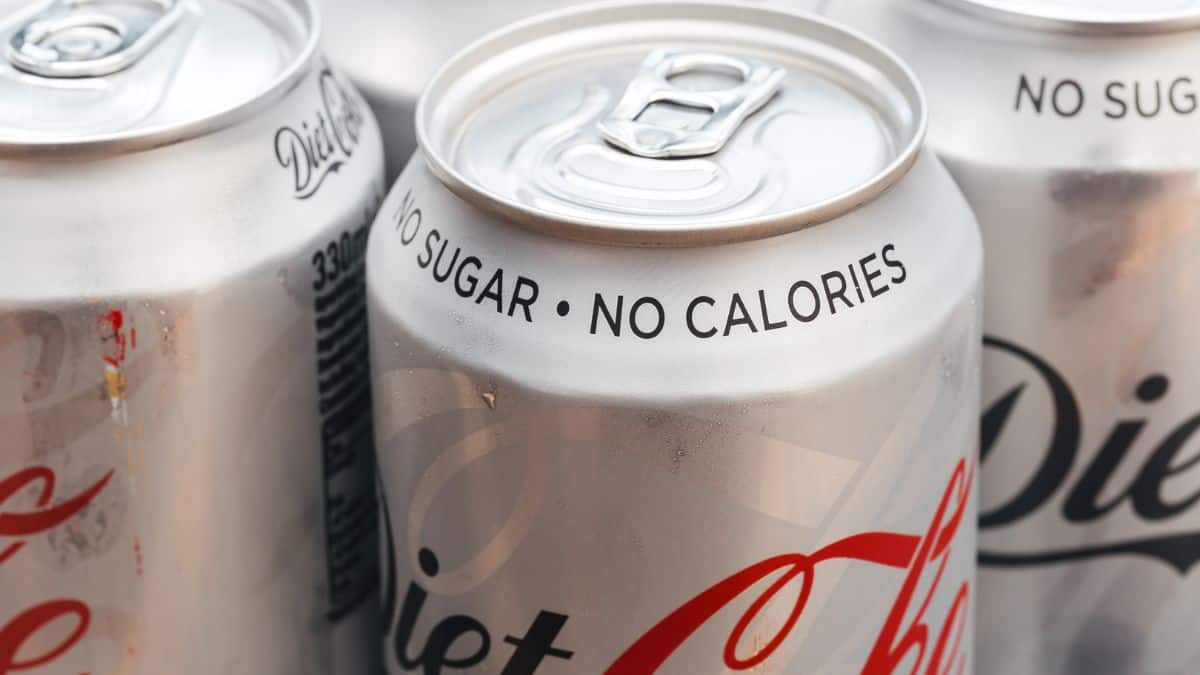
Though not common, allergic reactions to artificial sweeteners can happen. People with a rare condition called phenylketonuria, or PKU, must strictly avoid aspartame because it can cause serious health issues. Others may experience milder reactions like rashes, dizziness, or stomach upset. If you notice strange symptoms after consuming products with artificial sweeteners, it could be worth testing whether they are the culprit.
Impact on Pregnancy

Artificial sweeteners are often marketed as safe for everyone, but pregnancy is a different story. Some early studies suggest a link between frequent consumption during pregnancy and higher chances of complications like preterm birth. While research is still ongoing, expecting mothers may want to limit their intake and stick with natural options. With so much already on the line during pregnancy, this is one area where less could be more.
12 Foods That Have More Protein Than An Egg

Eggs are often hailed as a great source of protein, packing about 6 grams per large egg. But if you’re looking to diversify your protein sources or just seeking a bit more protein punch per serving, there are plenty of other options out there. This guide will walk you through twelve foods that offer even more protein than a single egg, suitable for a variety of diets and lifestyles and almost any meal, any time of the day.
Read it Here: 12 Foods That Have More Protein Than An Egg
10 Reasons Why You Should Rethink Your Protein Shake

Protein shakes are a staple for many fitness enthusiasts and busy folks looking for a quick nutrition fix. But before you grab that store-bought shake, it’s worth taking a closer look at what you’re actually consuming. From hidden sugars to potential health risks, there are several reasons why your go-to protein boost might not be as great as you think. Here’s a breakdown of why you might want to rethink that store-bought shake.
Read it Here: 10 Reasons Why You Should Rethink Your Protein Shake
Select images provided by Depositphotos.

Gina Matsoukas is an AP syndicated writer. She is the founder, photographer and recipe developer of Running to the Kitchen — a food website focused on providing healthy, wholesome recipes using fresh and seasonal ingredients. Her work has been featured in numerous media outlets both digital and print, including MSN, Huffington post, Buzzfeed, Women’s Health and Food Network.