


Amish baking isn’t about shortcuts, gadgets, or picture-perfect results. It’s about patience, practicality, and using what’s on hand. Generations of Amish bakers have relied on simple ingredients, hands-on techniques, and recipes that have been passed down for decades. Their methods might not be trendy, but they’ve stood the test of time for a reason. There’s a quiet confidence in doing things the slow way, and the payoff shows up in every loaf of bread, pie crust, and cookie tray that comes out of the oven.
You don’t need a wood-fired stove or a pantry full of home-milled flour to bring some of these habits into your own kitchen. Most of these tips are easy to try with what you already have, and they can make a real difference in flavor and texture. Whether you’re baking for a crowd or just want your homemade treats to turn out better, these old-school habits are worth keeping around.
Start With Natural Leavening
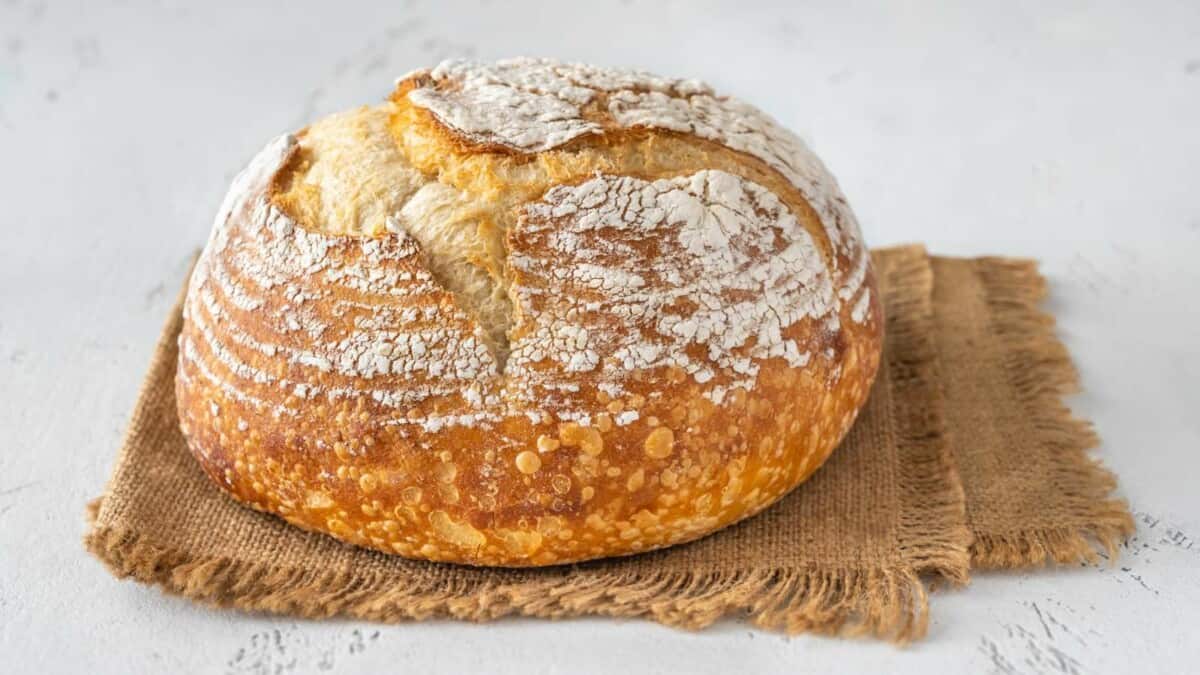
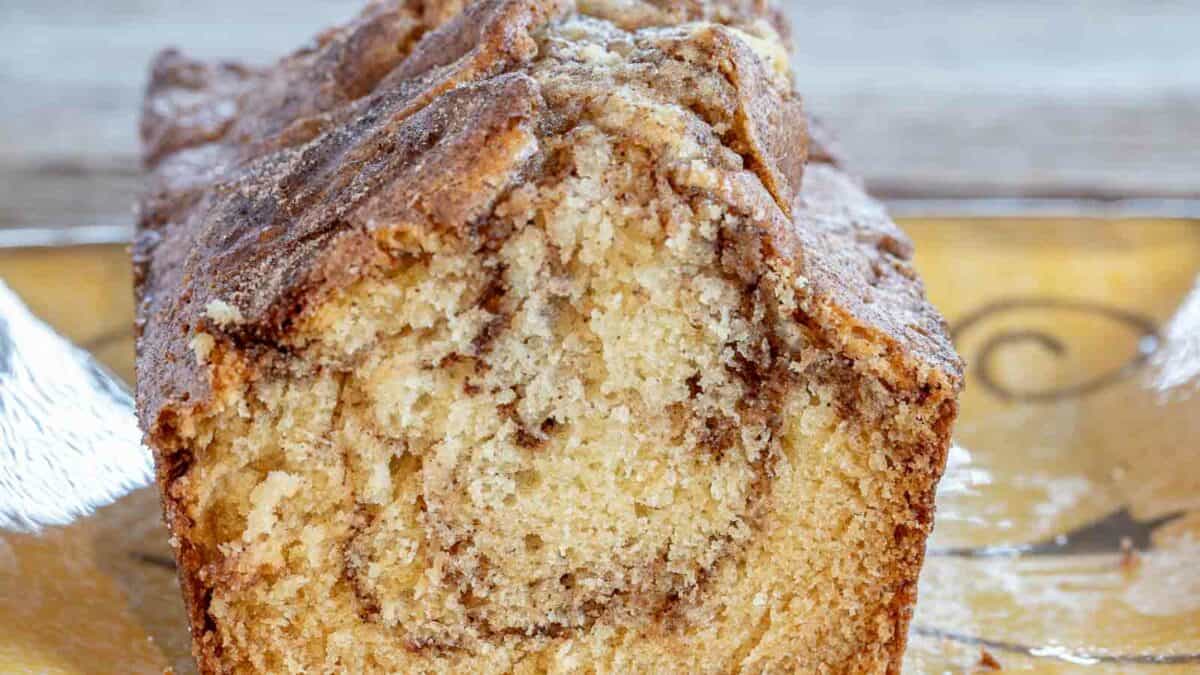
Instead of relying on packets of instant yeast, Amish bakers often use sourdough starters that have been passed down through generations. This type of natural leavening develops deeper flavor, improves the texture of the final product, and makes bread easier to digest. It also slows things down in a good way, giving dough the time it needs to rise properly without any shortcuts.
Stick to From-Scratch Ingredients
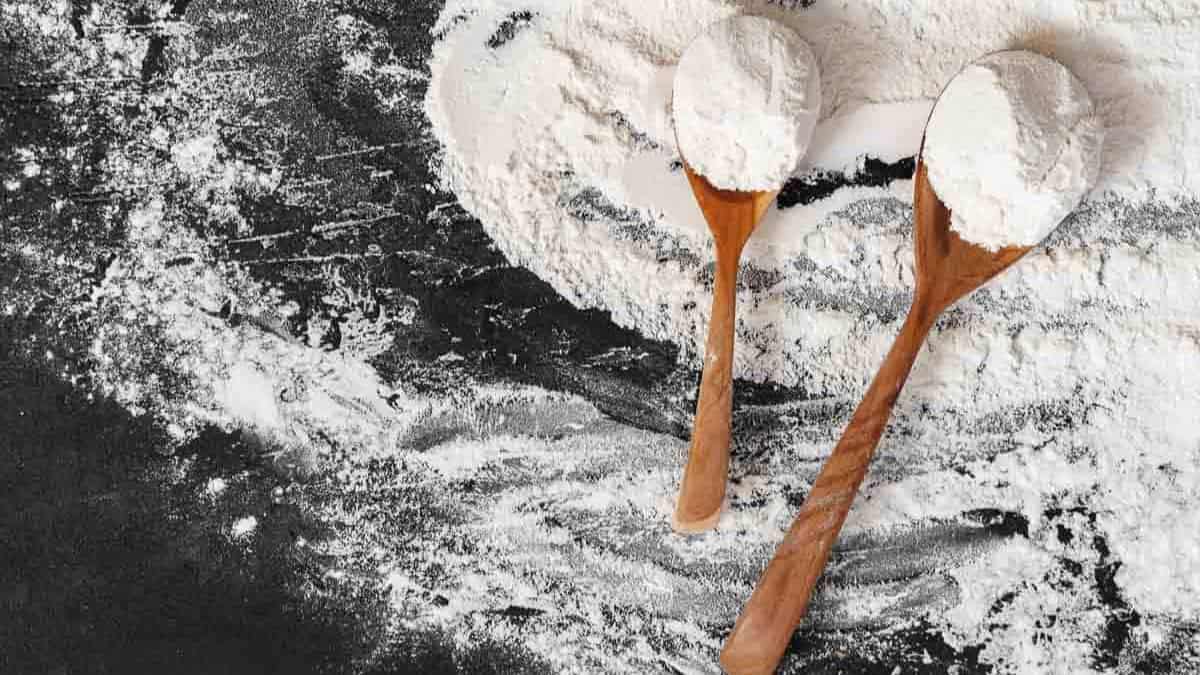
Nothing in an Amish kitchen comes from a box. Baking starts with whole, raw ingredients like fresh-milled flour, real butter, farm eggs, and raw milk when available. Skipping processed foods means every bite reflects the quality of what went into it. It’s a straightforward approach that keeps the ingredient list simple and honest.
Use Wood-Fired Ovens When You Can
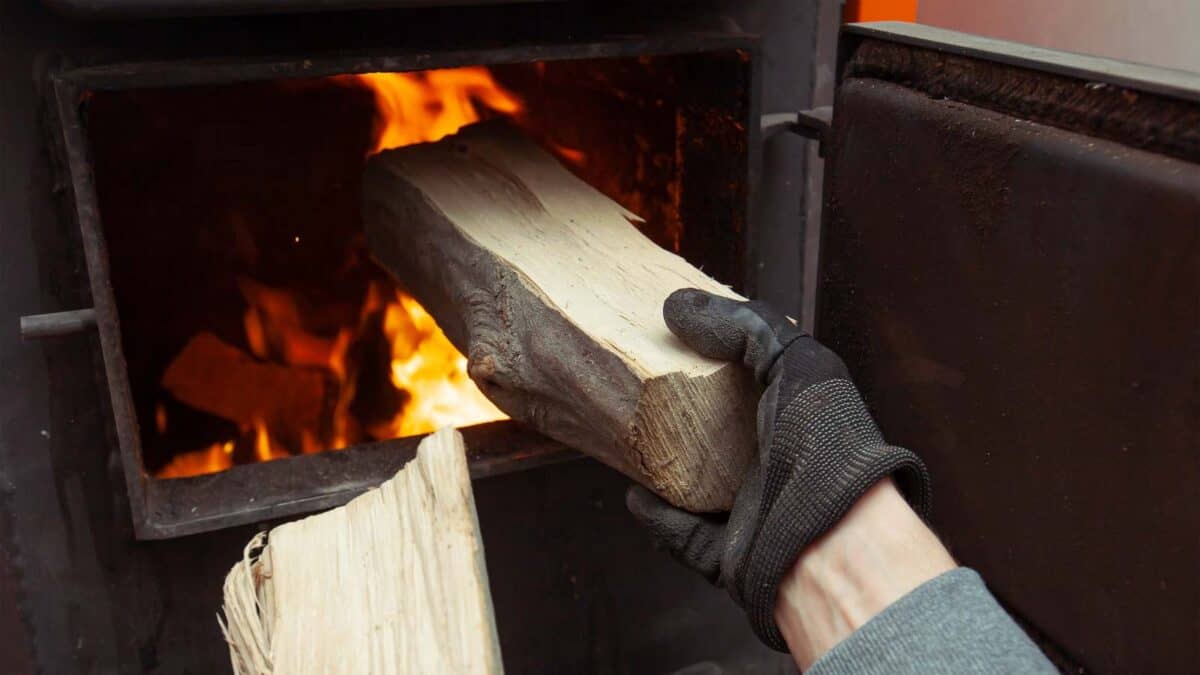
Wood-fired ovens are still common in Amish communities, and they’re known for baking evenly and holding heat for hours. Most of us don’t have one in the backyard, but you can still get similar results by using a pizza stone or baking steel in your oven. Preheat it for at least 30 minutes to build up steady heat, and keep the oven closed as much as possible while baking. It’s a simple way to improve consistency and boost the final texture of your bread or pastries without needing anything fancy.
Rely on Seasonal and Local Ingredients
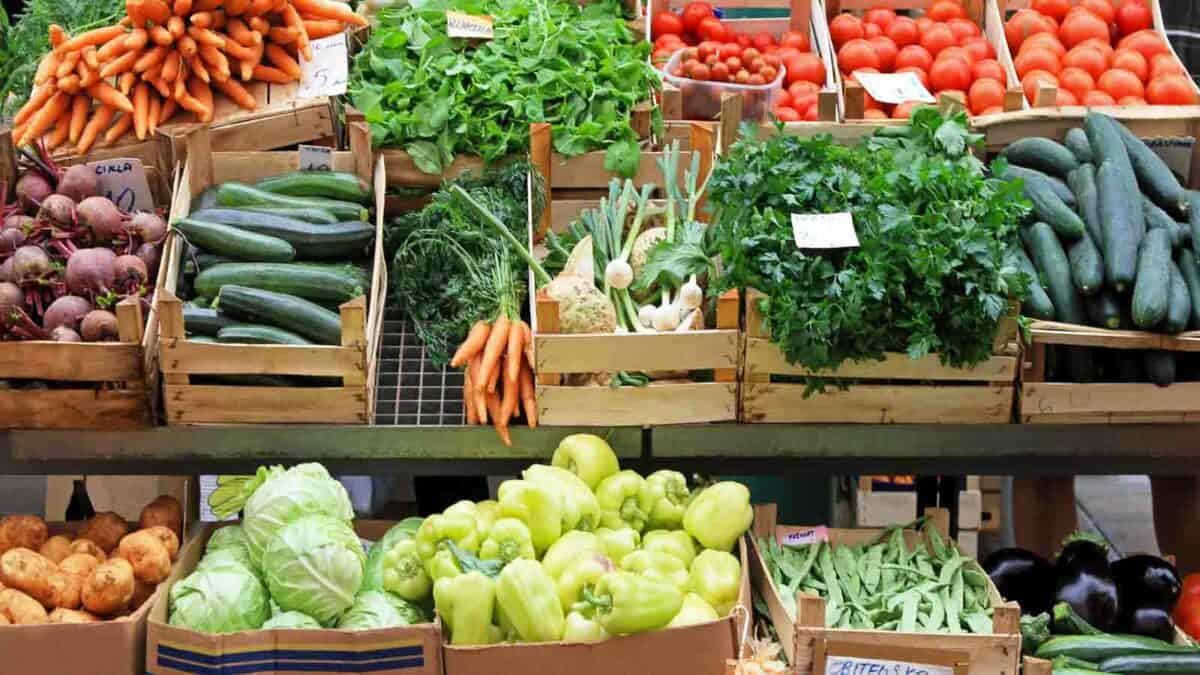
Amish bakers use what’s available from nearby farms or their own gardens. That means berries in summer, apples in fall, and root vegetables in winter. It’s not just about freshness—it’s about letting the natural rhythm of the seasons guide what gets made. This habit keeps food waste low and supports the local economy.
Mix and Shape Everything by Hand
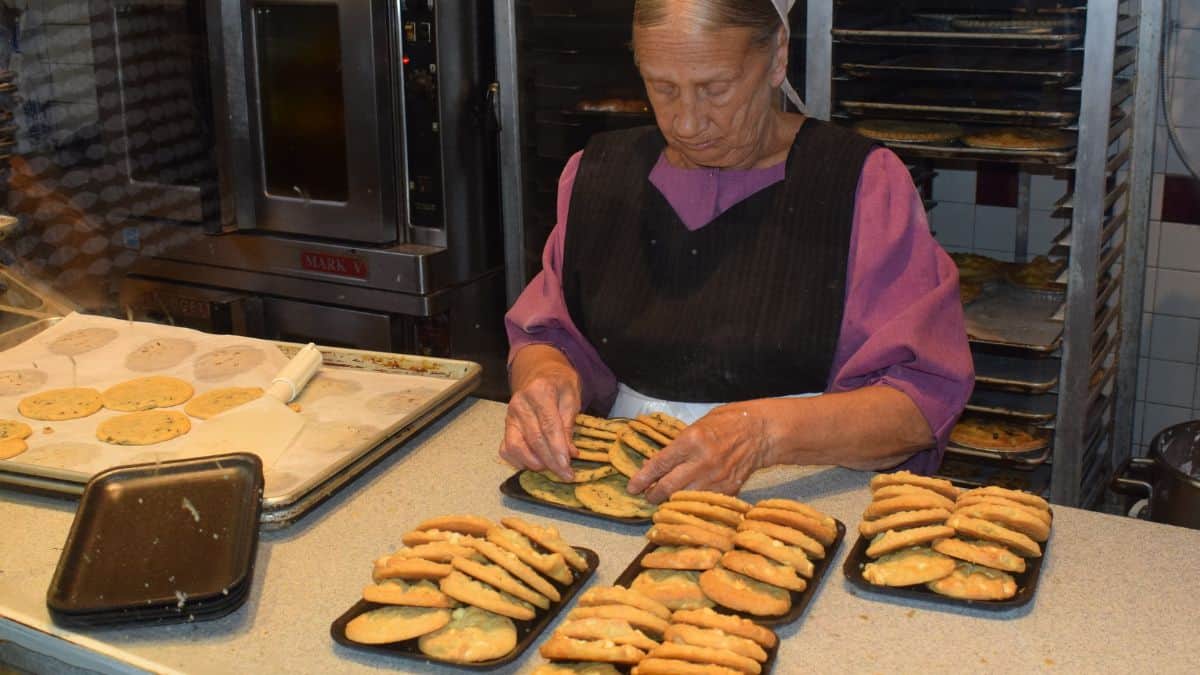
Dough isn’t tossed into a stand mixer and left alone. Amish bakers knead, mix, and shape everything by hand. That kind of hands-on approach helps control texture and consistency, especially in breads and pastries. It also builds a stronger connection to the process and lets the baker make real-time adjustments.
Give Baked Goods Time
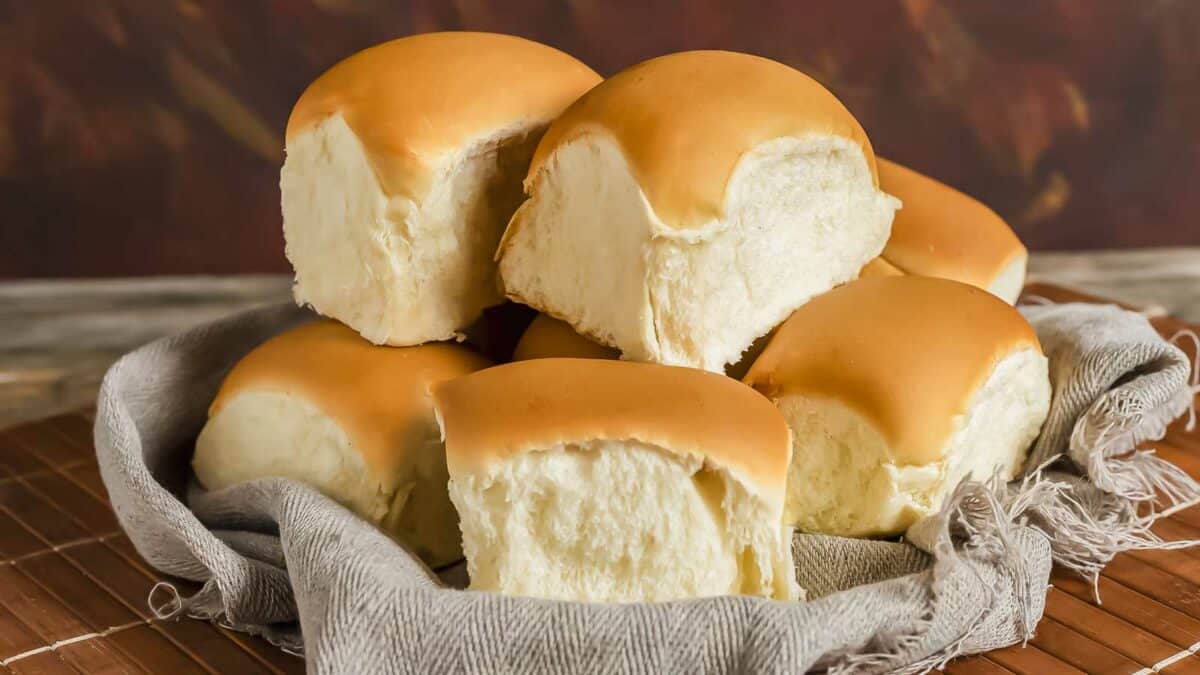
Nothing in an Amish oven is rushed. Whether it’s a slow rise or a longer bake at a lower temperature, time plays a key role in how flavor develops. This slower pace results in crusts with real structure and interiors that aren’t dry or undercooked. Patience, not gadgets, is what makes the difference here.
Use Recipes With History

Many Amish recipes have been handed down for decades or even centuries. They aren’t trends, they’re time-tested formulas that have stuck around because they work. Keeping those recipes alive means every pie, bread, or cake carries a little history with it, and the consistency across generations speaks for itself.
Cook With Lard, Not Butter or Oil
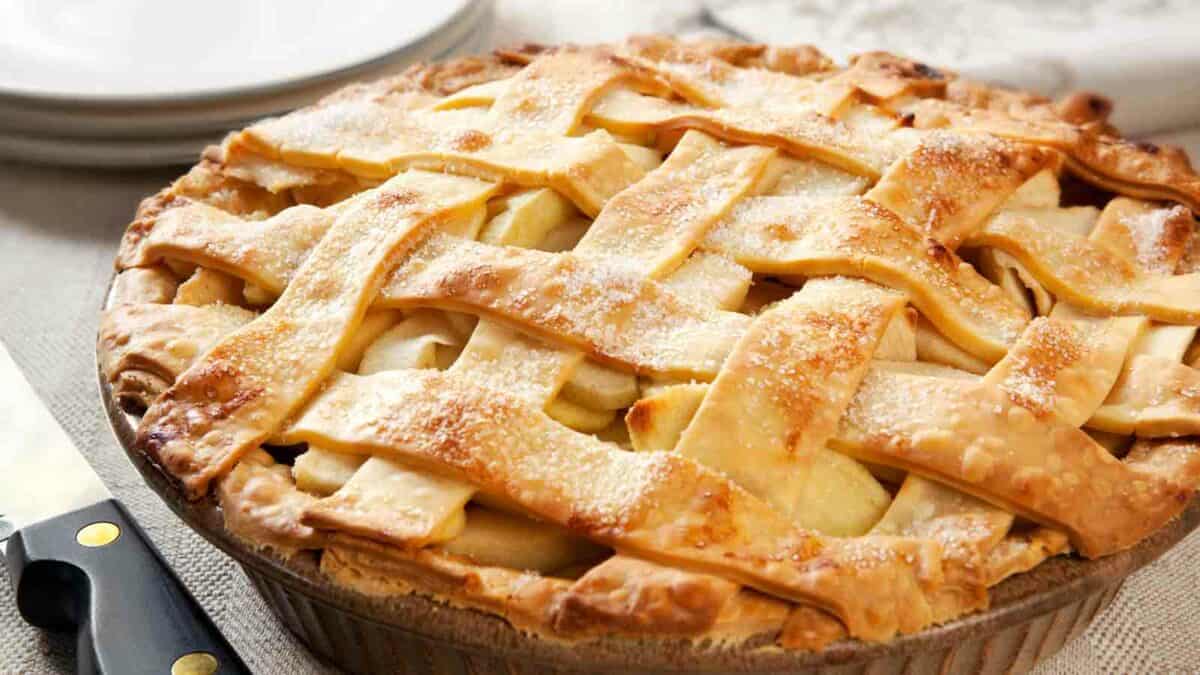
Lard is the go-to fat in a lot of Amish baking, especially for pie crusts and biscuits. It creates a flakier texture than butter and brings a richness that neutral oils can’t touch. It might not be trendy, but it delivers results that have kept it in heavy rotation for generations.
Keep Techniques Simple
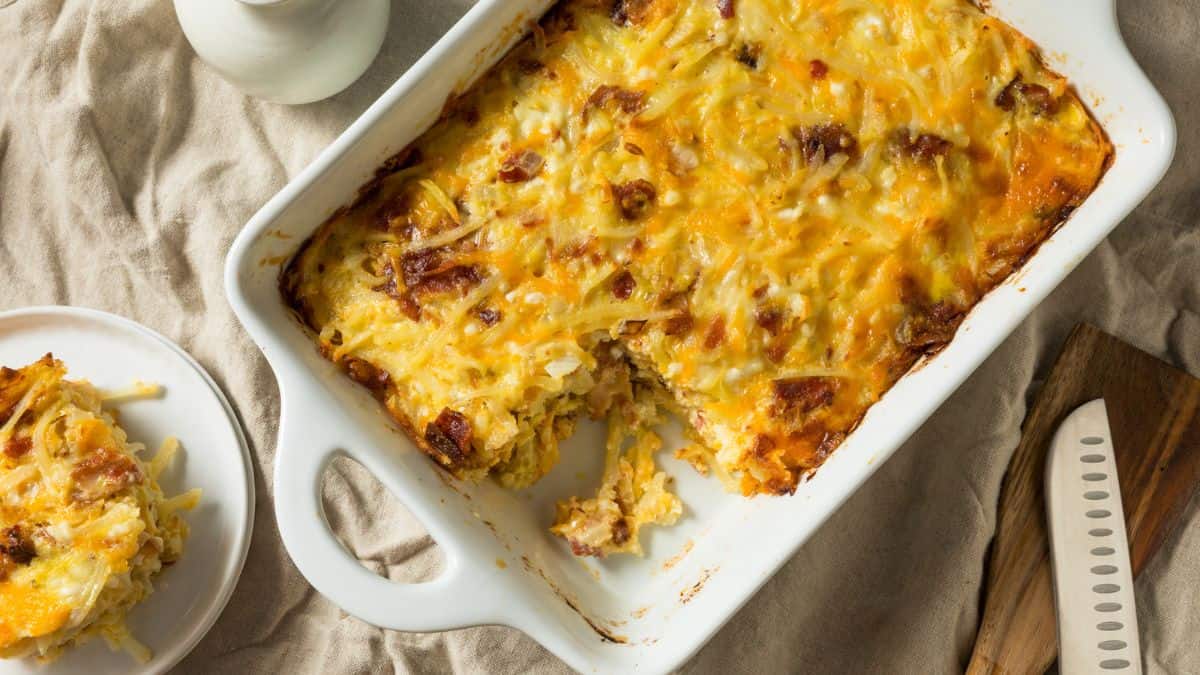
Amish baking isn’t about flashy skills or precise plating. It focuses on doing basic things well. Rolling dough evenly, not over-mixing, and using the right pan for the job all matter. The simplicity of the technique lets the ingredients speak and reduces the chance of something going wrong.
Bake Together and Learn From Each Other
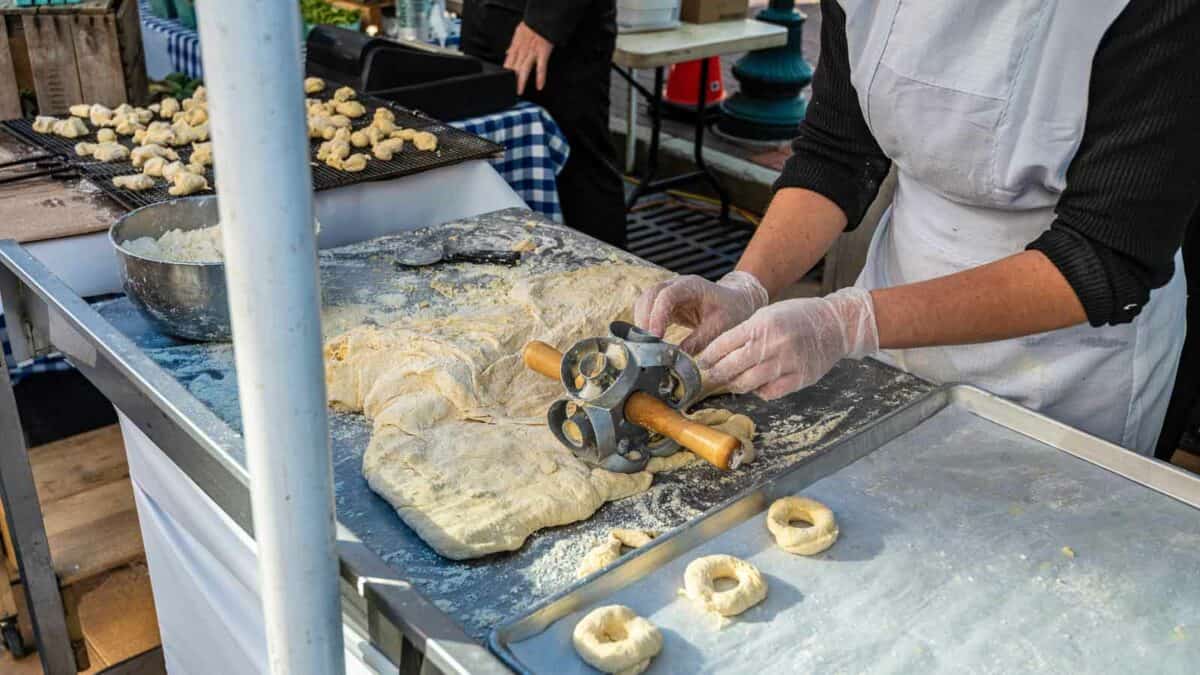
In Amish communities, baking is often a shared task. Families or neighbors come together on baking days to prepare large batches of bread, cookies, and pies. This setup keeps skills consistent, spreads knowledge across generations, and reinforces the idea that food is something to be made with care and intention, not just consumed.
I Live In Amish Country and These Are Their Best Foods, Hands Down
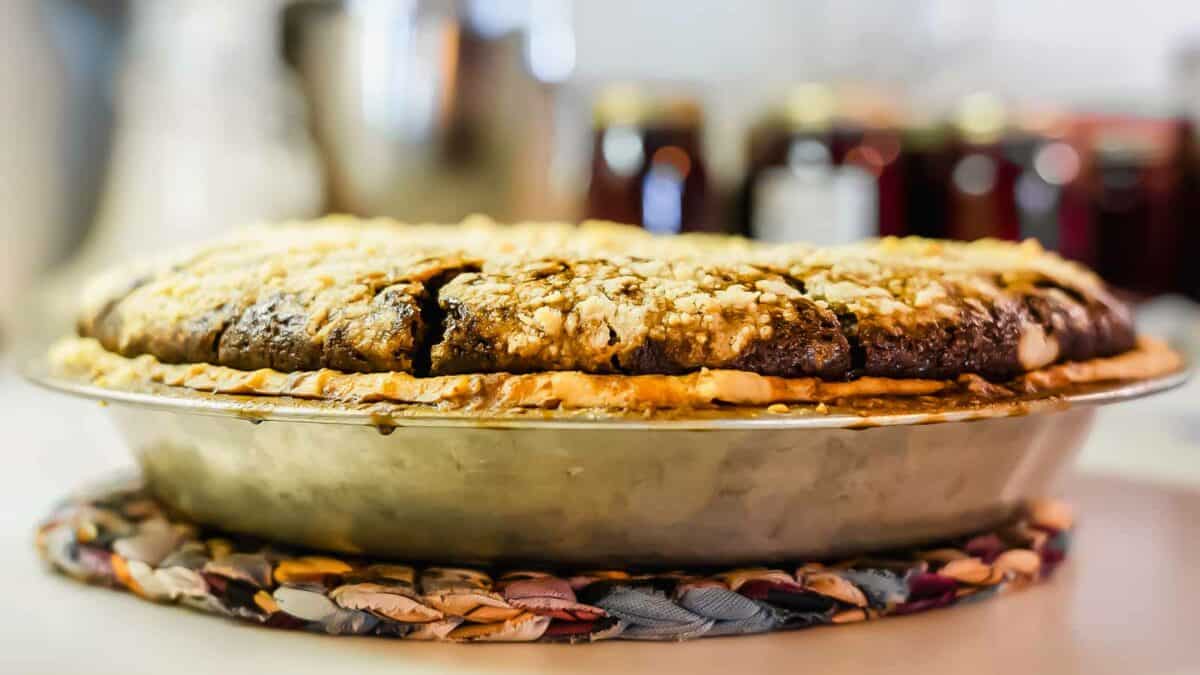
Moving to Amish country last year felt like stepping into a whole new world, nestled in the peaceful heart of rural serenity. Our Amish neighbors, with their unmatched hospitality, didn’t just help us set up our new home and barn; they welcomed us into their world through the most amazing way possible – their food.
From the first bite of garden-fresh produce to the home-cooked meals that tasted like love on a plate, we realized that the simplicity and community spirit of Amish life are deeply intertwined with their culinary traditions. These are just some of the foods I’ve gotten to taste in the last year or so and the best ones their culture has to offer.
Read it Here: I Live In Amish Country and These Are Their Best Foods, Hands Down
13 Ingredients That Will Take Your Baking From Blah to Wow

Baking magic happens when you introduce unexpected ingredients into your usual recipes. Transforming everyday cookies and cakes into standout delights is easier than you think. This guide will explore a dozen game-changing additions that promise new flavors and textures, making your baked goods anything but ordinary.
Read it Here: 13 Ingredients That Will Take Your Baking From Blah to Wow
Select images provided by Depositphotos.

Gina Matsoukas is an AP syndicated writer. She is the founder, photographer and recipe developer of Running to the Kitchen — a food website focused on providing healthy, wholesome recipes using fresh and seasonal ingredients. Her work has been featured in numerous media outlets both digital and print, including MSN, Huffington post, Buzzfeed, Women’s Health and Food Network.