

Dogs scratching nonstop or dealing with mysterious tummy issues might not just be having a rough day—food allergies could be at play. These aren’t quick reactions, either; food allergies usually show up after your dog has been eating the same ingredient for a while. And here’s the kicker—it’s not usually grains causing the problem, but proteins. Though not as common as flea or seasonal allergies, food allergies can still impact your dog’s health. Identifying the specific trigger can make a world of difference for their comfort and overall well-being.

What Are Food Allergies?
When a dog encounters certain foods, their immune system can sometimes respond with a hypersensitivity reaction, mistaking these foods for harmful invaders. This overreaction can cause a range of issues, from relentless itching and secondary infections to gastrointestinal distress and broader health complications. It’s important to differentiate these reactions from food intolerance, such as lactose intolerance, which involves a different mechanism and set of symptoms.
What Are The Symptoms of Food Allergies in Dogs?

The hallmark sign of food allergies in our canine companions is relentless scratching, particularly targeting the paws, face, ears, belly, and the area beneath the tail. These spots are also hotbeds for secondary infections caused by bacteria and yeast, exacerbating the itchiness induced by allergies.
While these troublesome symptoms can manifest at any stage of a dog’s life, regardless of their dietary history, they most frequently begin in pups younger than one year. Besides the itch, dogs might also suffer from digestive upset, including vomiting and diarrhea, along with red eyes, hives, sneezing, and an increase in bowel movements.
The Most Common Food Allergies in Dogs
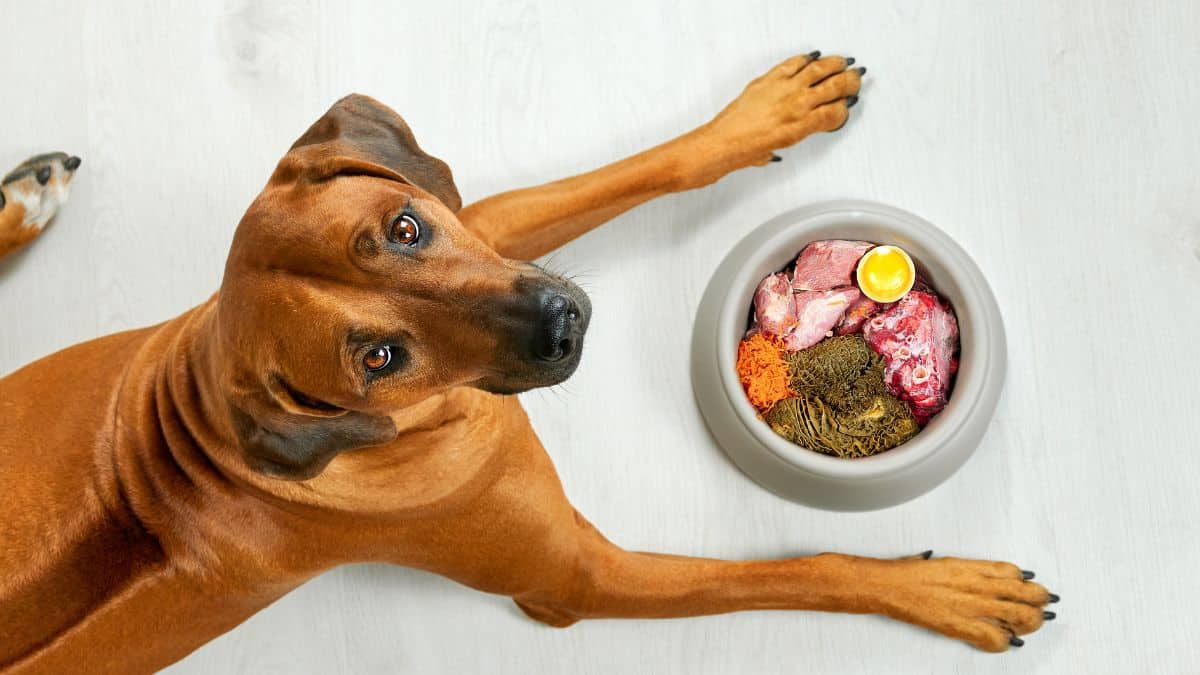
There are a few ingredients that often play the villain in the story of food allergies. These common culprits range from proteins you’d expect to find in any dog bowl to some less obvious foes that might surprise you.
Beef
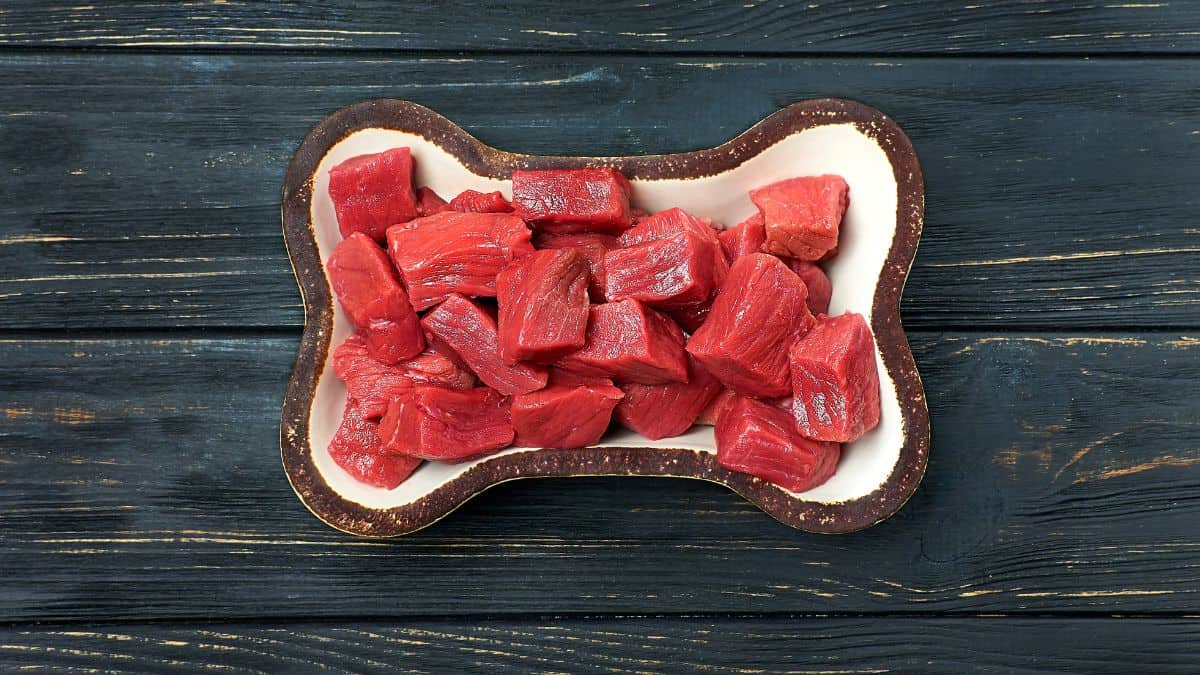
Consistent exposure to beef in a dog’s diet can increase the likelihood of developing an intolerance or allergy. Given its prevalence in dog food, beef emerges as a top allergen. The immune system reacts to specific proteins in beef, misidentifying them as threats, leading to an allergic response. This highlights the importance of diversity in your dog’s diet.
Dairy
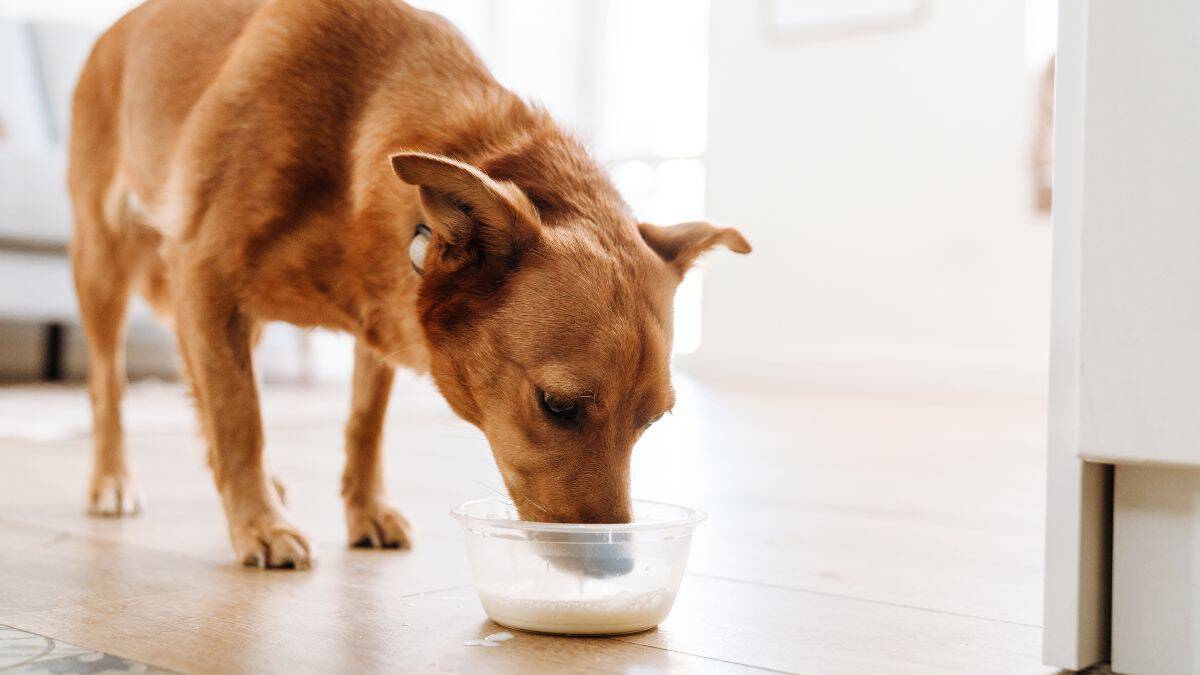
Dairy issues in dogs can stem from an intolerance to lactose, causing symptoms like upset stomach, gas, and diarrhea. However, a genuine allergy to dairy encompasses more, triggering not only digestive distress but also skin reactions, such as itchiness and rashes. This indicates an immune response to proteins in dairy,
Wheat

While meat allergies are more prevalent, wheat can also be a culprit in canine allergies. Dogs reacting to wheat might benefit from a shift to grain-free diets, as suggested by a veterinarian. This allergy is characterized by an immune system response to wheat proteins, which can manifest in various symptoms, indicating the need for dietary adjustments for affected dogs.
Eggs
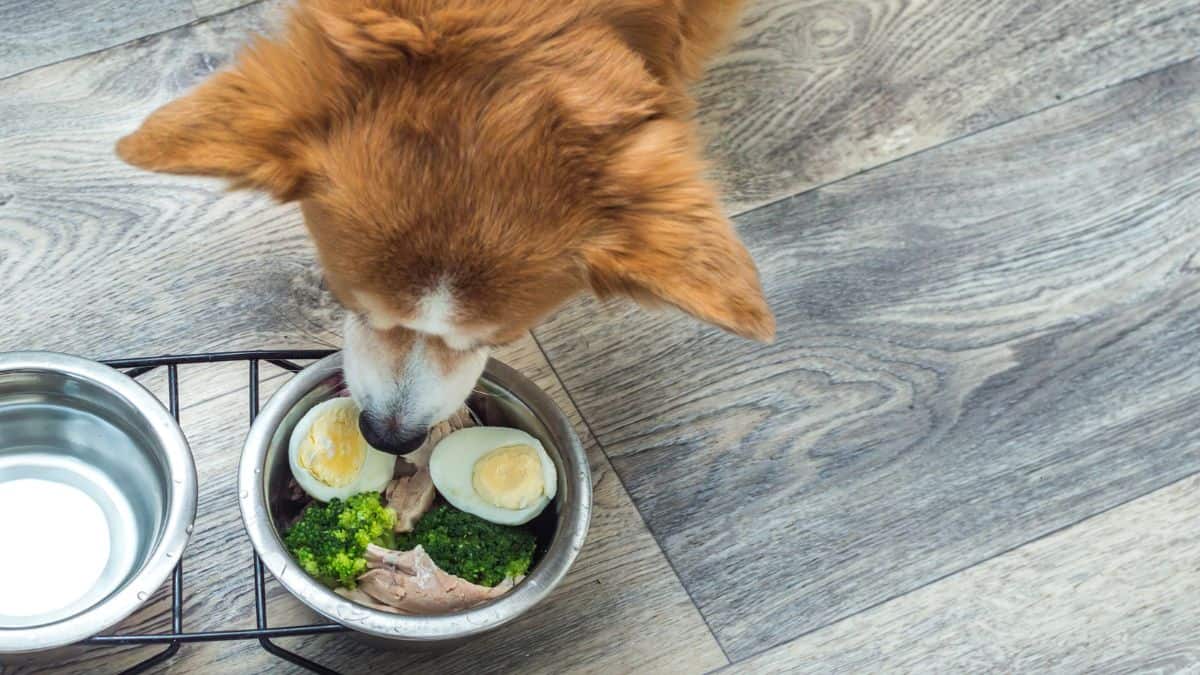
Egg allergies happen when your dog’s immune system throws a fit over the proteins in egg whites or yolks. Not all dog foods have eggs, so with a bit of detective work on labels, you can dodge this allergen.
Chicken
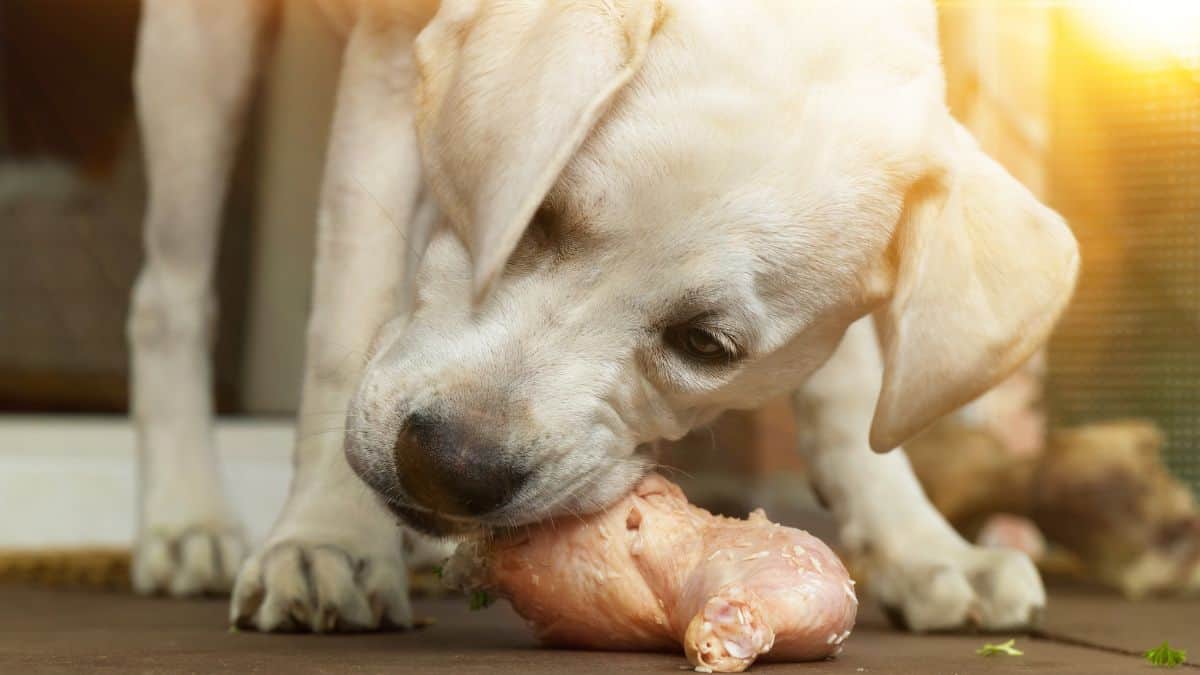
Just as with beef, chicken finds its way into a lot of doggie dishes, making it a familiar face in the canine diet. Dogs chowing down on chicken-centric meals over time might find themselves on the fickle side of food tolerance, developing sensitivities or outright allergies to this poultry staple.
Lamb

Lamb is often considered a safer bet for dogs who can’t handle beef or chicken, acting as a good protein substitute. Yet, this doesn’t exempt it from the list of potential allergens; some dogs might still develop an intolerance or an allergy to lamb.
Soy

Soy is a common ingredient in many dog foods, especially those labeled as hypoallergenic or vegetarian. However, it’s also a potential allergen. Dogs can develop an intolerance or allergic reaction to soy, leading to symptoms like itching, gastrointestinal upset, and other discomforts.
Using an Elimination Diet to Diagnose

To accurately diagnose a food allergy in dogs, a carefully monitored elimination diet trial, usually lasting about two months, is the gold standard. This process, overseen by a vet, often involves feeding your dog a specialized diet, like hydrolyzed protein where the protein is broken down to avoid detection by the immune system, or a novel protein your dog hasn’t encountered before. If symptoms return upon reintroducing the usual diet, it confirms the presence of a food allergy.
How to Treat a Food Allergy in Dogs

Managing a dog’s food allergy effectively means steering clear of the offending food. For dogs allergic to a single ingredient, simply switching to a different dog food might do the trick. However, for those with sensitivities to multiple ingredients, a vet might suggest a special prescription diet, or exploring options like raw diets or those with a limited number of ingredients could be beneficial. For those inclined to prepare meals for your dog, making your own homemade dog food is an option, provided you consult with your vet to ensure these meals meet your dog’s nutritional needs.
Try this: Homemade Raw Dog Food Recipe
10 Foods That Clean Your Dog’s Teeth Just As Well As Brushing

If your dog despises the toothbrush like most do, your life is about to get a lot easier. Keeping your pup’s teeth clean can be as simple as giving them one of these 10 foods. These foods act as a natural option for tooth cleaning and most will be something your dog will be eager to chomp away at. Ditch the daily brushing fight and make both of your lives easier with this list!
See Them Here: 10 Foods That Clean Your Dog’s Teeth Just As Well As Brushing
13 Healthy Snacks You Can Share with Your Dog

Those irresistible puppy eyes while you’re munching on a snack can be hard to resist. Instead of feeling guilty or worrying about whether it’s safe, share some snacks that are good for both of you. Believe it or not, plenty of human foods are not only safe but also healthy for your furry friend. Here are a handful of snacks you can enjoy together, making snack time fun for both you and your dog.
Read it Here: 13 Healthy Snacks You Can Share with Your Dog
*Select images provided by Depositphotos.

Gina Matsoukas is an AP syndicated writer. She is the founder, photographer and recipe developer of Running to the Kitchen — a food website focused on providing healthy, wholesome recipes using fresh and seasonal ingredients. Her work has been featured in numerous media outlets both digital and print, including MSN, Huffington post, Buzzfeed, Women’s Health and Food Network.