

Grocery prices are high enough without tossing extra money into your cart on foods that just don’t make sense for most shoppers. Some convenience items look tempting, but once you compare the price to what you actually get, they’re often a pretty bad deal. Here are 10 grocery store foods that are usually a total waste of money, plus smarter swaps that can help stretch your budget a little further.
Pre-Cut Fruit

Pre-cut fruit is convenient, sure, but you usually pay a huge markup for someone else to do a few minutes of chopping. Whole melons, pineapples, and strawberries are almost always much cheaper per serving and stay fresh longer too.
Bagged Shredded Cheese

Bagged shredded cheese costs more than buying a block and shredding it yourself at home. It also often contains anti-caking ingredients that can affect the texture when melted, so you’re paying more for a product that’s not always better.
Single-Serve Yogurt Cups

Those little yogurt cups add up fast, especially if you’re buying them for the whole family. A large tub of yogurt is usually far cheaper per ounce, and you can portion it out yourself with fresh fruit or granola for a budget-friendly breakfast.
Bottled Smoothies

Bottled smoothies can be shockingly expensive for what is basically blended fruit and juice. Making your own at home lets you control the ingredients, cut down on sugar, and save a good bit of money with every batch.
Microwave Rice Packets

Microwave rice packets are fast, but they cost way more than a regular bag of rice. A big bag of white or brown rice can make multiple meals for a fraction of the price, and it’s one of the easiest pantry staples to keep on hand.
Pre-Made Hard-Boiled Eggs

Pre-cooked peeled eggs are one of those foods that feel handy until you see the price. Boiling eggs at home is incredibly simple, and doing it yourself can save a surprising amount over time.
Snack Packs and Lunch Kits

Snack packs and lunch kits are usually all about convenience, not value. Buying crackers, cheese, deli meat, and fruit separately and portioning them yourself is almost always cheaper, and you get more control over the portions too.
Jarred Minced Garlic

Jarred garlic seems like a time-saver, but fresh garlic cloves are often cheaper and give you way better flavor. Unless you use it constantly for convenience, this is one of those little extras that can quietly raise your grocery bill.
Name-Brand Spices
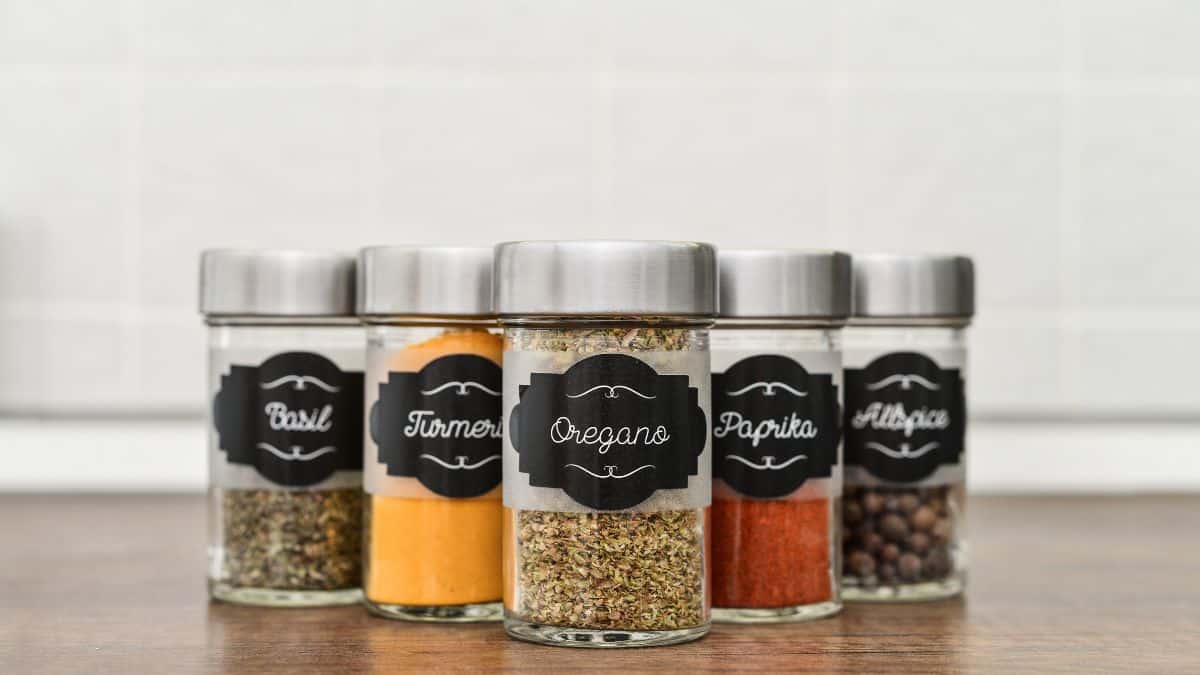
Name-brand spices can be wildly overpriced compared to store brands, bulk bins, or spices from international aisles. Since many recipes use only a small amount at a time, paying top dollar for every jar just doesn’t make much sense for budget-conscious shoppers.
Frozen Smoothie Packs

Frozen smoothie packs look healthy and convenient, but you’re often paying premium prices for tiny portions of frozen fruit. Buying larger bags of frozen fruit and mixing your own combos at home is much cheaper and gives you more variety for breakfast or snacks.