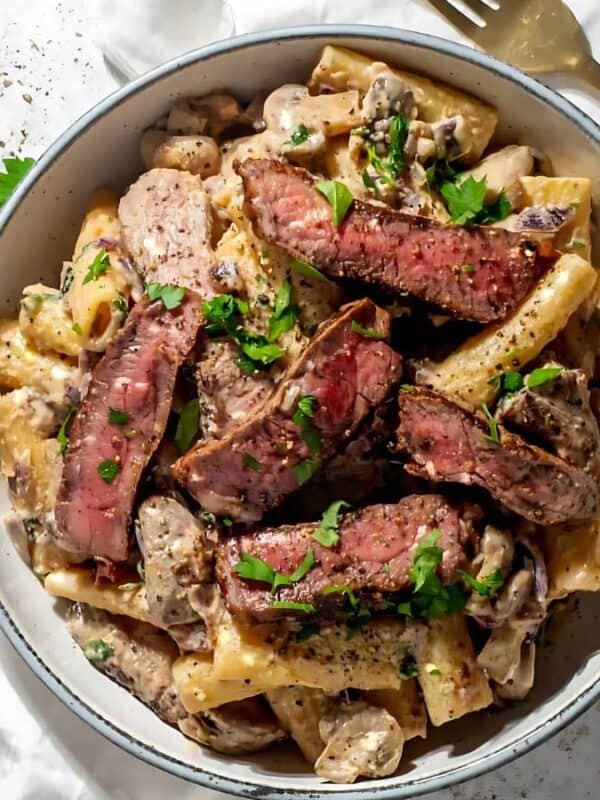


Think the refrigerator is the best place for every grocery item? Not quite. Some everyday foods actually keep their texture, flavor, and shelf life better when they stay out of the fridge. Here are 15 kitchen staples that are usually better off sitting on the counter, in the pantry, or in another cool, dry spot instead.
Tomatoes

Cold storage interferes with the natural ripening of tomatoes and often leaves them dull and mealy. They keep their best flavor and texture when left out at room temperature. A countertop spot away from direct sun is usually the better choice.
Honey

Honey stores just fine in the pantry and does not need refrigeration to stay safe. In the fridge, it tends to crystallize faster and become thick and hard to use. Keeping it sealed at room temperature helps it stay smooth and easy to drizzle.
Potatoes

Fridge temperatures cause the starch in potatoes to shift into sugar too quickly, which can throw off both taste and texture. That change often leads to potatoes that cook up oddly sweet or grainy. A dark, dry, and well-ventilated place works much better.
Basil

Basil is one of those herbs that tends to collapse quickly in the cold. It can also pick up nearby odors in the refrigerator, which dulls its fresh aroma. Keeping it on the counter, ideally with the stems in water, usually helps it last longer.
Onions

Whole onions hold up best in a dry space with good airflow. The refrigerator’s moisture encourages softness and spoilage much faster than most people expect. Just be sure not to store them next to potatoes, since that combination shortens the life of both.
Chocolate

Refrigerated chocolate often develops that pale, dusty-looking layer known as bloom. While it is still safe to eat, the appearance and texture are not as enjoyable. A cool cupboard or pantry shelf is typically the best place to keep it.
Molasses

Molasses does not need fridge space, and chilling it only makes it heavier and harder to pour. At room temperature, it stays much easier to work with when baking or cooking. A sealed container in the pantry is usually all it needs.
Garlic

Garlic keeps better when it can breathe a little. In the refrigerator, it is more likely to turn rubbery or develop mold from excess moisture. A cool, dry cupboard is a much better environment for whole heads.
Cookies
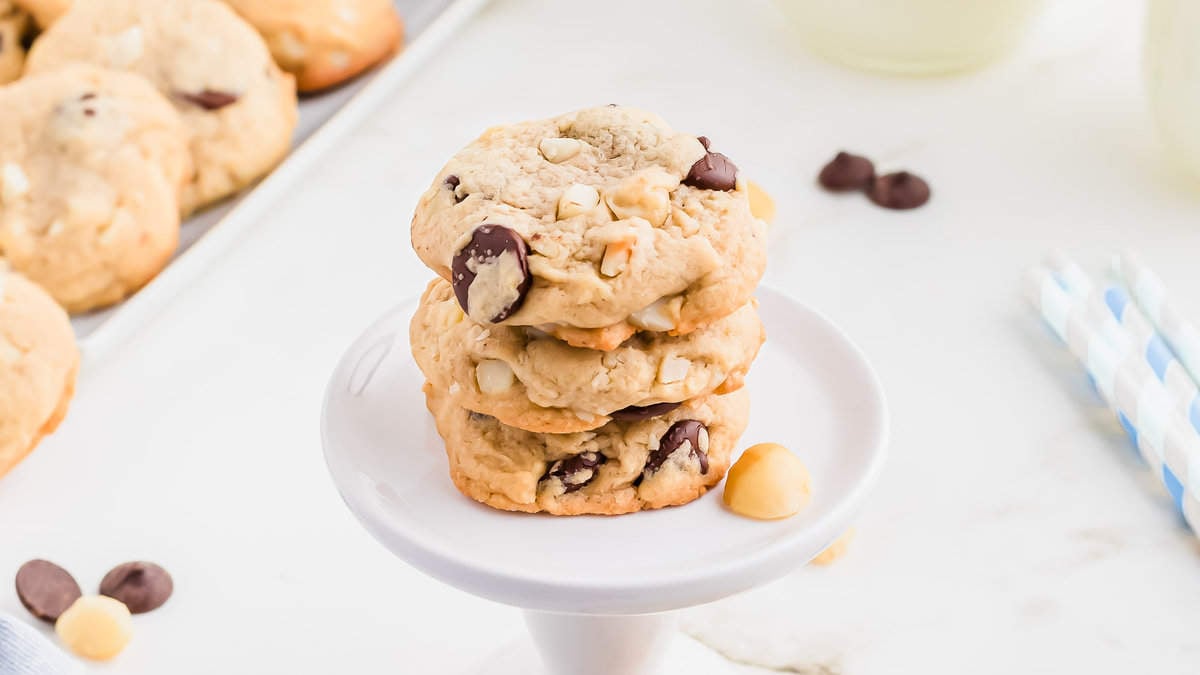
Putting cookies in the fridge can ruin the texture you want most. Instead of staying soft or crisp in the right way, they often turn stale, chewy in the wrong spots, or soggy. An airtight container on the counter usually keeps them tasting much better.
Hot Sauce

Many hot sauces are made with vinegar and other ingredients that help them stay stable outside the fridge. Refrigeration can mute some of the flavor and make the texture less appealing. For most bottles, a pantry or cabinet is perfectly fine.
Coffee

Ground coffee and beans can suffer in the fridge because condensation and surrounding smells affect freshness fast. That extra moisture also creates the wrong environment for long-term storage. A sealed container in a cool, dark place is the safer bet.
Melon

Whole melons generally do better at room temperature until you slice them open. Keeping them out can help preserve their flavor and some of their nutritional value. Once cut, though, the pieces should definitely go into the refrigerator.
Bananas
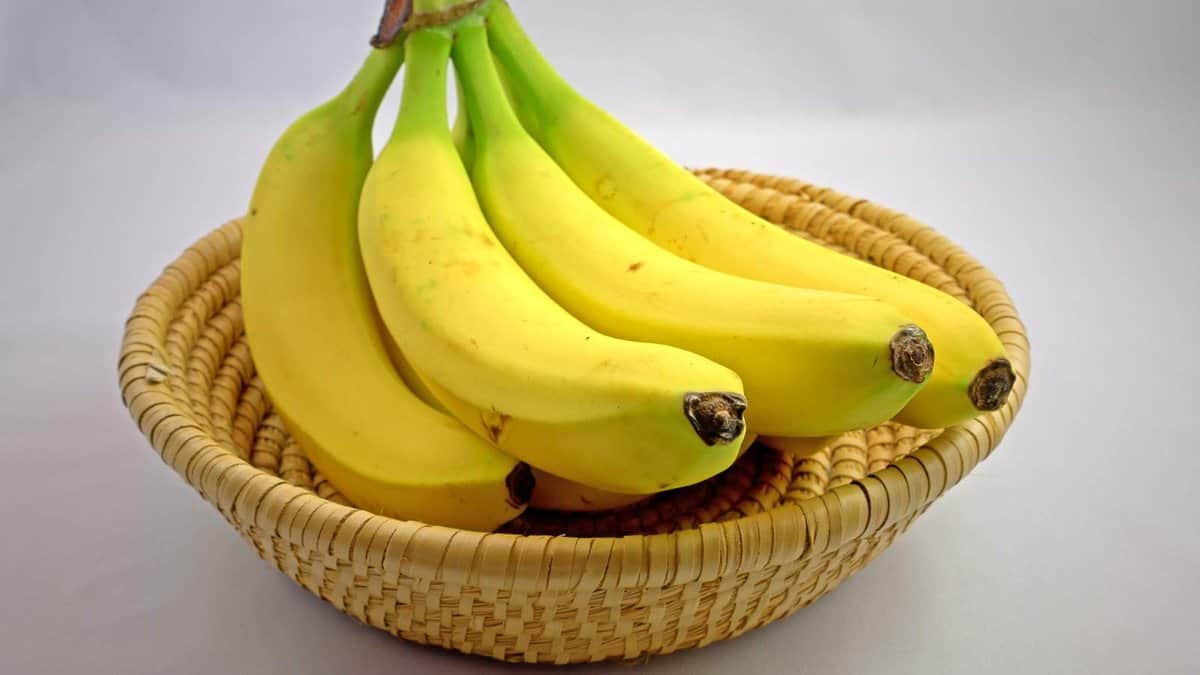
Bananas ripen best on the counter, not in a cold drawer. The refrigerator slows that process down and usually darkens the peel before the fruit is really ready. Once they are fully ripe, you can chill them if you want, but not before.
Nuts

Nuts can soak up strong refrigerator odors more easily than you might think. The moisture in that environment can also affect their crunch over time. Keeping them in a tightly sealed container in a cool pantry is often the better move.
Ketchup

Ketchup can go in the fridge, but it does not strictly need to. Its acidity helps it stay stable at room temperature for a good stretch, which is why you often see it sitting out in restaurants. Keeping it out can also help preserve a smoother consistency and fuller flavor.
9 American Breakfasts That Make The Rest Of The World Think We’re Nuts

Ever wonder why the rest of the world gives us side-eye over our breakfast choices? Yeah, it turns out our morning meals are pretty out there when you stop and think about it. From sweet and savory mashups to desserts masquerading as the most important meal of the day, our breakfast habits are anything but ordinary. Let’s take a closer look at why these American breakfast staples might seem bizarre to folks from other parts of the planet.
See them Here: 9 American Breakfasts That Make The Rest Of The World Think We’re Nuts
11 High-Fat Foods You Should Actually Be Eating
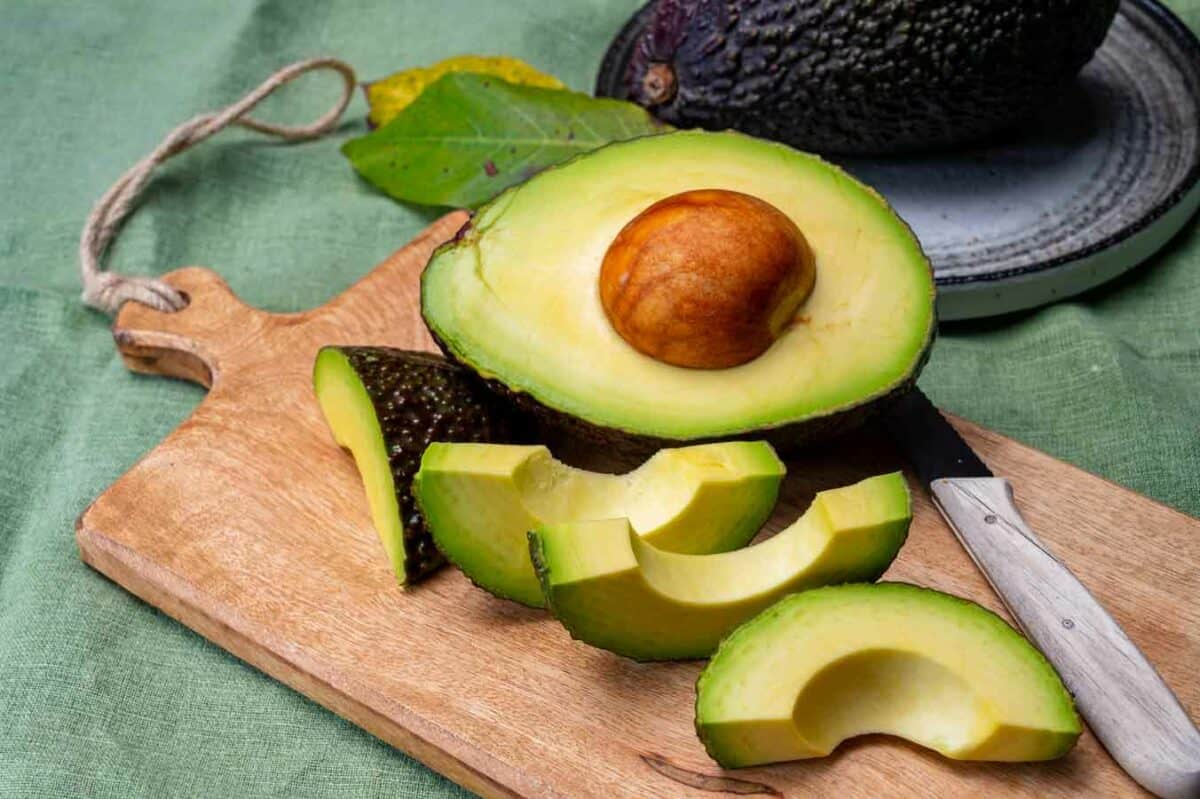
Rethinking dietary fats has shown their indispensable role in health, from supporting hormone function to aiding nutrient absorption. Foods rich in healthy fats, like avocados, dairy, and eggs, not only fuel the body but also enhance fullness and slow carbohydrate digestion. With a shift from fearing fats to understanding their benefits, it’s crucial to focus on unsaturated fats and keep saturated fats within recommended limits. This article will guide you through the nutritious high-fat foods essential for a balanced diet, underscoring the importance of selecting the right types and amounts for optimal health.
See them all here: 11 High-Fat Foods You Should Actually Be Eating
Boost Your Health With These 11 Superfoods Already In Your Kitchen

Ever wonder what makes a food a “superfood”? It’s all about those nutrient-dense ingredients that pack a punch for your health with vitamins, minerals, and antioxidants. But here’s the kicker: you don’t need to search high and low for exotic or obscure ingredients. Turns out, some of the best superfoods are probably sitting in your kitchen right now. Here are some of the everyday items that are not only easy to find but also super good for you, proving that boosting your health can be as simple as opening your pantry or refrigerator door.
See them all here: Boost Your Health With These 11 Superfoods Already In Your Kitchen