


When most people think of omega-3s, fish is the first thing that comes to mind. But it’s not the only option on the table. Plenty of foods, especially seeds, nuts, and plant-based staples, can deliver even more omega-3s per serving than some types of fish, which makes them a smart pick for anyone wanting to boost their intake without relying on seafood.
Chia Seeds

Chia seeds may be tiny, but they pack a huge nutritional punch. Just a couple of tablespoons deliver an impressive amount of omega-3s, making them one of the easiest foods to add to smoothies, yogurt, or oatmeal.
Flaxseeds

Flaxseeds are another powerhouse when it comes to plant-based omega-3s. Ground flax works best, and it’s easy to stir into muffins, pancakes, smoothies, and even cereal for a simple nutrition boost.
Walnuts

Walnuts are one of the best nuts for omega-3s, and they make a delicious snack all on their own. They also add crunch and richness to salads, baked goods, and breakfast bowls while helping support heart-healthy eating.
Hemp Seeds
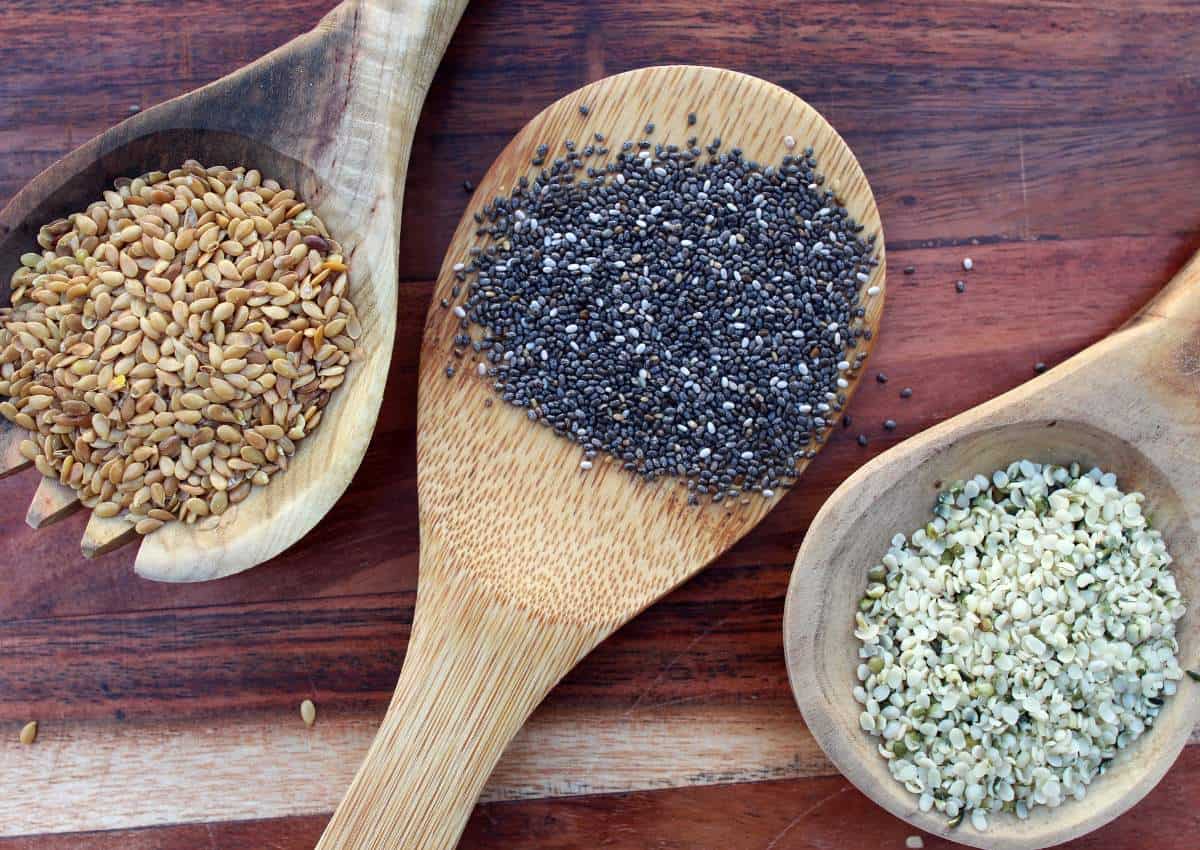
Hemp seeds are soft, nutty, and surprisingly versatile. They’re loaded with omega-3s and protein, so they’re a great topping for smoothie bowls, avocado toast, or yogurt parfaits.
Brussels Sprouts

Brussels sprouts might not be the first food you think of for omega-3s, but they do contain a respectable amount for a vegetable. Roasting them brings out their natural sweetness and makes them a tasty addition to weeknight dinners.
Edamame

Edamame is a simple, protein-packed snack that also offers omega-3s. These bright green soybeans are delicious lightly salted, tossed into salads, or served alongside rice bowls and stir-fries.
Kidney Beans

Kidney beans are budget-friendly, hearty, and more nutritious than many people realize. Along with fiber and protein, they also contribute omega-3s, making them a smart ingredient for soups, chili, and filling salads.
Seaweed

Seaweed is one of the more unique non-fish sources of omega-3s. It also brings minerals like iodine to the table, and it can be enjoyed in snacks, soups, sushi, or salads for a flavorful ocean-inspired bite.
Algal Oil

Algal oil is especially interesting because it comes straight from algae, which is where fish get their omega-3s in the first place. It’s a popular plant-based option for people who want DHA and EPA without eating seafood.
Canola Oil

Canola oil is a pantry staple that quietly offers omega-3s in every tablespoon. It’s an easy cooking oil to use in dressings, marinades, and sautéed dishes when you want to add a little extra nutritional value to everyday meals.