


Alright, I’ll be honest. A lot of foods we think are healthy got that reputation mostly because of marketing. Bright green labels. Words like “natural,” “whole grain,” or “low fat.” Sounds great, right? But when nutritionists look at the ingredient list… yeah, sometimes they wince a little.
Not because these foods are evil or forbidden. It’s more like… they’re not nearly as healthy as we were led to believe.
Here are some of the biggest ones that tend to fool people.
Granola
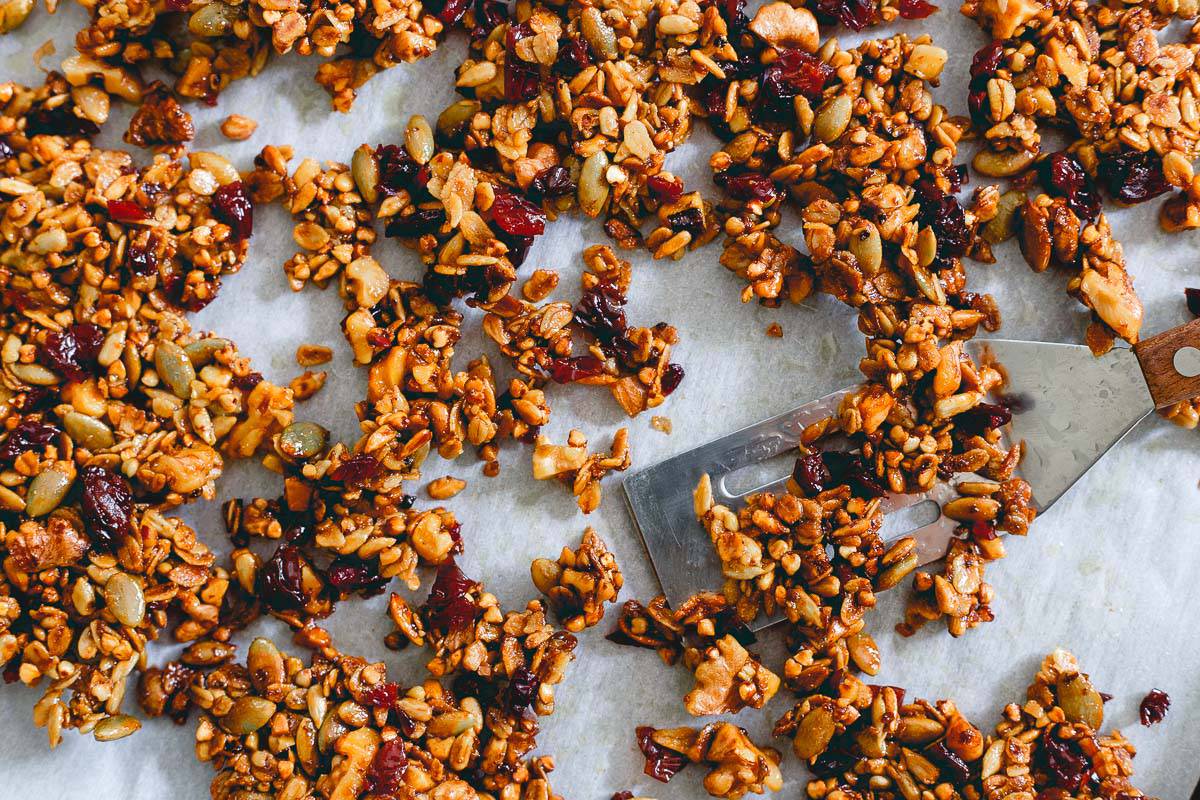
Granola has a serious health halo. Oats, nuts, honey… it sounds like the perfect wholesome breakfast. But most store-bought granola is basically oats coated in sugar and oil.
Some brands pack 400–500 calories in one cup, and the sugar content can rival dessert. That’s before you even add milk or yogurt.
Nutritionists usually suggest:
- choosing low-sugar versions
- watching the portion size
- or making homemade granola so you control the sweetener
Granola can still fit into a healthy diet. It just shouldn’t be treated like unlimited “health food.”
Flavored Yogurt

Yogurt itself? Fantastic. Protein, probiotics, calcium. All good stuff. The problem is flavored yogurt.
Many popular fruit yogurts contain 15–25 grams of sugar per serving. That’s about the same sugar as a candy bar.
Nutritionists often recommend:
- plain Greek yogurt
- adding your own fruit
- maybe a drizzle of honey
You get the same creamy texture without the sugar overload.
Veggie Chips

The bag says veggie, so it must be healthy… right? Well, not really.
Most veggie chips are still fried potato starch with vegetable powder added for color. Nutritionally, they’re pretty similar to regular potato chips. They’re crunchy and tasty, but they’re still a snack food, not a vegetable serving.
If you want a better option:
- actual roasted vegetables
- roasted chickpeas
- air-popped popcorn
Smoothies
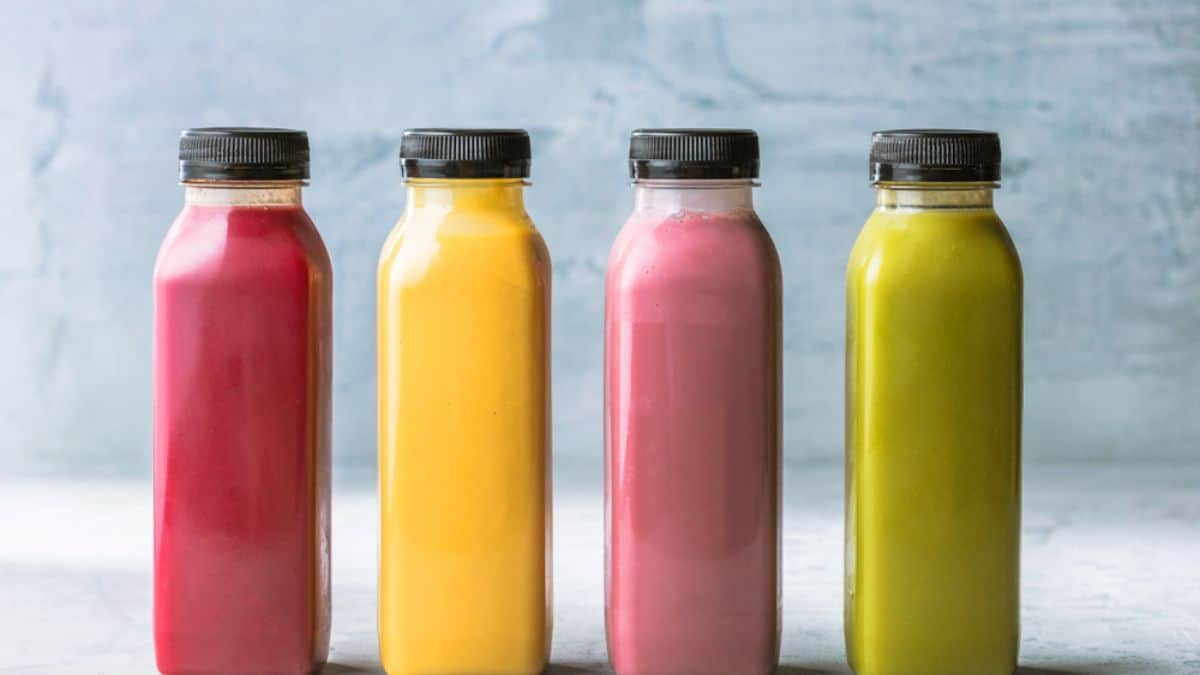
Smoothies can be great. Fruit, yogurt, maybe spinach. Sounds perfect. But the giant smoothies from cafes and juice shops can easily hit 500–800 calories and contain massive amounts of sugar.
Even if that sugar comes from fruit, it can still spike blood sugar when there’s very little fiber left.
Nutritionists usually suggest building smoothies like this:
- one serving fruit
- protein (Greek yogurt or protein powder)
- healthy fat (peanut butter, chia seeds)
- leafy greens
- unsweetened milk
That combo keeps it balanced instead of turning it into a milkshake in disguise.
Low-Fat Salad Dressing

This one goes back to the low-fat craze of the 90s. When companies remove fat, they usually replace it with sugar, starch, or additives to keep the flavor.
Ironically, fat in salad dressing actually helps your body absorb fat-soluble vitamins from vegetables like carrots and spinach.
Many nutritionists would rather you use:
- olive oil
- vinaigrette
- avocado-based dressings
Real ingredients. Better flavor. And honestly, more satisfying.
Protein Bars

Protein bars look like fitness food. The packaging screams “healthy.” But a lot of them are basically candy bars with protein added.
Some contain:
- artificial sweeteners
- sugar alcohols
- long ingredient lists that look like a chemistry set
Nutritionists usually recommend looking for bars with:
- 8–15 grams of protein
- fewer than 10 grams of added sugar
- simple ingredients
Or honestly… just eat real food like eggs, nuts, or Greek yogurt.
Turkey Bacon

Turkey bacon sounds healthier than regular bacon. Leaner, lighter… right? Sometimes yes, but nutritionally it’s often still processed meat with sodium and preservatives.
Some brands contain nearly the same sodium as pork bacon, and the processing can offset the fat savings.
Nutritionists usually suggest treating it the same way as regular bacon.
Enjoy it occasionally, not every morning.
Store-Bought Green Juice

Green juice feels like the ultimate health move. But once the fiber is removed, many green juices are mostly fruit sugar with a splash of greens.
A bottle can contain 30–40 grams of sugar and barely any fiber to slow digestion.
Nutritionists often say you’re better off:
- eating the whole fruit
- blending smoothies instead of juicing
- or simply drinking water and eating vegetables
Chewing your food turns out to be pretty good for you.
Whole Wheat Bread

“Whole wheat” on the label doesn’t always mean truly whole grain. Many breads labeled wheat are actually refined flour with a little whole wheat mixed in. Some even add caramel coloring to make it look darker and healthier.
The trick nutritionists use is simple:
Look for “100% whole wheat” or “100% whole grain” as the first ingredient.
That way you’re getting the fiber and nutrients that whole grains actually provide.
Trail Mix

Trail mix sounds like the ultimate healthy snack. Nuts, dried fruit, maybe a little chocolate. It gives off serious hiking-in-the-mountains energy. But here’s the catch. Most store-bought trail mix is very calorie dense and often loaded with added sugar.
Nutritionists usually suggest one of these options instead:
- a small handful of plain nuts
- nuts mixed with unsweetened dried fruit
- homemade trail mix so you control the ingredients
Trail mix can absolutely be part of a healthy diet. You just have to treat it like an energy snack, not a bottomless bowl situation.