

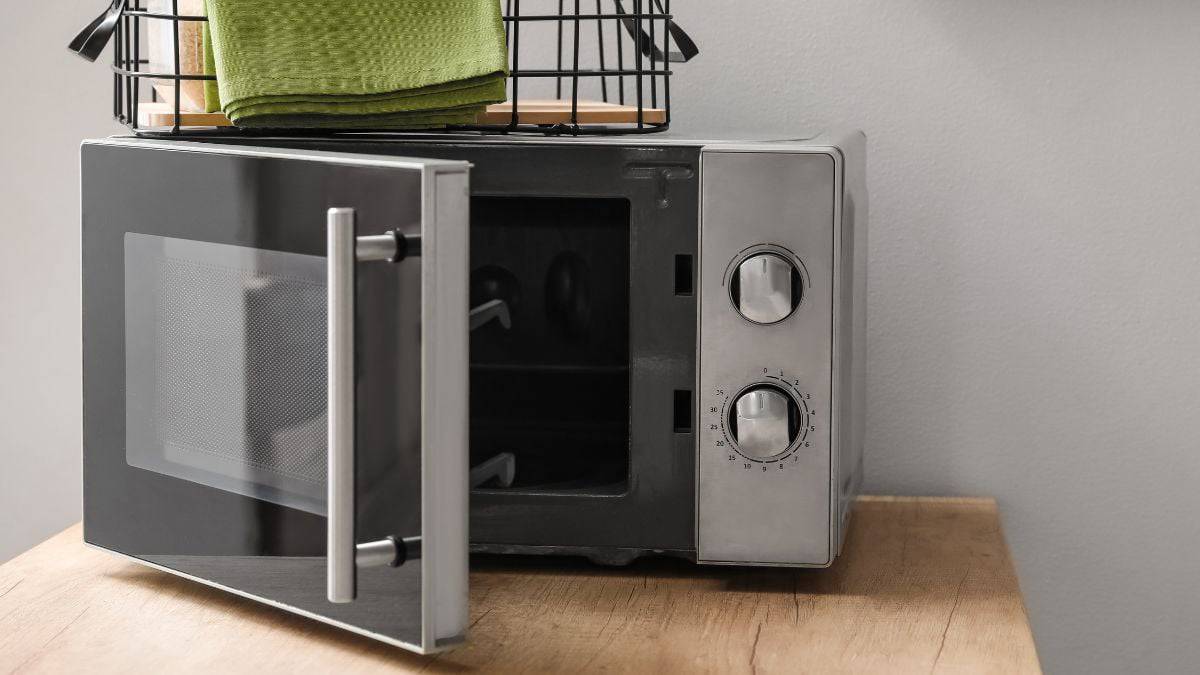
You’re hungry, in a hurry, and the microwave is just sitting there, begging to save the day, but quick fixes aren’t always the best answer. Some foods get completely wrecked when you hit that “quick cook” button turning out as a soggy disappointment. Think twice when it comes to these and maybe look at the toaster oven instead.
Save this recipe!
French Fries

Expecting crispy fries out of the microwave? Think again. You’re more likely to end up with a soggy, limp snack that’s lost its soul somewhere between the plate and your mouth.
Eggs
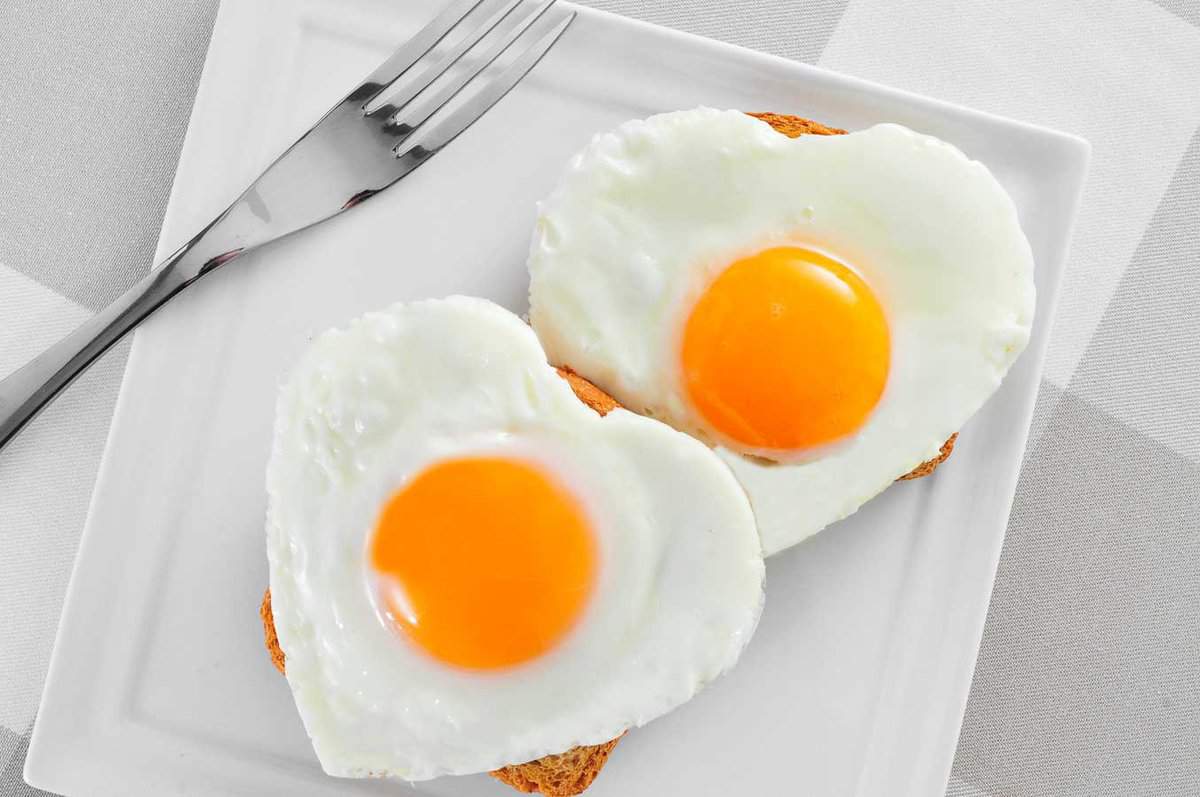
Reheating whole eggs could turn your microwave into a scene from an action movie—think unexpected explosions. Even scrambled eggs can become rubbery and lose their charm. Whether it’s hardboiled or scrambled, it’s best to avoid reheating eggs this way.
Nachos
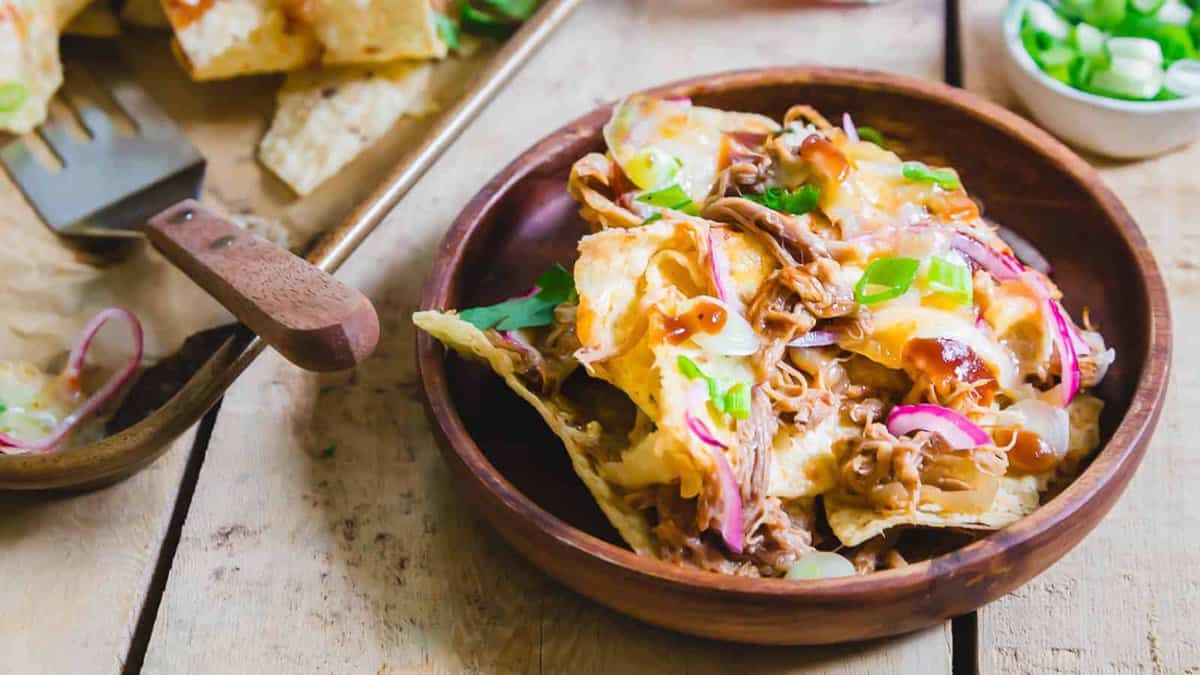
What’s worse than soggy nachos? Not much. Microwaving them tends to steam the chips, turning a once-crunchy delight into a sad, soft mess. Plus, the cheese just isn’t the same.
Shrimp

Reheating shrimp can easily turn these succulent sea treasures into rubbery disappointments and the uneven heating could leave you with a not-so-pleasant texture.
Pasta
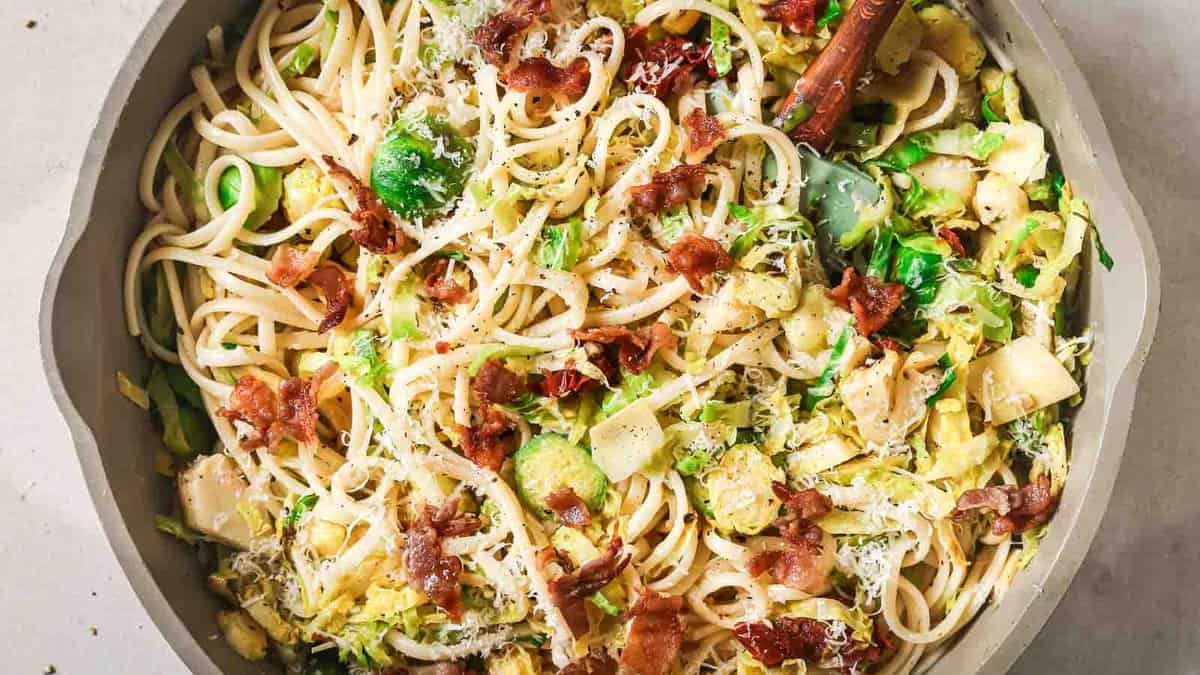
Microwaving pasta can cause it to dry out and become unevenly heated. The texture is a fail no matter how you look at it – tough, dry pieces in one spot while other pieces become overly soft and mushy. This one is much better off reheated on the stove.
Fried Food

Crispy and crunchy turns into soggy and sad in the microwave. The lack of direct heat means fried foods lose their signature texture. If you’ve got something fried to heat up, the air fryer, oven or toaster oven are better choices.
Hot Peppers

Heating these can lead to an unexpected release of capsaicin, the chemical that makes peppers hot, filling your kitchen with eye-watering vapors.
Pizza

The dream of gooey, delicious leftover pizza dies in a microwave. Instead of crisp crust, you get a chewy, tough base with unevenly melted cheese.
Previously Reheated Foods

Reheating leftovers more than once increases bacteria growth and food poisoning risk, along with potential off-flavors. Reheat only what you’ll eat to minimize these risks.
Coffee

Reheating coffee changes its flavor profile, often making it bitter and less enjoyable. It’s a quick way to ruin a good cup.
11 Foods You’re Cooking Wrong and How to Fix It
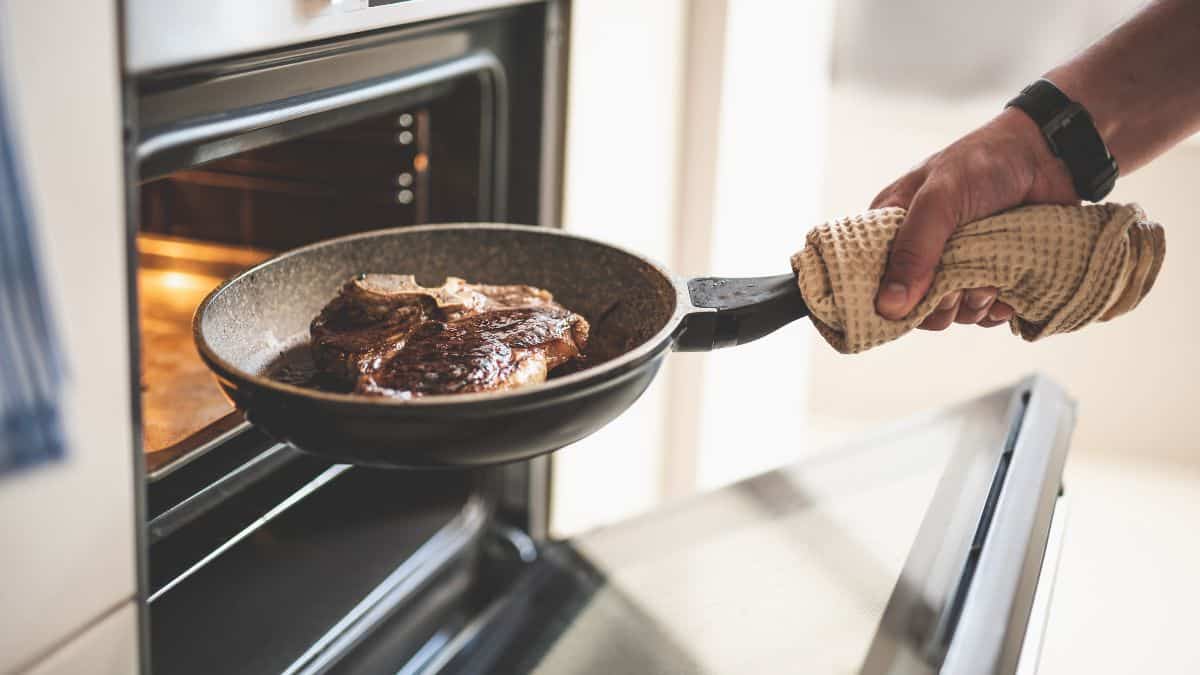
We all have our kitchen strengths, but let’s face it—there are a few foods we might be getting wrong without even realizing it. From the simple steaming of rice to searing the perfect steak, cooking is full of little techniques that can make or break a dish. This article is your chance to stop those cooking faux pas in their tracks. Take a closer look at these common foods that often fall victim to missteps in the kitchen and learn how to do them justice.
Read it Here: 11 Foods You’re Cooking Wrong and How to Fix It
15 Foods You Should Always Buy Frozen Instead Of Fresh

While fresh produce often gets the spotlight for being the healthiest option, don’t overlook the frozen aisle on your next grocery run. Frozen foods can be superior in both flavor and nutritional value, especially when they’re processed right at peak ripeness. This article will guide you through the select foods that are actually better to buy frozen than fresh. Find out which staples you should be stocking up on to make your meals easier and your diet richer.
Read it Here: 15 Foods You Should Always Buy Frozen Instead Of Fresh
Select images provided by Depositphotos.

Gina Matsoukas is an AP syndicated writer. She is the founder, photographer and recipe developer of Running to the Kitchen — a food website focused on providing healthy, wholesome recipes using fresh and seasonal ingredients. Her work has been featured in numerous media outlets both digital and print, including MSN, Huffington post, Buzzfeed, Women’s Health and Food Network.