


Chefs cook with an entire world of flavor while the rest of us keep reaching for the same basic bottles. The difference comes down to a handful of condiments that bring more depth than you’d otherwise realize. These jars add punch, richness and brightness that shift a dish from flat to memorable. Once you get to know them, they open up a side of cooking that feels a lot more fun and tastes a lot better.

Fish Sauce
Fish sauce is a chef favorite because it adds depth fast. It brings a concentrated savory flavor that blends into stir fries, sauces and broths without drawing attention to itself. A small amount changes the entire profile of a dish by rounding out the salt and bringing out richness in the other ingredients. Home cooks can use it the same way to build flavor with almost no extra work.
Tahini
Tahini is made from ground sesame seeds and has a natural richness that chefs use to build sauces with body and depth. It emulsifies easily, which helps dressings cling to vegetables and grains instead of sliding off. In pastries, it adds a subtle earthiness that pairs well with chocolate, honey or citrus. Its thick texture also makes it a strong base for spreads and dips that hold up well on a plate.
Gochujang
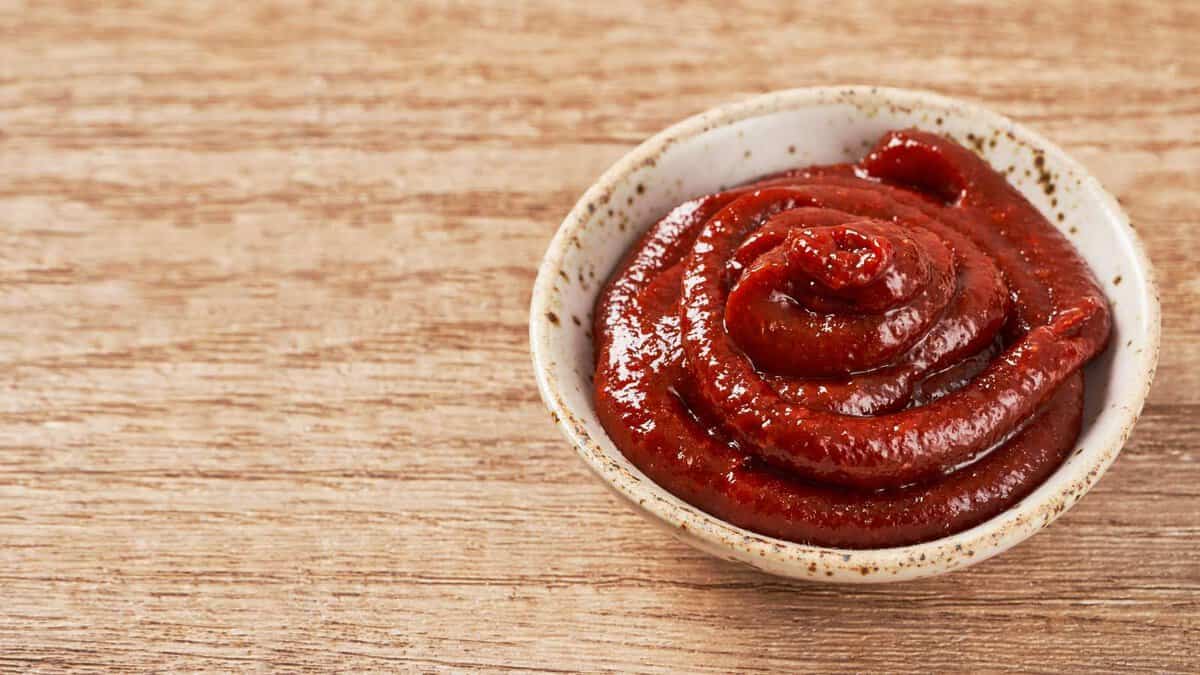
Gochujang is a fermented chili paste that brings heat, sweetness and umami in one ingredient. Chefs use it to anchor marinades because it softens as it cooks and creates a glossy coating on meat and vegetables. It dissolves well in broth, adding complexity to soups and stews without needing a long simmer. When mixed into sauces, it creates a rounded spice that feels layered rather than sharp.
Pickle Relish
Pickle relish combines chopped pickles, vinegar and sugar, creating a bright acidity that cuts through richer foods. Chefs fold it into creamy dishes because it prevents the flavors from feeling heavy or flat. Its fine texture mixes evenly into fillings, spreads and salads and adds a clean pop of flavor without overpowering the main ingredients. It also balances meats by bringing contrast and moisture where the dish needs it.
Harissa
Harissa is a paste made from roasted peppers, spices and oil, which gives it a bold flavor backbone. Chefs use it in rubs and marinades because it holds up well under heat and adds depth without requiring multiple spices. It blends smoothly into sauces for grains or vegetables and provides slow-building intensity rather than quick heat. When stirred into stews or braises, it rounds out the dish and adds dimension.
Miso Paste
Miso paste is created through fermentation, which develops a savory complexity chefs use to anchor sauces, glazes and dressings. It dissolves easily in warm liquids and adds a salty sweetness that enhances broths and marinades. The fermentation process produces enzymes that interact with other ingredients and deepen their flavor. It also brings structure to compound butters and spreads, giving them a richer base.

Chili Crisp
Chili crisp combines crunchy fried garlic, onions and peppers suspended in seasoned oil. Chefs use it to introduce both heat and texture at the end of a dish, something standard sauces cannot do. The infused oil spreads flavor over noodles, rice or vegetables while the crispy bits provide contrast. It also works well as a finishing ingredient because the oil coats food evenly without muting the crunch.
Pomegranate Molasses
Pomegranate molasses is reduced pomegranate juice that becomes thick, tangy and concentrated. Chefs use it in marinades because its acidity tenderizes meat while its natural sweetness balances heavier spices. It blends smoothly into dressings and glazes and adds a sharp fruit note that stands up to roasted vegetables and grains. Its dense consistency helps sauces cling to ingredients instead of thinning out.

Malt Vinegar
Malt vinegar is made from malted barley, which gives it a deeper, nuttier acidity than standard white vinegar. Chefs reach for it when they need sharpness without harshness, especially in marinades or quick pickles. Its flavor holds up well against fried foods (which is why you see it at Five Guys for enjoying their fries), helping cut through oil and richness. It also brings balance to sauces by tempering sweetness and grounding stronger seasonings.
Yuzu Kosho
Yuzu kosho is a fermented paste made from yuzu peel, salt and chili peppers. Chefs use it to add intense citrus and heat in very small amounts because the fermentation concentrates both elements. It pairs well with grilled or seared foods since the bright citrus lifts heavier flavors. It also enhances sauces and dressings by adding complexity without overwhelming the other ingredients.

Gina Matsoukas is an AP syndicated writer. She is the founder, photographer and recipe developer of Running to the Kitchen — a food website focused on providing healthy, wholesome recipes using fresh and seasonal ingredients. Her work has been featured in numerous media outlets both digital and print, including MSN, Huffington post, Buzzfeed, Women’s Health and Food Network.